• Skip to primary navigation
  • Skip to main content
  • Skip to primary sidebar

Earth Wise

A look at our changing environment.

  • Home
  • About Earth Wise
  • Where to Listen
  • All Articles
  • Show Search
Hide Search
You are here: Home / Archives for dirty

dirty

A record year for solar and batteries

March 20, 2025 By EarthWise Leave a Comment

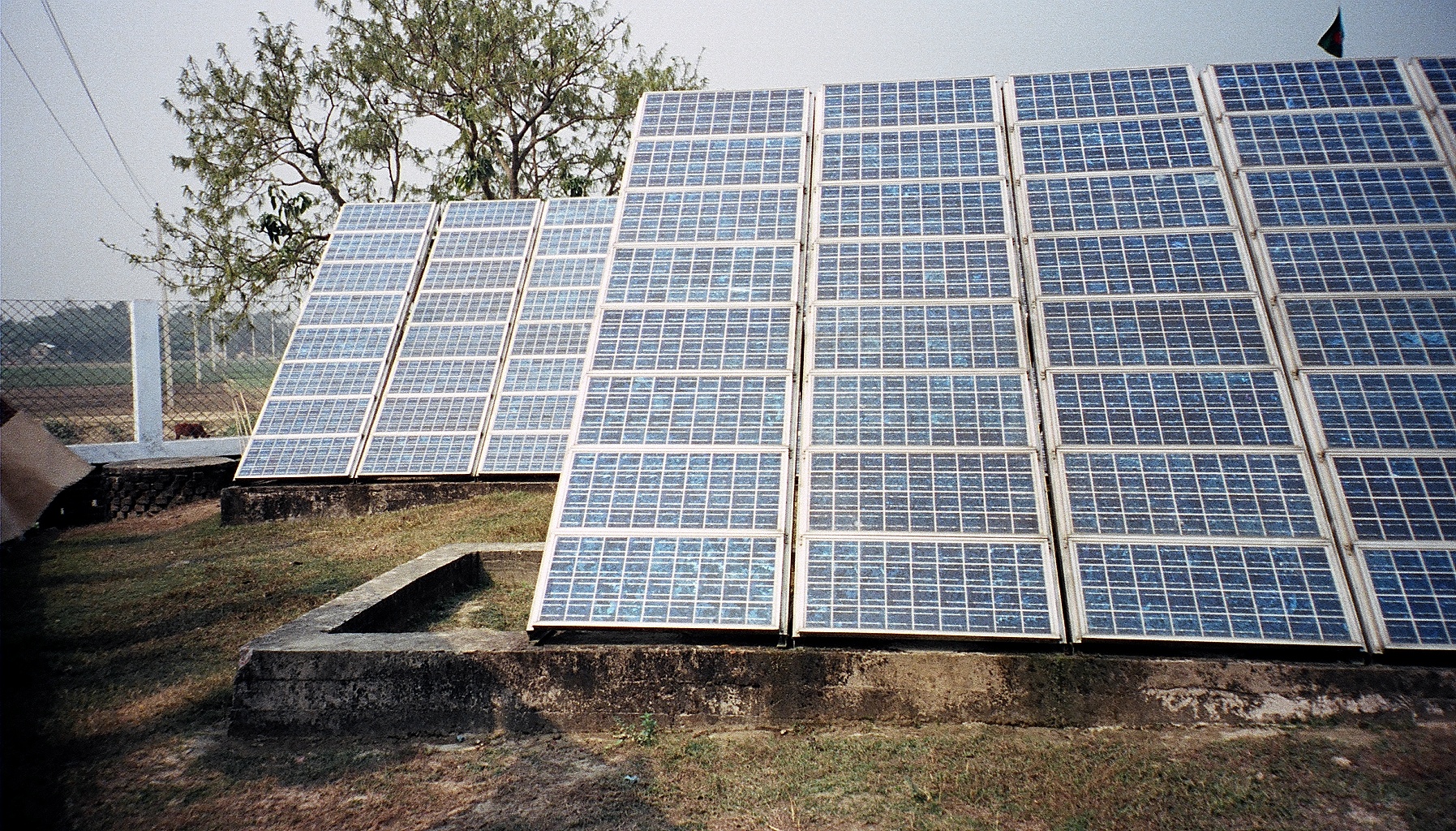
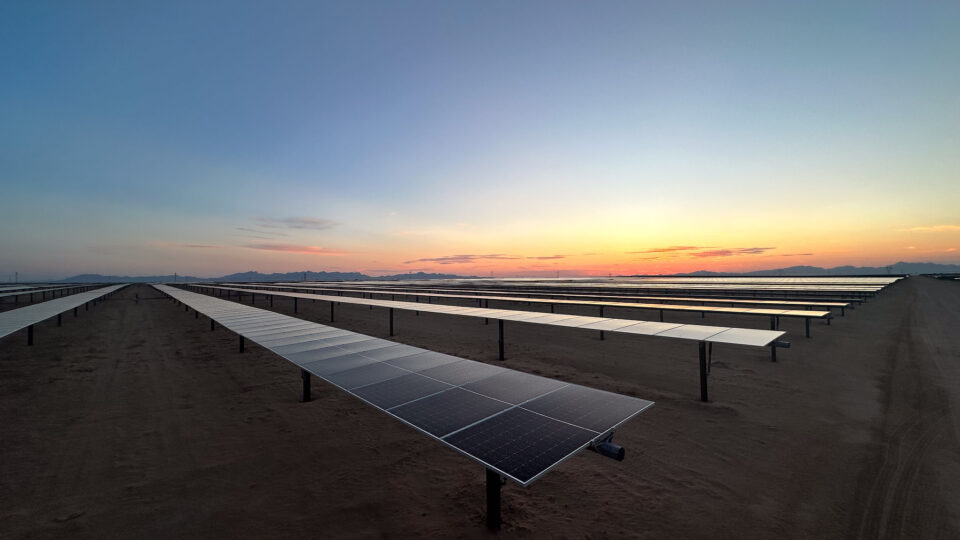
According to a recent forecast from the U.S. Energy Information Administration, solar panels and batteries will account for more than 80% of new power capacity installed in the U.S. this year.  The record growth of these technologies is hastening the decline of coal power in this country.

Solar power alone will account for more than half of the country’s new power capacity and most of it will be in Texas and California.

Wind power is expected to provide only 12% of new capacity this year.  Wind is facing rising costs, lengthy permitting, public backlash, and clear opposition from the Trump administration which is determined to stifle its growth.

As renewable energy grows, coal power continues to decline.  The U.S. will retire twice as much coal power this year as it did last year, closing about 5% of the country’s capacity.  Not only are older coal plants shutting down; the remaining plants are generating less power.

One of the most significant changes in technology over the last few decades has been the massive drop in the cost of clean energy.  Solar photovoltaic costs have fallen by 90% in the past decade, onshore wind by 70%, and batteries by more than 90%.  The connection between cost reduction and volume has been very strong:  costs of these technologies have fallen by around 20% every time global cumulative capacity doubles.   Over the past 40 years, solar power has transformed from one of the most expensive electricity sources to the cheapest in many countries.  That trend is likely to continue.  Setting politics aside, market forces generally are the strongest driver.

**********

Web Links

U.S. Solar and Batteries Headed for Record Year

Photo, posted December 16, 2024, courtesy of Bureau of Land Management California via Flickr.

Earth Wise is a production of WAMC Northeast Public Radio
The last coal plant in Britain

October 31, 2024 By EarthWise Leave a Comment

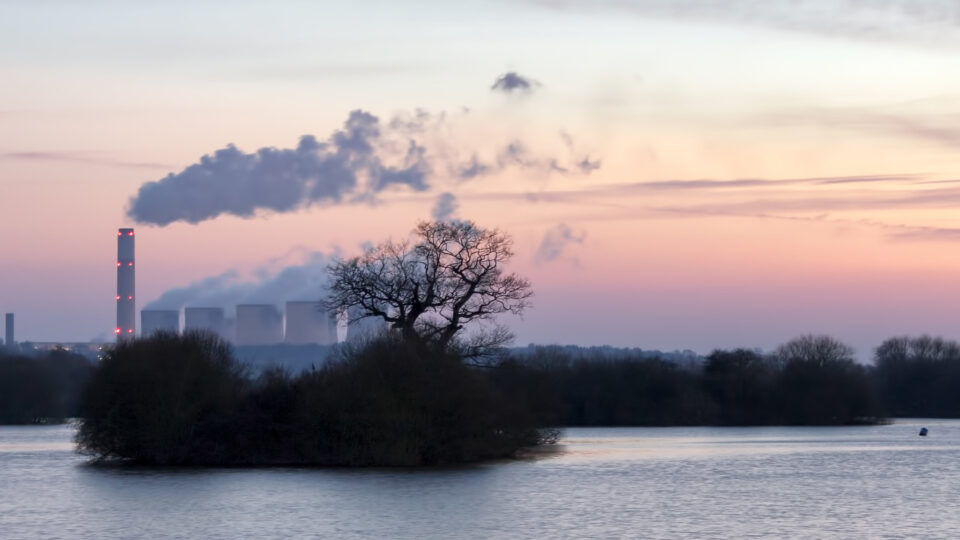
The last coal plant in Britain has closed

The Industrial Revolution, which basically got underway in the mid-19th century, was largely enabled by coal, which fueled iron manufacturing, railroads, steam engines, and more.  Most of these things got their start in Britain, which inspired the rest of the world to follow suit.

The world’s first coal-burning power plant began producing electricity at the Holborn Viaduct in London in 1882.  This September, Britain – the birthplace of coal power – shut down its last coal-burning power station when the 2,000-megawatt Ratcliffe-on-Soar facility ceased operations.  Uniper, the company that operated the plant, will be converting the 750-acre site to a low-carbon energy hub.

Shutting down coal plants is not a simple matter, as they are the lifeblood of entire towns and regions where they are located.  Finding fair transitions for workers is an uphill battle that has to take place in many locations.

Coal is the dirtiest fossil fuel, producing more greenhouse gas than others, but historically was the cheapest and most abundant source of power in many countries.  In recent decades, it has been replaced by gas, nuclear power, and most recently, renewables like wind and solar.

The coal era has ended in much of the world. The United States still gets 16% of its electricity from coal, but that number keeps getting smaller.  Unfortunately, the great majority of coal use is in the world’s two most populous countries:  India and China.  Both are adding renewable energy sources, but both have rapidly climbing energy demand.  China’s coal consumption is expected to peak this year and flatten out.  But there is still work to be done to bring an end to coal power.

**********

Web Links

Britain Shuts Down Last Coal Plant, ‘Turning Its Back on Coal Forever’

Photo, posted March 13, 2016, courtesy of Arran Bee via Flickr.

Earth Wise is a production of WAMC Northeast Public Radio
The end of coal in New England

May 3, 2024 By EarthWise Leave a Comment

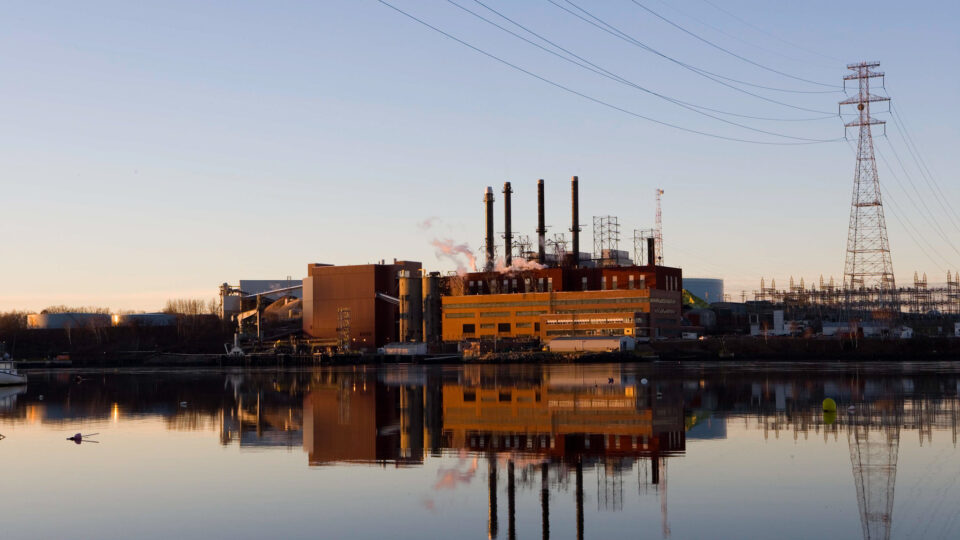
Photo, posted October 14, 2015, courtesy of Eversource NH via Flickr.

The last two coal-fired power plants in New England are scheduled to close by 2025 and 2028.  The New Hampshire-based plants are operated by Granite Shore Power.  The Schiller Station plant began operations in 1949 and the Merrimack Station was built in the 1960s.

Granite Shore Power has come to an agreement with the Environmental Protection Agency as part of a settlement of lawsuits by the Conservation Law Foundation and the Sierra Club.  The two power plants were the subject of a five-year legal battle waged by clean energy advocates

Granite Shore Power intends to turn both of the sites into renewable energy parks.  The plants will be converted into solar farms and battery units that can be used to store electricity generated by offshore wind turbines along the Atlantic Coast.  Granite Shore Power bought the two power plants in 2018 with the intention of transitioning the coal generation systems into less polluting operations.

The battery storage system at the Schiller Station site in Portsmouth will be named the Jacona II in honor of a self-propelled floating power barge that brought power to parts of Maine and New Hampshire between 1919 and 1930.

Coal use has dropped dramatically in the United States in recent years as natural gas and renewable sources like wind and solar have become less expensive.  As of last year, coal only produced about 17% of American electricity and its use continues to decline. 

Coal is the dirtiest fossil fuel.  In 2021, when it generated less than a quarter of the electricity produced in the US, it accounted for 59% of carbon emissions from electricity generation.

**********

Web Links

The Last Coal-Fired Power Plants in New England Are to Close

Photo, posted October 14, 2015, courtesy of Eversource NH via Flickr.

Earth Wise is a production of WAMC Northeast Public Radio
The slow decline of coal

January 25, 2024 By EarthWise Leave a Comment

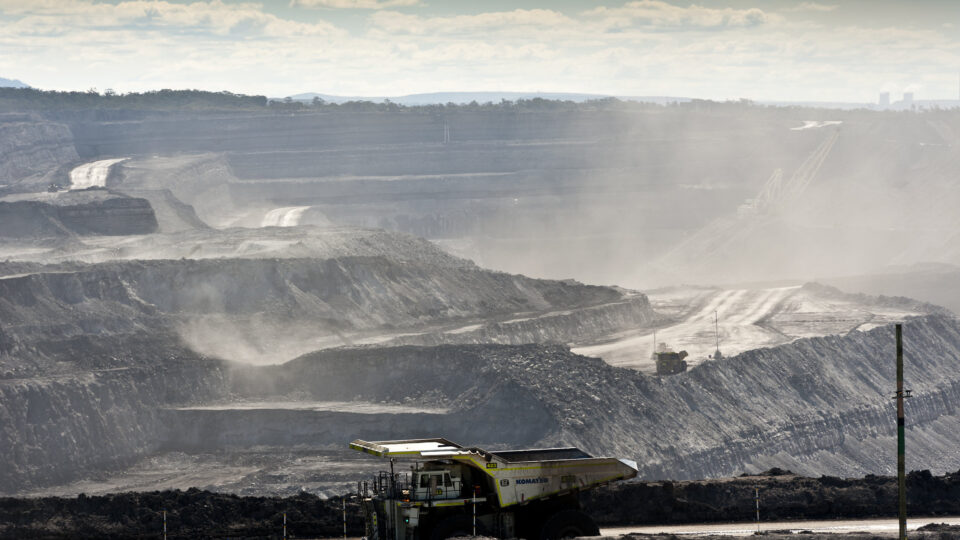
Despite the fact that coal is the dirtiest and most climate-harmful energy source we have, the global demand for it hit a record high in 2023. The demand for coal grew by 1.4% worldwide, according to an analysis by the International Energy Agency.

Coal use grew by 5% in China and 8% in India.  The two countries are the world’s largest producers and consumers of coal.  Meanwhile, coal use in the U.S. and the European Union fell by 20%.

Despite this discouraging news, the IEA forecasts that coal use will decline over the next two years.  There have been declines in coal demand a few times before, but they were driven by unusual events such as the collapse of the Soviet Union and the Covid-19 crisis.  But the IEA says that the forthcoming decline is different.  It will be driven by the formidable and sustained expansion of clean energy technologies.

According to the IEA, global coal demand will fall by 2.3% by 2026 even in the absence of new policies to curb coal use.  Forces at play will be increased hydropower in China as it recovers from drought and puts new wind and solar projects online.  China is responsible for more than half of global coal demand, but it is also responsible for more than half of the planned renewable power projects coming online over the next three years.  Experts believe that with these forthcoming projects, Chinese emissions may have peaked in 2023.

The projected drop in coal demand is still far short of what is required for the world to avoid catastrophic warming.  Much greater efforts are needed to meet international climate targets.

**********

Web Links

After a Record 2023, Coal Headed for Decline, Analysts Say

Photo, posted August 25, 2015, courtesy of Jeremy Buckingham via Flickr.

Earth Wise is a production of WAMC Northeast Public Radio

Bitcoin Mining And The Environment | Earth Wise

November 7, 2022 By EarthWise Leave a Comment

Bitcoin mining, the process by which the prominent cryptocurrency is created, is well-known to be energy intensive, but the environmental impact of it has not been extensively studied.  People have described Bitcoin as ‘digital gold.’  A new analysis by researchers at the University of New Mexico has found that Bitcoin mining shouldn’t be compared to gold mining.  It is more appropriately compared to the creation of much more energy-intensive products such as beef, natural gas, and crude oil.

Furthermore, the study found that rather than becoming more sustainable over time, Bitcoin mining is becoming dirtier and more damaging to the climate as long as it relies upon fossil-fuel generated electricity.  Estimates are that in 2020, Bitcoin mining used 75.4 terawatt hours of electricity, which is more electricity than the entire country of Austria, as well as 150 other nations around the world.

The study looked at the economic cost of the air pollution and carbon emissions associated with Bitcoin mining and found that in many instances, the negative economic impact of creating a single Bitcoin is more than what the resultant coin is worth.

Based on the market value of Bitcoins, the cost of climate damage for that value is a little less that that of electricity produced by natural gas and gasoline produced from crude oil, but actually more than that of beef production.

There are multiple cryptocurrencies.  Ether is one that voluntarily switched away from so-called proof-of-work mining.  Whether Bitcoin or others will act similarly absent potential regulation remains to be seen.  Until such time, Bitcoin mining remains an increasingly dirty and damaging business.

**********

Web Links

Technology: UNM researchers find Bitcoin mining is environmentally unsustainable

Photo, posted May 11, 2017, courtesy of Komers Real via Flickr.

Earth Wise is a production of WAMC Northeast Public Radio

Diesel Is Dirty

October 22, 2018 By EarthWise Leave a Comment

https://earthwiseradio.org/wp-content/uploads/2018/10/EW-10-22-18-Diesel-is-Dirty.mp3

Three years ago, Volkswagen was found to have illegally cheated federal emissions tests in the US using devious programming of emission control devices.  The subterfuge enabled 11 million passenger cars to meet U.S. emissions standards in the laboratory despite that fact that they actually produced up to 40 times higher emissions than the legal limit in real-world driving.

[Read more…] about Diesel Is Dirty

Dirty Air In The National Parks

August 27, 2018 By EarthWise Leave a Comment

https://earthwiseradio.org/wp-content/uploads/2018/08/EW-08-27-18-Dirty-Air-in-National-Parks.mp3

Our national parks are supposed to be places that allow us to commune with nature.  They offer incredible vistas and amazing sights.  As a result, millions of Americans and visitors from around the world are drawn to these places – too many millions, in fact.

[Read more…] about Dirty Air In The National Parks

Air Pollution And Solar Power

July 28, 2017 By EarthWise

https://earthwiseradio.org/wp-content/uploads/2017/07/EW-07-28-17-Air-Pollution-and-Solar-Power.mp3

We are well-aware of the negative effects of air pollution on human health and on the environment, but a recent study at Duke University has revealed that global solar energy production is taking a major hit due to air pollution and dust.

[Read more…] about Air Pollution And Solar Power

Primary Sidebar

Recent Episodes

  • An uninsurable future
  • Clean energy and jobs
  • Insect declines in remote regions
  • Fossil fuel producing nations ignoring climate goals
  • Trouble for clownfishes

WAMC Northeast Public Radio

WAMC/Northeast Public Radio is a regional public radio network serving parts of seven northeastern states (more...)

Copyright © 2025 ·