• Skip to primary navigation
  • Skip to main content
  • Skip to primary sidebar

Earth Wise

A look at our changing environment.

  • Home
  • About Earth Wise
  • Where to Listen
  • All Articles
  • Show Search
Hide Search
You are here: Home / Archives for desertification

desertification

Oases and desertification

May 21, 2024 By EarthWise Leave a Comment

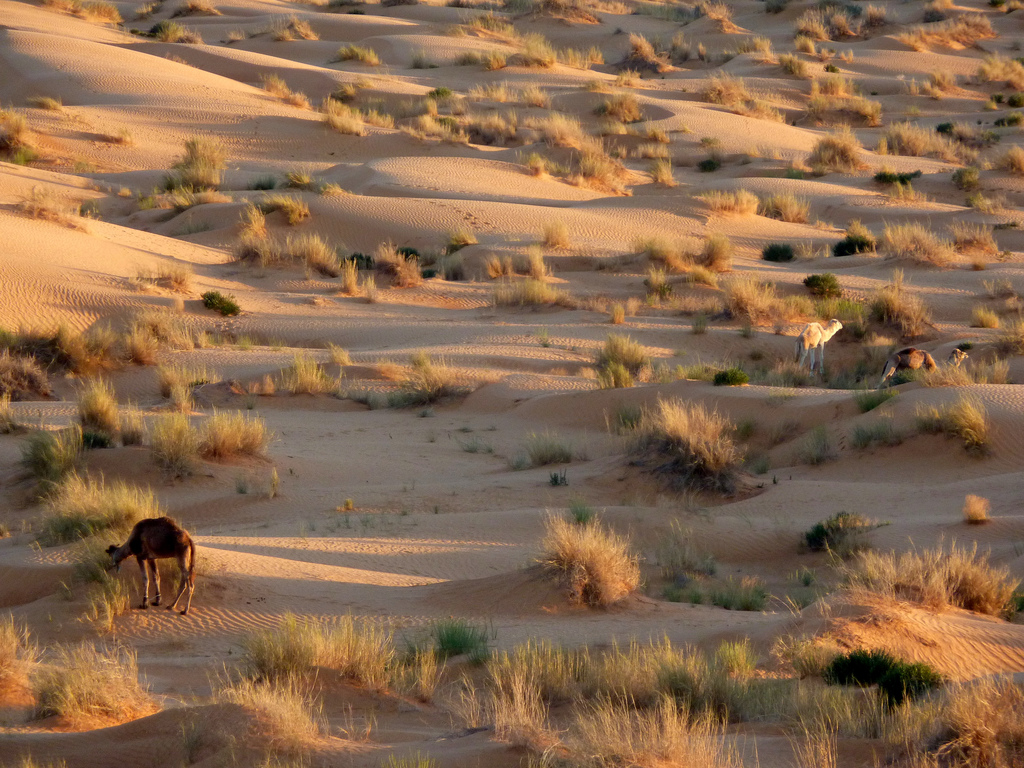
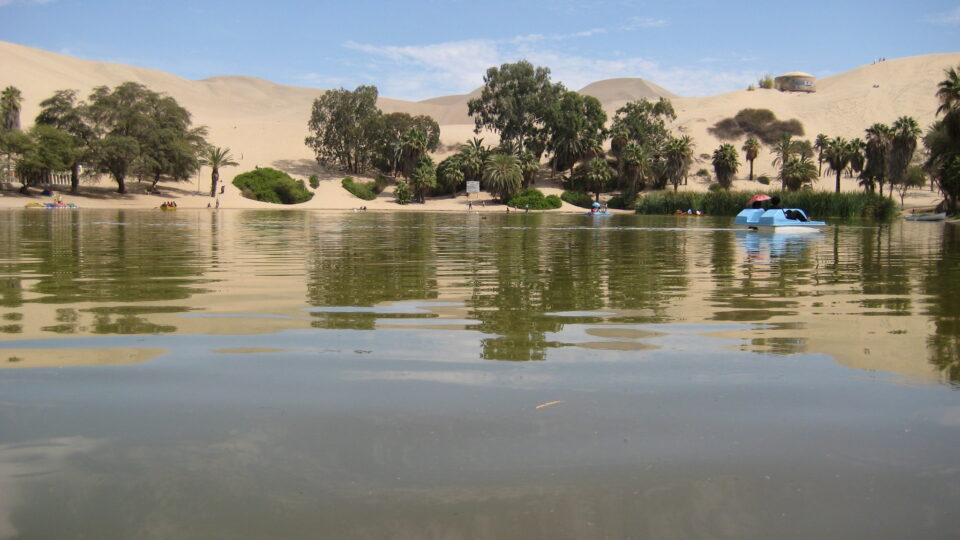
Oases are important sources of water for people, plants, and animals in the world’s desert areas.  In fact, oases sustain 10% of the world’s population despite taking up only about 1.5% of land area.  They form when groundwater flows and settles into low-lying areas or when surface meltwater flows down from nearby mountains and pools.

New research from the Chinese Academy of Sciences has found that oases added 85,000 square miles of new area from 1995 to 2020, mostly from artificial expansion projects, but over the same period lost 52,000 square miles from desertification and water scarcity.  The net gain of 33,000 square miles is not considered to be sustainable given that it was mostly due to artificial causes.  The oasis expansion projects were in Asia but losses due to desertification were also mostly in Asia.

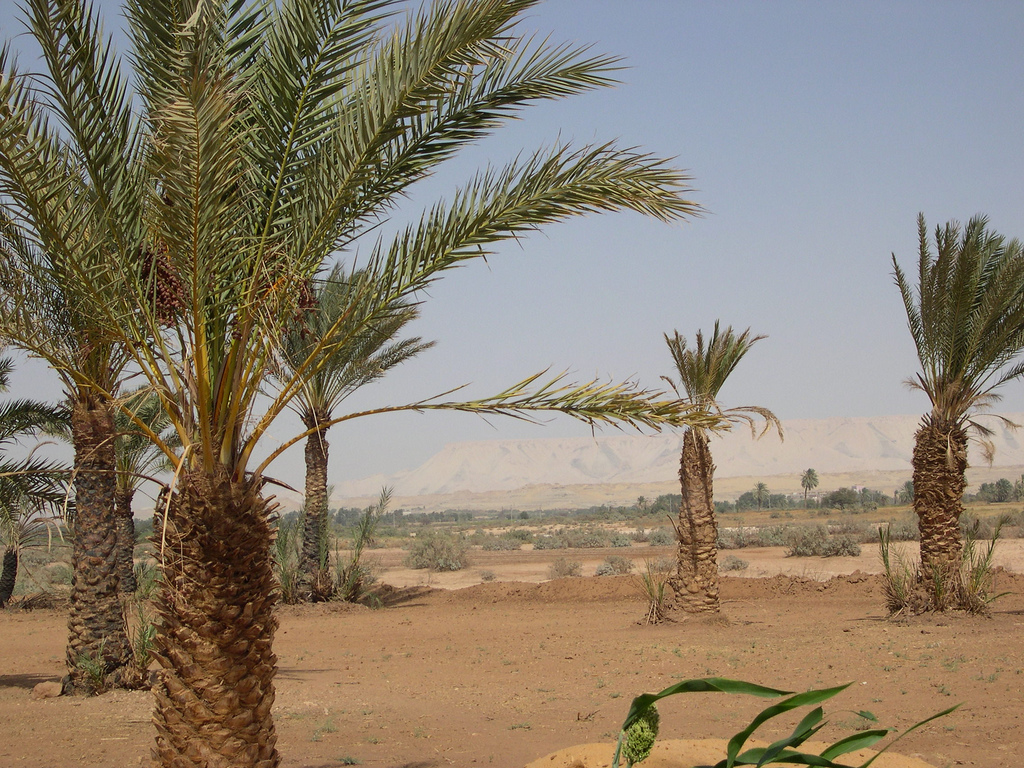
Today, oases are found in 37 countries.  Increases in oases mostly come from people intentionally converting desert land into oases using runoff water and groundwater pumping, creating grasslands and croplands. This mostly has taken place in China.

Human over-exploitation of dwindling groundwater can limit the sustainability of oases as can the long-term loss of glaciers.

The study highlighted ways to sustain healthy oases, including suggestions for improving water resource management, promoting sustainable land use and management, and encouraging water conservation and efficient water use.  As the climate continues to change, these efforts will be increasingly important for a significant portion of the world’s population.

**********

Web Links

World’s Oases Threatened By Desertification, Even As Humans Expand Them

Photo, posted August 3, 2008, courtesy of Paul Williams via Flickr.

Earth Wise is a production of WAMC Northeast Public Radio
Deforestation-Free Pledges | Earth Wise

December 12, 2022 By EarthWise Leave a Comment

Deforestation pledges are not enough

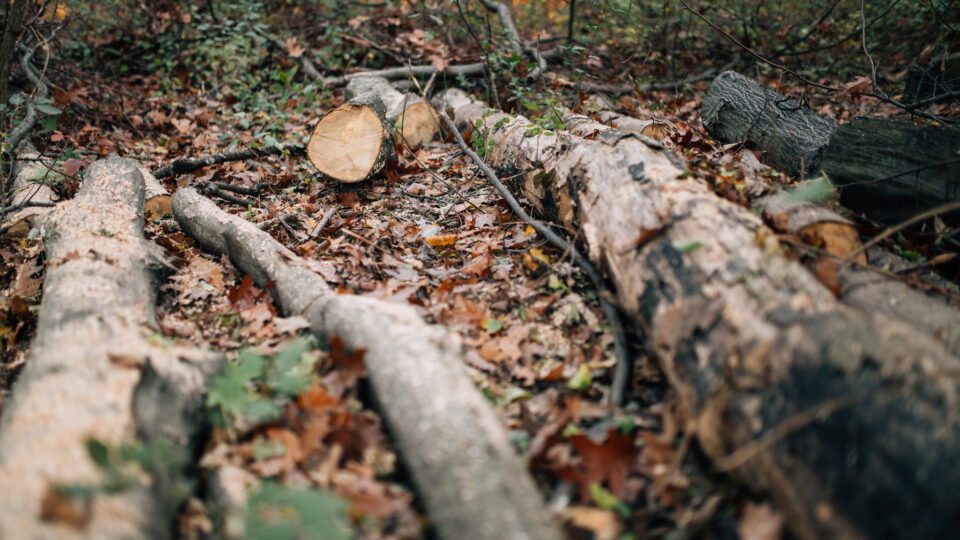
Deforestation is the purposeful clearing of forested land. Forests are cut down to make space for animal grazing, agriculture, and to obtain wood for fuel, manufacturing, and construction. Deforestation has greatly altered landscapes around the world and continues to do so today. 

Deforestation is the second largest contributor to global greenhouse gas emissions, trailing only fossil fuel use. Deforestation can lead to all sorts of problems, including biodiversity loss, soil erosion, desertification, and flooding.  Deforestation also threatens peoples’ livelihoods and increases inequality and conflict.

As a result, many companies around the world have made pledges to remove deforestation from their supply chains.  In fact, more than 94 companies had adopted zero-deforestation commitments by 2021.  But while these companies are talking the talk, they don’t seem to be walking the walk. 

According to a new study recently published in the journal Environmental Research Letters, companies’ deforestation-free supply chain pledges have barely impacted forest clearance in the Amazon. 

The research team from the University of Cambridge, Boston University, ETH Zurich, and New York University found corporate pledges to not purchase soybeans grown on land deforested after 2006 have only reduced tree clearance in the Brazilian Amazon by 1.6% between 2006 and 2015.  The researchers found that if these pledges had been implemented, the current levels of deforestation in Brazil could be reduced by approximately 40%.  

According to the research team, the findings of the study indicate that private sector efforts are not enough to stop deforestation. Political leadership will also be vital to forest conservation efforts.

**********

Web Links

Companies’ ‘deforestation-free’ supply chain pledges have barely impacted forest clearance in the Amazon, researchers say

Photo, posted November 18, 2020, courtesy of Ivan Radic via Flickr.

Earth Wise is a production of WAMC Northeast Public Radio
Reshaping Our Planet | Earth Wise

July 12, 2022 By EarthWise Leave a Comment

Human activity is changing the planet

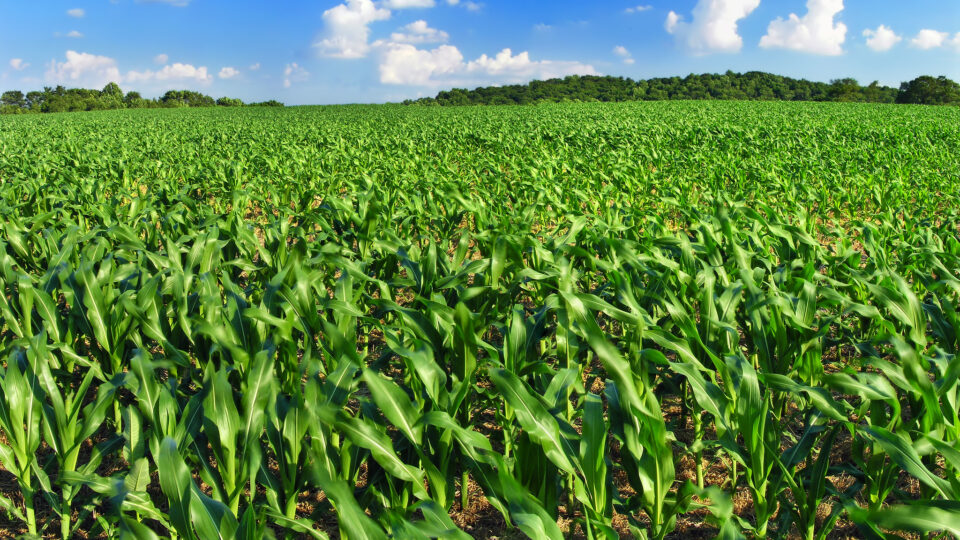
Human activity – especially agriculture – has altered 70% of the land on our planet.  According to a new report from the United Nations, damage to the Earth’s lands has put the planet on “crisis footing”.

Our health, our economy, and our well-being depend on land.  The food we eat, the water we drink, and the air we breathe all rely on status of the land to at least some extent.

According to the report, up to 40% of the planet’s land is already degraded, affecting half of the people alive today.  At current rates, an additional area nearly the size of South America will be degraded by 2050.

Degradation of land occurs in various ways, including deforestation, desertification, and the loss of wetlands or grasslands.  All of these things are caused by human activities.  As forests, savannas, wetlands, and mangrove swamps are converted to agriculture or are lost to urban expansion, greenhouse gas emissions rapidly increase, adding to the effects of climate change.  The climate crisis, biodiversity loss, and land degradation are integrally linked.

Much of the blame for degraded landscapes is on humanity’s ever-expanding need for food and the modern farming systems that produce it.  The global food system is responsible for 80% of the world’s deforestation, 70% of freshwater use, and is the greatest driver of land-based biodiversity loss.  Modern agriculture has altered the face of the planet more than any other human activity.

The report urges efforts at restoration of land.  Restoration can take multiple forms, including planting forests and shrubs or grazing livestock and growing crops between trees instead of clearing existing forests.

**********

Web Links

UN Report Says Humanity Has Altered 70 Percent of the Earth’s Land, Putting the Planet on a ‘Crisis Footing’

Photo, posted June 20, 2010, courtesy of Nicholas A. Tonelli via Flickr.

Earth Wise is a production of WAMC Northeast Public Radio.

Did People Create The Sahara Desert?

April 25, 2017 By EarthWise

https://earthwiseradio.org/wp-content/uploads/2017/04/EW-04-25-17-Did-People-Create-the-Sahara.mp3

One of the arguments some people make when discussing human causes of climate change is that people can’t cause such massive changes.  However, there is a long historical record of human-driven ecological and climatic change in Europe, North America and New Zealand, among other places.

[Read more…] about Did People Create The Sahara Desert?

Saving Saharan Oases

February 6, 2017 By EarthWise

https://earthwiseradio.org/wp-content/uploads/2017/02/EW-02-06-17-Saving-Saharan-Oases.mp3

An oasis is an isolated area of vegetation in a desert, typically surrounding a spring or similar water source such as a pond or a small lake.  Oases can provide habitat for animals as well as people.   Oases have long been essential for trade and transportation routes in desert areas; caravans typically travel via oases so that supplies of water and food can be replenished.

[Read more…] about Saving Saharan Oases

Primary Sidebar

Recent Episodes

  • An uninsurable future
  • Clean energy and jobs
  • Insect declines in remote regions
  • Fossil fuel producing nations ignoring climate goals
  • Trouble for clownfishes

WAMC Northeast Public Radio

WAMC/Northeast Public Radio is a regional public radio network serving parts of seven northeastern states (more...)

Copyright © 2026 ·