
• Skip to primary navigation
  • Skip to main content
  • Skip to primary sidebar

Earth Wise

A look at our changing environment.

  • Home
  • About Earth Wise
  • Where to Listen
  • All Articles
  • Show Search
Hide Search
You are here: Home / Archives for cost

cost

Averting a mass extinction

July 19, 2024 By EarthWise Leave a Comment

Averting a sixth mass extinction

There has been widespread concern that biodiversity is under siege and that we are in the beginnings of a sixth mass extinction in the long history of the Earth, this time caused by the actions of humanity.  There has been considerable debate about what can be done about it and solutions generally involve protecting large areas of the planet from human disruptions.  Some countries have set a target of protecting 30% of land and sea.

A new study by a broad coalition of conservation organizations and published in Frontiers in Science, concludes that humans can preserve much of the great diversity of life on Earth by setting aside just 1.2% of the planet for protection.

The experts mapped the wilderness available to rare and threatened plants and animals.  They then identified specific hotspots for rare wildlife that have yet to be protected.  They found a total of 16,825 such sites which nevertheless all together add up an area smaller than the state of Wisconsin.

Some scientists have been warning that by focusing too much on the size of protected lands, we are not necessarily safeguarding areas that are especially rich in wildlife.  The new study pushes for prioritizing hotspots for rare species, which the authors claim would be sufficient to stave off a sixth mass extinction.  The truth is that most species on Earth are rare, meaning that they are few in number or cover a small range, or both.

The study estimated that the cost of protecting the identified hotspot sites would be $263 billion, which is certainly a large amount of money.  But the authors point out that this sum to save global biodiversity is less than the yearly revenue of Shell Oil.

**********

Web Links

To Avert a Mass Extinction, Protect 1 Percent of Earth

Photo, posted April 20, 2018, courtesy of Per Harald Olsen / AfricanBioServices via Flickr.

Earth Wise is a production of WAMC Northeast Public Radio

Benefits of electric school buses

July 1, 2024 By EarthWise Leave a Comment

Converting to electric school buses

There are about half a million school buses in use in the U.S.  A large number of them are older, highly polluting diesel buses.  There are well-established health and climate benefits of switching from diesel vehicles to electric vehicles but making the switch is expensive.  Diesel buses generally cost between $65,000 to $120,000, depending on the type and configuration.  Electric buses cost about $250,000 each.

The substantial cost makes it a difficult decision for local, state, and federal officials, particularly since the actual magnitude of the benefits is not well known.

A new study by researchers at Harvard’s T.H. Chan School of Public Health has quantified these benefits.  According to the study, replacing each bus may yield up to $247,600 in climate and health benefits. These benefits derive from fewer greenhouse gas emissions and from reduced rates of adult mortality and childhood asthma. 

The study compared the amounts of carbon dioxide emitted from diesel bus tailpipes to the emissions associated with generating electricity for the buses and producing their batteries.  It also compared how these respective emissions contribute to fine particulate air pollution, which is linked to adult mortality and the onset of childhood asthma.  The study concluded that particularly in dense urban settings, the savings incurred from electrifying older school buses easily outweigh the costs of replacing them.

An important question not tackled in the study is how electric school buses impact children’s exposure to in-cabin air pollution while riding the bus.  This issue could further inform policy decisions.

**********

Web Links

Electric school buses may yield significant health and climate benefits, cost savings

Photo, posted May 9, 2008, courtesy of Christine H. via Flickr.

Earth Wise is a production of WAMC Northeast Public Radio
Minerals from seawater

June 27, 2024 By EarthWise Leave a Comment

Using the minerals from desalination plants

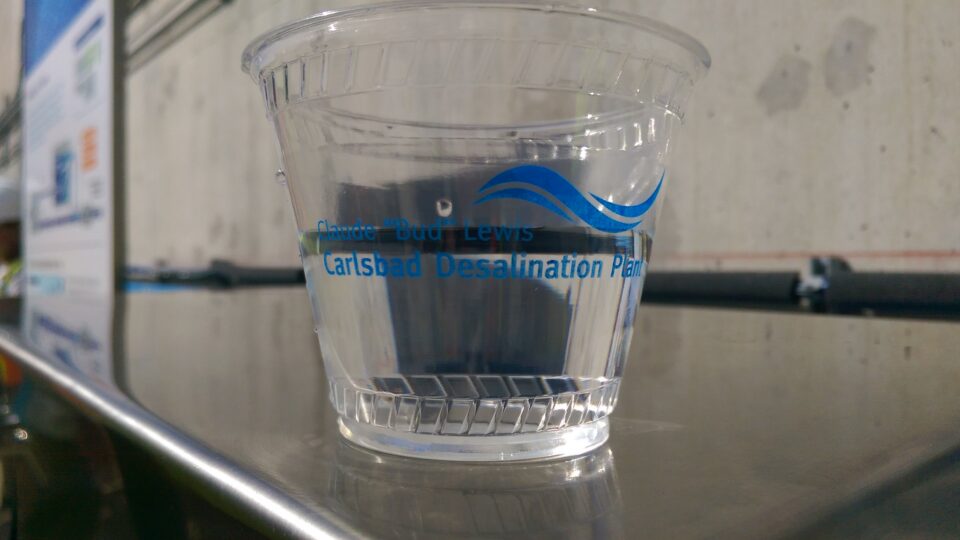
There are about 18,000 desalination plants around the world that take in 23 trillion gallons of water each year.  The plants produce more than 37 billion gallons of brine – enough to fill 50,000 Olympic-size swimming pools – every day.  Disposing of this brine is an ongoing challenge.  Dumping it into the ocean can damage marine ecosystems.  Inland desalination plants either bury this waste or inject it into wells, adding further cost and complexity to the already expensive process of desalination.

According to researchers at Oregon State University, this waste brine contains large amounts of copper, zinc, magnesium, lithium, and other valuable metals.  A company in Oakland, California called Magrathea Metals has started producing modest amounts of magnesium from waste brine in its pilot projects.  With support from the U.S. Defense Department, it is building a larger-scale facility to produce hundreds of tons of the metal over two to four years. 

Most of the world’s magnesium supply comes from China, where producing it requires burning lots of coal and utilizing lots of labor.  Magrathea’s brine mining makes use of off-peak wind and solar energy and is much less labor intensive.

No large-scale brine mining operations currently exist and when there are some, they might end up having negative environmental impacts.  But in principle, the process should produce valuable metals without the massive land disturbance, acid-mine drainage, and other pollution associated with traditional mining.  Brine mining could turn a growing waste problem into a valuable resource.

**********

Web Links

In Seawater, Researchers See an Untapped Bounty of Critical Metals

Photo, posted February 18, 2017, courtesy of Jacob Vanderheyden via Flickr.

Earth Wise is a production of WAMC Northeast Public Radio
Recycling cement

June 21, 2024 By EarthWise Leave a Comment

Recycling concrete may have a future

Concrete is the second-most-used material on the planet.  Only water is used more.  Producing concrete is responsible for 7.5% of human-produced carbon dioxide emissions.  So, finding a cost-effective way to reduce these emissions is a major challenge in the face of ever-growing global demand for concrete.

Researchers at Cambridge University have found that used cement is an effective substitute for lime flux, which is an essential material used in steel recycling that results in a waste product called slag.  When lime is replaced with used cement, the end product instead is recycled cement that can be used to make new concrete.

The process does not add any significant costs to concrete or steel production and significantly reduces the emissions associated with both.

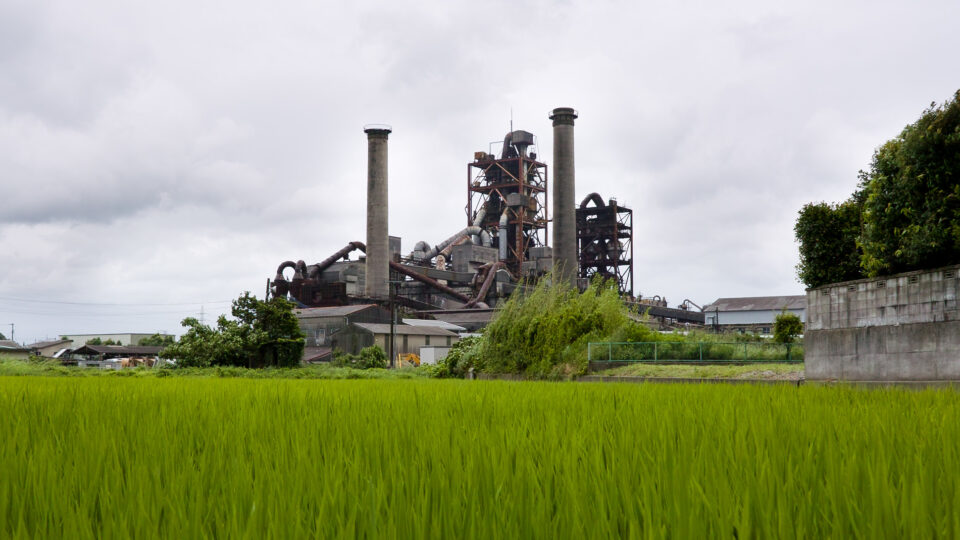
Concrete is made from sand, gravel, water, and cement.  Cement is made by a process called clinkering, in which limestone and other materials are heated to 2,600 degrees Fahrenheit.  The process converts the materials into cement but releases large amounts of CO2 as limestone decarbonates into lime. 

Cambridge researchers found that using cement clinker and iron oxide instead of lime works well in steel recycling.  Crushing old concrete and taking out the sand and stone results in a cement that is reactivated by the recycling furnace to produce a material with excellent properties. 

Recent tests by the Materials Processing Institute showed that recycled cement can be produced at scale in an electric arc furnace.  Ultimately, this method could produce zero emission cement if the electricity for the furnace comes from renewable sources.

**********

Web Links

Cement recycling method could help solve one of the world’s biggest climate challenges

Photo, posted July 18, 2011, courtesy of Kenta Mabuchi via Flickr.

Earth Wise is a production of WAMC Northeast Public Radio

Climate change lawsuits

May 7, 2024 By EarthWise Leave a Comment

For the better part of a decade, there have been lawsuits against fossil fuel companies for their actions related to climate change.  The Center for Climate Integrity, a nonprofit that provides legal support to communities suing oil companies, has tracked 32 cases filed by state attorneys general, cities, counties, and tribal nations against companies including Exxon Mobil, BP, and Shell.

There has been extensive news reporting about oil companies’ efforts to undermine the scientific consensus about the climate as well as revelations about oil companies hiding their own research over decades projecting the dangers of climate change.

Oil companies have long sought to shut down the lawsuits or move them from the state courts where they were filed to federal courts where they believe national regulations could override local governments’ claims against them.  But a string of circuit court and U.S. Supreme Court decisions have ruled that the cases alleging violations of state laws do belong in state courts. 

The first case to reach trial will likely be a Massachusetts case against Exxon Mobil and that could happen as soon as next year.

What do these lawsuits seek?  Some seek to force oil companies to pay for the past and future damages caused by climate change that are costing states and communities billions of dollars.  Others seek to stop defendants from making false and misleading statements about the effects of burning fossil fuels, from greenwashing their own activities, and to fund corrective education campaigns.

The first trials could lead to a tidal wave of new cases, similar to what happened in the 1990s when tobacco companies were forced to pay billions of dollars under legal settlements.

**********

Web Links

After a long slog, climate change lawsuits will finally put Big Oil on trial

Photo, posted August 18, 2021, courtesy of Chad Davis via Flickr.

Earth Wise is a production of WAMC Northeast Public Radio

The cost of methane emissions

April 26, 2024 By EarthWise Leave a Comment

Stanford University-led research has determined that American oil and gas operations are emitting more than 6 million tons of methane each year.  The emissions come from both intentional vents and unintentional leaks. 

Methane is the main component of natural gas and losing that much of it through leakage is costing the industry a billion dollars a year just in lost revenue.  Adding in the harm to the economy and human well-being caused by adding this much potent greenhouse gas to the atmosphere is estimated to increase the cost of these emissions to $10 billion a year.

These emission and cost estimates are roughly three times the level predicted by the U.S. government.  The Stanford numbers are based on roughly a million aerial measurements of wells, pipelines, storage, and transmission facilities in six of the nation’s most productive oil and gas regions located in Texas, New Mexico, California, Colorado, Pennsylvania, and Utah.  These areas account for 52% of U.S. onshore oil production and 29% of gas production.

The survey also found that fewer than 2% of the methane emitters are responsible for 50-80% of emissions in four of the regions.  It also found that midstream infrastructure – which includes gathering and transmission pipelines, compressor stations, and gas processing plants – is responsible for about half of total emissions.

While the federal government estimates that methane leakage averages about 1% of gas production, the new survey puts the number at 3%, and some regions lose almost 10% to leakage.

Better tracking and fixing these leaks – especially the larger ones –  is essential for climate change mitigation.

**********

Web Links

Methane emissions from U.S. oil and gas operations cost the nation $10 billion per year

Photo, posted June 5, 2015, courtesy of Dave Houseknecht / USGS via Flickr.

Earth Wise is a production of WAMC Northeast Public Radio

Wireless car charging

April 17, 2024 By EarthWise Leave a Comment

Wireless car charging is being developed

It’s increasingly common to see cars hooked up to charging cables in shopping centers, rest stops, and dedicated charging stations.  Charging electric cars is easy to do, just like charging phones and laptop computers.  These days, it is pretty common to charge phones without using any charging cable at all because of the availability of wireless charging technology.  The same thing may well happen with electric cars.

A team of researchers at Oak Ridge National Laboratory has successfully demonstrated wireless charging of electric cars with high efficiency and fairly fast charging speed.

The patented system was used to charge up a Hyundai Kona EV using electromagnetic fields, which is essentially how phone chargers work.  The technology makes use of a polyphase electromagnetic coupling coil, which is lightweight and small.  Rotating magnetic fields generated in the coil’s windings boost the power available.  The system provided 100-kW of power with 96% efficiency.  That isn’t as powerful as the fastest high-speed charging stations, but it is considerably more than any home charging solution can provide.  For many vehicles, such a charger could provide 50% battery capacity in less than 20 minutes.

Battery technology continues to improve leading to larger capacity, faster charging, longer battery life, and lower cost.  At some point, charging up an electric car will take no more time than pumping gas.

The Oak Ridge researchers consider this development to be a breakthrough achievement that could open the door to fast and efficient wireless charging for electric passenger vehicles.  One could imagine having the ability to drive up to a charging spot and charging up the battery without even getting out of the car. 

**********

Web Links

Charging up the commute

Photo, posted July 12, 2021, courtesy of Chris Yarzab via Flickr.

Earth Wise is a production of WAMC Northeast Public Radio

Cyber protection for apple orchards

April 2, 2024 By EarthWise Leave a Comment

How best to protect apple orchards as weather changes

Spring frosts represent a real danger for apple orchards.  The changing climate has brought about periods of unusually warm weather at times early in the year that have caused trees and other flowering plants to bloom early.  For apple growers, this has made their orchards more susceptible to the damaging effects of extreme cold events.

Apple growers attempt to prevent this damage by heating the canopies of their orchards, but these efforts tend to be inefficient.  Applying heat is one of the most effective methods to prevent apple flower bud damage, but it is difficult to determine when and where to apply heat in orchards.

Researchers at Penn State University have developed a frost-protection cyber-physical system that autonomously makes heating decisions based on real-time temperature and wind-direction data.  Their system includes a temperature-sensing device, a propane-fueled heater that adjusts the direction where it provides heat, and an unmanned ground vehicle that moves the system through an apple orchard.

The results of tests of the system were published in the journal Computers and Electronics in Agriculture, and the findings show that it greatly reduced damage to apple tree buds in tests conducted at low temperatures, doubling or tripling the amount of time that trees were protected.

The equipment used for the study mostly consisted of off-the-shelf parts and cost about $5,000, most of which was for the vehicle.   The researchers envision that even a very large orchard could be protected by multiple units guided by an aerial drone monitoring canopy temperatures. Further research will aim to bring the technology to point where it can enter the marketplace and be available to apple growers.

**********

Web Links

Cyber-physical heating system may protect apple blossoms in orchards

Photo, posted September 6, 2017, courtesy of Sue Thompson via Flickr.

Earth Wise is a production of WAMC Northeast Public Radio
Ending plastic separation anxiety

December 27, 2023 By EarthWise Leave a Comment

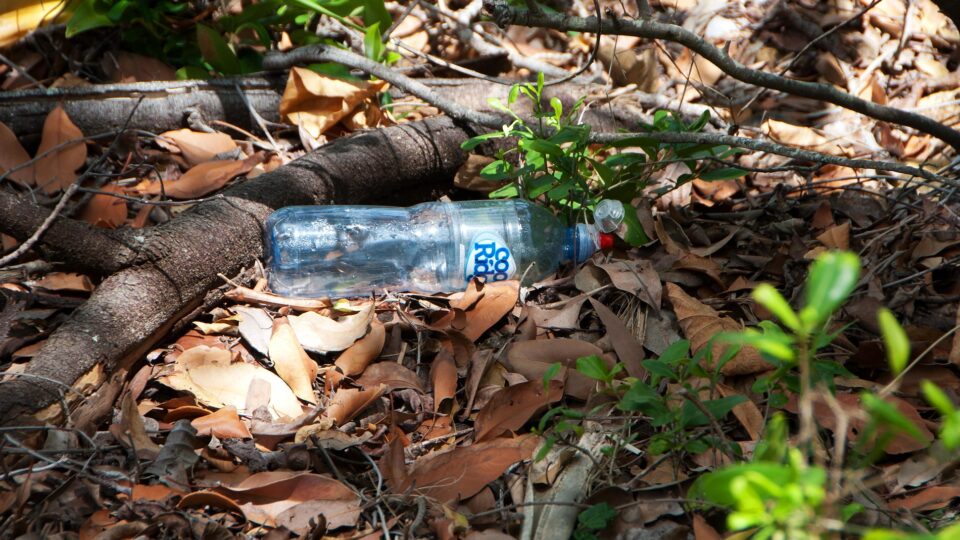
Petroleum-based plastics are one of the biggest environmental problems we face.  They mostly end up in landfills – or worse, in the oceans and elsewhere in the environment – and they basically don’t decompose over time.  Bio-based plastics were invented to help solve the plastic waste crisis.  These materials do break down in the environment providing a potential solution to the problem.  But it turns out that they can actually make plastic waste management even more challenging.

The problem is that bioplastics look and feel so similar to conventional plastics that they get mixed in with the petroleum-based plastics rather than ending up in composters, where they can break down as designed.

Mixtures of conventional and bioplastics end up in recycling streams where they get shredded and melted down, resulting in materials that are of very poor quality for making functional products.  The only solution is to try to separate the different plastics at recycling facilities, which is difficult and expensive to do.

Scientists at Lawrence Berkeley National Laboratory, the Joint BioEnergy Institute, and the incubator company X have invented a simple “one pot” process to break down mixtures of different types of plastic using naturally derived salt solutions and specialized microbes and then produce a new type of biodegradable polymer that can be made into fresh commodity products.

The team is experimenting with various catalysts to find the optimum way to break down polymers at the lowest cost and are modeling how their processes can work at the large scales of real-world recycling facilities. Chemical recycling of plastics is a hot topic but has been difficult to make happen economically at the commercial scale.

**********

Web Links

Putting an End to Plastic Separation Anxiety

Photo, posted November 28, 2016, courtesy of Leonard J Matthews via Flickr.

Earth Wise is a production of WAMC Northeast Public Radio

Актуальная ссылка на Мега сайт обеспечивает удобный и быстрый доступ к площадке.

Electricity from chicken feathers

December 4, 2023 By EarthWise Leave a Comment

The food industry generates enormous amounts of waste and by-products.  Each year, 40 million tons of chicken feathers are incinerated, causing adverse environmental effects.  Not only does it release large amounts of carbon dioxide but also produces toxic gases such as sulfur dioxide.

Researchers at ETH Zurich in Switzerland and Nanyang Technological University in Singapore have developed a way to put chicken feathers to good use by using them to make fuel cells more cost-effective and sustainable.

Using a simple and environmentally friendly process, they extract the keratin from the feathers.  Keratin is the protein that helps form hair, nails, the outer layer of skin, and feathers.  The extracted keratin is then converted into ultra-fine fibers known as amyloid fibrils.  The keratin fibrils are used in the membrane of a fuel cell.

Fuel cells generate clean energy from hydrogen and oxygen with only heat and water as byproducts.  At the heart of every fuel cell is a semipermeable membrane that allows protons to pass through but blocks electrons, thereby producing an electric current.  Fuel cells are the primary way hydrogen is used to directly generate electricity.  Hydrogen cars run on fuel cells.

Conventional fuel cells typically use membranes made from highly toxic chemicals.  The new ETH membranes essentially replace these toxic substances with biological keratin. 

The researchers are investigating how stable and durable their keratin membrane is and to improve it if necessary.  The team has already applied for a joint patent and is looking for partners and investors to further develop the technology and bring it to market.

**********

Web Links

Generating clean electricity with chicken feathers

Photo, posted July 10, 2016, courtesy of Matthew Bellemare via Flickr.

Earth Wise is a production of WAMC Northeast Public Radio
Who wins: Wind or solar?

November 27, 2023 By EarthWise Leave a Comment

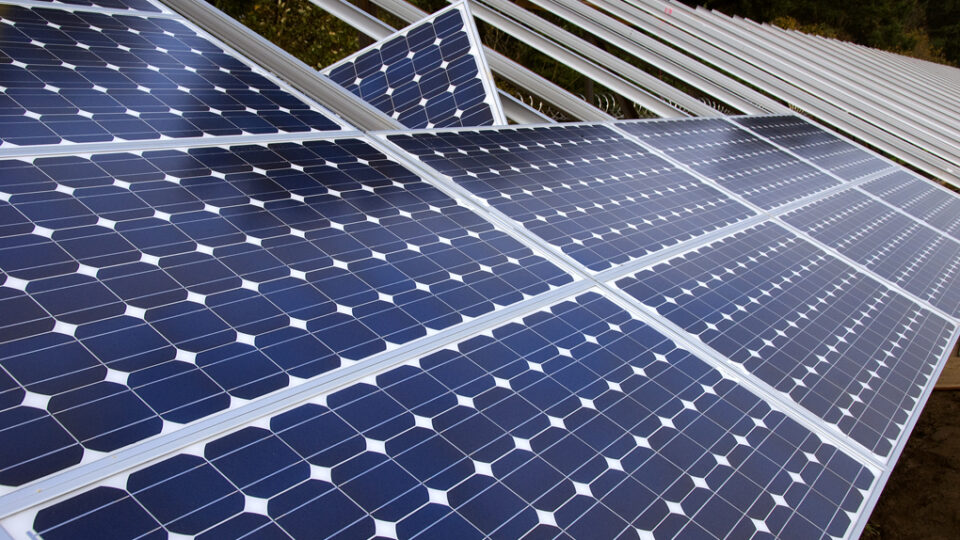
A new study by the University of Exeter in the UK suggests that the world may have crossed a tipping point that will inevitably make solar power our main source of energy.  This data-driven model of technology seems to fly in the face of the current situation in which wind power contributes considerably more generation than solar power – by a factor of 3 in the U.S. and nearly double worldwide.

Wind and solar power both have advantages and disadvantages.  Solar power is quiet, requires little maintenance, and presents little danger to wildlife.  It is also practical for individual homes.  Residential wind power is not really a viable option for most people in most places.  But on the other hand, wind energy can produce more power than solar, can work both day and night, and can be located offshore far away from people.  On land, both wind and solar power take up lots of space and compete with other land use needs as well as countering people’s aesthetic preferences.

Both technologies continue to get cheaper over time, although solar has especially seen significant cost reductions.  The cost of solar power, which is already the cheapest form of electricity production, is estimated to fall to as low as $20 per megawatt hour over time from the current level of $40 per megawatt hour.

Wind and solar energy are on track to account for more than a third of the world’s electricity by 2030, according to the Rocky Mountain Institute.  Despite the predictions of various studies and the ambitions of specific technologies, it seems likely that wind and solar power will both play an expanding role in our energy systems for a long time to come.

**********

Web Links

World may have crossed solar power ‘tipping point’

Photo, posted November 22, 2008, courtesy of Oregon Department of Transportation via Flickr.

Earth Wise is a production of WAMC Northeast Public Radio
Moisture swing carbon capture

November 10, 2023 By EarthWise Leave a Comment

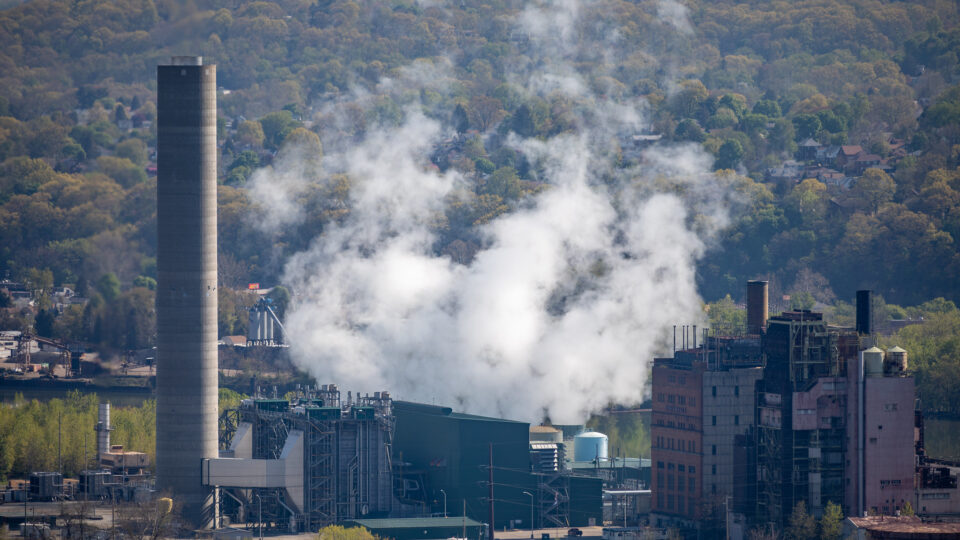
As the world grapples with limiting the amount of carbon dioxide in the atmosphere, there is a growing need to capture the carbon dioxide that is emitted as well as preventing it from being emitted in the first place.  Carbon capture can be accomplished at the source of emissions (such as power plants) or it can be done by taking it out of the atmosphere.  The latter is called “direct air capture”.

It is not at all clear whether direct air capture can be accomplished on a scale that would really make a difference and at an acceptable cost either in dollars or energy expended.  But if it can be done that way, it would be a major tool in combatting climate change.

Direct air capture technology generally makes use of sorbent materials whose capacity to capture carbon dioxide and later release it is a function of temperature.  The process requires significant amounts of energy to release the carbon dioxide that has been captured. 

New research from Northwestern University makes use of the “moisture-swing” technique which uses materials whose ability to capture and release carbon dioxide depends on humidity rather than temperature.  While it takes some amount of energy to humidify the volume of air containing the sorbent material, it is very small compared to temperature-driven systems. 

There are many groups working with moisture-swing technology, but the Northwestern Group has identified a number of new sorbent materials with superior properties.

The fundamental questions of scalability and cost remain, but moisture-swing is a promising approach to direct air capture.  If carbon dioxide can be pulled out of the atmosphere in large volumes, it can be concentrated and stored or converted into useful products.

*********

Web Links

Pulling carbon dioxide right out of the air

Photo, posted May 15, 2020, courtesy of James Watt via Flickr.

Earth Wise is a production of WAMC Northeast Public Radio

Geologic Hydrogen | Earth Wise

October 20, 2023 By EarthWise Leave a Comment

Exploring geologic hydrogen

There is great interest in the potential use of hydrogen as a fuel or an energy storage medium.  Unlike hydrocarbon-based fuels, pure hydrogen combustion produces nothing but water as an emission.  But most hydrogen used at present is made by reforming natural gas, which is a process that results in carbon dioxide emissions.  Thus, the search goes on for cost-effective and energy-efficient ways to make “green hydrogen” that doesn’t result in greenhouse gas emissions.

Researchers at Colorado University Boulder are investigating the potential effectiveness of coaxing hydrogen from subterranean rocks – a commodity known as geologic hydrogen.

When water mixes with iron-rich minerals deep in the earth’s crust, ensuing chemical reactions can generate pockets of hydrogen gas. 

The questions are whether it is possible to bring these deposits up to the surface without harming the environment or human communities in the process and whether they can be extracted in large enough quantities to meet growing global energy demands.

The Colorado researchers will conduct experiments both in the lab and hundreds of meters below the earth’s surface to see if it is possible to induce the subterranean rock to make more hydrogen than it normally does.  If the hydrogen-producing reactions can be accelerated, then geologic hydrogen could become a clean and abundant energy source.

Geologists have known about hidden underground deposits of hydrogen for a long time, but recent research has found that there may be a lot more of it than once thought.  According to a 2022 report by the US Geological Survey, there may be enough hydrogen below ground to supply humanity’s need for fuel for hundreds of years.

**********

Web Link

Can rocks produce abundant clean energy? New project to explore

Photo, posted December 26, 2013, courtesy of Juozas Šalna via Flickr.

Earth Wise is a production of WAMC Northeast Public Radio

Storing Energy In Abandoned Mines | Earth Wise

October 10, 2023 By EarthWise Leave a Comment

Using abandoned mines to store energy

An international study led by researchers from Austria has developed a novel way to store energy by transporting sand into abandoned underground mines.  The technique is called Underground Gravity Energy Storage or UGES.

As the world deploys growing amounts of wind and solar energy, it is increasingly important to find ways to accessibly and efficiently store that energy to eliminate the inherent variability of the generation.  There are many ways to store energy on a short-term basis – most commonly in batteries – but cost-effective long-term storage is still in its early stages.

The UGES technique generates electricity by lowering sand into an underground mine thereby converting the potential energy of the sand into electricity by the same regenerative braking effect used in hybrid and electric cars.  The lowering sand operates a generator.   Storing energy is accomplished by lifting the sand from the mine with electric motors to an upper reservoir where it is ready for the next cycle.  By its nature, this storage technique has an indefinite duration, unlike batteries, for example, which lose energy to self-discharge.

The main components of UGES are the mineshaft, motor/generator, sand storage sites, and mining equipment.  The deeper and broader the mineshaft, the more power can be extracted from the plant, and the larger the mine, the more energy can be stored. Mines generally already have the basic infrastructure needed and are connected to the power grid.  The researchers estimate that there is global potential of 7 to 70 TWh of storage. Total global generating capacity is currently at the lower end of that range.

**********

Web Links

Turning abandoned mines into batteries

Photo, posted October 21, 2020, courtesy of Christine Warner-Morin via Flickr.

Earth Wise is a production of WAMC Northeast Public Radio

Paper Cups Are Not So Great | Earth Wise

October 4, 2023 By EarthWise Leave a Comment

Paper cups are not as innocent as they seem

The environmental cost of plastic waste is a highly visible global issue.  The response has been a growing effort to replace plastic items with alternative materials.  One very visible change of this sort has been the replacement of plastic cups with paper cups at coffee shops.  But a new study at the University of Gothenburg in Sweden has found that this solution has problems of its own.

Researchers studied the effects of disposable cups in the environment on the larvae of the butterfly mosquito.  They placed disposable cups made from different materials in wet sediment and water for a few days and observed how the chemicals leached from the cups affected the growth of the larvae.  It turned out that all of the different kinds of cups had negative effects.  The concern is not specifically about mosquito larvae; it is the fact that more environmentally friendly drinking cups are still potentially harmful to living things.

Paper is neither fat nor water resistant, so paper cups need to be treated with a surface coating.  The most common coating is polylactide, which is a type of bioplastic.  It is generally considered to be biodegradable, but the study shows that it can still be toxic.  Bioplastics still contain many different chemicals and the potential toxicity of each of them is not well known.

The UN is trying to develop a binding agreement by the world’s countries to end the spread of plastics in society and nature.  For such an agreement to be effective, the plastics industry will need to clearly report what chemicals all products contain, including such mostly invisible products as the coating on paper drinking cups.

**********

Web Links

Paper cups are just as toxic as plastic cups

Photo, posted October 23, 2016, courtesy of Flickr.

Earth Wise is a production of WAMC Northeast Public Radio
Recycling Solar Panels | Earth Wise

September 29, 2023 By EarthWise Leave a Comment

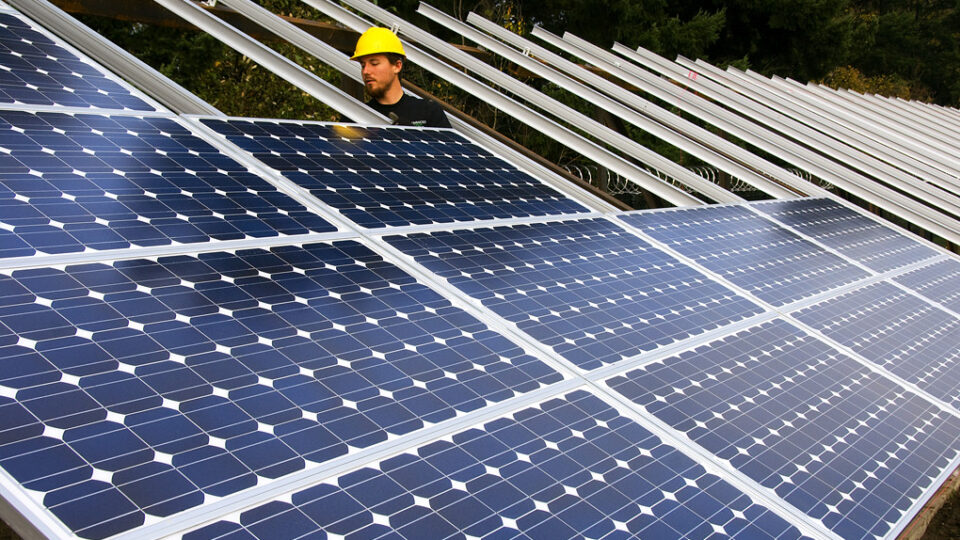
Solar panels generally have a useful life of around 20 to 25 years.  The great majority of deployed panels have been installed fairly recently, so they have a long way to go.  But the growth in solar technology dates back to the 1990s, so there are growing number of panels that have already or are shortly coming to their end-of-life.

Today, roughly 90% of solar panels that have lost their efficiency due to age, or that are defective, end up in landfills because recycling them is too expensive.  Nevertheless, solar panels contain valuable materials, including silver, copper, and crystalline silicon, as well as lower-value aluminum and glass. 

The rapid growth of solar technology means that in the coming years, large numbers of retired solar panels will enter the waste stream.  The area covered by solar panels that are due to be retired by 2030 in the U.S. alone would cover about 3,000 football fields.  Clearly, more cost-effective recycling methods are sorely needed.

Engineers at the University of New South Wales in Sydney Australia have developed a new, more effective way of recycling solar panels that can recover silver at high efficiency.  The panel frames and glass are removed leaving just the solar cells themselves.  The cells are then crushed and sieved in a vibration container that effectively separates 99% of the materials contained in them.

Silver is the most valuable material contained in solar cells.  The Australian researchers estimate that between 5 and 10 thousand tons of silver could potentially be recycled from retired solar panels by the year 2050.  But even the other materials contained in solar panels are well worth recovering if it can be done cost-effectively.

**********

Web Links

New environmentally friendly solar panel recycling process helps recover valuable silver

Photo, posted November 22, 2008, courtesy of Oregon Department of Transportation via Flickr.

Earth Wise is a production of WAMC Northeast Public Radio

The Cost Of Invasive Species | Earth Wise

September 27, 2023 By EarthWise Leave a Comment

According to a new report published by the Intergovernmental Science-Policy Platform on Biodiversity and Ecosystem Services for the United Nations, invasive species introduced to new ecosystems around the world are causing more than $423 billion in estimated losses to the global economy every year.  These economic costs are incurred by harming nature, damaging food systems, and threatening human health.

According to the report, these costs have at least quadrupled every decade since 1970 and the estimates are actually conservative because it’s difficult to account for all of the effects of invasive species.

The report estimates that humans have intentionally or unintentionally introduced more than 37,000 species to places outside their natural ranges.  More than 3,500 of them are considered invasive because they are harmful to their new ecosystems.  Invasive nonnative species were a major factor in 60% of known extinctions of plants and animals.

Some species are relocated deliberately by the wildlife trade and international shipping.  Other plants and animals end up hitching a ride with ordinary travelers as they move about by car, boat, plane, or train. 

Invasions can damage human health.  Mosquitos that transmit diseases like malaria, dengue fever, and the Zika virus have become invasive around the world. The wildfires in Hawaii this summer were fueled by invasive nonnative grasses in a warming climate. 

Nearly every country in the world has agreed to participate in a sweeping agreement to preserve biodiversity and reduce invasive species.  It is an essential global goal.

**********

Web Links

Invasive Species Are Costing the Global Economy Billions, Study Finds

Photo, posted June 2, 2022, courtesy of Sam Stukel (USFWS) via Flickr.

Earth Wise is a production of WAMC Northeast Public Radio
Better Plastic Recycling | Earth Wise

September 14, 2023 By EarthWise Leave a Comment

Developing a better way to recycle plastics

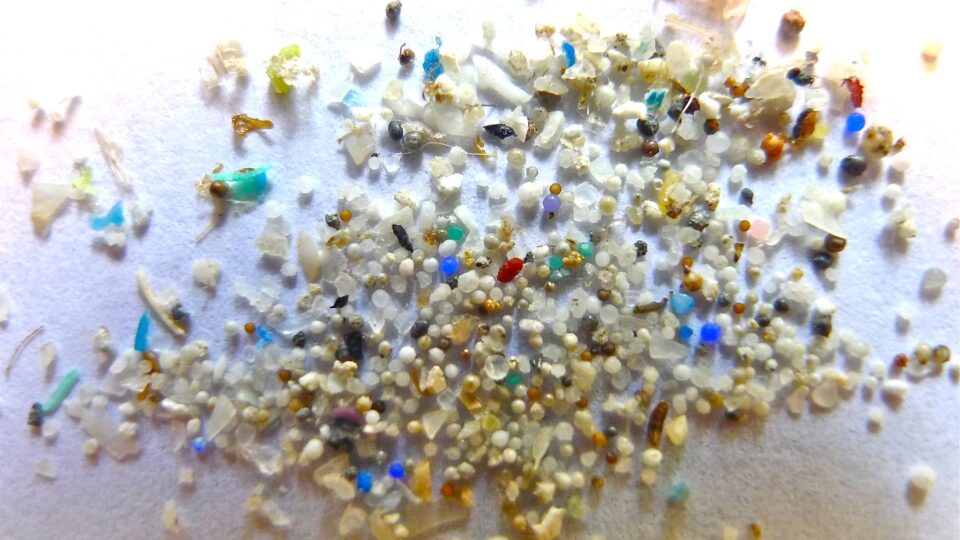
Many of us are careful to put our plastic trash into the appropriate recycling bins hoping that we are helping to stem the global tide of plastic waste.  But many plastics are not recyclable at all and recycling those that are is not even always a good thing.  Breaking down plastics can generate polluting microplastics that are themselves a major environmental problem.  And perhaps the biggest problem for recycling efforts is that they are not cost effective and generally incur huge losses.

Chemical engineers at the University of Wisconsin-Madison recently published a study in the journal Nature outlining a new technique for turning low-value waste plastic into high-value industrial chemicals. 

The technique makes use of two existing chemical processing techniques.  The first is pyrolysis, which is high-temperature heating in an oxygen-free environment.  Heating waste plastic in this way produces pyrolysis oil, a liquid mix of various compounds that includes large amounts of olefins.  Olefins are simple hydrocarbons that are a central building block of many chemicals and polymers.  Olefins are most often produced by energy-intensive processes like steam cracking of petroleum. 

The UW-Madison process takes the olefins and subjects them to a process called homogenous hydroformylation catalysis, which converts them into aldehydes, which can then be further reduced into important industrial chemicals. 

The payoff is that the process can take waste plastics, which are only worth about $100 a ton, and turn them into high-value chemicals worth $1,200-$6,000 a ton.  If the process can be optimized and otherwise made ready for industrial-scale use, it would be a real game-changer in the battle against plastic waste.

**********

Web Links

New recycling process could find markets for ‘junk’ plastic waste

Photo, posted September 16, 2015, courtesy of Oregon State University via Flickr.

Earth Wise is a production of WAMC Northeast Public Radio

The Enormous Cost Of Steel Corrosion | Earth Wise

February 28, 2023 By EarthWise Leave a Comment

Global steel production has been rising for decades.  Because steel corrodes over time, part of the demand for more steel comes from the need to replace the steel used in construction materials – in everything from bridges to cars – that has become corroded over time.  Studies have estimated that the economic cost of corrosion is an astonishing 3 to 4% of a nation’s gross domestic product.  Globally, this means that steel corrosion costs the world trillions – yes, trillions with a T – of dollars each year.

On top of the staggering economic impact of corrosion, there is the fact that steel production is one of the largest greenhouse gas emitters of any industry, accounting for more than 25% of all manufacturing sector carbon emissions.  In fact, steel manufacturing causes over 10% of total global carbon emissions.  

As a result of regulations placed on the steel industry, technological advances in the steelmaking process have resulted in a 61% reduction in the industry’s energy consumption over the last 50 years.   There are continuing efforts to reduce the energy consumption of steel making and to move away from the use of fossil fuels to produce the needed energy.  But without significant improvements, just the emissions associated with replacing corroded steel could make the goals set by the Paris Climate Agreement unfeasible.

It’s hard to believe that something costing the world trillions of dollars and has a major negative impact on the climate is largely invisible.  Steel corrosion is an enormous societal challenge that has gone under the  radar for decades and therefore has not received anything like the attention it deserves.

**********

Web Links

Reducing steel corrosion vital to combating climate change

Photo, posted July 24, 2008, courtesy of Phil Whitehouse via Flickr.

Earth Wise is a production of WAMC Northeast Public Radio

Harvesting Fresh Water From Ocean Air | Earth Wise

January 19, 2023 By EarthWise Leave a Comment

Researchers have developed a method to harvest drinking water from ocean air

Roughly three-quarters of the world population has access to a safely managed water source.  That means that one-in-four people do not have access to safe drinking water.  Even in the wealthy United States, persistent drought in the west is creating problems in places like Phoenix, Arizona.

Water is plentiful on Earth but more than 99% of it is unusable by humans and many other living things because it is saline, frozen, or inaccessible.  Only about 0.3% of our fresh water is found in the surface water of lakes, rivers, and swamps.

There is an almost limitless supply of fresh water in the form of water vapor above the oceans, but this source is untapped.  Researchers at the University of Illinois have been evaluating the feasibility of a hypothetical structure capable of capturing water vapor from above the ocean and condensing it into fresh water.

Existing ways to obtain fresh water like wastewater recycling, cloud seeding, and desalination have met only limited success and present various problems with regard to cost, environmental impact, and scalability.

The researchers have proposed hypothetical large offshore structures measuring 700 feet by 300 feet to capture water vapor that is continually evaporating from the ocean in subtropical regions.   Their modeling concluded that such structures could provide fresh water for large population centers in the subtropics.  Furthermore, climate projections show that the amount of water vapor over the oceans will only increase over time, providing even more fresh water supply.

This is only a theoretical study at this point, but the researchers believe it opens the door for novel infrastructure investments that could address global water scarcity.

**********

Web Links

Researchers propose new structures to harvest untapped source of fresh water

Photo, posted June 28, 2009, courtesy of Nicolas Raymond via Flickr.

Earth Wise is a production of WAMC Northeast Public Radio

  • « Go to Previous Page
  • Page 1
  • Page 2
  • Page 3
  • Page 4
  • Interim pages omitted …
  • Page 7
  • Go to Next Page »

Primary Sidebar

Recent Episodes

  • An uninsurable future
  • Clean energy and jobs
  • Insect declines in remote regions
  • Fossil fuel producing nations ignoring climate goals
  • Trouble for clownfishes

WAMC Northeast Public Radio

WAMC/Northeast Public Radio is a regional public radio network serving parts of seven northeastern states (more...)

Copyright © 2026 ·