• Skip to primary navigation
  • Skip to main content
  • Skip to primary sidebar

Earth Wise

A look at our changing environment.

  • Home
  • About Earth Wise
  • Where to Listen
  • All Articles
  • Show Search
Hide Search
You are here: Home / Archives for continents

continents

A hidden global water crisis

September 10, 2025 By EarthWise Leave a Comment

The globe is losing groundwater at an alarming rate

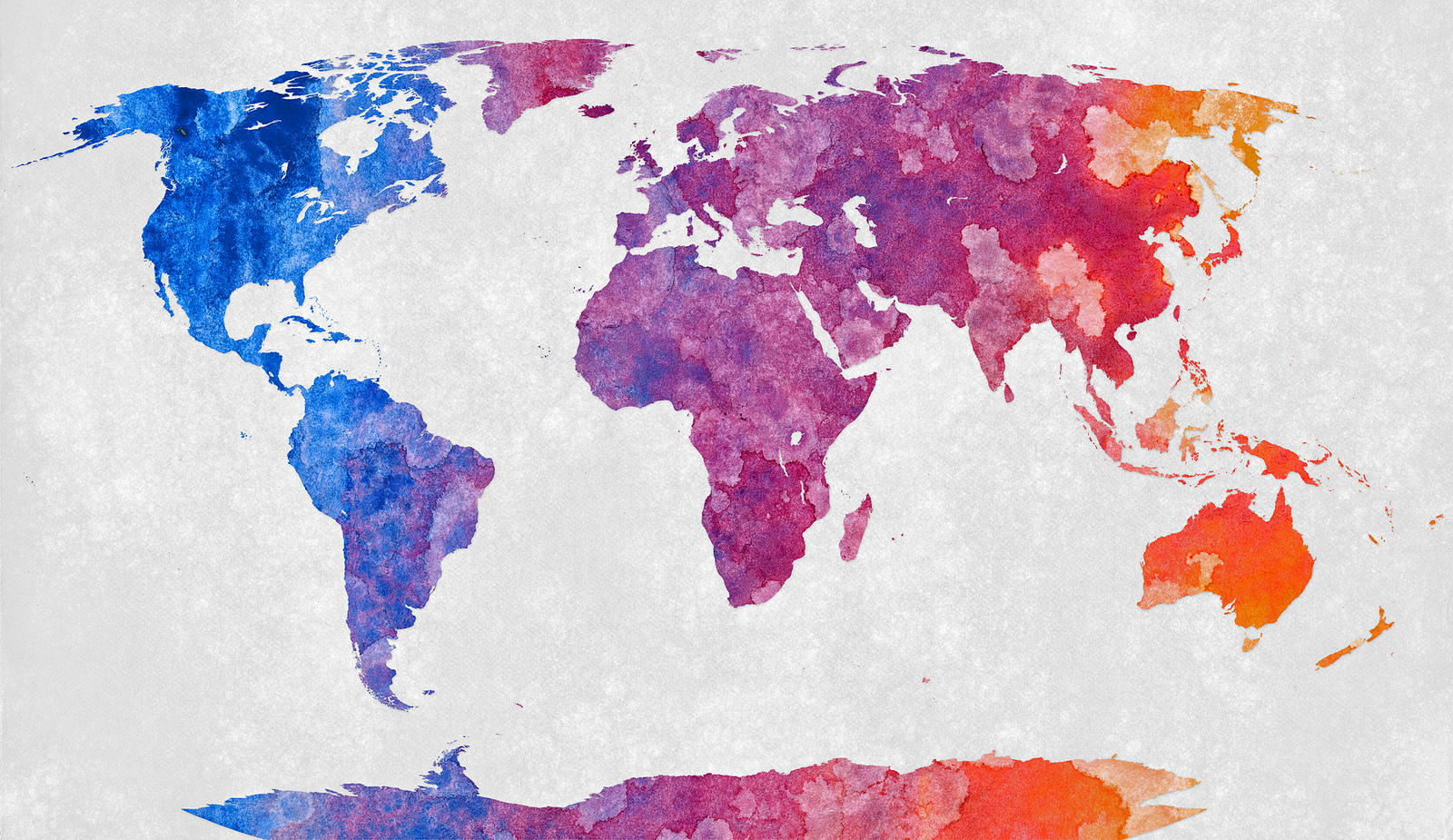
A major crisis is unfolding beneath our feet: Earth’s continents are losing freshwater at unprecedented rates.  Recent satellite data has uncovered a hidden global water crisis, suggesting the problem is more urgent than previously thought. 

The study, which was led by researchers from Arizona State University, found that since 2002, climate change, unsustainable groundwater use, and extreme droughts have driven dramatic declines in the planet’s freshwater reserves.

The research team found that drying areas on land are expanding at a rate roughly twice the size of California every year.  Additionally, the rate at which dry areas are getting drier now outpaces the rate at which wet areas are getting wetter, reversing long-standing hydrological patterns.   

Approximately 75% of the world’s population lives in countries that have been losing freshwater for more than two decades.  As the availability of freshwater dramatically shrinks, the global population continues to expand. 

The study, which was recently published in the journal Science Advances, identifies four continental-scale “mega-drying” regions, all located in the northern hemisphere, and warns of severe consequences for water security, agriculture, sea level rise, and global stability. 

The researchers identified the type of water loss on land, and for the first time, found that 68% came from groundwater.  Groundwater loss alone now contributes more to sea level rise than melting ice sheets. 

The findings stress the urgent need for sustainable water management, international cooperation, and global policies to slow groundwater loss.

**********

Web Links

Satellites just revealed a hidden global water crisis—and it’s worse than melting ice

Unprecedented continental drying, shrinking freshwater availability, and increasing land contributions to sea level rise

Photo, posted January 16, 2012, courtesy of Kecko via Flickr.

Earth Wise is a production of WAMC Northeast Public Radio
The Scourge Of Salt | Earth Wise

June 10, 2022 By EarthWise Leave a Comment

Salt will plague many communities and countries in the future

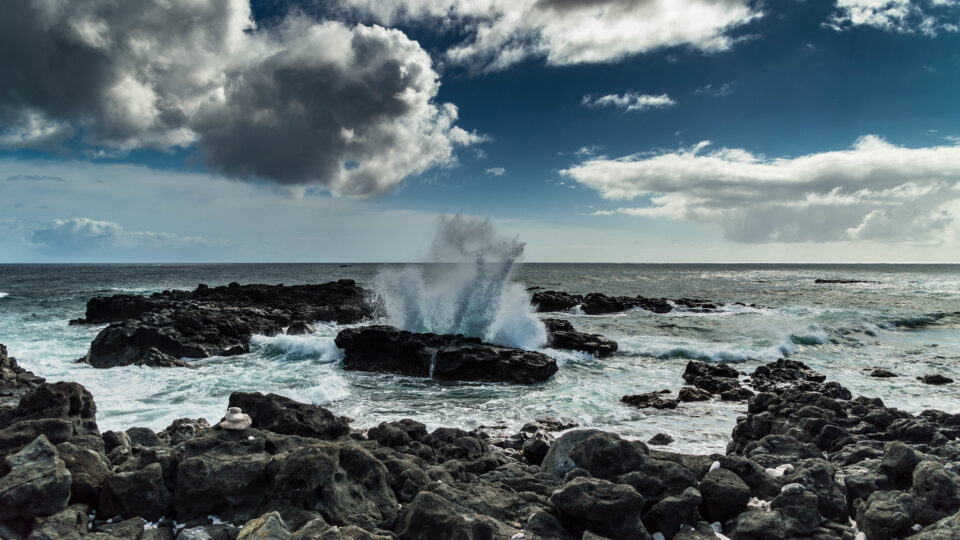
Rising seas are increasing saltwater intrusion on land and rising temperatures are causing greater evaporation.   The result is mounting levels of salt in waters and in soils.

Rising sea levels cause salty ocean water to push further into river deltas.  There is already a surge in saltiness across all inhabited continents.   Seawater works its way further upstream when dams hold back water.  Pumps that remove fresh water from underground sources for irrigation and drinking supplies add to the problem.  In dry regions, irrigation systems delivering water to crops increasingly bring salt onto fields.

People add to the problem by pouring saline drainage water from mines into rivers and by using salt to de-ice roads in the winter.

A modeling study pinpointed hotspots for climate change-induced salinization in numerous locations including the U.S. Southwest, wide areas of Australia, Mexico, South Africa, Brazil, central India, northern China, and more.

Some ecosystems are adapted to saline environments but major alterations in the balance between saline and fresh water is creating growing problems for ecosystems, lake fisheries, crop growing, and even human health.

The damage caused by salt is likely to be so severe that salinization will become a major cause of environmental refugees when the land they live on can no longer sustain them. 

Salt will be a growing threat to the world’s food supplies, especially where farmers depend on artificial irrigation.  About a third of the world’s food is grown in irrigated fields, and a fifth of those fields are deemed to already be salt-contaminated.  Ultimately, only a halt to climate change will be capable of combatting the scourge of salt.

**********

Web Links

Salt Scourge: The Dual Threat of Warming and Rising Salinity

Photo, posted June 3, 2017, courtesy of Jason Jacobs via Flickr.

Earth Wise is a production of WAMC Northeast Public Radio.

Deep Learning And Dirty Air | Earth Wise

May 6, 2021 By EarthWise Leave a Comment

Using deep learning to improve air quality

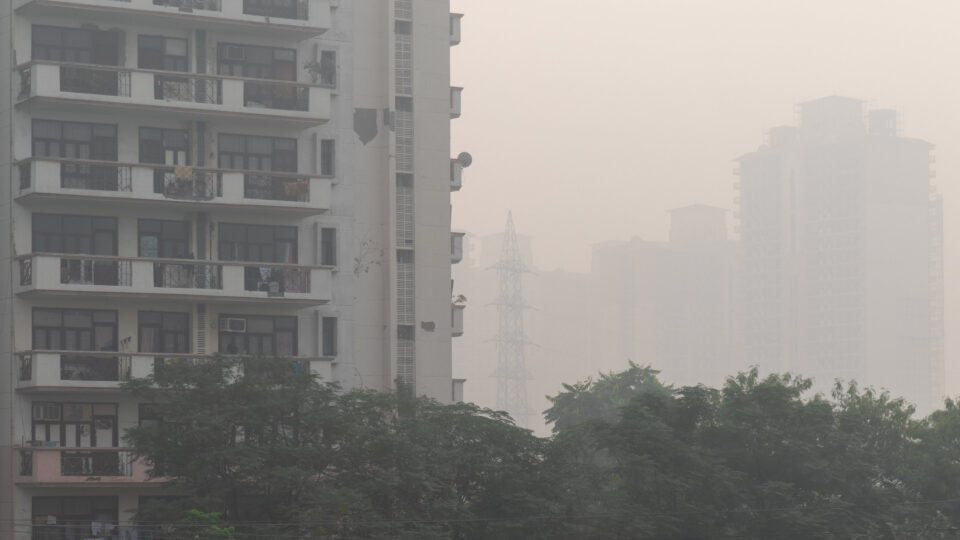
Poor air quality is a major global problem.  According to the World Health Organization, exposure to air pollution is linked to the premature deaths of an estimated seven million people every year.  In fact, 9 out of 10 people breathe air that contains more pollutants than what the WHO considers safe.  Air pollution is the fourth largest threat to human health, trailing only high blood pressure, dietary risks, and smoking.

But predicting pollution levels at a given place and time remains challenging.  According to a new study recently published in the journal Science of the Total Environment, scientists are turning to deep learning to improve air quality estimates. 

According to researchers, satellite observations and ground observations both measure air pollution, but both have major limitations.  For example, satellites may collect data at the same time and at the same location each day, but they miss how emissions may vary throughout the day.  Ground-based observations from weather stations do continuously collect data, but they only do so in a limited number of locations.    

As a result, scientists have turned to deep learning – a type of machine learning – to analyze the relationship between satellite and ground-based observations of nitrogen dioxide around Los Angeles.  Nitrogen dioxide is associated with emissions from traffic and power plants.  The researchers were able to rely on the learned relationship to take daily satellite observations and create hourly estimates of atmospheric nitrogen dioxide levels in approximately three mile grids.     

According to the research team, this study could be repeated for other greenhouse gases, and applied to different cities and regions – or even whole continents. 

**********

Web Links

Scientists turn to deep learning to improve air quality forecasts

Air Pollution

Photo, posted November 4, 2019, courtesy of Ninara via Flickr.

Earth Wise is a production of WAMC Northeast Public Radio.

Losing Forests Is Felt Far Away

July 6, 2018 By EarthWise 2 Comments

https://earthwiseradio.org/wp-content/uploads/2018/06/EW-07-06-18-Losing-Forests-is-Felt-Far-Away.mp3

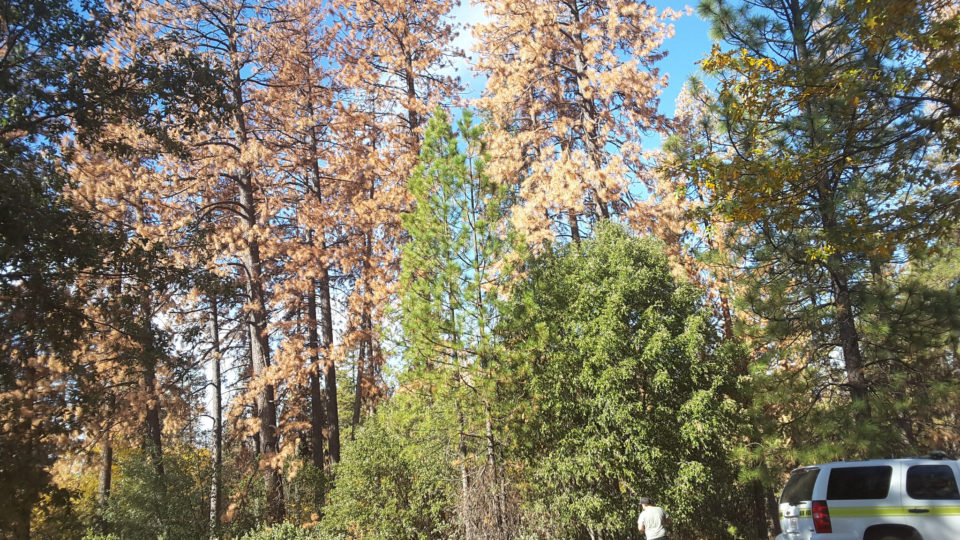
Large areas of forests in our country are vulnerable to drought, fires and disease.  When forests are heavily damaged, there are well-known local impacts:  drier soils, stronger winds, increased erosion, loss of shade and loss of habitat.

[Read more…] about Losing Forests Is Felt Far Away

Australia On The Run

November 9, 2016 By WAMC WEB

https://earthwiseradio.org/wp-content/uploads/2016/10/EW-11-09-16-Australia-on-the-Run.mp3

We’ve all come to take for granted the ability of GPS systems to help us find our way around our cities, the countryside and, for that matter, the world in general.  Software interacting with Global Positioning Satellites allows us to pinpoint our location on the Earth with remarkable accuracy.  At least, as long as places on Earth stay put.  But the problem is that they actually don’t.

[Read more…] about Australia On The Run

Primary Sidebar

Recent Episodes

  • An uninsurable future
  • Clean energy and jobs
  • Insect declines in remote regions
  • Fossil fuel producing nations ignoring climate goals
  • Trouble for clownfishes

WAMC Northeast Public Radio

WAMC/Northeast Public Radio is a regional public radio network serving parts of seven northeastern states (more...)

Copyright © 2026 ·