• Skip to primary navigation
  • Skip to main content
  • Skip to primary sidebar

Earth Wise

A look at our changing environment.

  • Home
  • About Earth Wise
  • Where to Listen
  • All Articles
  • Show Search
Hide Search
You are here: Home / Archives for coastal communities

coastal communities

Artificial reefs

May 8, 2024 By EarthWise Leave a Comment

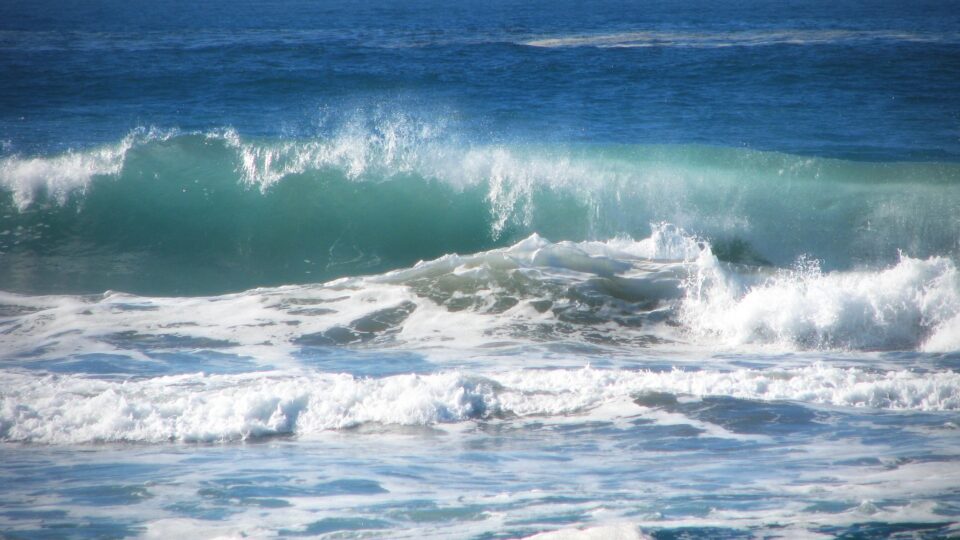
The coral reefs that surround tropical islands are a refuge for a wide variety of marine life and also form a natural buffer against stormy seas.  The changing climate is bleaching coral reefs and breaking them down.  Extreme weather events are becoming more common and are threatening coastal communities with flooding and erosion.

Researchers at MIT are designing architected reefs – sustainable offshore structures that mimic the wave-buffering effects of natural reefs and can also provide habitats for fish and other marine life.

There are already artificial reefs in a number of places used to protect coastlines.  These are typically made from sunken ships, retired oil and gas platforms, and even assemblies of concrete, metal, car tires, and stones.  Generally, it takes quite a lot of material to form an effective barrier to waves.

The MIT group has developed a cylindrical structure surrounded by four rudder-like slats.  Their experiments have shown that when this structure stands in the way of a wave, it efficiently breaks the wave and creates turbulent jets that dissipate the energy in the wave.  The engineers calculated that the new design could reduce as much wave energy as existing artificial reefs but use 10 times less material.

Based on the initial experiments with lab-scale prototypes, these artificial reefs would reduce the energy of incoming waves by more than 95%.

Coral reefs are only found in tropical waters, whereas these artificial reefs don’t depend on temperature and could be placed along any coastline for protection.  In a time of rising seas and increasingly frequent storms, these artificial reefs may be just what coastlines need.

**********

Web Links

Artificial reef designed by MIT engineers could protect marine life, reduce storm damage

Photo, posted December 9, 2010, courtesy of Phoenix Wolf-Ray via Flickr.

Earth Wise is a production of WAMC Northeast Public Radio
An ice-free Arctic

April 9, 2024 By EarthWise Leave a Comment

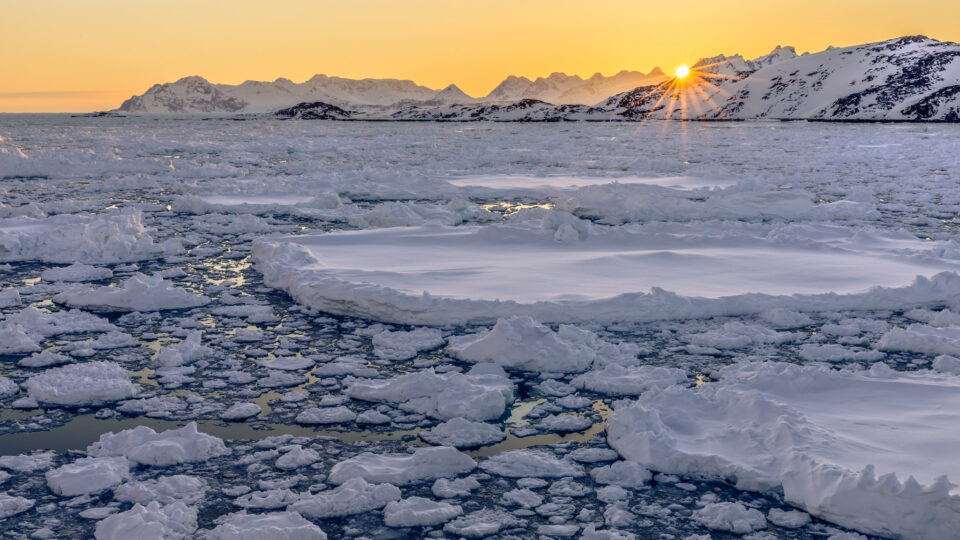
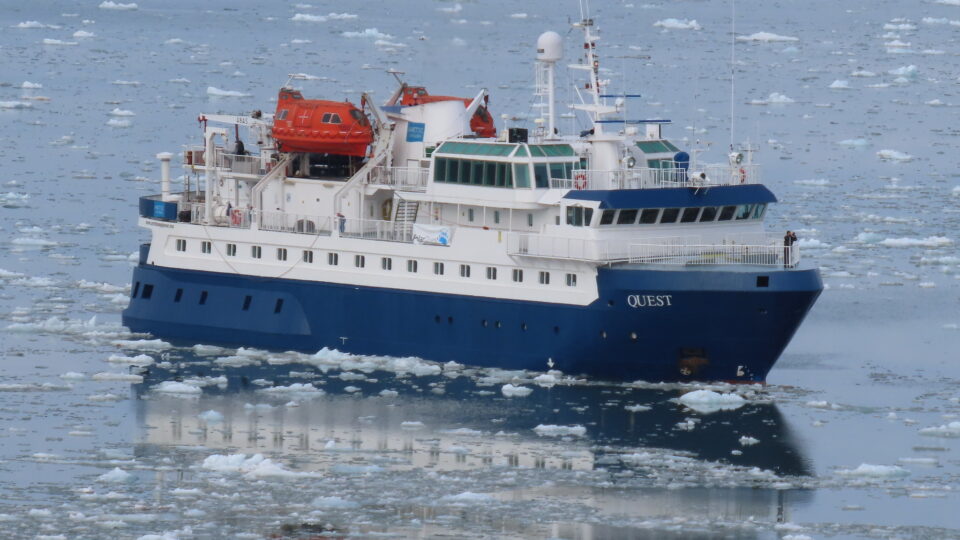
A future ice-free Arctic is very likely as the climate warms

According to a new study by Colorado University, Boulder, the Arctic could see summer days with practically no sea ice as soon as sometime in the next few years.  Earlier predictions for when the first ice-free day in the Arctic could occur were sometime well into the 2030s.

By mid-century, the Arctic is likely to see an entire month without floating sea ice.  This would likely be in September, when ice coverage is at its minimum.  By the end of the century, the ice-free season could last for many months during the year.

Technically, an ice-free Arctic does not mean zero ice in the water.  The working definition is less than 386,000 square miles of ice, which represents less than 20% of what the minimum ice coverage was in the 1980s. In recent years, the coverage has been about 1.25 million square miles.

Sea ice coverage is a big deal because many Arctic animals rely on sea ice for survival, including seals and polar bears.  With warmer ocean water, invasive fish species could move into the Arctic Ocean, upsetting local ecosystems.  Sea ice loss also is a risk for coastal communities because the ice buffers the impact of ocean waves on the coastal land.  As the ice retreats, ocean waves would get bigger, eroding the coasts.

At this point, an ice-free Arctic is basically inevitable, but its annual duration will depend on society’s efforts to reduce carbon emissions.  Lengthy periods of minimal sea ice would transform the Arctic into a completely different environment with global effects that are mostly highly undesirable.  However, Arctic sea ice is resilient and could return fairly quickly if the atmosphere cools down.

**********

Web Links

The Arctic could become ‘ice-free’ within a decade

Photo, posted July 9, 2022, courtesy of Reiner Ehlers via Flickr.

Earth Wise is a production of WAMC Northeast Public Radio
Record Polar Ice Melting | Earth Wise

May 30, 2023 By EarthWise Leave a Comment

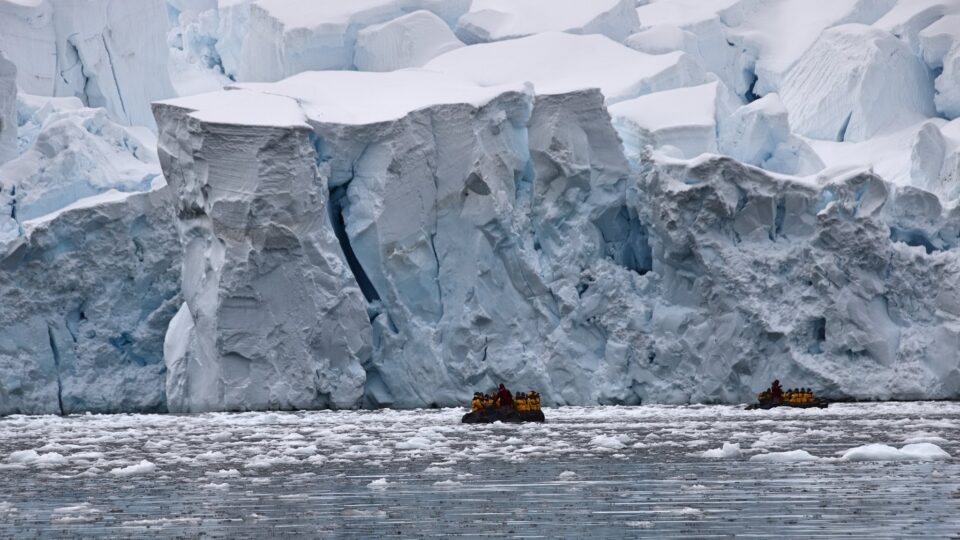
A record amount of polar ice has melted

Sea levels are rising and ocean warming is responsible for the bulk of that rise.  As water heats up, it expands, which drives up sea levels.  But on top of that, global warming is melting the polar ice sheets, and that is leading to about a quarter of the world’s sea level rise. So far, polar melting has fueled about an inch of sea level rise, two-thirds from Greenland and one third from Antarctica.   According to scientists, by the end of this century, melting polar ice caps could raise sea levels between 6 and 10 inches.

The seven worst years for polar ice sheet melting have occurred during the past decade.  The worst year on record was 2019.  The loss in 2019 was driven by an Arctic summer heatwave, which resulted in record melting from Greenland, amounting to nearly 500 billion tons melted that year.  Antarctica lost 180 billion tons of ice that year, mostly due to melting glaciers and record melting from the Antarctic Peninsula.

Ice losses from Greenland and Antarctica can now be reliably measured by satellites in space.  A team of researchers led by Northumbria University in the UK has combined 50 satellite surveys taken between 1992 and 2020.

They have found that the Earth’s polar ice sheets have lost over 8,000 billion tons of ice over that time period.  That much ice corresponds to an ice cube roughly 12 miles high.

The satellite technology is now at the stage where the ice sheet status can be continuously updated.  Such monitoring is critical to predict the future behavior of the ice sheets and provide risk warnings of the dangers that coastal communities around the world will face.

**********

Web Links

Polar ice sheet melting records have toppled during the past decade

Photo, posted December 19, 2017, courtesy of Jasmine Nears via Flickr.

Earth Wise is a production of WAMC Northeast Public Radio
Better Marine Protected Areas | Earth Wise

August 17, 2022 By EarthWise Leave a Comment

Marine protected areas are regions of seas, oceans, estuaries, and in the US, the Great Lakes, that are afforded special protections.  MPAs restrict human activity for conservation purposes, generally in order to protect natural or possibly cultural resources.   MPAs may limit such things as development, fishing practices, fishing seasons, catch limits, moorings, and removal or disruption of marine life.

A new study by the University of Plymouth in the UK looked at the effectiveness of MPAs in increasing the total abundance of reef species.  It looked at the MPAs in Lyme Bay, off the south coast of England, where two of them are co-located but governed by different constraints.

The study found that whole-site management of an MPA can increase the total abundance of reef species within its borders by up to 95%.  This is in contrast to the MPA where only known features are conserved and human activity is otherwise allowed to continue unchecked.  In that place, species abundance increased by only 15%.

The whole-site MPAs were observed to have other benefits as well.   They show higher levels of functional redundancy, meaning that when there are species losses, they are compensated by other species.  Whole-site MPAs also exhibit higher levels of species diversity.

MPAs are increasingly being recognized as a sustainable way to enhance the marine environment even while supporting coastal communities.  The Global Ocean Alliance, a 72-country alliance led by the UK, has set a target of protecting 30% of all marine areas by 2030.  The new study shows that even more important than simply establishing marine protected areas, it is essential that they are effectively implemented.

**********

Web Links

Whole-site management of Marine Protected Areas can lead to a 95% increase in reef species

Photo, posted October 28, 2011, courtesy of Benjamin Evans via Flickr.

Earth Wise is a production of WAMC Northeast Public Radio.

Global Flood Risk From Melting Ice | Earth Wise

December 13, 2021 By EarthWise Leave a Comment

Melting ice is posing a global flood risk

Approximately 10% of the land area on Earth is covered by ice.  This includes glaciers, ice caps, and the ice sheets of Antarctica and Greenland.  Nearly 70% of all fresh water on earth is locked away in ice.  If all this land ice were to melt, global sea levels would rise by more than 200 feet. 

According to new research led by researchers at the University of Leeds in the U.K., global warming is causing extreme ice melting events in Greenland to become more frequent and more intense over the past 40 years, leading to an increased risk of flooding worldwide.   

According to the findings, which were recently published in the journal Nature Communications, approximately 3.85 trillion tons of ice has melted from the surface of Greenland and into the ocean during the past decade alone.  That’s enough melted ice to cover all of New York City with nearly 15,000 feet of water. 

Rising sea levels threaten the lives and livelihoods of those living in coastal communities around the world.  Beyond the obvious risk of flooding in low-lying areas, rising seas also disrupt marine ecosystems that many coastal communities rely on for food and work.       

Rising sea levels can also alter patterns of ocean and atmospheric circulation, which in turn affect weather conditions around the planet.

Estimates from models suggest that melting ice from Greenland will contribute between 1 inch and 9 inches to global sea level rise by 2100. 

These findings are just another reminder of how we need to act urgently to mitigate climate change if we want to prevent the worst-case scenarios from becoming reality. 

**********

Web Links

Increased frequency of extreme ice melting in Greenland raises global flood risk

Photo, posted April 21, 2017, courtesy of Markus Trienke via Flickr.

Earth Wise is a production of WAMC Northeast Public Radio.

Coastlines and Climate Change | Earth Wise

August 16, 2021 By EarthWise Leave a Comment

Scientists predict how climate change will affect coastlines

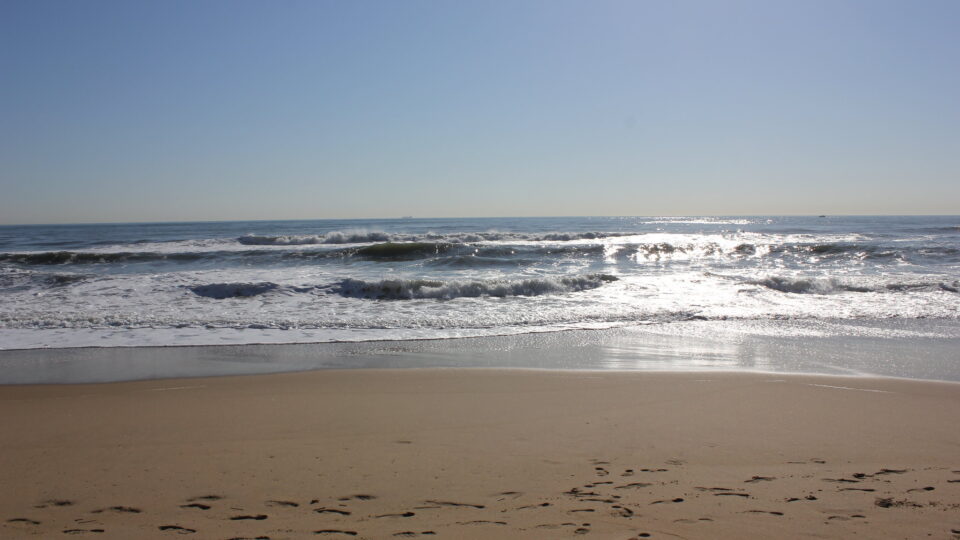
Climate change poses a fundamental threat to life on earth and has already left observable effects on the planet.  For example, glaciers have shrunk, oceans have warmed, heatwaves have become more intense, and plant and animal ranges have shifted. 

As a result of the changing climate, coastal communities around the world are confronting the increasing threats posed by a combination of extreme storms and the predicted acceleration of sea level rise. 

Scientists from the University of Plymouth in England have developed a simple algorithm-based model to predict how coastlines could be affected by climate change.  This model allows coastal communities to identify the actions they need to take in order to adapt to their changing environment.

The Forecasting Coastal Evolution (or ForCE)  model has the potential to be a game-changer because it allows adaptations in the shoreline to be predicted over timescales of anything from days to decades. As a result, the model is capable of predicting both the short-term impact of extreme storms as well as predicting the longer-term impact of rising seas.   

The ForCE model relies on past and present beach measurements and data showing the physical properties of the coast.  It also considers other key factors like tidal, surge, and global sea-level rise data to assess how beaches might be impacted by climate change.  Beach sediments form the frontline defense against coastal erosion and flooding, and are key in preventing damage to valuable coastal infrastructure.

According to the study, which was recently published in the journal Coastal Evolution, the ForCE model predictions have shown to be more than 80% accurate in current tests in South West England.

**********

Web Links

New model accurately predicts how coasts will be impacted by storms and sea-level rise

Photo, posted April 17, 2016, courtesy of Nicolas Henderson via Flickr.

Earth Wise is a production of WAMC Northeast Public Radio.

The World’s Largest Harmful Algal Bloom | Earth Wise

July 1, 2021 By EarthWise Leave a Comment

Increase in nitrogen is leading to an explosion of brown sargassum seaweed

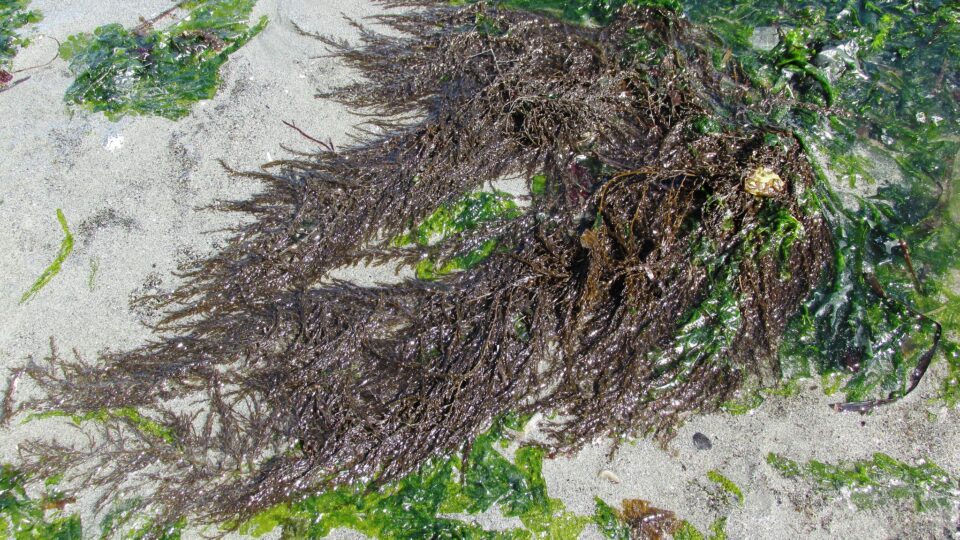
Brown sargassum seaweed floats in surface water in a bloom that stretches all the way from West Africa to the Gulf of Mexico.  Sargassum provides habitat for turtles, crabs, fish, and birds.

The stuff carpets beaches along the tropical Atlantic, the Caribbean Sea, the Gulf of Mexico, and the east coast of Florida disrupting tourism.  Florida’s Miami-Dade County alone spends $45 million a year cleaning up sargassum.  Annual Caribbean clean-up is in excess of $120 million.

A study by Florida Atlantic University has discovered dramatic changes in the chemistry and composition of sargassum which has transformed the so-called Great Atlantic Sargassum Belt into a toxic dead zone.

The findings of the study suggest that increased nitrogen availability from both natural and human-generated sources, including sewage, is supporting blooms of sargassum and turning a critical marine nursery habitat into harmful algal blooms with catastrophic impacts on coastal ecosystems, economies, and human health.

The study found that today’s sargassum tissues compared with those of the 1980s have 35% more nitrogen content and 42% less phosphorus.  Much of the nitrogen increase is a result of agricultural and industrial runoff from the Congo, Amazon, and Mississippi Rivers. 

The fact that the bloom itself has expanded so tremendously was already suspected to be the result of significant changes in the ocean’s chemistry.  Given the negative effect that the Great Atlantic Sargassum Belt is having on the coastal communities, additional research is essential to guide mitigation and adaptation efforts.

**********

Web Links

Sargassum now world’s largest harmful algal bloom due to nitrogen

Photo, posted June 5, 2016, courtesy of J Brew via Flickr.

Earth Wise is a production of WAMC Northeast Public Radio.

Which Cities To Save From The Changing Climate

October 28, 2019 By EarthWise Leave a Comment

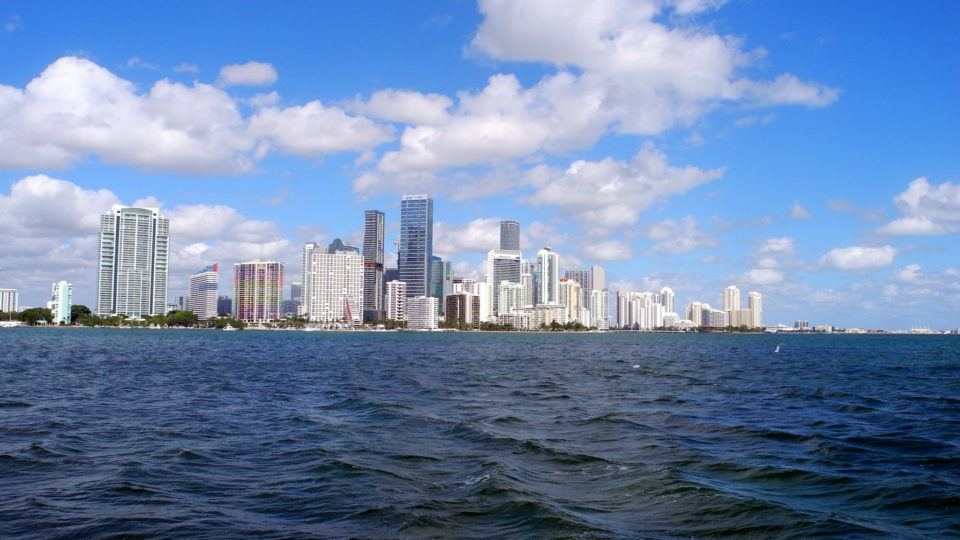
After several years of brutal flooding and hurricanes in the U.S., a distressing debate is emerging:  if there is not enough money available to protect every coastal community from the effects of global warming, how do we decide which ones to save first.

Recent research looked at the costs involved in providing basic storm-surge protection in the form of sea walls for all coastal cities with more than 25,000 residents.  That number was $42 billion.  Expanding the list to include communities smaller than 25,000 people would increase that cost to more than $400 billion.   Realistically, that is just not going to happen.

This particular study only looked at sea walls and no other methods for minimizing flood risk, such as moving homes and businesses away from the most flood-prone areas.   It also didn’t look at additional and costlier actions that will be required even with sea walls, such as revamping sewers, storm water, and drinking water infrastructure.

The facts are that many cities, especially small ones, will not be able to meet the costs facing them.  Those that can’t will depend on federal funding.  But even optimistically large proposals for federal infrastructure spending are likely to fall far short of the vast need.  Ultimately, the money will end up being spent where it can do the most good – even if it means that some places are left out.

But what criteria will be used to direct the money?  Economic value?  Historic significance?  Population?  Political influence?

This is a looming and massive issue whose chief obstacle may be that many officials refuse to acknowledge that it is happening.  This is the next wave of climate denial – denying the costs that we are all facing.

**********

Web Links

With More Storms and Rising Seas, Which U.S. Cities Should Be Saved First?

Photo, posted October 31, 2018, courtesy of Patrick Kinney via Flickr.

Earth Wise is a production of WAMC Northeast Public Radio.

Primary Sidebar

Recent Episodes

  • An uninsurable future
  • Clean energy and jobs
  • Insect declines in remote regions
  • Fossil fuel producing nations ignoring climate goals
  • Trouble for clownfishes

WAMC Northeast Public Radio

WAMC/Northeast Public Radio is a regional public radio network serving parts of seven northeastern states (more...)

Copyright © 2026 ·