• Skip to primary navigation
  • Skip to main content
  • Skip to primary sidebar

Earth Wise

A look at our changing environment.

  • Home
  • About Earth Wise
  • Where to Listen
  • All Articles
  • Show Search
Hide Search
You are here: Home / Archives for Climate Change

Climate Change

Better Plastic Recycling | Earth Wise

September 14, 2023 By EarthWise Leave a Comment

Developing a better way to recycle plastics

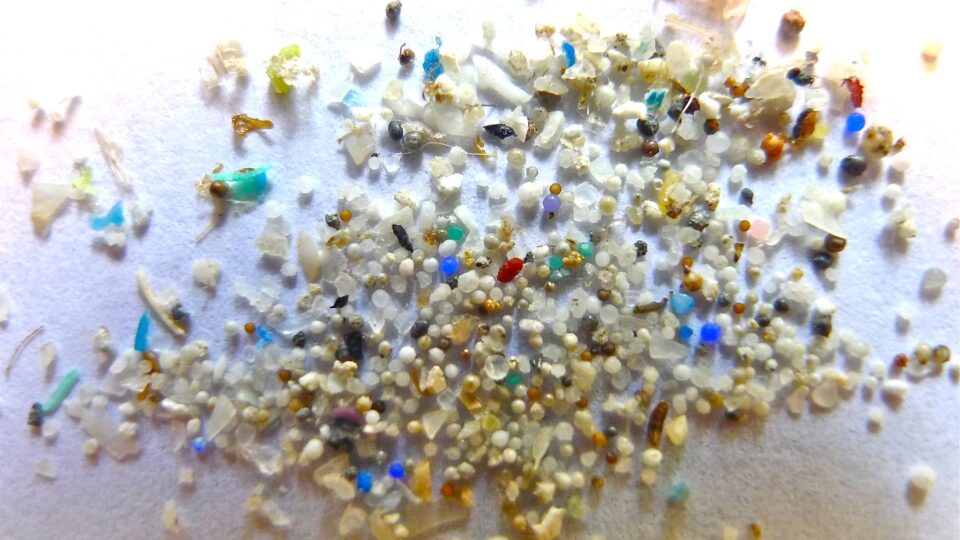
Many of us are careful to put our plastic trash into the appropriate recycling bins hoping that we are helping to stem the global tide of plastic waste.  But many plastics are not recyclable at all and recycling those that are is not even always a good thing.  Breaking down plastics can generate polluting microplastics that are themselves a major environmental problem.  And perhaps the biggest problem for recycling efforts is that they are not cost effective and generally incur huge losses.

Chemical engineers at the University of Wisconsin-Madison recently published a study in the journal Nature outlining a new technique for turning low-value waste plastic into high-value industrial chemicals. 

The technique makes use of two existing chemical processing techniques.  The first is pyrolysis, which is high-temperature heating in an oxygen-free environment.  Heating waste plastic in this way produces pyrolysis oil, a liquid mix of various compounds that includes large amounts of olefins.  Olefins are simple hydrocarbons that are a central building block of many chemicals and polymers.  Olefins are most often produced by energy-intensive processes like steam cracking of petroleum. 

The UW-Madison process takes the olefins and subjects them to a process called homogenous hydroformylation catalysis, which converts them into aldehydes, which can then be further reduced into important industrial chemicals. 

The payoff is that the process can take waste plastics, which are only worth about $100 a ton, and turn them into high-value chemicals worth $1,200-$6,000 a ton.  If the process can be optimized and otherwise made ready for industrial-scale use, it would be a real game-changer in the battle against plastic waste.

**********

Web Links

New recycling process could find markets for ‘junk’ plastic waste

Photo, posted September 16, 2015, courtesy of Oregon State University via Flickr.

Earth Wise is a production of WAMC Northeast Public Radio
More Offshore Wind Proposed For New Jersey | Earth Wise

September 13, 2023 By EarthWise Leave a Comment

There have been three offshore wind projects previously approved by utility regulators in New Jersey.  New Jersey is vying to become an East Coast leader in the fast-growing offshore wind industry and now developers have proposed four new projects off the New Jersey Shore.

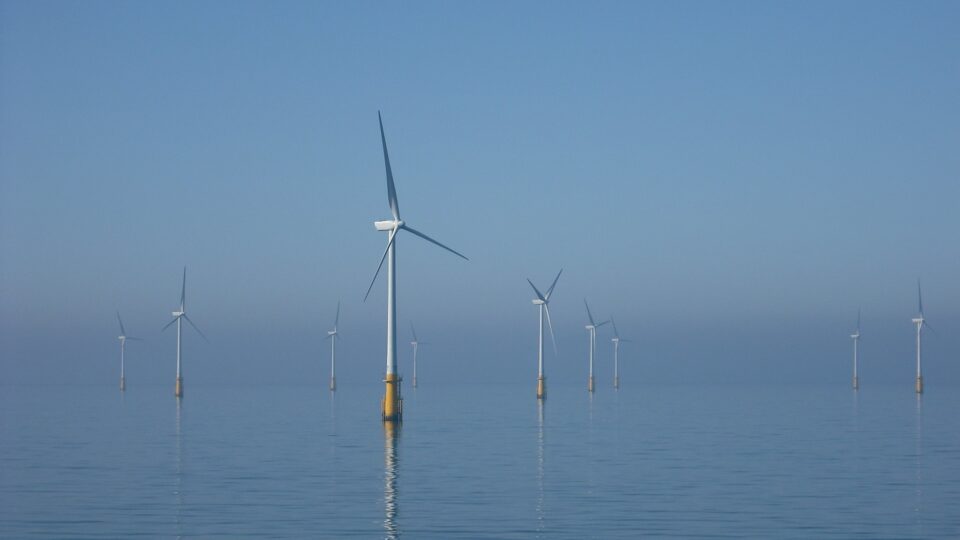
Two of the projects would be located far out to sea where they would not be visible at all from the shore.  One of them, called Community Offshore Wind, would be built 37 miles offshore from Long Beach Island.  It aims to generate enough electricity to power 500,000 homes.

A second project, called Leading Light Wind, would be located 40 miles off Long Beach Island and would consist of up to 100 turbines that would generate enough electricity to power 1 million homes.

The two companies that are building the already-approved Atlantic Shores Wind Farm have submitted a bid for a new project located 10 to 20 miles offshore.  In addition, a fourth application to the New Jersey Board of Public Utilities has also been submitted, but there is yet no public information about it.

Existing offshore projects have drawn intense opposition from homeowners in part because they are close enough to the Atlantic City and Ocean City shorelines to be seen by beachgoers, albeit as tiny objects on the horizon.  The new proposed projects located far offshore would not have this problem.

The new projects can take advantage of existing federal tax credits, but the bidders say they will not seek the tax breaks from New Jersey that the earlier project received as they have also been the subject of legal challenges by opponents of offshore wind.

**********

Web Links

4 new offshore wind power projects proposed for New Jersey Shore; 2 would be far out to sea

Photo, posted March 25, 2016, courtesy of TEIA via Flickr.

Earth Wise is a production of WAMC Northeast Public Radio

Top Fish Predators And Climate Change | Earth Wise

September 12, 2023 By EarthWise Leave a Comment

Climate change is taking its toll on forests, farms, freshwater sources, and the economy, but ocean ecosystems remain the epicenter of global warming.  In fact, oceans have absorbed more than 90% of the excess heat from greenhouse gas emissions since the 1970s.

As a result, many marine fish species are responding to ocean warming by relocating towards the poles.  According to new research recently published in the journal Science Advances, climate change is causing widespread habitat loss for some of the ocean’s top fish predators, driving these species northward.

The research team studied 12 species of highly migratory fish predators, including sharks, tuna, and billfish, such as marlin and swordfish, inhabiting the Northwest Atlantic Ocean and the Gulf of Mexico.  These two regions are undergoing rapid changes in sea surface temperatures, and are among the fastest warming ocean regions on earth.

The research, which was led by researchers from Woods Hole Oceanographic Institution in Massachusetts, with collaboration from San Diego State University, NOAA, and several other U.S. institutions, found that most species will encounter widespread habitat losses by 2100.  Some species could lose upwards of 70% of suitable habitat by that year.  Areas offshore of the Southeast United States and Mid-Atlantic coasts were identified as likely hotspots of multi-species habitat loss. 

According to the researchers, strategies for managing fish have historically been static. But marine systems need to be treated as dynamic and changing.  This study helps provide the scientific data needed for marine conservation and fisheries management efforts.

**********

Web Links

Top fish predators could suffer wide loss of suitable habitat by 2100 due to climate change

Photo, posted March 18, 2015, courtesy of Kenneth Hagemeyer via Flickr.

Earth Wise is a production of WAMC Northeast Public Radio
Lakes Are Shrinking | Earth Wise

September 11, 2023 By EarthWise Leave a Comment

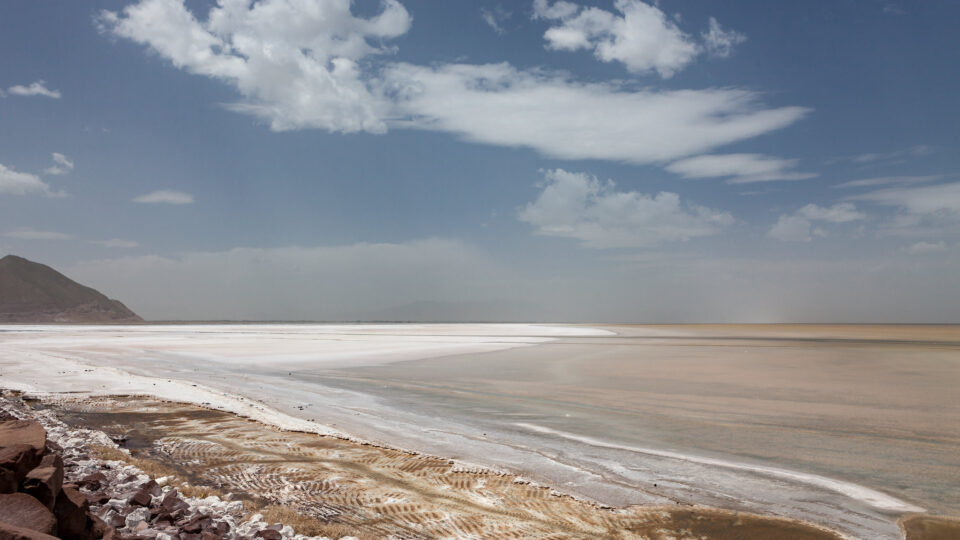
A study by the University of Colorado Boulder has found that more than half of the world’s largest lakes have shrunk over the last three decades.  This is a very big problem because about one-quarter of the Earth’s population lives in the basin of a drying lake.  People depend on lakes for drinking water and irrigation and lakes are central to the survival of local ecosystems as well as migrating birds.  Lakes cover only about 3% of the planet, but they hold nearly 90% of the liquid surface freshwater.

The study used satellite observations from 1992 to 2020 to estimate the area and water levels of nearly 2,000 freshwater bodies.  These account for 96% of Earth’s total natural lake storage and 83% of that in man-made reservoirs.  About 53% of the world’s lakes have clearly shrunk, while only 22% have gained water.  The study estimates that about 160 trillion gallons of water has been lost over the 28-year period.  That’s about 17 times the maximum capacity of Lake Mead, the largest reservoir in the United States.

Many of the world’s most significant lakes have been shrinking. The dramatic declines in Lake Mead have been headline news for years.  The Caspian Sea, which is the world’s largest inland body of water – has long been declining.

The main causes of the decline in natural lakes are climate change and human consumption.  Reservoirs face an additional major problem of sediment buildup which reduces their storage capacity and diminishes their benefits of water supply, flood control, and hydropower.

Lake loss is a big problem.

**********

Web Links

More than half of the world’s largest lakes are drying up

Photo, posted April 10, 2018, courtesy of Ninara via Flickr.

Earth Wise is a production of WAMC Northeast Public Radio
Planting Rocks To Capture Carbon | Earth Wise

September 8, 2023 By EarthWise Leave a Comment

Getting humanity to stop dumping carbon dioxide into the atmosphere continues to be very challenging regardless of how increasingly apparent the need to do so becomes.  For this reason, climate change mitigation strategies increasingly include interventions in the form of removing carbon dioxide that is already there.  There are a variety of ways to draw carbon dioxide out of the atmosphere, but they face a host of technological, economic, and even environmental difficulties.

A new study at Yale University evaluated a type of climate intervention called enhanced rock weathering.  Rock weathering is a natural chemical process by which certain minerals absorb carbon dioxide over time.  Enhanced rock weathering is simply speeding up weathering such so it can have beneficial results soon enough to make a difference.

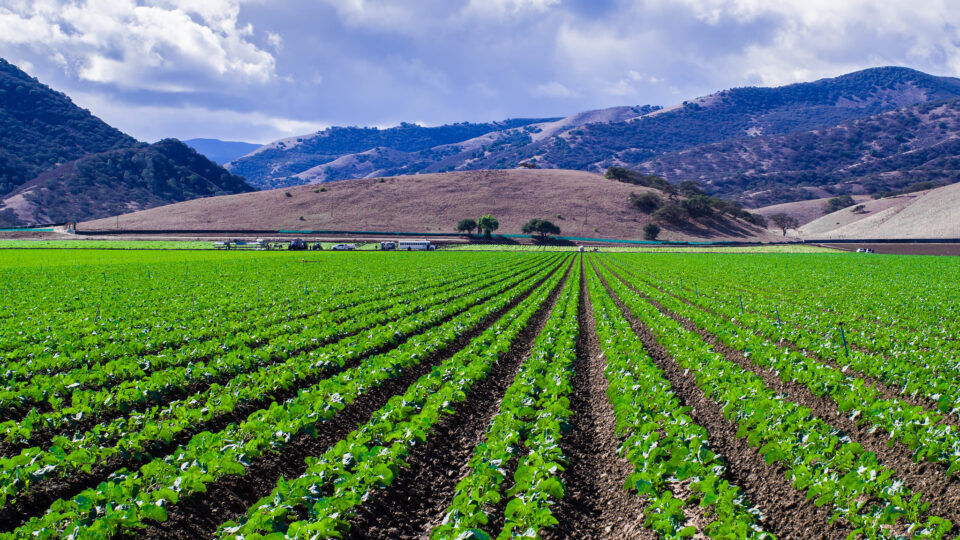
The study explored the potential of applying crushed basalt, which is a fast-weathering rock that forms when lava cools, to agricultural fields around the world.  Basically, the idea is for farmers to mix the crushed rocks into their fields. There is no real downside to doing this.  In fact, adding crushed basalt to fields rejuvenates depleted soils and helps counter ocean acidification.

The study simulated the results of enhanced rock weathering on 1,000 agricultural sites around the world.  Over a 75-year period, these sites would remove 64 billion tons of carbon dioxide from the atmosphere.  This is roughly the amount climate scientists believe is needed to take out of the atmosphere. 

Enhanced rock weathering has been used on a small scale on farms around the world.  Perhaps it is time to ramp up its use.

**********

Web Links

‘Planting’ rocks in farms, along with emissions reductions, could help meet key IPCC carbon removal goal

Photo, posted January 14, 2023, courtesy of Ron Reiring via Flickr.

Earth Wise is a production of WAMC Northeast Public Radio

Air Pollution And Insects | Earth Wise

September 7, 2023 By EarthWise Leave a Comment

Air pollution may be causing global decline in insects

Insects can be found in every environment on Earth and play critical roles in the planet’s ecosystems.  Insects pollinate more than 80% of plants, including those that we eat and those that provide food and habitat for other species.  Without insects, we wouldn’t have the rich biodiversity that supports life on earth today.

But the world is experiencing a decline in overall insect populations as well as a collapse in insect diversity.  According to researchers from the University of Melbourne in Australia, Beijing Forestry University in China, and the University of California – Davis, air pollution particles may be the cause of the dramatic decline.  They found that an insect’s ability to find food and a mate is reduced when their antennae are contaminated by particulate matter. 

In the study, which was recently published in the journal Nature Communications, the research team exposed houseflies to varying levels of air pollution for just 12 hours and then placed the flies in a Y-shaped tube ‘maze’. Uncontaminated flies typically chose the arm of the Y-maze leading to a smell of food or sex pheromones, while contaminated flies selected an arm at random, with 50:50 probability.

Using a scanning electron microscope, the researchers also found that as air pollution increases, more particulate material collects on the sensitive antennae of houseflies. 

Insect antennae have olfactory receptors that detect odor molecules emanating from a food source, a potential mate, or a good place to lay eggs.  If an insect’s antennae are covered in particulate matter, a physical barrier is created between the smell receptors and air-borne odor molecules.

Air pollution poses a significant threat to insect populations around the world.   

**********

Web Links

Air pollution particles may be cause of dramatic drop in global insect numbers

Photo, posted June 13, 2008, courtesy of Allen Watkin via Flickr.

Earth Wise is a production of WAMC Northeast Public Radio
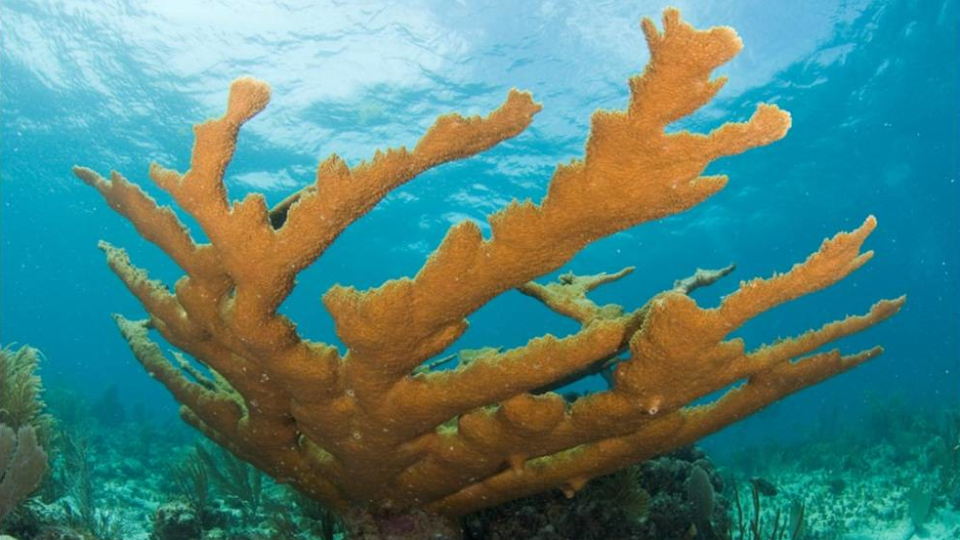
Saving Florida’s Corals | Earth Wise

September 6, 2023 By EarthWise Leave a Comment

Strategies to save Florida's corals

When corals are exposed to extended periods of excess heat, they are subject to bleaching, which occurs when they expel the algae that live within their structure.  Bleaching can lead to coral death.

This summer, temperatures in the Florida Keys crossed the bleaching threshold in mid-June and remained above it for extended periods of time.  This cumulative heat exposure leads to widespread bleaching and significant die-offs.  The last major mass bleaching event in the Florida Keys occurred in 2014 and 2015.

The Coral Restoration Foundation has been receiving reports ranging from partial bleaching to mass coral mortality throughout the keys.  Several coral restoration sites in the lower Keys have been totally lost already.

The National Oceanic and Atmospheric Administration and its state agency, university, and non-profit partners have initiated actions to try to save Florida’s corals.

They have halted all restoration-related planting and are evacuating some of their nursery-grown stock to climate-controlled labs.  They are considering interventions such as shading coral nurseries or even high-value reef sites.  They are also considering feeding nursery and wild corals until the waters cool off enough for algae to return.

Modeling indicates that there is a 70-100% chance that the extreme heat in the North Atlantic will persist through September-October.  NOAA and its partners will continue to do what they can to save Florida’s Coral Reef for the marine and human communities that depend on them.

**********

Web Links

NOAA and partners race to rescue remaining Florida corals from historic ocean heat wave

Photo, posted April 19, 2012, courtesy of U.S. Fish and Wildlife Service Southeast Region via Flickr.

Earth Wise is a production of WAMC Northeast Public Radio
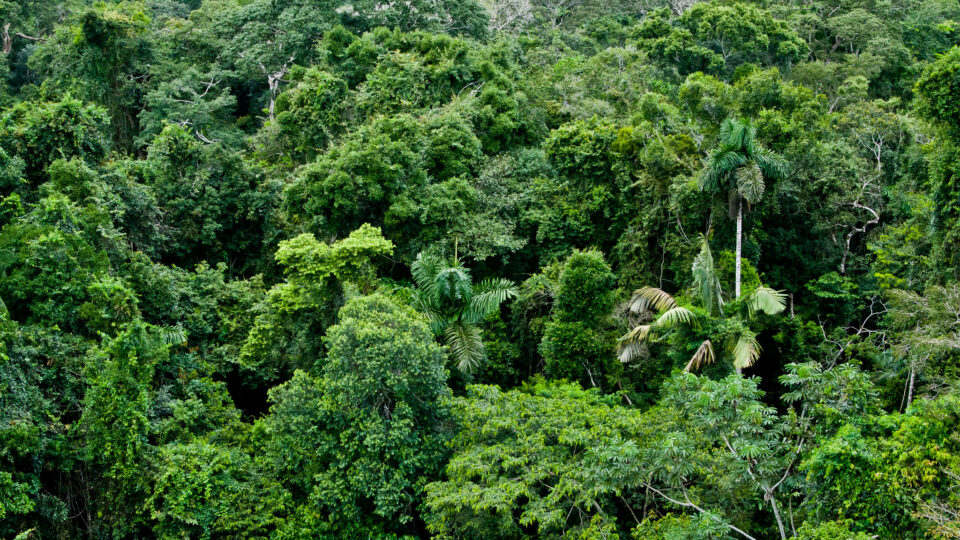
Protecting The Amazon Rainforest | Earth Wise

September 5, 2023 By EarthWise Leave a Comment

The Amazon rainforest absorbs one-fourth of all the carbon dioxide absorbed by the land of the Earth.  It is by far the world’s largest rainforest, bigger than the next two largest – in the Congo Basin and Indonesia – combined.  Nearly two-thirds of it is found in Brazil but the more than 2 million square miles of rainforest includes portions in 8 countries.

The amount of carbon dioxide absorbed by the Amazon rainforest is 30% less today than it was in the 1990s as a result of deforestation, to a great extent driven by cattle ranching as well as other agricultural activities.

In early August, the leaders of the eight countries that are home to the Amazon River basin agreed to work together to conserve the rainforest.  The agreement, called the Belém Declaration, provides a roadmap to stave off the rampant deforestation. 

The agreement provides coordination between the countries of Bolivia, Brazil, Colombia, Ecuador, Guyana, Peru, Suriname, and Venezuela to establish law enforcement to combat illegal mining and logging as well as to pool development funds for conservation and sustainable employment.  Despite the unity portrayed at the meeting, many of the governments in South America are in a precarious position because of various economic and political struggles

Apart from its critical climate impact, the Amazon rainforest is a haven for biodiversity and further deforestation would be disastrous for tens of thousands of species and could transform it into a net emitter rather than absorber of greenhouse gases.  Some parts of the region have already reached that point.

**********

Web Links

Amazon Countries, Led by Brazil, Sign a Rainforest Pact

Photo, posted October 17, 2016, courtesy of Yeoboya via Flickr.

Earth Wise is a production of WAMC Northeast Public Radio
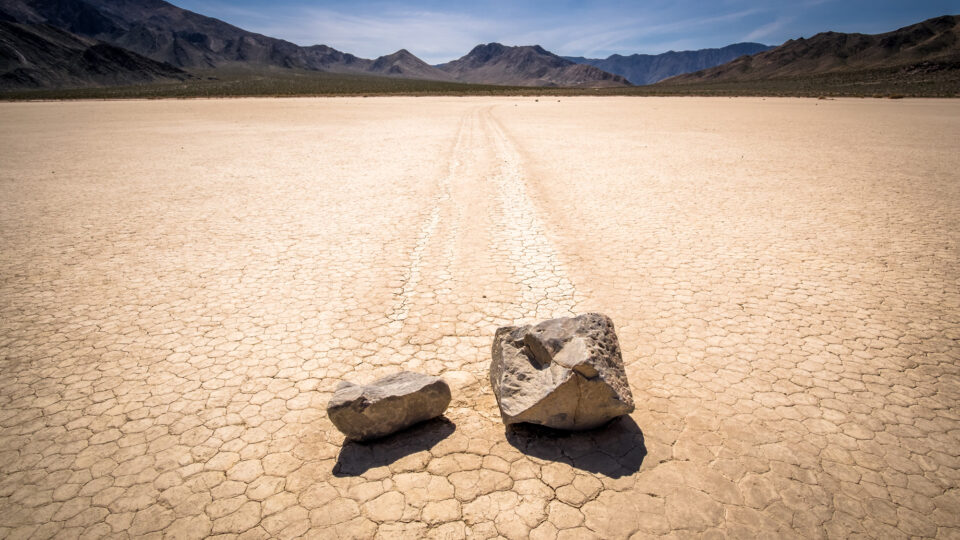
Why Was the Summer So Hot? | Earth Wise

September 4, 2023 By EarthWise Leave a Comment

Many places around the world have experienced extraordinary heat waves this summer.  The 31 days of high temperatures 110 degrees or more in Phoenix is a prime example but many other places suffered from extreme and relentless heat.  Why did this happen?

The overarching reason is climate change, which has warmed the Earth by 2.2 degrees Fahrenheit since the preindustrial era.  This change on a global level is enough to make heatwaves far more likely.  For example, the concurrent heatwaves in Europe and North America were 1000 times more likely to have occurred because of climate change.

But there hasn’t been a sudden increase in global temperature that would make this summer so much hotter.  Instead, what really has happened is three other factors all came into play at the same time.

The first is the 2022 eruption of Hunga Tonga-Hunga Ha-apai, which is an underwater volcano in the South Pacific.  That eruption did not produce much in the way of planet-cooling aerosols in the atmosphere.  Instead, it vaporized huge amounts of seawater, sending water vapor into the atmosphere, which helps trap heat.

The second is a change in the amount of energy radiating from the sun.  That actually rises and falls a small amount every 11 years.  Currently, it is in the upswing and will reach its next peak in 2025.

Finally, there is the arrival of the El Niño in the Pacific, whose balmy ocean waters radiate heat into the air.

The combination of all these factors when added to the already warming climate is a recipe for temperatures to soar to uncharted highs.  We can expect more heat waves, forest fires, flash floods, and other sorts of extreme weather.

**********

Web Links

It’s Not Just Climate Change: Three Other Factors Driving This Summer’s Extreme Heat

Photo, posted February 27, 2017, courtesy of Giuseppe Milo via Flickr.

Earth Wise is a production of WAMC Northeast Public Radio

Aluminum In Batteries | Earth Wise

September 1, 2023 By EarthWise 1 Comment

Researchers working on a new battery

Batteries are playing a bigger and bigger role in our lives.  Apart from their use in ubiquitous smartphones, laptops, and other devices, millions of electric vehicles are hitting the roads, and utilities are installing giant banks of batteries to store energy generated by wind and solar farms.

The necessary characteristics of batteries are high energy density and stability.  The latter is needed so that batteries can be safely and reliably recharged thousands of times.  For decades, lithium-ion batteries have been the go-to for all these modern battery applications.  And they have gradually gotten better and cheaper all the time.  But the improvements are getting smaller, and the price reductions have limits.

For these reasons, researchers are always looking for batteries with higher energy density – so that, for example, electric cars can drive farther on a charge – and that can be made more cheaply, are not flammable, and are very stable.

Since the 1970s, researchers have investigated the use of aluminum for the anode of batteries because its properties would allow more energy to be stored.  However, when used in lithium-ion batteries, aluminum developed fractures and failed after a few cycles.

Researchers at Georgia Tech University have developed a type of aluminum foil with small amounts of other materials that create specific microstructures.  Used in battery anodes, this material does not degrade and appears to be a path to a better battery.  When incorporated into a solid-state battery that does not contain the flammable liquid found in standard lithium-ion batteries, the result is a battery that checks most of the boxes in the search for a better battery.

Much more work is needed to assess the potential for the aluminum-based battery, but it looks very promising.

**********

Web Links

Aluminum Materials Show Promising Performance for Safer, Cheaper, More Powerful Batteries

Photo, posted August 27, 2019, courtesy of Marco Verch via Flickr.

Earth Wise is a production of WAMC Northeast Public Radio

Endangered Plants And The Changing Climate | Earth Wise

August 31, 2023 By EarthWise Leave a Comment

Plants are a critical resource because of the countless ways they support life on Earth. Plants release oxygen into the atmosphere, absorb carbon dioxide, and provide food and habitat for humans and wildlife.  Plants are also used to produce fibers, building materials, and medicines. 

Plants form the backbone of natural ecosystems, and absorb about 30% of all the carbon dioxide emitted by humans each year.  But plants are struggling to adapt in a human-dominated world.  Even though they are easier and cheaper to protect than animals, plants are often overlooked in conservation efforts.

Ironically, conservation efforts appear to be overlooking a key threat to endangered plants.  According to a new study led by researchers from Penn State University, all plants and lichens listed as endangered under the Endangered Species Act are sensitive to climate change, but there are few plans in place to address that threat directly. 

The threat that climate change poses to endangered plants and lichens had not been thoroughly evaluated in more than a decade.  In the study, which was recently published in the journal PLOS Climate, the research team adapted existing assessment tools used to examine the threat of climate change for wild animals and applied them to 771 endangered plant species.  The researchers found that all endangered plant and lichen species are at least slightly threatened by climate change, and little is being done to protect the listed species from that threat.

The researchers hope their findings will be used to aid future conservation planning.  After all, plants can live without humans, but humans cannot live without plants.

**********

Web Links

Climate change threatens 771 endangered plant and lichen species

Photo, posted June 12, 2014, courtesy of Mark Freeth via Flickr.

Earth Wise is a production of WAMC Northeast Public Radio
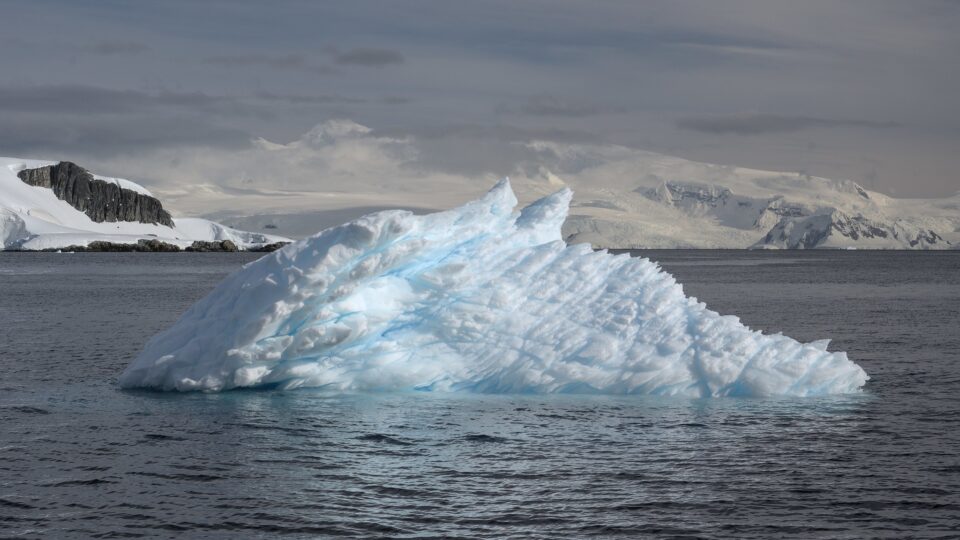
Missing Antarctic Sea Ice | Earth Wise

August 30, 2023 By EarthWise Leave a Comment

It is summer here in the United States, but it is winter in Antarctica.  Antarctic sea ice is water that forms and melts entirely in the ocean and it has a pattern of growth and reduction that has been monitored by satellites for the past 44 years.  The area of sea ice that surrounds the continent of Antarctica is known as the sea ice ‘extent’ and it had been quite stable for much of those years.

In 2016, the sea ice extent began to decline.  Since then, there have been several record summer lows with both the summers of 2021/22 and 2022/23 setting new minimum records.

This August, the deviation from all previous records intensified.  This winter’s sea ice extent is over 900,000 square miles below the long-term average, an area about the size of Greenland or, for example, Texas and Alaska combined.

Climate models have long predicted that Antarctic sea ice would reduce as a result of global warming but the current change to sea-ice extent is so dramatic that it is difficult to explain.  Sea ice extent is affected by multiple factors including the El Niño Southern Oscillation, the strength of the southern hemisphere jet stream, and regional low-pressure systems.  The warming climate is certainly the overall force that is changing Antarctic sea ice extent over time.

Antarctic sea ice extent is important because it covers a vast area of the dark Southern Sea with a bright white surface that reflects the sun’s energy back into space, helping to reduce temperatures at the pole and protecting glaciers and polar ice sheets. 

**********

Web Links

The mystery of the missing Antarctic sea ice

Photo, posted November 7, 2016, courtesy of Rob Oo via Flickr.

Earth Wise is a production of WAMC Northeast Public Radio
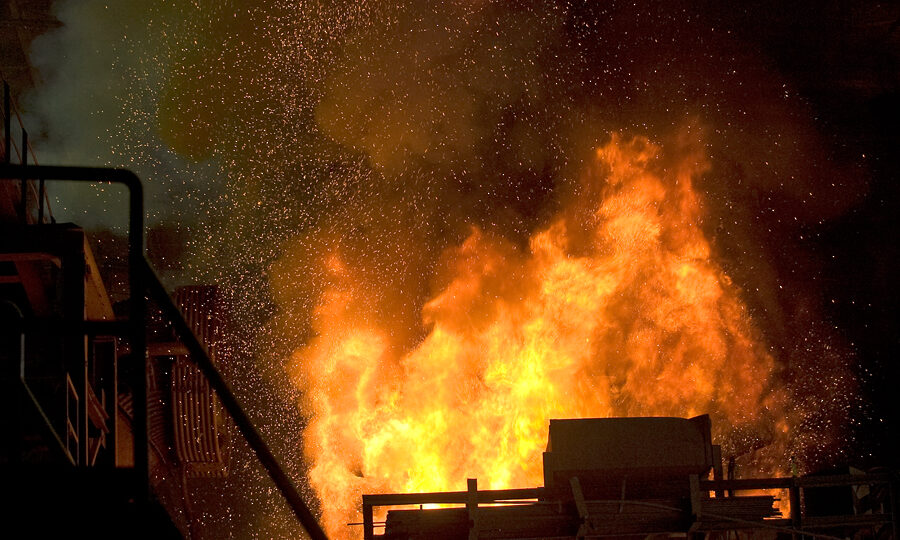
Electric Steel Furnaces | Earth Wise

August 29, 2023 By EarthWise 1 Comment

Steel was first made thousands of years ago.  The discovery that heating up iron ore in a hot enough charcoal fire could purify the iron into a strong and valuable material was the start of the Iron Age.  In many ways, things have changed very little since then.

Global iron and steel production accounts for 7% of society’s carbon emissions. Making steel generally involves burning coal in a blast furnace to produce the very high temperatures required to turn iron into steel.  The coal is used both as a feedstock and as a fuel.  Steel is made from iron and a substance called coke, which is basically coal that has been carbonized at high temperatures.  Coal itself is burned to provide the high temperatures needed.

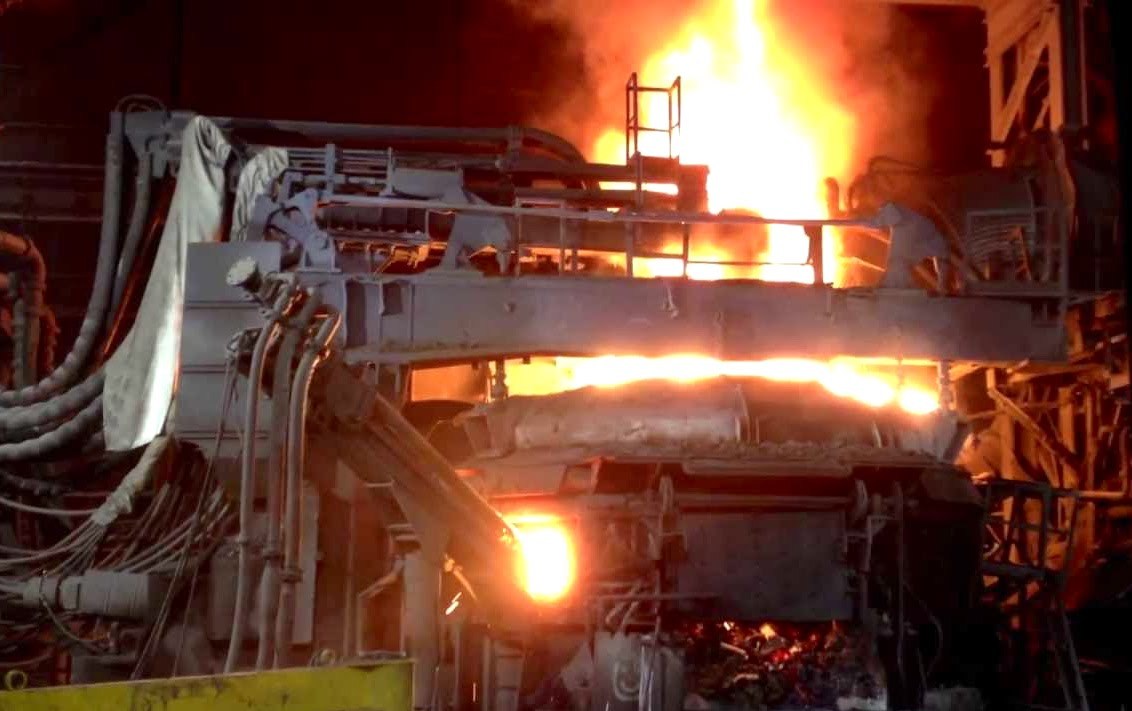
A new analysis from the Global Energy Monitor think tank shows that the global steel industry is slowly embracing electric-arc furnaces to produce the necessary heat, which is a cleaner alternative.  The analysis found that 43% of forthcoming steelmaking capacity will rely on electric-arc furnaces, up from 33% last year.

According to the study, the shift to cleaner steel is not happening fast enough.  To meet the emissions reductions goals of the Paris Climate Agreement, electric-arc furnaces must account for 53% of global steelmaking capacity by 2050.  Based on the current plans, those furnaces would only account for 32% of total capacity by that year.

In order to meet these goals, the steel industry will need to retire or cancel about 381 million tons of coal-based manufacturing capacity and add 670 million tons of electric-arc furnace capacity. 

**********

Web Links

Steel Industry Pivoting to Electric Furnaces, Analysis Shows

Photo, posted March 3, 2012, courtesy of Jeronimo Nisa via Flickr.

Earth Wise is a production of WAMC Northeast Public Radio

Plastic In Lakes | Earth Wise

August 28, 2023 By EarthWise Leave a Comment

We are always talking about the millions of tons of waste plastic that finds its way into the oceans and about the challenges of trying to remove it.  A new multinational study has found that the concentration of plastics and microplastics in some lakes is even worse than in the so-called garbage patches in the oceans and some of these lakes are even in remote places around the world

Scientists from institutes in multiple countries collected water samples from 38 lakes and reservoirs in 23 countries across six continents.  The samples were then all analyzed by the University of Milan to assess the presence of plastic particles more than a quarter millimeter in size.

The study found that two types of lakes are particularly vulnerable to plastic contamination:  lakes and reservoirs in densely populated and urbanized areas and large lakes with elevated deposition areas, long water-retention times, and high levels of human influence.

Lakes found to have the highest concentration of plastic included some of the main sources of drinking water for communities and were also important to local economies.  These included Lough Neagh in Northern Ireland, Lake Maggiore in Italy, and Lake Tahoe on the California/Nevada border.  Not all the lakes studied contained large amounts of plastic.  For example, Windermere, the largest lake in England, had very low concentrations of plastic in surface water.

This was the first global survey of the abundance and type of plastic pollution in lakes and reservoirs and the scale of freshwater plastic pollution is sobering indeed.  There is widespread concern that plastic debris is having harmful effects on aquatic species and ecosystem function and clearly is not limited to marine ecosystems.

**********

Web Links

Plastic pollution is higher in some lakes than oceans

Photo, posted May 27, 2019, courtesy of Jonathan Cook-Fisher via Flickr.

Earth Wise is a production of WAMC Northeast Public Radio
Solar Panels On Canals | Earth Wise

August 25, 2023 By EarthWise Leave a Comment

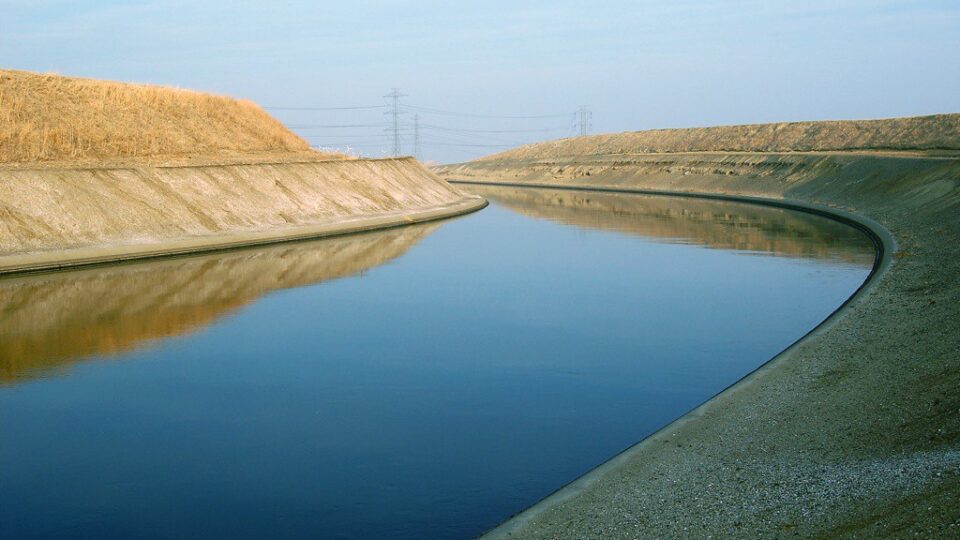
There has been growing interest in installing solar panels on top of reservoirs to make use of the available space to make electricity and reduce evaporation.  There has been far less interest in installing solar on canals and aqueducts.  But that is changing and a new project in California is part of that change.

A study by the University of California, Merced estimates that 63 billion gallons of water would be saved by covering California’s 4,000 miles of canals with solar panels.  All that installed solar would generate a significant amount of electricity.

The idea is going to be tested in the Turlock Irrigation District in Central California with Project Nexus, which is the installation of solar panels over 1.8 miles of canals that are between 20 and 110 feet wide.  The panels will sit between 5 and 15 feet off the ground.  UC Merced researchers will study impacts ranging from evaporation to water quality and use the results to make recommendations with respect to wider use of the technology.

California isn’t the first place to put solar on a canal.  India pioneered it on one of the largest irrigation projects in the world.  The Sardar Sarovar dam and canal project brings water to hundreds of thousands of villages in the dry, arid region of India’s Gujarat State.

Meanwhile, the Gila River Indian Community in Arizona received funding from the Bipartisan Infrastructure Law to install solar panels on their canals in an effort to save water and reduce stress on the struggling Colorado River.

The world of water infrastructure does not embrace change easily but covering canals with solar panels is an idea whose time may have come.

**********

Web Links

Solar panels on water canals seem like a no-brainer. So why aren’t they widespread?

Photo, posted December 11, 2005, courtesy of Dave Parker via Flickr.

Earth Wise is a production of WAMC Northeast Public Radio

The Climate Impact Of Diets | Earth Wise

August 24, 2023 By EarthWise Leave a Comment

What we eat has a major impact on the environment

The food system is responsible for 70% of the world’s freshwater use and almost 80% of freshwater pollution.  About three-quarters of the ice-free land area of the planet has been affected by human use, primarily for agriculture.  Land-use change such as deforestation is a major source of biodiversity loss.  What we choose to eat has a major effect on how the food system impacts the environment.

A comprehensive study by researchers at several UK universities has found that a plant-based diet yields one-fourth as much greenhouse gases as a diet rich in meat.  Vegan diets produce 75% less heat-trapping gas, generate 75% less water pollution, and use 75% less land than meat-rich diets.

Just going to a low-meat diet cuts the environmental cost of a high-meat diet in half.  Pescatarian diets perform better than low-meat diets, and vegetarian diets do even a little better than that.

There are a variety of reasons why many people won’t, can’t, or even shouldn’t become vegans.  What should be learned from this study is that our dietary choices have a major environmental impact.  So, taking actions like cutting down the amount of meat and dairy – which most people can do with relative ease – can be valuable.

There are many choices with respect to where we live, how we get from place to place, where we get our food, and, yes, what food we eat, that impact the environment.  We are not all going to do the best possible thing in all these cases, but if we each make some choices that at least help, it can make a big difference.

**********

Web Links

Vegan Diets Have One-Fourth the Climate Impact of Meat-Heavy Diets, Study Finds

Photo, posted November 5, 2017, courtesy of Stephanie Kraus via Flickr.

Earth Wise is a production of WAMC Northeast Public Radio

Upcycling Plastic Waste | Earth Wise

August 23, 2023 By EarthWise Leave a Comment

People have generated 8 billion tons of plastic waste over time and less than 10% of it has been recycled.  Millions of tons of it escapes into the oceans.  Plastic piles up virtually everywhere on earth.

There are many approaches to dealing with the plastic waste problem and no one of them is a magic bullet.  Engineers at Stanford University have investigated the prospects for upcycling plastic waste for use in infrastructure like buildings and roads.

They used a mix of computer modeling, scientific research, experimental and field data to analyze the potential for using plastic waste in infrastructure.

Among their findings is that recycled glass fiber reinforced polymer composite – which is a tensile plastic commonly used in car, boat, and plane parts – is a promising material for reuse in buildings. 

Roads in which waste plastic is melted down and mixed with conventional paving materials are becoming more common around the world.  India has installed over 60,000 miles of these roads.  Studies show that roads containing waste plastic have the potential to perform better than conventional roads.  They can last longer, are more durable, can tolerate wide temperature swings, and are more resistant to water damage, cracking, and potholes.  Such roads rely less upon virgin fossil resources, which is obviously advantageous.

Upcycling plastic waste in infrastructure is attracting increasing interest because it creates value from something that is strictly a liability and may end up having regulatory advantages as societies move toward more environmentally friendly and sustainable policies.

**********

Web Links

Can we use plastic waste to build roads, buildings, and more?

Photo, posted October 7, 2022, courtesy of the Grand Canyon National Park via Flickr.

Earth Wise is a production of WAMC Northeast Public Radio
Biosurfactants And Oil Spills | Earth Wise

August 22, 2023 By EarthWise Leave a Comment

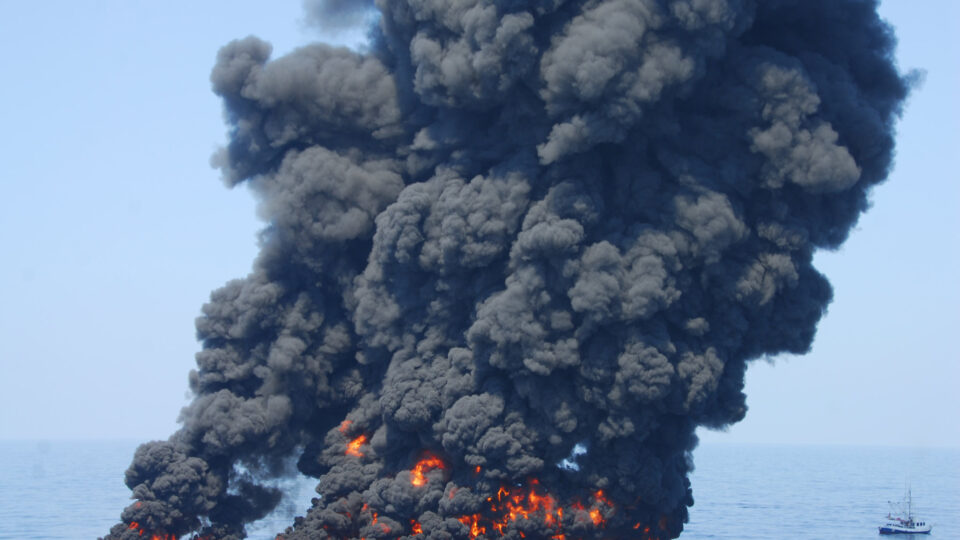
About 400 million gallons of oil leaks into the ocean every year.  This is a major source of environmental pollution.  Oil contains many hazardous compounds that are toxic or mutagenic for marine organisms. 

When oil spill incidents occur, large quantities of chemical dispersants, sometimes as much as millions of gallons, are applied to dissolve oil slicks, prevent oil from reaching coastlines, and enhance the dispersion of the oil in the water.  The hope for doing this is that microbial oil degradation will be enhanced as a result.  Certain microorganisms present in the water can feed on crude oil components and break them down into harmless substances.

A study at the University of Stuttgart in Germany in 2015 showed that chemical dispersants in fact can slow down microbial oil degradation and therefore inhibit water purification.  The oil components need to be broken down sufficiently for them to be bioavailable to microorganisms.  The study found that dispersants were not accomplishing this.

A new study by the same group along with researchers from the University of Tubingen in Germany and the University of Georgia has found that using biosurfactants rather than chemical dispersants stimulates different microbial oil degraders with respect to their growth and activity and can enhance our ability to deal with oil spills.   Treating the water with the biosurfactant rhamnolipid rather than any of the generally-used dispersants provided much higher rates of microbial breakdown of oil components.

The hope is that this work can lead to the development of effective and environmentally friendly approaches to combatting oil spills.

**********

Web Links

Biosurfactants might offer an environmentally friendly solution for tackling oil spills

Photo, posted June 11, 2010, courtesy of Deepwater Horizon Response via Flickr.

Earth Wise is a production of WAMC Northeast Public Radio

Methane Emissions And The Paris Agreement | Earth Wise

August 21, 2023 By EarthWise Leave a Comment

The Paris Agreement is a legally binding international treaty on climate change adopted at the UN Climate Change Conference in 2015.  Its goal is to strengthen the global response to climate change by committing to limit the rise in global average temperature to well below 2°C above pre-industrial levels, and pursue efforts to limit that increase to just 1.5°C. 

Achieving the goals of the Paris Agreement requires reaching net-zero carbon dioxide emissions by or around 2050, as well as deep reductions in methane and other emissions. 

According to a new study by researchers from Simon Fraser University in Canada, reductions in methane emissions are needed urgently  if we are to meet the goals of the Paris Agreement.  The study, which was recently published in the journal Nature’s Communications Earth & Environment, suggests that global warming levels could be kept below 2°C if methane mitigation efforts are initiated globally before 2030.  However, delaying methane mitigation to the year 2040 or beyond would increase the risk of exceeding 2°C, even if net-zero carbon dioxide emissions were achieved.

Methane is a potent greenhouse gas, second only to carbon dioxide in contributing to global temperature increases over the last two centuries.  However, methane is known to warm the planet 86 times more effectively than carbon dioxide over a 20-year period.

During the past 40 years, more than 60% of global methane emissions have been produced as a result of human activities, such as fossil fuel exploitation, livestock production, and waste from landfills.

**********

Web Links

Delaying methane mitigation increases risk of breaching Paris Agreement climate goal, study finds

Photo, posted July 22, 2011, courtesy of Steven W. via Flickr.

Earth Wise is a production of WAMC Northeast Public Radio

Beaver Believers | Earth Wise

August 18, 2023 By EarthWise Leave a Comment

Believing in beavers as ecosystem engineers

Beavers are ecosystem engineers based on their ability to construct dams and create ponds.  By doing so, they create wetland habitat for other species.  They create biodiversity by allowing plant species to emerge in new places as they clear out existing trees and other plants.  Beavers improve water quality and their dams store water during droughts.  Their handiwork minimizes flood risk and mitigates flooding impacts.

Before beavers were widely trapped, there were beaver dams just about everywhere in the American west.  Now beaver rewilding is trying to restore many western ecosystems. In places like Idaho, ranchers have gone from seeing beavers as a nuisance to actually recruiting them onto their land.  One cattle rancher began stream restoration on his land with beaver rewilding in 2014.  By 2022, he was a firm “beaver believer”.  There are now over 200 beaver dams along Birch Creek near Preston, Idaho, and the stream now flows 40 days longer into the year.

NASA has established a team to investigate the extent to which beavers can have an outsized and positive impact on local ecosystems.  The team is using NASA’s Earth Observation satellites to observe the effects beavers are having.  Satellites can collect data from large areas and can pass over the same areas regularly and across seasons.  The goal is to support people on the ground who are implementing beaver rewilding efforts to increase water availability and to increase habits for fish and other species.  NASA’s project will run through 2025 and it plans to expand it to other states with similar terrain and water management strategies.

**********

Web Links

Researchers Become “Beaver Believers” After Measuring the Impacts of Rewilding

Photo, posted February 23, 2021, courtesy of Deborah Freeman via Flickr.

Earth Wise is a production of WAMC Northeast Public Radio
  • « Go to Previous Page
  • Page 1
  • Interim pages omitted …
  • Page 26
  • Page 27
  • Page 28
  • Page 29
  • Page 30
  • Interim pages omitted …
  • Page 101
  • Go to Next Page »

Primary Sidebar

Recent Episodes

  • An uninsurable future
  • Clean energy and jobs
  • Insect declines in remote regions
  • Fossil fuel producing nations ignoring climate goals
  • Trouble for clownfishes

WAMC Northeast Public Radio

WAMC/Northeast Public Radio is a regional public radio network serving parts of seven northeastern states (more...)

Copyright © 2026 ·