• Skip to primary navigation
  • Skip to main content
  • Skip to primary sidebar

Earth Wise

A look at our changing environment.

  • Home
  • About Earth Wise
  • Where to Listen
  • All Articles
  • Show Search
Hide Search
You are here: Home / Archives for cash crops

cash crops

Working Forest Buffers | Earth Wise

April 15, 2020 By EarthWise Leave a Comment

Forest Buffer Zones on Farms

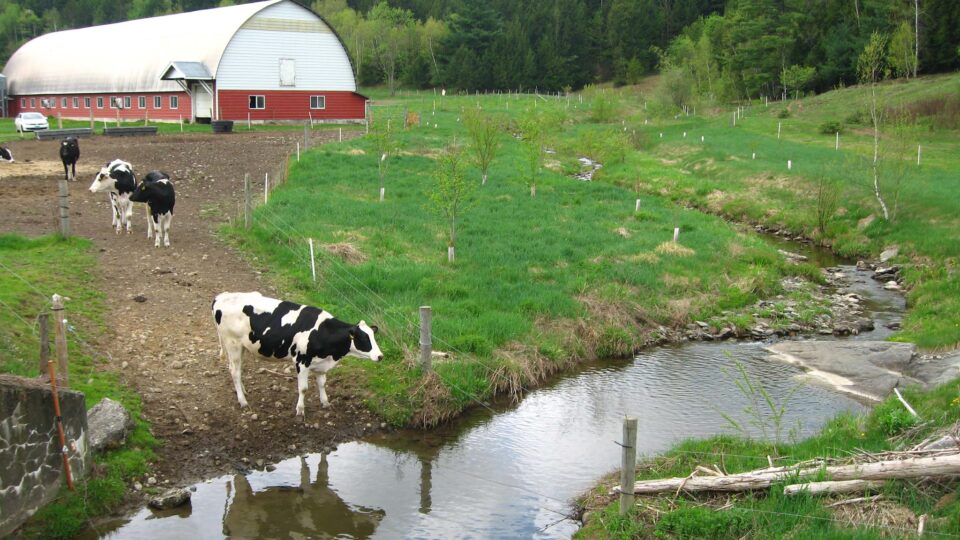
More than 100,000 miles of U.S. rivers and streams are polluted by nitrogen and phosphorus, mostly from agricultural runoff.  In the past, forests grew naturally alongside these waterways and helped stabilize stream banks and decrease flooding while trapping and filtering pollutants.  But most of these forests have been cut down to make way for towns, cities, livestock, and crops.

Farmers are reluctant to retire valuable farmland with non-productive buffer planting.  But in Pennsylvania, there is an innovative program that encourages farmers to plant cash crops in waterway buffer zones that can help stabilize stream banks and clean up the waterways.  These plantings are called working buffers.

Strips of streamside land are replanted with native floodplain trees and shrubs.  These are known as riparian forest buffers.  Pennsylvania has instituted a grant program under which farmers and landowners plant these buffers and turn a profit.

Many of these buffers have three zones.  A conventional forest buffer that can be just 15 feet wide is composed of native woodland and stabilizes the bank with tree roots and enhances wildlife habitat.  A second zone, some 20 feet wide, is planted with trees and shrubs that can tolerate periodic flooding.  Apart from slowing floodwater and taking up nutrients, this zone can provide profits by planting trees like black walnut, hazelnut, persimmon, and elderberry.  Only hand harvesting is allowed.  A third zone, adjacent to conventional crop, can contain blueberries, raspberries, and decorative woody florals.

How many farmers can be enticed to create these riparian buffers remains to be seen, but they do represent a way to help farmers to reduce pollution and turn a profit along the way.

**********

Web Links

A Movement Grows to Help Farmers Reduce Pollution and Turn a Profit

Photo, posted March 19, 2010, courtesy of the USDA via Flickr.

Earth Wise is a production of WAMC Northeast Public Radio.
Tough Times For Fireflies | Earth Wise

March 11, 2020 By EarthWise Leave a Comment

Fireflies facing extinction

Fireflies or lightning bugs are soft-bellied beetles known widely for their use of bioluminescence – the biochemical emission of light – to communicate and to attract mates.  There are more than 2,000 species of these beetles globally.  They can be found in temperate and tropical climates, like marshes or wet, wooded areas, all throughout the world.   

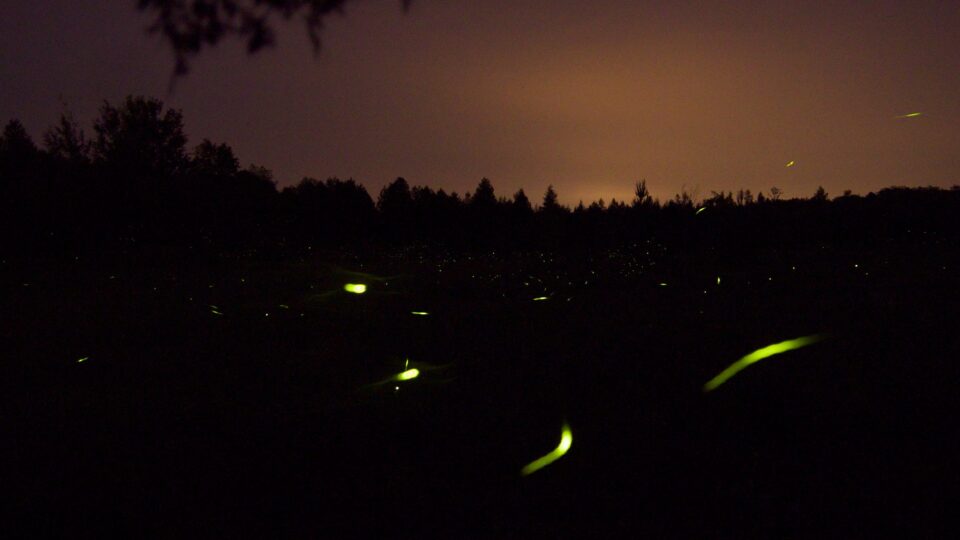
But if you are seeing fewer fireflies each summer, you’re not alone.  Like many insects, firefly populations are under duress from threats like pesticides, pollution, and habitat loss.  But fireflies are also facing another threat unique to luminous bugs: light pollution.  Light pollution is making it harder for fireflies to reproduce because the artificial light is outshining their mating signals. 

Male fireflies light up to signal availability and female fireflies respond with patterned flashes to indicate they’re interested.  But artificial bright light from things like billboards, streetlights, buildings, and homes, is interfering with the fireflies reproduction communications. 

The study, by researchers at Tufts University and the IUCN, warned that these threats facing fireflies could lead them globally to extinction. 

The researchers also point to habitat loss as another major threat to fireflies.  Firefly populations are especially vulnerable because they need special conditions to complete their life cycle.  Mangrove forests and marshes around the world are being removed in favor of cash crops like palm oil.   

Insects like fireflies are crucial components of many ecosystems where they perform important functions, like aerating soil, pollinating plants, and controlling pests.  Firefly larvae feed on snails, slugs and mites, and many fireflies are effective pollinators. 

We can’t afford for fireflies to go dark. 

**********

Web Links

A Global Perspective on Firefly Extinction Threats

Fireflies Have a Mating Problem: The Lights Are Always On

Photo, posted June 5, 2010, courtesy of Matt MacGillivray via Flickr.

Earth Wise is a production of WAMC Northeast Public Radio.

Shifting Climate Zones

November 16, 2018 By EarthWise Leave a Comment

https://earthwiseradio.org/wp-content/uploads/2018/11/EW-11-16-18-Shifting-Climate-Zones.mp3

As the climate warms, the planet’s landscape is changing.  The Arctic ice is shrinking, the ocean is rising altering coastlines, and plants, animals and diseases are on the move.  The world’s climate zones are changing in significant and measurable ways.

[Read more…] about Shifting Climate Zones

Primary Sidebar

Recent Episodes

  • An uninsurable future
  • Clean energy and jobs
  • Insect declines in remote regions
  • Fossil fuel producing nations ignoring climate goals
  • Trouble for clownfishes

WAMC Northeast Public Radio

WAMC/Northeast Public Radio is a regional public radio network serving parts of seven northeastern states (more...)

Copyright © 2026 ·