• Skip to primary navigation
  • Skip to main content
  • Skip to primary sidebar

Earth Wise

A look at our changing environment.

  • Home
  • About Earth Wise
  • Where to Listen
  • All Articles
  • Show Search
Hide Search
You are here: Home / Archives for byproducts

byproducts

Electricity from chicken feathers

December 4, 2023 By EarthWise Leave a Comment

The food industry generates enormous amounts of waste and by-products.  Each year, 40 million tons of chicken feathers are incinerated, causing adverse environmental effects.  Not only does it release large amounts of carbon dioxide but also produces toxic gases such as sulfur dioxide.

Researchers at ETH Zurich in Switzerland and Nanyang Technological University in Singapore have developed a way to put chicken feathers to good use by using them to make fuel cells more cost-effective and sustainable.

Using a simple and environmentally friendly process, they extract the keratin from the feathers.  Keratin is the protein that helps form hair, nails, the outer layer of skin, and feathers.  The extracted keratin is then converted into ultra-fine fibers known as amyloid fibrils.  The keratin fibrils are used in the membrane of a fuel cell.

Fuel cells generate clean energy from hydrogen and oxygen with only heat and water as byproducts.  At the heart of every fuel cell is a semipermeable membrane that allows protons to pass through but blocks electrons, thereby producing an electric current.  Fuel cells are the primary way hydrogen is used to directly generate electricity.  Hydrogen cars run on fuel cells.

Conventional fuel cells typically use membranes made from highly toxic chemicals.  The new ETH membranes essentially replace these toxic substances with biological keratin. 

The researchers are investigating how stable and durable their keratin membrane is and to improve it if necessary.  The team has already applied for a joint patent and is looking for partners and investors to further develop the technology and bring it to market.

**********

Web Links

Generating clean electricity with chicken feathers

Photo, posted July 10, 2016, courtesy of Matthew Bellemare via Flickr.

Earth Wise is a production of WAMC Northeast Public Radio
Dangers Of Thawing Permafrost | Earth Wise

April 12, 2022 By EarthWise Leave a Comment

The danger thawing permafrost poses

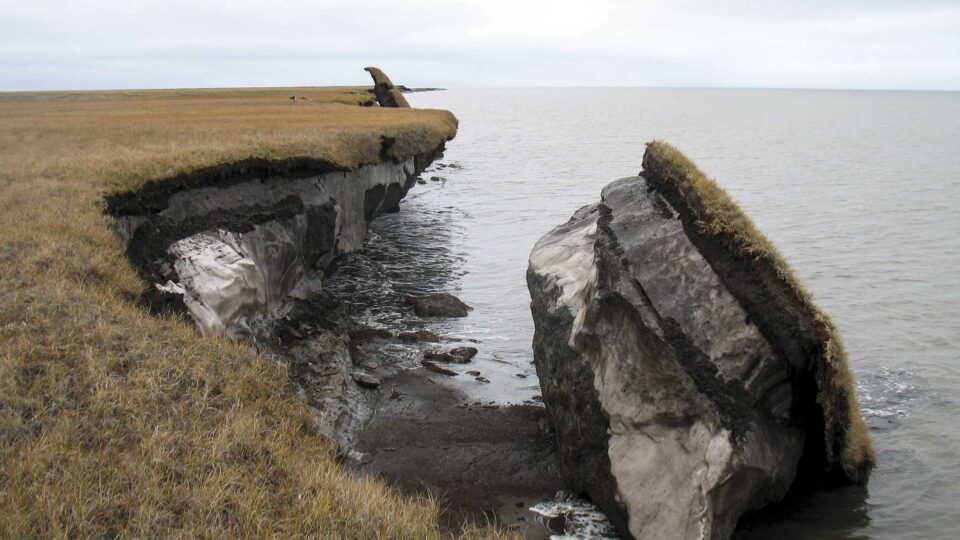
The thawing of the permafrost in the Arctic is a major concern from the standpoint of the potential release of enormous amounts of carbon dioxide trapped in it.  There are nearly 2,000 billion tons of carbon there, which is as much as humanity releases into the atmosphere in 50 years.  But greenhouse gases are not the only danger posed by permafrost thawing.  There are also microbes, unknown viruses, and chemicals that could be very dangerous.

More than 100 diverse microorganisms in Siberia’s deep permafrost have been found to be antibiotic resistant.  The deep permafrost is one of the few environments on Earth that have not been exposed to modern antibiotics.  As the permafrost thaws, its bacteria could mix with meltwater and create new antibiotic-resistant strains.

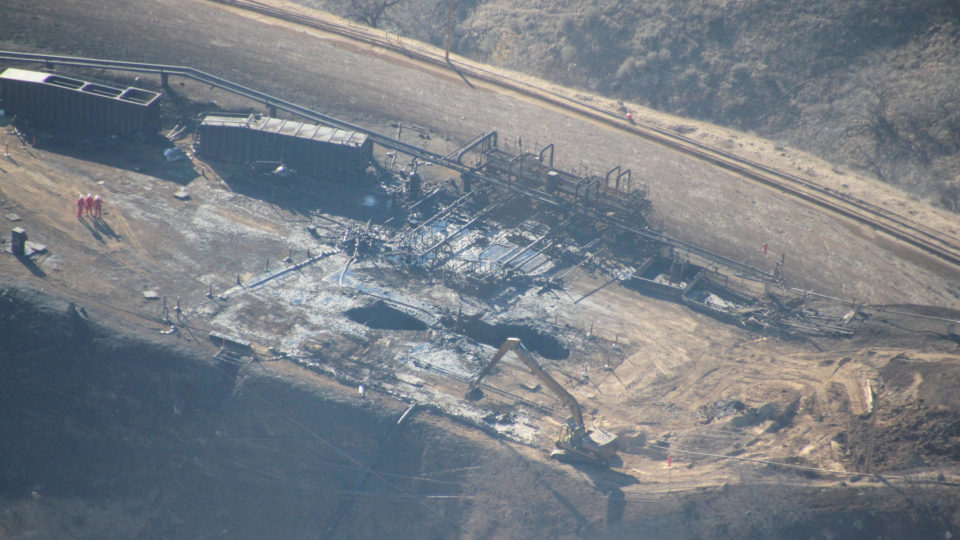
By-products of fossil fuels – introduced into permafrost environments since the beginning of the industrial revolution – are present.  Metal deposits including arsenic, mercury, and nickel, have been mined for decades and have contaminated large areas.

Now-banned pollutants and chemicals – including DDT – came to the Arctic through the atmosphere and over time have become trapped in the permafrost.

There is now ongoing research further characterizing the microbes frozen in permafrost and providing more precise measurement of emissions hotspots in permafrost regions.  Scientists are increasingly turning to integrated Earth observations from the ground, the air, and space.

There are models that predict the gradual release of emissions from permafrost over the next century.  Other models say it could happen within just a few years.  The worst-case scenario would be utterly catastrophic but none of the scenarios portend anything good.

**********

Web Links

Thawing Permafrost Could Leach Microbes, Chemicals Into Environment

Photo, posted February 9, 2017, courtesy of Benjamin Jones/USGS via Flickr.

Earth Wise is a production of WAMC Northeast Public Radio.

California’s Silent Health Hazard | Earth Wise

April 23, 2021 By EarthWise Leave a Comment

California oil wells a silent public health hazard

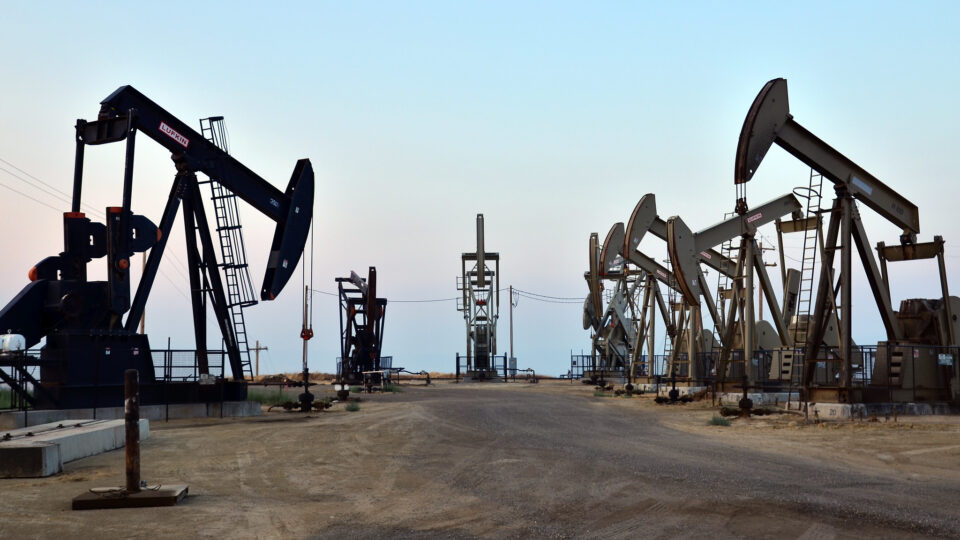
For people in the Los Angeles area, it is a familiar sight to see oil wells pumping away on hillsides, in residential neighborhoods, and other places.  In fancier parts of town, oil wells are hidden behind facades located next door to dry cleaners and lamp stores.

Every year, more than 140 million barrels of oil are extracted from the state of California, coming from a vast subterranean formation that spans nearly the entire state along the coast and spreading inland as well.  About 30% of the state’s oil comes from the Los Angeles area.

The oilfields are mostly old, and their wells played out.  As a result, high-tech drilling and a slew of toxic chemicals are needed to extract the last dregs of crude oil.

Unlike more rural oil-producing states, where oilfields might be uninhabited except for the people who work on them, drilling in California happens to a large degree in residential settings.  Over the years, it has become increasingly clear that certain chemical byproducts of oil extraction, among them benzene and hydrogen sulfate, can cause a variety of health problems.  For example, recent research has found connections between exposure to oil and gas well sites and spontaneous pre-term births, low-birthweight babies, and other adverse birth outcomes.

Statewide, little is being done to protect residents and schoolchildren from any of the suspected consequences of living near an oil or gas well.  Regulations are weak and spottily enforced because the oil industry still wields a lot of political power in the state.  Environmental groups and justice advocates are actively seeking to create new protections for California citizens, but it remains an uphill battle.

**********

Web Links

The Oil Well Next Door: California’s Silent Health Hazard

Photo, posted July 11, 2017, courtesy of John Ciccarelli / Bureau of Land Management California via Flickr.

Earth Wise is a production of WAMC Northeast Public Radio.

More Plastic Pollution On The Way | Earth Wise

January 31, 2020 By EarthWise Leave a Comment

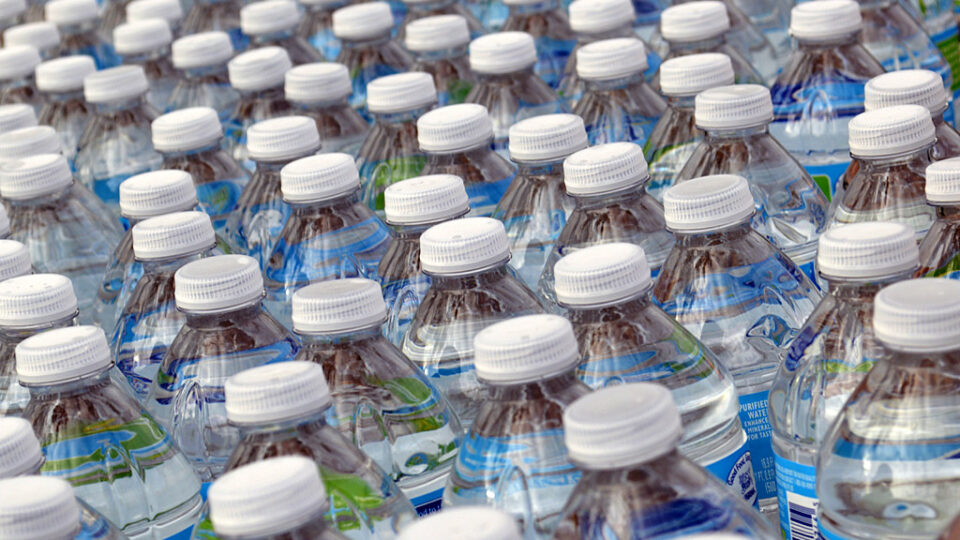
Public concern about plastic pollution has been rising.  More and more of us are choosing reusable grocery bags, metal straws, and reusable water bottles.  We shake our heads at images of immense plastic garbage patches in the ocean. We see reports of birds with 15% of their body weight in plastic.

While all of this is going on, companies like ExxonMobil, Shell, and Saudi Aramco are ramping up production of plastic – which is mostly made from oil, gas, and their byproducts.  They are doing this as a hedge against the growing possibility that the global response to climate change will reduce demand for their fuels.  Plastics are part of the category called petrochemicals, which currently account for 14% of oil use.  Petrochemicals are expected to drive half of oil demand growth over the next 30 years.

The World Economic Forum predicts plastic production will double in the next 20 years.  The fracking boom in the United States has turned this country into a big growth area for plastic production.  Natural gas prices are low which is hurting profits at fracking operations.  But fracking also unearths ethane, which is a feedstock for plastic production.  So plastic is becoming a kind of subsidy for fracking.

The American petroleum industry’s hub has historically been the Gulf Coast of Texas and Louisiana as well as a stretch along the lower Mississippi River.  There is a slew of new projects there.  The industry is also seeking to create a new plastics corridor in Ohio, Pennsylvania, and West Virginia, where fracking wells are rich in ethane.

Society in general may be increasingly concerned about the impact of things like carbon emissions and plastic pollution, but the fossil fuel industry continues to focus entirely on growth and profits.

**********

Web Links

The Plastics Pipeline: A Surge of New Production Is on the Way

Photo, posted January 10, 2015 , courtesy of Daniel Orth via Flickr.

Earth Wise is a production of WAMC Northeast Public Radio.

Fighting Methane With Bacteria

June 14, 2018 By EarthWise Leave a Comment

https://earthwiseradio.org/wp-content/uploads/2018/06/EW-06-14-18-Fighting-Methane-with-Bacteria.mp3

Bacteria may have an important role to play in the effort to reduce greenhouse gas emissions.  A group of researchers at the University of Alberta are genetically engineering non-hazardous bacteria that consume methane and turn it into fuel.

[Read more…] about Fighting Methane With Bacteria

Primary Sidebar

Recent Episodes

  • An uninsurable future
  • Clean energy and jobs
  • Insect declines in remote regions
  • Fossil fuel producing nations ignoring climate goals
  • Trouble for clownfishes

WAMC Northeast Public Radio

WAMC/Northeast Public Radio is a regional public radio network serving parts of seven northeastern states (more...)

Copyright © 2026 ·