• Skip to primary navigation
  • Skip to main content
  • Skip to primary sidebar

Earth Wise

A look at our changing environment.

  • Home
  • About Earth Wise
  • Where to Listen
  • All Articles
  • Show Search
Hide Search
You are here: Home / Archives for bigger

bigger

A hidden cost of climate change

August 25, 2025 By EarthWise Leave a Comment

Climate change is dramatically impacting food production by altering rainfall patterns, increasing temperatures, and triggering more frequent extreme weather events.  These changes make crops more vulnerable to droughts, floods, heatwaves, pests, and diseases, leading to lower yields and greater uncertainty for farmers worldwide.

But climate change isn’t just reshaping our planet.  It’s also changing what’s on our plates.  According to a new study by researchers from Liverpool John Moores University in the UK, rising carbon dioxide levels and warmer temperatures may be making food less nutritious.

The research team focused on popular leafy vegetables, including kale, rocket, and spinach.  The researchers simulated future UK climate conditions in growth chambers to study how the crops responded to hotter, CO2-rich environments.

The research team found that elevated CO2 levels help crops grow faster and bigger, but not healthier.  Over time, the crops showed a reduction in key minerals like calcium and certain antioxidant compounds.  These changes were exacerbated by increases in temperature.  In fact, the combination had complex effects.  The crops did not grow as big or fast, and the decline in nutritional quality intensified.

This nutritional imbalance poses serious human health implications.  Rising CO2 levels can increase sugar in crops while reducing essential nutrients, leading to calorie-rich but nutrient-poor diets. This shift may raise the risk of obesity, diabetes, and nutrient deficiencies, especially in vulnerable populations.

The challenge ahead isn’t just to grow enough food to feed a growing population, but to preserve the quality of that food in a changing climate.

*********

Web Links

Bigger crops, fewer nutrients: The hidden cost of climate change

Photo, posted May 25, 2010, courtesy of Jason Bachman via Flickr.

Earth Wise is a production of WAMC Northeast Public Radio

Toxic algae and West Coast marine life

June 5, 2025 By EarthWise Leave a Comment

Over the first several months of this year, hundreds of sea lions, dolphins, and seabirds have fallen ill or died after eating sardines or anchovies that had been feeding on an algal bloom along the California coast since winter.  The biotoxin in the algae accumulates in the feeder fish.

Two cases of whales dying from the biotoxin have been confirmed by two nonprofit organizations tasked with testing dead mammals.  These were a humpback that washed ashore in Huntington Beach in January and a minke whale found dead in Long Beach in April.

This is the fourth year a row that California has experienced major algal blooms.  Warmer waters are causing blooms to be bigger and more damaging than they have been before.  They enter into new areas and contaminate the food web for longer.  The warmer waters accelerate algae growth that is further fueled by nutrients that rise to the surface from deeper colder waters driven by winds that blow parallel to the coast.  This year’s algae event started earlier than usual and is lasting longer than normal.

More than a dozen animal rescue and rehabilitation groups that form NOAA’s West Coast Marine Mammal Stranding Network are providing resources to try to respond to the situation.  At the Marine Mammal Care Center in Los Angeles, more than 80 sea lions and seals were being treated for domoic acid poisoning, the result of ingesting algae neurotoxin.  Since February, it has cared for more than 300 poisoned animals.

Marine mammals are sentinel species for humans who also consume seafood.  The West Coast ocean ecosystem is currently filled with toxins.

**********

Web Links

California Toxic Algal Bloom Blamed for Months-long Marine Life Poisoning

Photo, posted March 26, 2025, courtesy of Marnee Jill via Flickr.

Earth Wise is a production of WAMC Northeast Public Radio
Methane And Wildfires | Earth Wise

May 29, 2023 By EarthWise Leave a Comment

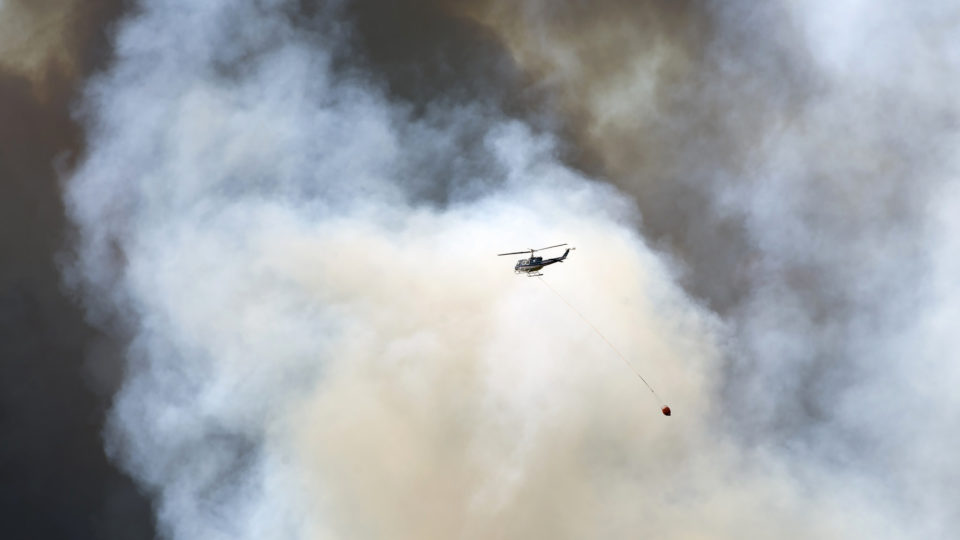
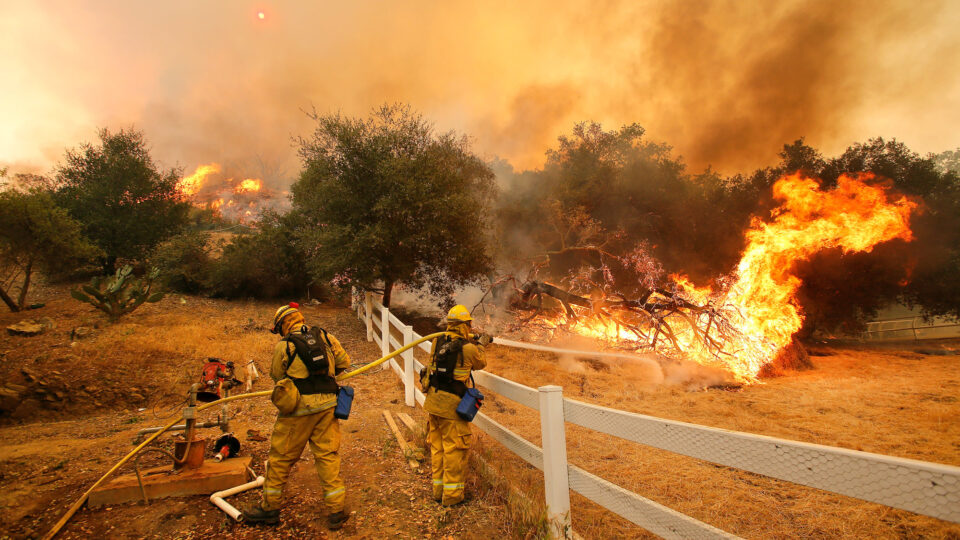
Wildfires release a massive amount of methane

Methane is a colorless and odorless gas that occurs abundantly in nature and is also a product of certain human activities.  It’s also a potent greenhouse gas, meaning it affects climate change by contributing to increased warming.  In fact, methane gas is known to warm the planet 86 times more effectively than carbon dioxide over a 20-year period.

According to the U.S. EPA, up to 65% of total methane emissions around the world come from the following human activities: raising livestock, leaks from natural gas systems, and waste from landfills. 

Scientists from the University of California, Riverside have discovered that wildfires are releasing a massive amount of methane gas into the atmosphere.  According to the research team, this source of methane is not currently being tracked by air quality managers in California.  And this omission could have significant implications for climate change mitigation efforts in the state. 

Methane from wildfires is nothing new.  But what is new is just how much of the stuff is being emitted.  According to the findings, which were recently detailed in the journal Atmospheric Chemistry and Physics, the amount of methane from the top 20 fires in 2020 was more than seven times greater than the average from wildfires in the previous 19 years.  Wildfires were the third largest source of methane emissions in California in 2020. 

In 2016, California passed a law requiring a 40% reduction in air pollutants contributing to global warming by 2030.  But as wildfires continue to get bigger and more intense, achieving those reduction targets will get increasingly difficult.

**********

Web Links

Methane from megafires: more spew than we knew

Detecting Methane

Photo, posted November 30, 2015, courtesy of Daria Devyatkina via Flickr.

Earth Wise is a production of WAMC Northeast Public Radio
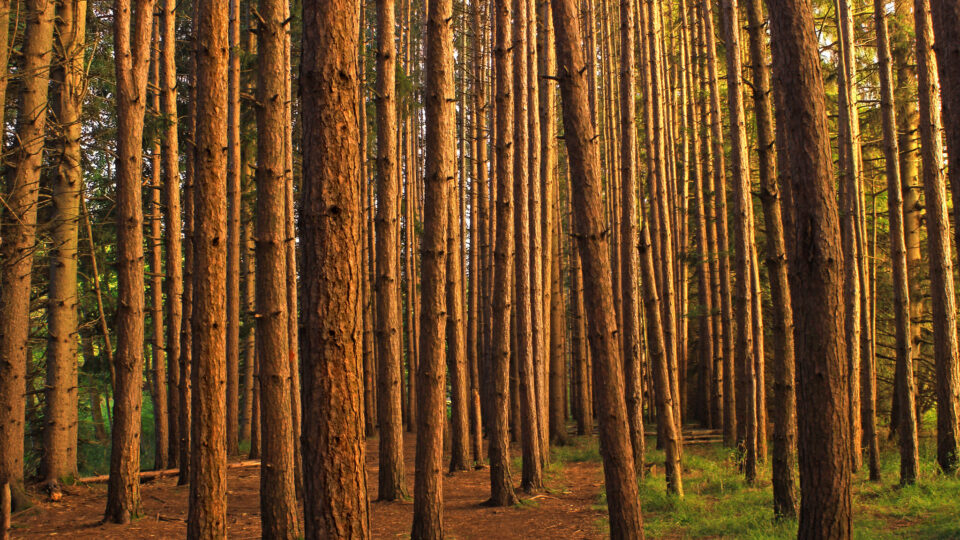
Trees Are Growing Bigger | Earth Wise

November 3, 2022 By EarthWise Leave a Comment

The alarming rate of carbon dioxide flowing into the atmosphere is having a real and actually positive effect on plant life. Higher concentrations of carbon dioxide make plants more productive because photosynthesis makes use of the sun’s energy to synthesize sugar out of carbon dioxide and water.  Plants make use of the sugar both as a source of energy and as the basic building block for growth.  When carbon dioxide levels go up, plants can take it up faster, supercharging the rate of photosynthesis.

In a new study published in the journal Nature Communications, scientists at Ohio State University found that trees are feasting on decades of carbon dioxide emissions and are growing bigger as a result. 

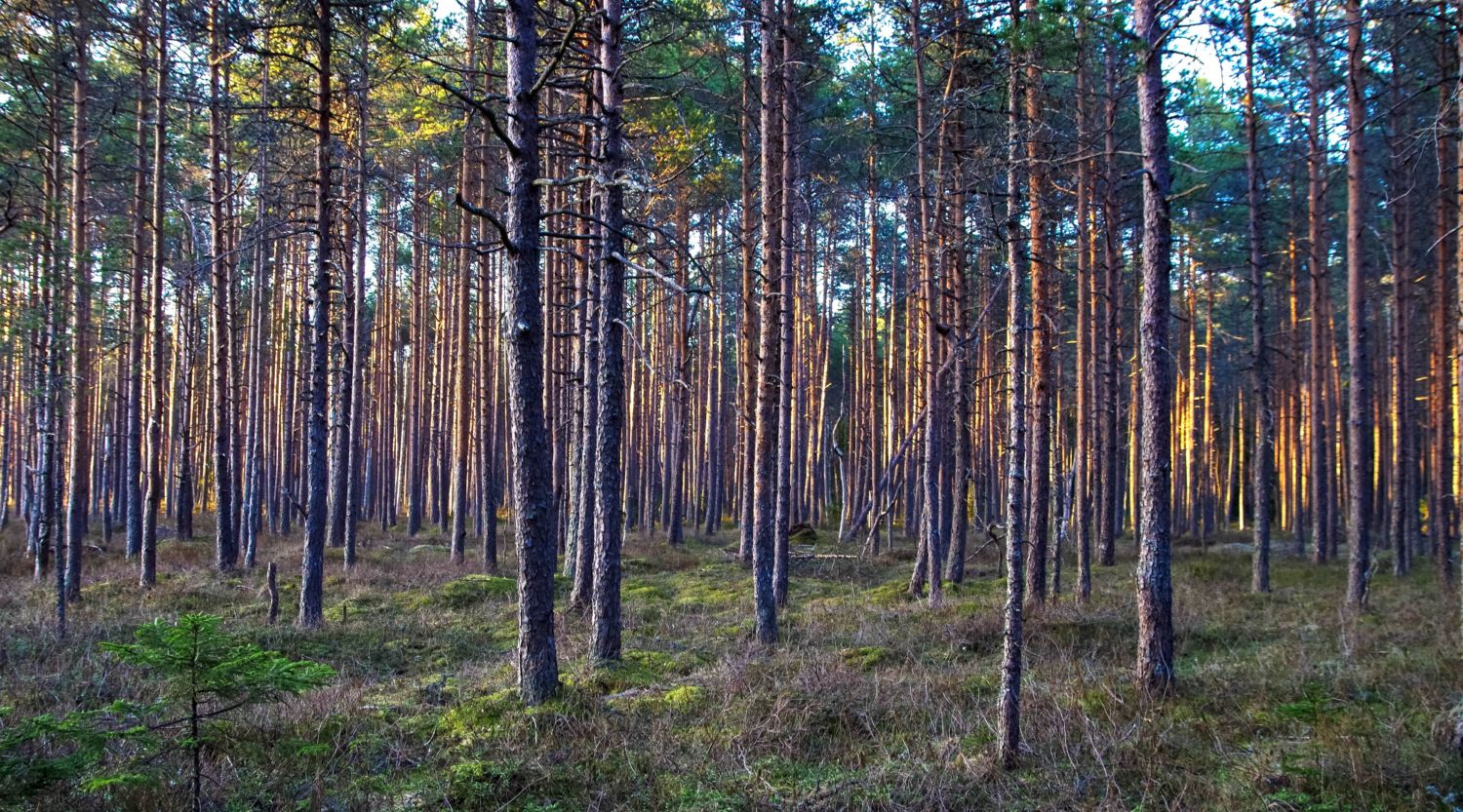
The researchers tracked wood volume in 10 different tree groups from 1997 to 2017 and found that all of them except aspens and birches grew larger.  Over that time period, carbon dioxide levels climbed from 363 parts per million to 405 parts per million.  According to the study, each 1% increase in lifetime CO2 exposure for trees has led to more than a 1% increase in wood volume.

In the big picture, the news isn’t so positive.  The global warming caused by increasing carbon dioxide levels increasingly threatens the forests of the world.  It has led to worsening droughts, insect infestations, and wildfires.  So overall, increasing levels of carbon dioxide are by no means a good thing for the world’s trees.  However, since trees are growing bigger more quickly, it means that planting them is an increasingly cost-effective method for fighting climate change because the same number of trees can sequester more carbon.

**********

Web Links

As Carbon Dioxide Grows More Abundant, Trees Are Growing Bigger, Study Finds

Photo, posted September 12, 2015, courtesy of Nicholas A. Tonelli via Flickr.

Earth Wise is a production of WAMC Northeast Public Radio

SUVs And Carbon Emissions

December 17, 2019 By EarthWise Leave a Comment

Global carbon dioxide emissions increased between 2010 and 2018.  The largest contributor to this increase was the power sector as electricity demand around the world continued to grow.   The second largest contributor to increased emission turns out to be SUVs, even while emissions for other cars actually decreased.

During that time period, SUVs more than doubled their global market share from 17% to 39% and their annual emissions rose to more than 700 million tons of CO2, which is more than the yearly total emission of the UK and the Netherlands combined.

This dramatic shift toward bigger, heavier SUVs has offset both efficiency improvements in small cars and savings from electric vehicles.  If SUV drivers were a nation, they would rank 7th in the world for carbon emissions.

SUVs are bigger, they are heavier, and their aerodynamics are poor.  As a result, it takes more gas to drive them.  They started to become popular in the 1980s – mostly in American suburbia – but now they have become globally popular.

The demand for SUVs is thought to be driven by perceptions of heightened safety or increased social status.  There is also the marketing and business strategy of manufacturers who obtain larger profit margins in the SUV segment.  Of course, for at least some consumers, the utility aspects of sport utility vehicles are actually important and not just the status.

For whatever reasons, SUVs are likely to be extremely popular for the foreseeable future as demand for sedans continues to decline.  Fortunately, electric SUVs are beginning to enter the market – including next year’s mass-market priced Tesla Model Y.  Such cars are the best solution to emissions from SUVs.

**********

Web Links

Demand for SUVs a Major Contributor to the Increase in Global CO2 Emissions

Photo, posted May 9, 2017, courtesy of Yonkers Honda via Flickr.

Earth Wise is a production of WAMC Northeast Public Radio.

Bigger Is Better For Wind Energy

February 13, 2019 By EarthWise Leave a Comment

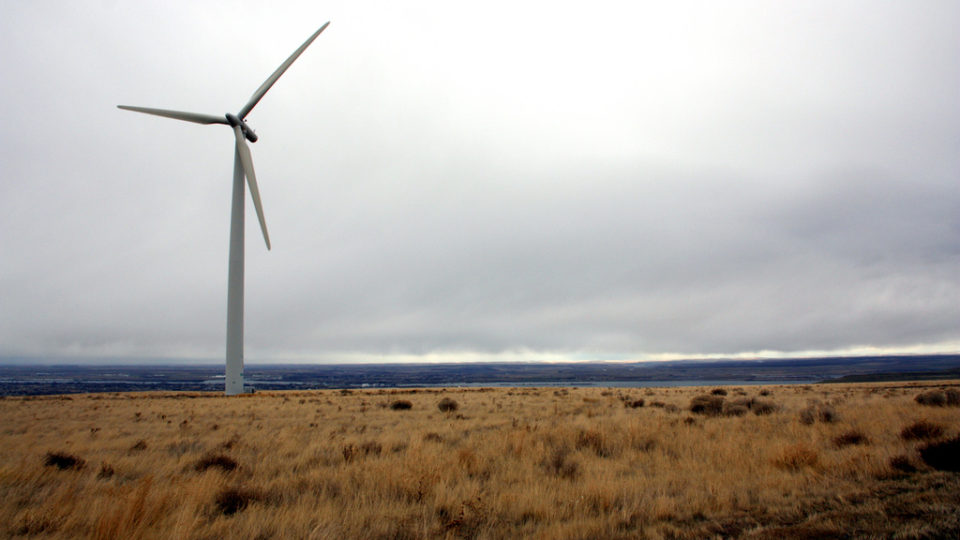
Bigger is almost always better for wind power.  Bigger wind farms are better than smaller wind farms and bigger wind turbines are better than smaller ones.

The biggest turbines currently available produce nearly 10 MW of power, which is enough to supply over 2,000 homes with electricity.  A wind farm with just a few of these turbines could produce enough electricity for a small town.  A big wind farm, like the giant 1,550 MW Alta Wind Energy Center in California can generate enough power for a small city.

Vestas Wind Systems, an industry leader based in Denmark, has announced a 10 MW turbine that will be ready for installation in two years.  The rotor diameter of the giant machine is 538 feet and the blades sweep out an area of 227,000 square feet, the size of nearly 4 football fields.

Not to be outdone, General Electric is developing a 12 MW offshore wind turbine that will stand 850 feet tall and sweep out an area of more than 400,000 square feet.  GE estimates that its 12 MW turbine will achieve nearly twice the capacity factor of its 6 MW turbine.

Companies are building bigger and bigger wind turbines because they are more cost effective.  The capacity factor, which is the actual energy production divided by the potential energy production, goes up as the turbines get bigger and more efficient.  In terms of dollars spent to produce a given amount of power, larger windfarms are less expensive to build than smaller ones.  A wind farm of 200-500 MW capacity is about 40% cheaper per MW capacity than a 25 MW wind farm.

When it comes to wind energy, there is no doubt that bigger is better.

**********

Web Links

Wind Energy — Where Bigger Is Better

Photo, posted February 14, 2012, courtesy of Aaron Warner via Flickr.

Earth Wise is a production of WAMC Northeast Public Radio.

Wildfires And The Water Supply

November 12, 2018 By EarthWise Leave a Comment

https://earthwiseradio.org/wp-content/uploads/2018/10/EW-11-12-18-Wildfires-and-the-Water-Supply.mp3

Hotter and dryer conditions are leading to an increasing number of wildfires in North America and elsewhere around the world.  The damage they cause is well-known.  But one aspect of that damage that tends to be overlooked is the impact on aquatic environments and drinking water supplies.

[Read more…] about Wildfires And The Water Supply

Using Less Energy

December 19, 2016 By EarthWise

https://earthwiseradio.org/wp-content/uploads/2016/12/EW-12-19-16-Using-Less-Energy.mp3

Americans comprise less than 5% of the world’s population, but we use almost 20% of its energy.  This is a problem from many perspectives and it is one that we are at least trying to solve.

[Read more…] about Using Less Energy

Primary Sidebar

Recent Episodes

  • An uninsurable future
  • Clean energy and jobs
  • Insect declines in remote regions
  • Fossil fuel producing nations ignoring climate goals
  • Trouble for clownfishes

WAMC Northeast Public Radio

WAMC/Northeast Public Radio is a regional public radio network serving parts of seven northeastern states (more...)

Copyright © 2026 ·