• Skip to primary navigation
  • Skip to main content
  • Skip to primary sidebar

Earth Wise

A look at our changing environment.

  • Home
  • About Earth Wise
  • Where to Listen
  • All Articles
  • Show Search
Hide Search
You are here: Home / Archives for beauty

beauty

Nature: An important climate ally

June 10, 2025 By EarthWise Leave a Comment

Nature is often seen as a victim of climate change, but it’s also one of the most powerful tools we have to fight it. Natural ecosystems, such as forests, wetlands, grasslands, oceans, and soils, absorb and store massive amounts of carbon dioxide. These ecosystems not only help reduce the concentration of greenhouse gases in the atmosphere, but they also regulate temperatures and provide buffers against extreme weather.

One of the most effective strategies for mitigating climate change is simply protecting and restoring these natural areas. For example, mangrove forests – those coastal wetlands filled with tangled, salt-tolerant trees – sequester carbon at high rates and help protect coastal communities from storm surges and rising seas.  Peatlands – another type of wetland – store more carbon than all the world’s forests combined – despite only covering 3% of Earth’s land surface.  Global restoration efforts are underway, from replanting mangroves in Southeast Asia to rewetting degraded peatlands in Europe.

Creating urban green spaces like parks and community gardens, restoring forests through native tree plantings, and adopting sustainable agricultural practices like cover cropping and agroforestry are all proven to be low-cost, high-impact climate solutions. 

While nature-based solutions are gaining recognition, they remain critically underfunded, according to a recent United Nations report.  Closing this gap is essential to unlocking nature’s  full climate potential.

Investing in nature isn’t just about preserving Earth’s natural beauty.  It’s a practical strategy for building a more resilient and sustainable future.

**********

Web Links

Mangrove forests and rising seas

Financing Nature-based Solutions for a better future

Finding peatlands

The Importance Of Urban Green Spaces

Photo, posted October 23, 2011, courtesy of the Everglades National Park / NPS via Flickr.

Earth Wise is a production of WAMC Northeast Public Radio

Microplastics in Antarctica

March 3, 2025 By EarthWise Leave a Comment

Microplastics are small plastic pieces less than five millimeters long and typically far smaller than that.  They come from a variety of sources, often from larger plastic debris that degrades into smaller and smaller pieces.  There are also microbeads, which are tiny pieces of manufactured polyethylene plastic that are added to various health and beauty products.  Tiny bits of plastic easily pass through filtration systems and end up in the ocean and other bodies of water.

Microplastics are a pervasive problem for which nowhere on Earth is truly untouched.  Despite stringent regulations on materials entering Antarctica, scientists have discovered microplastics in the snow near some of the deep field camps there.

A study by the British Antarctic Survey made use of a new and advanced technique that can detect microplastics as small as 11 microns – about the size of a red blood cell.

The research team found microplastics at concentrations ranging from 73 to 3,099 particles per liter of snow. 

Snow samples from three different sites identified polyamide (used in textiles), polyethylene terephthalate (found in bottles and packaging), polyethylene, and synthetic rubber.  The results suggest that at least the polyamide, which accounted for half the microplastics found, came from local sources.

Additional research is needed to fully understand the sources of microplastic pollution in Antarctica and to understand the broader implications of microplastics in that frozen wilderness. Microplastics have already been detected in several penguin, seal, and fish species.

**********

Web Links

Microplastics discovered in Antarctica

Photo, posted February 3, 2015, courtesy of Christian Stangl via Flickr.

Earth Wise is a production of WAMC Northeast Public Radio
Microplastics And Florida’s Birds of Prey | Earth Wise

June 19, 2020 By EarthWise Leave a Comment

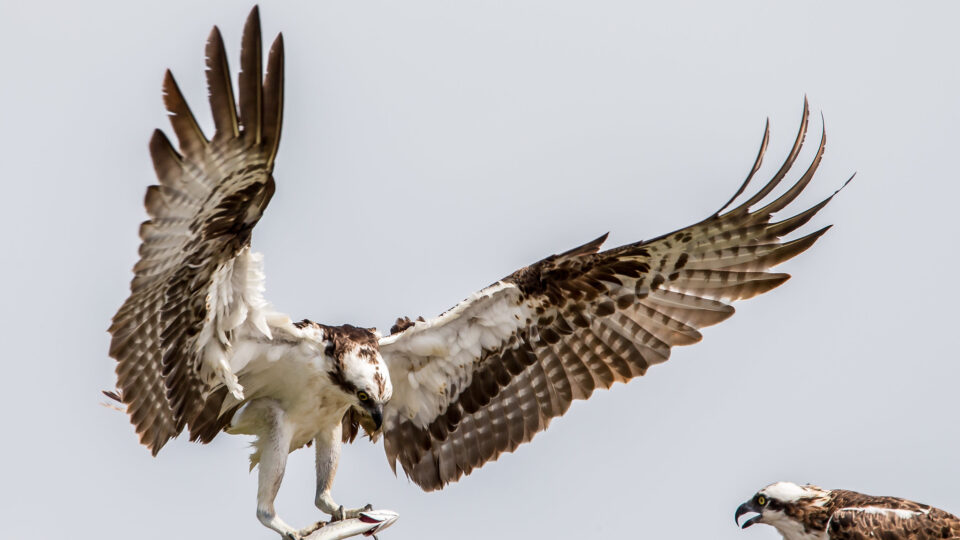
Microplastics found in Florida's birds of prey

Plastic debris comes in all different shapes and sizes, but those that are less than five millimeters in length are called microplastics.  Some microplastics come from larger plastic debris that degrades into smaller bits over time.  Another type of microplastics – called microbeads – are intentionally manufactured tiny plastic beads that are added as exfoliants to some health and beauty products. 

According to a new study published in the journal Environmental Pollution, researchers have confirmed and quantified the presence of microplastics in terrestrial and aquatic birds of prey in Florida for the first time.  This research is important because these birds of prey, including ospreys, hawks, and owls, are critical to maintaining a healthy ecosystem.  The accumulation of microplastics in their digestive systems could lead to a myriad of health issues, including starvation.  

Working with the Audubon Center for Birds of Prey in Florida, the research team from the University of Central Florida was able to examine the stomachs of 63 deceased birds.  The team found microplastics in every bird it examined, extracting nearly 1,200 pieces of plastic in total.  Microfibers represented 86% of the plastic pieces. 

It’s common for plastic microfibers to enter ecosystems through the wastewater from washing machines.  A 2016 study found that 700,000 plastic fibers come off in a typical wash.  While there are lots of variables, synthetic fabrics account for 60% of the material used in clothing worldwide. 

To help cut down on plastic in the environment, the research team suggests removing plastics from open landfills, purchasing only natural fabrics and clothing, and modifying water treatment facilities to capture microplastics. 

**********

Web Links

Microplastics found in Florida’s birds of prey for first time

Photo, posted April 15, 2016, courtesy of Andy Morffew via Flickr.

Earth Wise is a production of WAMC Northeast Public Radio.

Why Save Endangered Species?

December 9, 2019 By EarthWise Leave a Comment

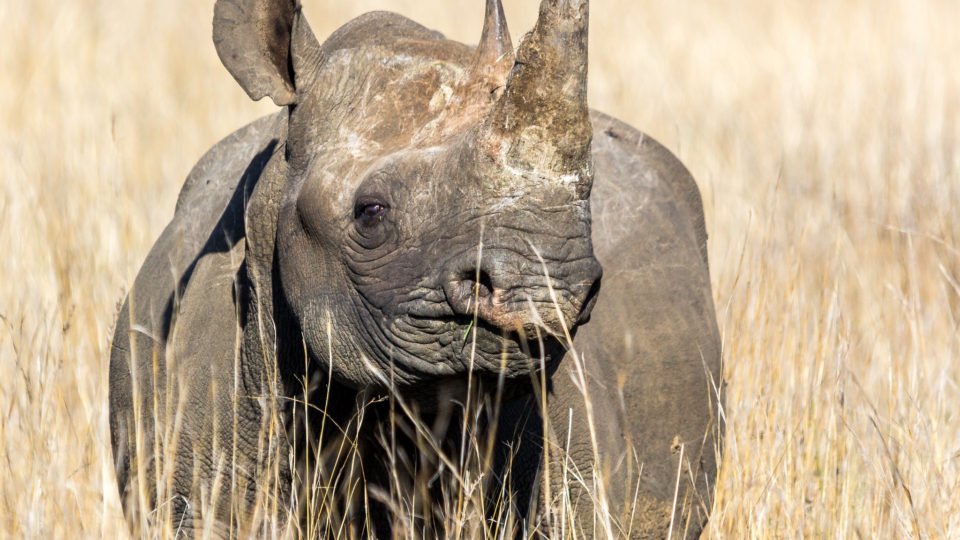
One often hears the argument that humans need to save the world’s endangered species in order to save ourselves.  Carl Safina, a marine ecologist and award-winning environmental writer, has written a thought-provoking essay that offers the viewpoint that we don’t actually need the wild species of the world but that they need us.

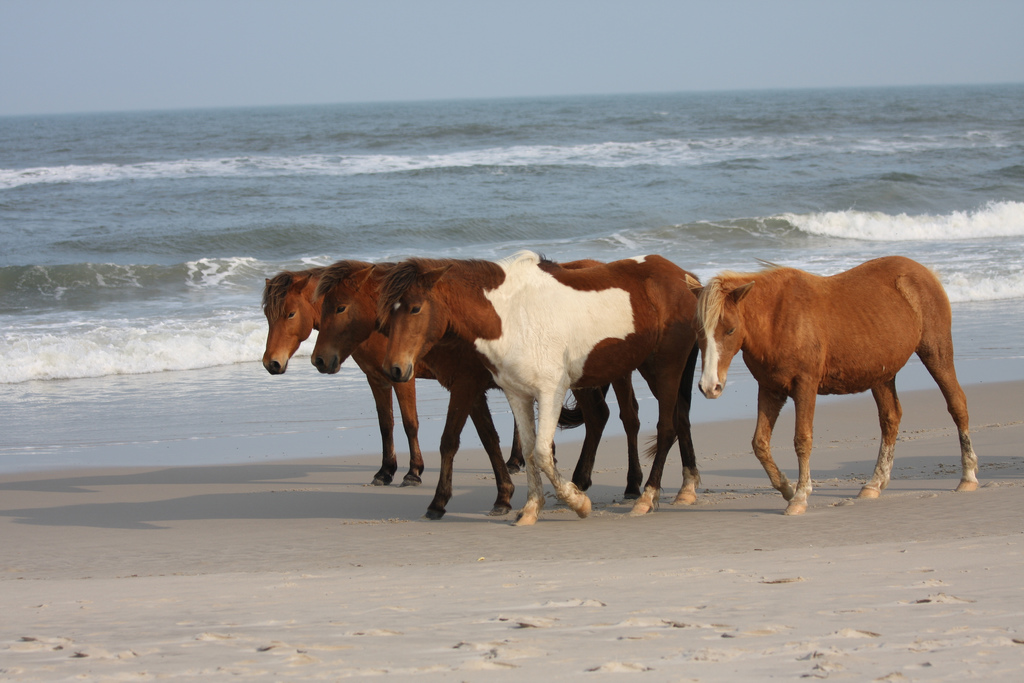
The truth is that human beings have thrived by destroying nature.  We have exploited other species when they were useful to us and simply pushed them aside when they weren’t.  We drove America’s most abundant bird – the passenger pigeon – to extinction.  The most abundant large mammal – the bison – was driven to functional extinction.

In today’s world, people live at high densities in places devoid of wild species and natural beauty.  And while we express concern for elephants, gorillas, sperm whales, tigers, and various other species, how would the lives of most of us be affected at all should they vanish entirely?  The unfortunate truth is that it would make little difference to our lives.

The only species that are really essential to modern living are actually microbes of decay, a few insect pollinators, and the ocean’s photosynthesizing plankton.  Life would go on little changed without most other co-inhabitants of our planet.

Safina argues that our obligation to protect endangered species does not come from our dependence upon them but rather on a moral obligation.  Humans consider ourselves to be the most moral species and, as such, we have moral obligations.  In this case, it is to protect the beauty and wonder of our world, which is not trivial but in fact is the most profound thing on earth.

Safina has much more to say about this and I strongly recommend reading his essay.  You can find the link here.

**********

Web Links

The Real Case for Saving Species: We Don’t Need Them, But They Need Us

Photo, posted December 9, 2014, courtesy of Gerry Zambonini via Flickr.

Earth Wise is a production of WAMC Northeast Public Radio.

Changing National Parks

January 12, 2017 By EarthWise

https://earthwiseradio.org/wp-content/uploads/2017/01/EW-01-12-17-Changing-National-Parks.mp3

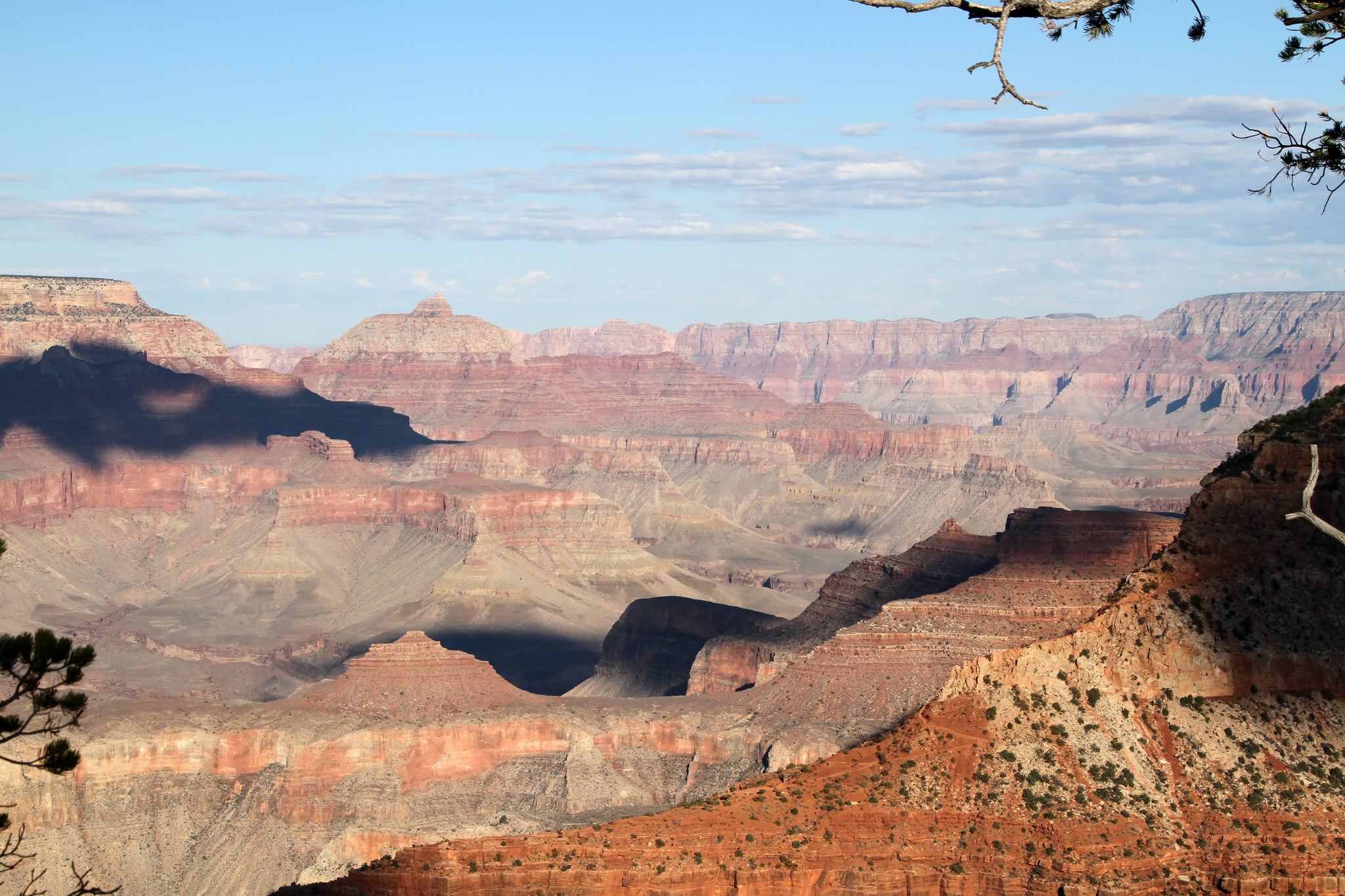
America’s National Parks are special places of incomparable beauty and fascination.  When the National Park Service was first created 100 years ago, it was instructed to leave these places “unimpaired for the enjoyment of future generations.”   We now live in a time when the changing climate is altering many aspects of the landscape including in many national parks.  The parks are protected, but they are changing.

[Read more…] about Changing National Parks

Natural World Heritage Sites

May 5, 2016 By WAMC WEB

https://earthwiseradio.org/wp-content/uploads/2016/04/EW-05-05-16-Natural-World-Heritage-Sites.mp3

Natural world heritage sites exemplify the world’s greatest areas of natural beauty, ecology, geology, and biodiversity.  They are recognized internationally for their value as places with significance that is “so exceptional as to transcend national boundaries and be of common importance for present and future generations of all humanity.”  Many of these areas also are a vital source of food, fuel, and water for rural communities, and provide a revenue stream for national economies through tourism and recreation.  The livelihoods of some 11 million people are directly dependent on these areas. 

[Read more…] about Natural World Heritage Sites

Primates And Toucans As Climate Allies

January 14, 2016 By WAMC WEB

https://earthwiseradio.org/wp-content/uploads/2016/01/EW-01-14-16-Big-Animals.mp3

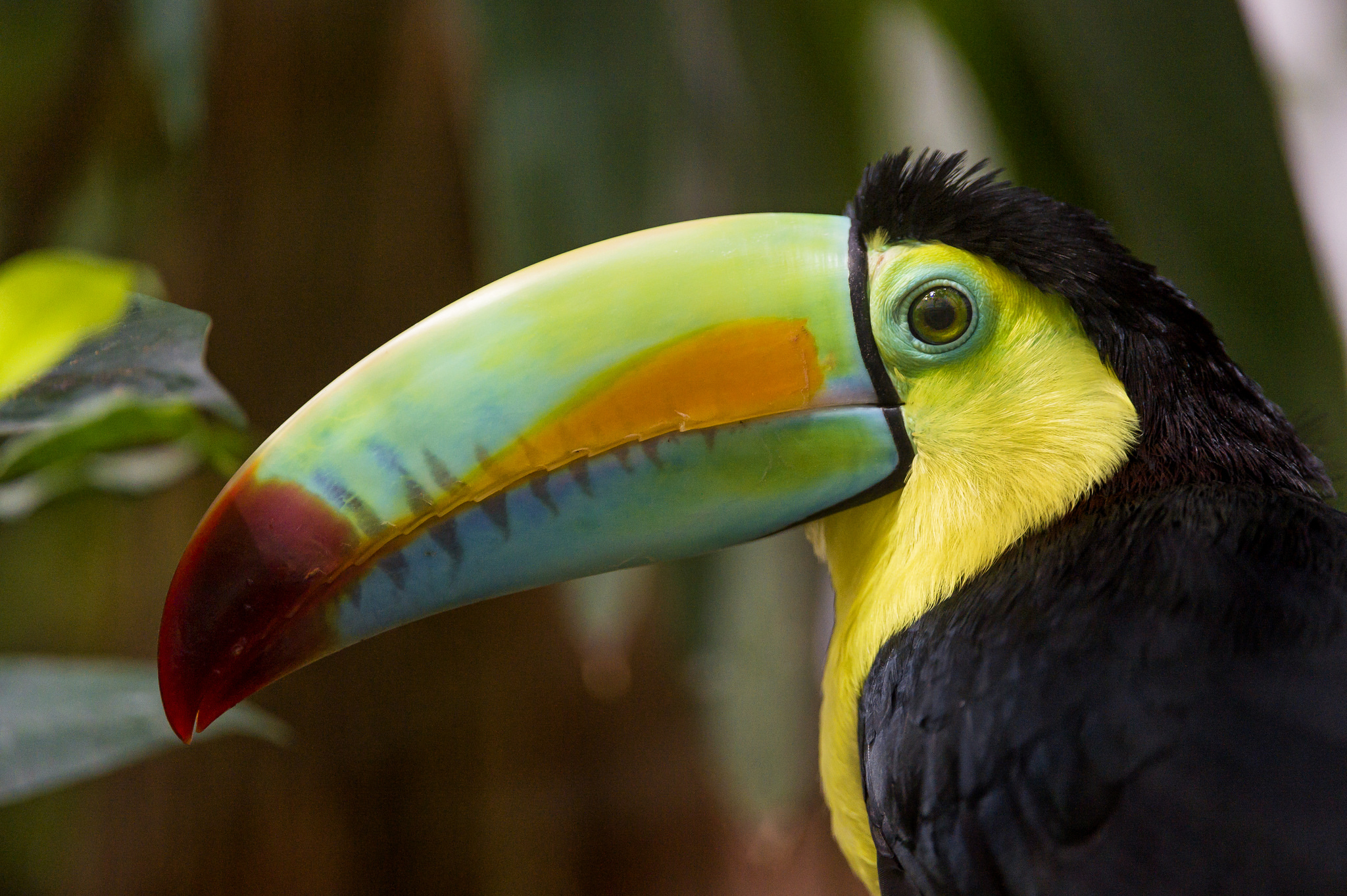
Many of us have a soft spot for primates and toucans. These charismatic creatures are prized for their intellect and beauty. But did you know they also play a vital role in combating climate change?

[Read more…] about Primates And Toucans As Climate Allies

Primary Sidebar

Recent Episodes

  • An uninsurable future
  • Clean energy and jobs
  • Insect declines in remote regions
  • Fossil fuel producing nations ignoring climate goals
  • Trouble for clownfishes

WAMC Northeast Public Radio

WAMC/Northeast Public Radio is a regional public radio network serving parts of seven northeastern states (more...)

Copyright © 2025 ·