• Skip to primary navigation
  • Skip to main content
  • Skip to primary sidebar

Earth Wise

A look at our changing environment.

  • Home
  • About Earth Wise
  • Where to Listen
  • All Articles
  • Show Search
Hide Search
You are here: Home / Archives for atlantic coast

atlantic coast

The end of coal in New England

May 3, 2024 By EarthWise Leave a Comment

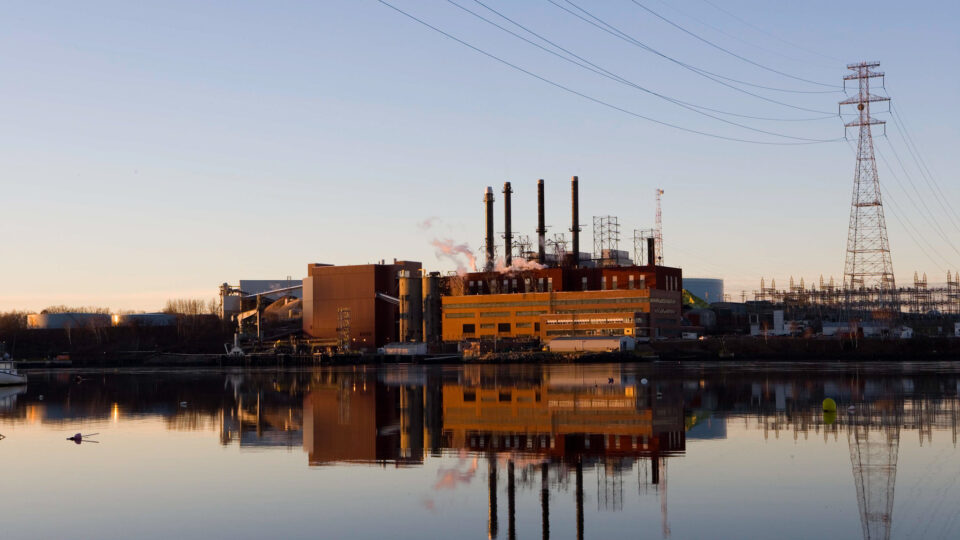
Photo, posted October 14, 2015, courtesy of Eversource NH via Flickr.

The last two coal-fired power plants in New England are scheduled to close by 2025 and 2028.  The New Hampshire-based plants are operated by Granite Shore Power.  The Schiller Station plant began operations in 1949 and the Merrimack Station was built in the 1960s.

Granite Shore Power has come to an agreement with the Environmental Protection Agency as part of a settlement of lawsuits by the Conservation Law Foundation and the Sierra Club.  The two power plants were the subject of a five-year legal battle waged by clean energy advocates

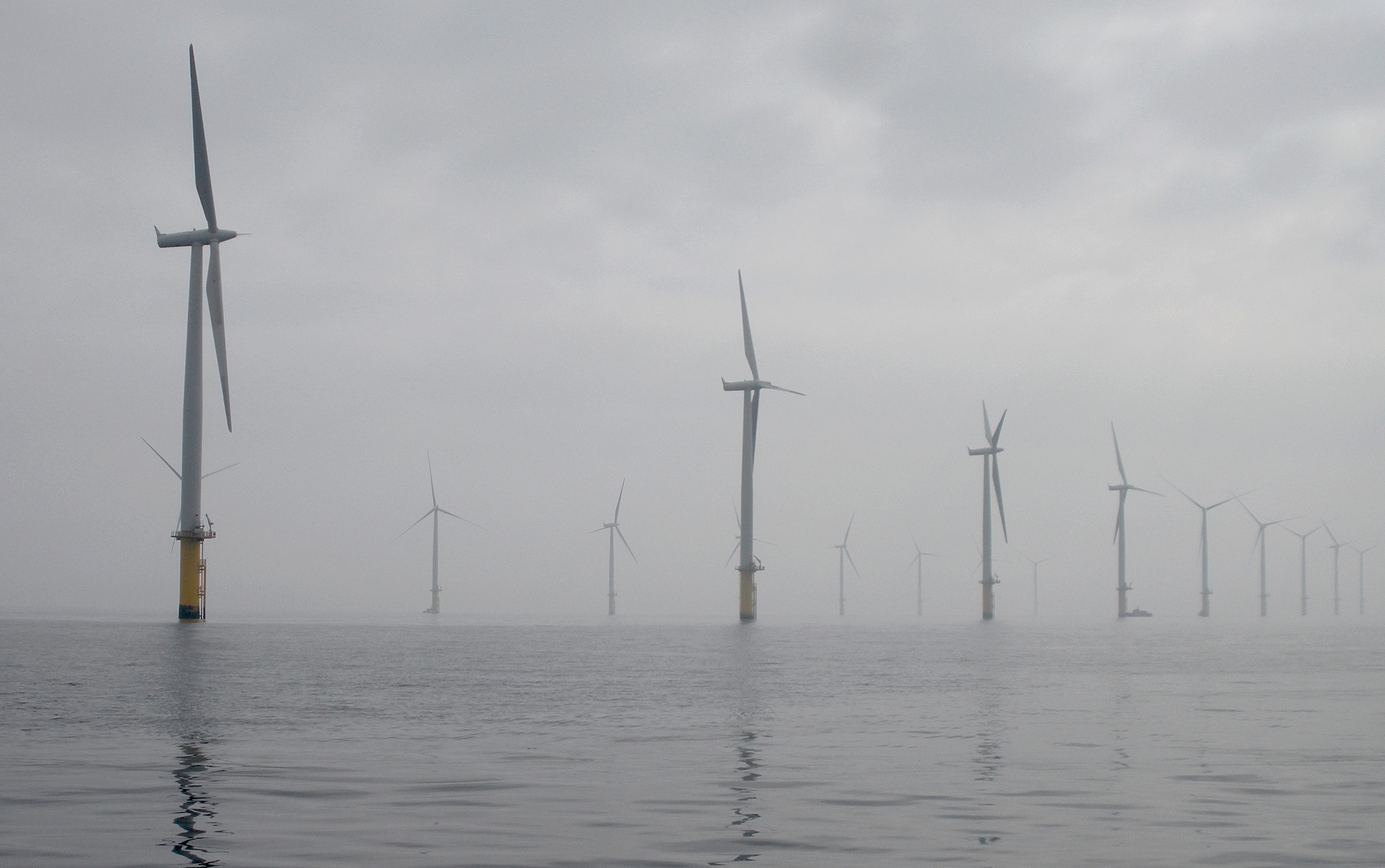
Granite Shore Power intends to turn both of the sites into renewable energy parks.  The plants will be converted into solar farms and battery units that can be used to store electricity generated by offshore wind turbines along the Atlantic Coast.  Granite Shore Power bought the two power plants in 2018 with the intention of transitioning the coal generation systems into less polluting operations.

The battery storage system at the Schiller Station site in Portsmouth will be named the Jacona II in honor of a self-propelled floating power barge that brought power to parts of Maine and New Hampshire between 1919 and 1930.

Coal use has dropped dramatically in the United States in recent years as natural gas and renewable sources like wind and solar have become less expensive.  As of last year, coal only produced about 17% of American electricity and its use continues to decline. 

Coal is the dirtiest fossil fuel.  In 2021, when it generated less than a quarter of the electricity produced in the US, it accounted for 59% of carbon emissions from electricity generation.

**********

Web Links

The Last Coal-Fired Power Plants in New England Are to Close

Photo, posted October 14, 2015, courtesy of Eversource NH via Flickr.

Earth Wise is a production of WAMC Northeast Public Radio
Manatees And Pollution | Earth Wise

November 11, 2021 By EarthWise Leave a Comment

Pollution wreaking havoc on Florida manatees

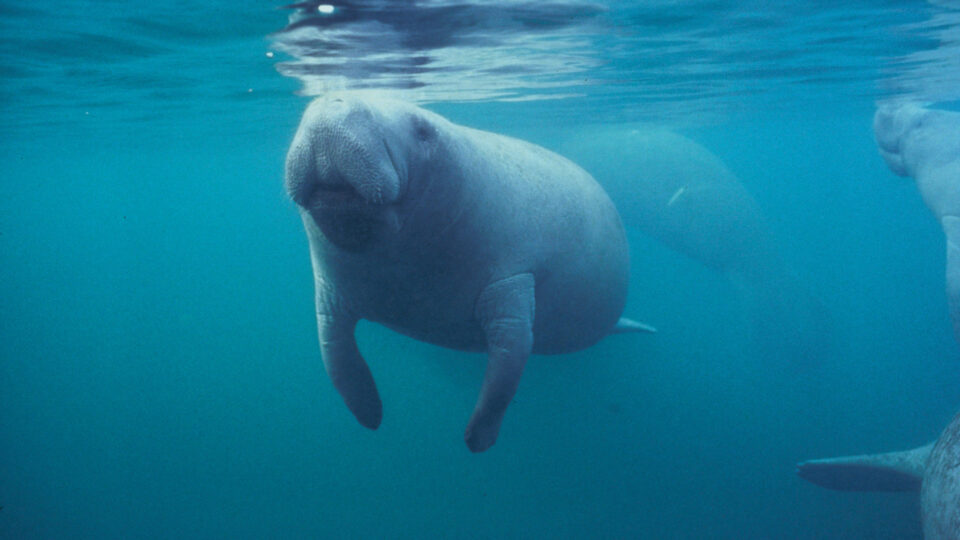
Manatees are large, gentle, and curious marine mammals measuring up to 13 feet long and weighing up to 3,300 lbs.  There are three living species of manatees:  The Amazonian Manatee, the West African Manatee, and the West Indian Manatee, which is commonly found in Florida and the Gulf Coast.  Manatees inhabit the shallow, marshy coastal areas and rivers of the Caribbean Sea, the Gulf of Mexico, the Atlantic coast, the Amazon basin, and West Africa. 

The West Indian Manatee, which includes the Florida Manatee, is protected under the Endangered Species Act.  Today, the range-wide population is estimated to be at least 13,000 manatees, with more than 6,500 in the southeastern United States and Puerto Rico.

In Florida, an uptick in nutrient loading from nonpoint sources is triggering algal blooms in Indian River Lagoon and neighboring areas.  These algal blooms have decimated seagrass, manatees’ primary food source. 

As a result , manatees have starved to death by the hundreds along Florida’s east coast.  The state has recorded 974 manatee deaths in 2021, shattering previous annual all-time highs with still approximately two months to go.  Manatees, which need to eat between 100-200 pounds of seagrass daily, are now eating the seagrass roots, which permanently kills the aquatic plants.

Efforts are being made to replant seagrass and to restore clam and oyster beds so that the mollusks can help clean the water.  But manatees face a myriad of additional threats, including collisions with boats and ships, temperature changes, disease, and crocodile predation.

********** 

Web Links

Florida lawmakers hear Fish & Wildlife agency response to manatee death ‘catastrophe’

West Indian manatee

Preliminary 2021 Manatee Mortality Table by County

Photo, posted May 7, 2010, courtesy of Jim Reid/USFWS via Flickr.

Earth Wise is a production of WAMC Northeast Public Radio.

Sea Turtles And The Sargasso Sea | Earth Wise

June 15, 2021 By EarthWise Leave a Comment

Understanding the migratory patterns of sea turtles

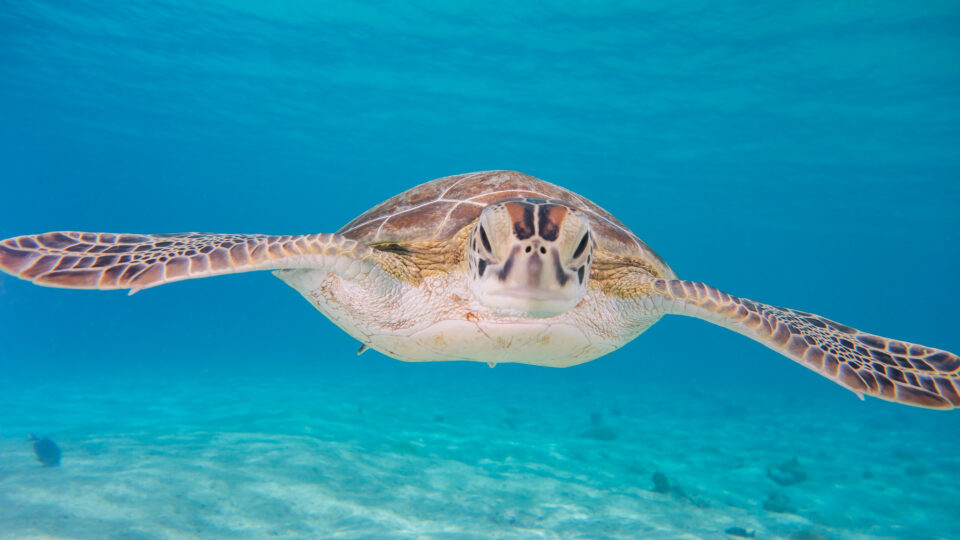
The lifecycle of sea turtles includes a longstanding mystery, often called the “lost years”.  Turtles hatching from nests along Florida’s Atlantic coast head into the ocean and are generally not seen again for several years before they return in their adolescence. Very little is known about where they spend this time in the open ocean.

Researchers at the University of Central Florida have learned that green turtles as well as loggerhead turtles – both iconic species in conservation efforts – may be spending their youth in the legendary Sargasso Sea.  The Sargasso Sea is located off the east coast of the U.S. in the North Atlantic Ocean.  It has frequently been featured in popular culture, such as in the novel Twenty Thousand Leagues Under the Sea, as a place where ships could be trapped in thick mats of floating, brown Sargassum seaweed for which the sea is named.

The researchers tracked the baby turtles by attaching advanced, solar-powered tracking devices, about an inch long, to their shells.  They used a special adhesive that held the devices to the turtle shells but would allow the devices to fall off after a few months causing no harm to the turtles or inhibiting shell growth or behavior.

It was previously thought that baby turtles would passively drift in sea currents and simply ride those currents until their later juvenile years.  The new research shows that the turtles actively orient to go into the Sargasso Sea.

Studies of where turtles go as they develop are fundamental to sound sea turtle conservation.  If we don’t know where turtles are and what parts of the ocean are important to them, we are doing conservation blindfolded.

**********

Web Links

Legendary Sargasso Sea May be Sea Turtles’ Destination during Mysterious ‘Lost Years’

Photo, posted October 23, 2016, courtesy of Kris-Mikael Krister via Flickr.

Earth Wise is a production of WAMC Northeast Public Radio.

Long Island Wind

April 15, 2016 By WAMC WEB

https://earthwiseradio.org/wp-content/uploads/2016/03/EW-04-15-16-Long-Island-Wind.mp3

The Interior Department has recently defined a “Wind Energy Area”, consisting of about 81,000 acres, located 11 miles south of Long Island.  The designation is a first step to opening up the acreage for large-scale, competitive wind energy leasing through the Bureau of Ocean Energy Management.

[Read more…] about Long Island Wind

Primary Sidebar

Recent Episodes

  • An uninsurable future
  • Clean energy and jobs
  • Insect declines in remote regions
  • Fossil fuel producing nations ignoring climate goals
  • Trouble for clownfishes

WAMC Northeast Public Radio

WAMC/Northeast Public Radio is a regional public radio network serving parts of seven northeastern states (more...)

Copyright © 2026 ·