• Skip to primary navigation
  • Skip to main content
  • Skip to primary sidebar

Earth Wise

A look at our changing environment.

  • Home
  • About Earth Wise
  • Where to Listen
  • All Articles
  • Show Search
Hide Search
You are here: Home / Archives for algae growth

algae growth

The Great Atlantic Sargassum Belt

October 17, 2025 By EarthWise Leave a Comment

Sargassum is a free-floating brown seaweed that can drift together in vast mats, sometimes stretching for miles across the ocean’s surface. For centuries, these blooms have been a natural part of the Atlantic, creating food and shelter for many marine creatures.  Sargassum was once thought to be confined mainly to the Sargasso Sea in the western Atlantic, but scientists now know it grows rapidly and spreads widely, driven both by natural forces and by nutrients from human activities.

Scientists at Florida Atlantic University have reviewed 40 years of data on sargassum seaweed. Their study, which was recently published in the journal Harmful Algae, points to the rise of what is now called the Great Atlantic Sargassum Belt – a massive seaweed bloom stretching from West Africa to the Gulf of Mexico. First spotted in 2011, it has since appeared every year except in 2013.  This past May, the bloom reached a record 37.5 million tons, a number that does not include the 7.3 million tons in the Sargasso Sea.

Sargassum thrives in nutrient-rich waters.  Under ideal conditions, controlled studies found sargassum can double its biomass in just eleven days!  According to the scientists, nutrient pollution from agriculture and wastewater has fueled these record blooms.

In the ocean, sargassum provides habitat for fish, turtles, and other marine life.  But along the coast, it piles up in smelly heaps, clogs waterways, disrupts tourism, and can even threaten power plants.

Understanding why sargassum is spreading so rapidly is key to tackling a problem that now spans an entire ocean.

**********

Web Links

A monster seaweed bloom is taking over the Atlantic

Photo, posted December 24, 2014, courtesy of Roban Kramer via Flickr.

Earth Wise is a production of WAMC Northeast Public Radio
Floating Solar In New York’s Capital Region | Earth Wise

June 8, 2021 By EarthWise Leave a Comment

Co-developing land for both solar and solar power could provide huge benefits with minimal costs

We have previously talked about installing solar arrays on the surface of bodies of water.  The idea is especially attractive in places like Japan where land resources are scarce.  There are several floating solar installations in the UK and the idea is starting to catch on elsewhere as well.

It is quite possible that the largest municipally owned floating solar array may get built in the city of Cohoes in New York’s Capital Region if a project under consideration for federal funding moves forward.

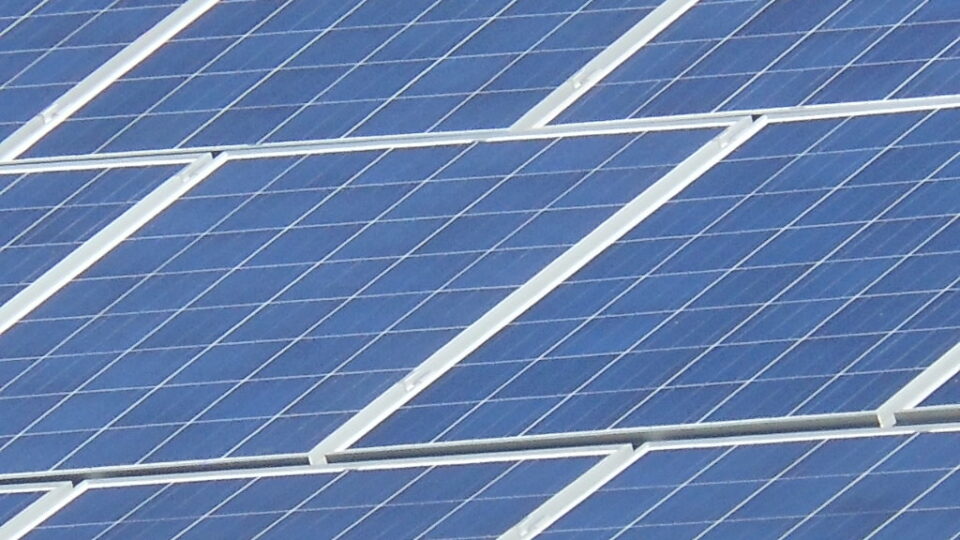
The proposal is for an installation of 8,000 solar panels to cover about 2/3 of the 10-acre Cohoes reservoir.  Cohoes has wanted to erect a solar installation to generate power for its buildings but needed to find suitable vacant land.  The 10-acre manmade reservoir could be an excellent location for a floating solar array.

Cohoes would be the first community in the US to build and own a floating array on a manmade reservoir and could serve as a model for municipalities across the nation.  Such a project makes additional use of land that is already municipal property.  According to the city, the 3.2-megawatt array would generate over 4 million kilowatt hours of electricity per year, saving the city $300-350,000 annually.

Cohoes is seeking $4.59 million in federal funding to support the project and has the support of U.S. Representative Paul Tonko for possible inclusion in the 2022 federal budget. 

Apart from generating electricity, putting solar panels on the surface of a reservoir reduces evaporation, lowers algae growth, and actually improves solar panel performance because of the cooling effect of the water.

**********

Web Links

Cohoes reservoir could be a floating solar power pioneer

Photo courtesy of Michael Coghlan via Flickr.

Earth Wise is a production of WAMC Northeast Public Radio.

Climate Change And Buzzards Bay

February 15, 2016 By WAMC WEB

https://earthwiseradio.org/wp-content/uploads/2016/02/EW-02-15-16-Climate-Change-and-Buzzards-Bay.mp3

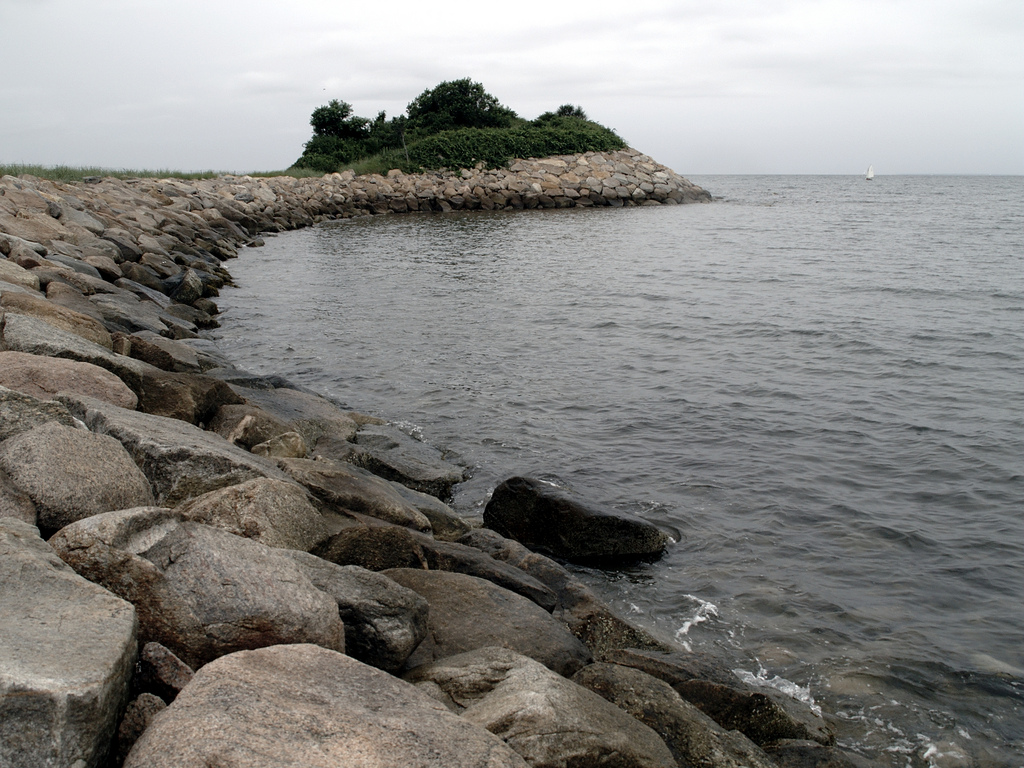
The effects of climate change are being felt around the world, including in some well-known places in the Northeast.  Buzzards Bay is a popular destination for fishing, boating, and tourism adjacent to Cape Cod in Massachusetts.

[Read more…] about Climate Change And Buzzards Bay

Primary Sidebar

Recent Episodes

  • An uninsurable future
  • Clean energy and jobs
  • Insect declines in remote regions
  • Fossil fuel producing nations ignoring climate goals
  • Trouble for clownfishes

WAMC Northeast Public Radio

WAMC/Northeast Public Radio is a regional public radio network serving parts of seven northeastern states (more...)

Copyright © 2025 ·