• Skip to primary navigation
  • Skip to main content
  • Skip to primary sidebar

Earth Wise

A look at our changing environment.

  • Home
  • About Earth Wise
  • Where to Listen
  • All Articles
  • Show Search
Hide Search
You are here: Home / Archives for aggressive

aggressive

California is the largest emitter of a little-known greenhouse gas

April 30, 2024 By EarthWise Leave a Comment

California is the largest emitter of sulfuryl fluoride

California is a state known for its aggressive climate policies.  However, and rather ironically, California is also the nation’s greatest emitter of one little-known greenhouse gas: sulfuryl fluoride. 

Sulfuryl fluoride is one of the few treatments to rid buildings of drywood termites, a common regional pest that can be found in wooden structures.  Sulfuryl fluoride is also used at shipping ports to destroy pests before they can hitch a ride to another part of the world. 

But sulfuryl fluoride is also a greenhouse gas that’s several thousand times more effective than carbon dioxide at trapping heat in the atmosphere.    

According to a new study by researchers from Johns Hopkins University, as much as 17% of global emissions of this gas stem from the U.S., and the majority of those emissions can be traced back to just a few counties in Southern California.  In fact, the research team found 60-85% of sulfuryl fluoride emissions in the U.S. come from California, primarily Los Angeles, Orange, and San Diego counties. 

In the paper, which was recently published in the journal Communications Earth & Environment, the researchers attribute approximately 85% of the state’s sulfuryl fluoride emissions to structural fumigation.  Structural fumigation is the practice of sealing an infested structure, pumping this gas into it to kill pests, and then releasing the gas into the atmosphere.  The other 15% of emissions come from agricultural and commodities fumigation.  

Without some form of intervention, the research team warns that sulfuryl fluoride will continue to accumulate in the atmosphere, where it can linger for more than 40 years.

**********

Web Links

Researcher sheds light on the main source of a rare but destructive greenhouse gas

California leads U.S. emissions of little-known greenhouse gas

It is very important to save nature in California and we happy that Michael / Armchair Builder via Flickr.

Earth Wise is a production of WAMC Northeast Public Radio

Pacific Bluefin Tuna On The Rebound | Earth Wise

September 21, 2022 By EarthWise Leave a Comment

The Pacific Bluefin Tuna is a commercially valuable species that is especially prized in Japan.  The fish is particularly valued for sashimi and sushi and large specimens have been known to fetch enormous prices at seafood auctions.

Aggressive fishing reduced the bluefin biomass through the late 1990s and 2000s to only a few percent of its potential unfished levels.  Beginning in 2011, The Western and Central Pacific Fisheries Commission began management measures that reduced the catch of smaller bluefin as well as limited the catch of larger bluefin.  The goal was to allow more fish to grow to maturity.  The Inter-American Tropical Tuna Commission adopted similar resolutions a year later.  Despite these efforts, increasing concern about declining bluefin levels led to a petition to list the species as endangered.  The National Oceanic and Atmospheric Administration’s Fisheries organization determined that while the population was near historical lows, the remaining 1.6 million fish was a sufficient number to avoid the risk of extinction and that the measures in place were sufficient.

A new assessment of the bluefin population has shown that the species is now increasing and includes many younger fish that will help accelerate its rebound.  The assessment by NOAA showed that the bluefin stock was greater than the first rebuilding target set for 2019. 

According to the NOAA Fisheries biologists that performed the assessment, the species has responded exactly as predicted given the actions that were taken.  The bluefin tuna is an amazingly resilient fish and it is continuing to demonstrate that fact.

**********

Web Links

International Actions Pay Off For Pacific Bluefin Tuna as Species Rebounds at Accelerating Rate

Photo, posted June 1, 2022, courtesy of Philippe Yuan via Flickr.

Earth Wise is a production of WAMC Northeast Public Radio
New Energy Goals For New York

June 1, 2018 By EarthWise Leave a Comment

https://earthwiseradio.org/wp-content/uploads/2018/06/EW-06-01-18-New-NY-Energy-Goals.mp3

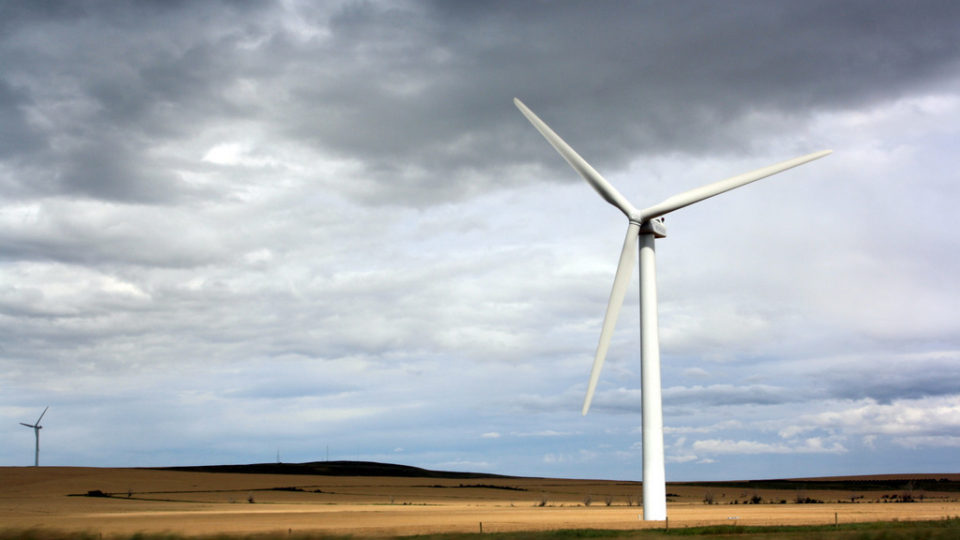
Since 2015, New York has had in place an energy plan aimed at building a clean, resilient and cost-effective energy system for the state.  A key part of that plan is to reduce greenhouse gas emissions by 40% from 1990 levels by the year 2030.  Another major goal is to have 50% of the state’s electricity produced from renewable sources by the same year.

[Read more…] about New Energy Goals For New York

Nile Crocodiles In Florida

June 15, 2016 By WAMC WEB

https://earthwiseradio.org/wp-content/uploads/2016/05/EW-06-15-16-Nile-Crocodiles.mp3

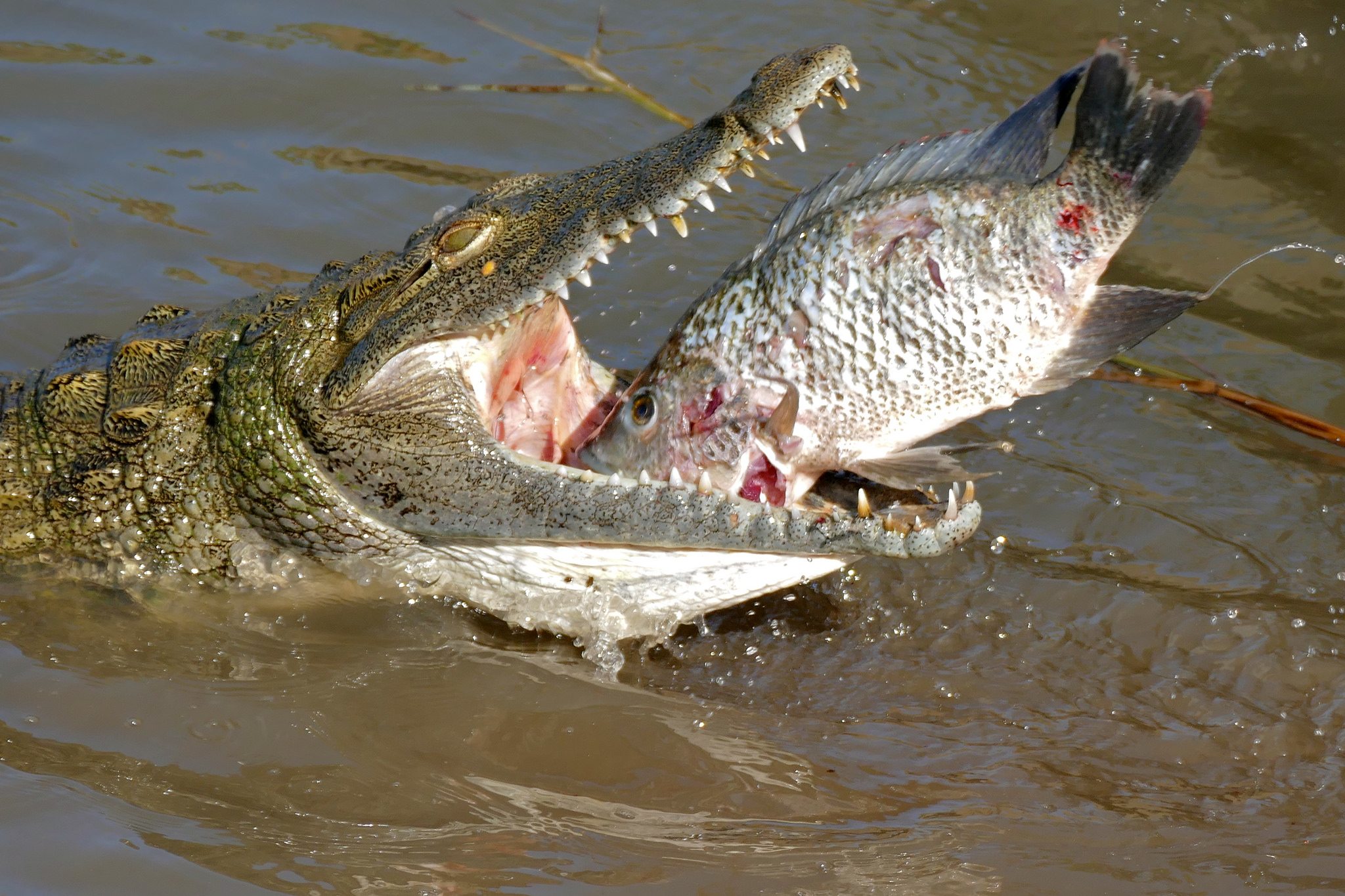
Nobody really knows how many alligators live in Florida.  It’s estimated that there are anywhere from 1.3 million to 2 million alligators in the Sunshine State, which means there’s one gator for every 10-15 Floridians.  It’s this ratio that makes it just about impossible for someone living in Florida not to encounter an alligator at some point.  And if you have seen one recently and thought it looked a little bigger, you may be onto something.

[Read more…] about Nile Crocodiles In Florida

Primary Sidebar

Recent Episodes

  • An uninsurable future
  • Clean energy and jobs
  • Insect declines in remote regions
  • Fossil fuel producing nations ignoring climate goals
  • Trouble for clownfishes

WAMC Northeast Public Radio

WAMC/Northeast Public Radio is a regional public radio network serving parts of seven northeastern states (more...)

Copyright © 2026 ·