• Skip to primary navigation
  • Skip to main content
  • Skip to primary sidebar

Earth Wise

A look at our changing environment.

  • Home
  • About Earth Wise
  • Where to Listen
  • All Articles
  • Show Search
Hide Search
You are here: Home / Archives for Earth Wise

Earth Wise

New highs for carbon dioxide

April 11, 2025 By EarthWise Leave a Comment

New highs reached for global carbon dioxide emissions

Last year was the hottest year on record and the ten hottest years on record have in fact been the last ten years.  Ocean heat reached a record high last year and, along with it, global sea levels.  Those are rising twice as fast as they did in the 1990s.

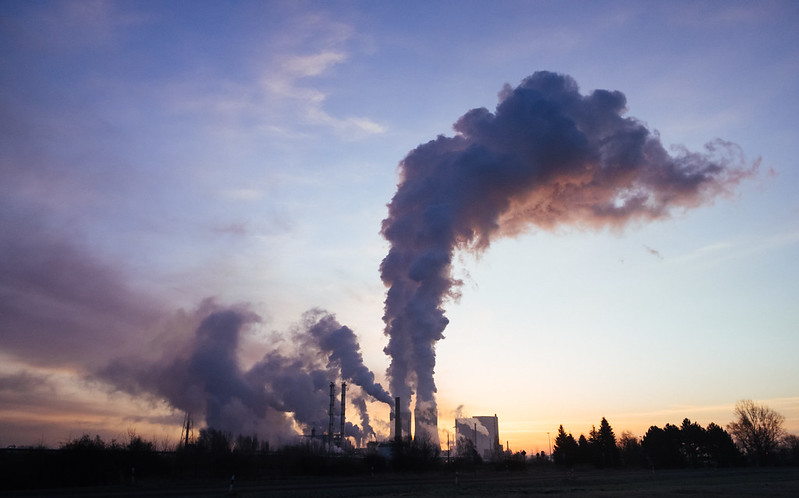
The World Meteorological Organization reports that the global atmospheric concentration of carbon dioxide reached a new observed high in 2023, which is the latest year for which global annual figures are available.  The level was 420 ppm, which is the highest level it has been in 800,000 years. 

The increase in carbon dioxide levels was the fourth largest one-year change since modern measurement began in the 1950s.  The rate of growth is typically higher in El Niño years because of increases from fire emissions and reduced terrestrial carbon sinks.

Concentrations of methane and nitrous oxide – which are two other key greenhouse gases – also reached record high observed levels in 2023.  Levels of both of these gases have also continued to increase in 2024.

The annually averaged global mean near-surface temperature in 2024 was 1.55 degrees Celsius above the 1850-1900 average.  Apart from being the warmest year in the 175 years records have been kept, it is also above the 1.5-degree limit set as the goal of the Paris Climate Agreement.  While a single year above 1.5 degrees of warming does not mean that the efforts to limit global warming have failed, it is a strong warning that the risks to human lives, economies, and the planet are increasing.

**********

Web Links

Carbon Dioxide Levels Highest in 800,000 Years

Photo, posted January 30, 2018, courtesy of Johannes Grim via Flickr.

Earth Wise is a production of WAMC Northeast Public Radio

The largest iceberg runs aground

April 10, 2025 By EarthWise Leave a Comment

The largest iceberg in the world, which has been slowly drifting for nearly 5 years, has finally come to a halt.  The iceberg – called the unexciting name A-23A – came into existence in 1986 when it broke off from another iceberg A-23 that had calved or torn off from Antarctica earlier that year.  For decades, A-23A sat in the Weddell Sea, east of the Antarctic Peninsula.  Then, in 2020, it came loose from the seafloor and began to move.  By 2023, it finally left Antarctic Waters.

Late last year, it began spinning in place caught in an ocean current called a Taylor column.  Finally, it headed for South Georgia, a British-owned island that is home to a couple dozen people and lots of seals and penguins.  A-23A is now stuck on the continental shelf, about 50 miles from the island.

A-23A is around 1,300 square miles in area.  By comparison, New York City is 300 square miles.

Four years ago, a large iceberg called A-68A also came to ground in the vicinity of South Georgia.  It quickly broke apart and ultimately added 150 billion metric tons of fresh water to the ocean as well as various nutrients.  A-23A is also likely to succumb to the warmer waters, winds, and currents it now encounters and will affect the flora and fauna in the area.

The climate is changing and is impacting how ice shelves melt.  Calving and the creation of mammoth icebergs are a normal part of the lifecycle of polar ice sheets, but we are likely to see even more events like this in the future.

**********

Web Links

World’s Largest Iceberg Runs Aground

Photo, posted January 29, 2011, courtesy of Drew Avery via Flickr.

Earth Wise is a production of WAMC Northeast Public Radio

Plastic from food waste

April 9, 2025 By EarthWise Leave a Comment

Creating bioplastics from food waste

Plastic waste management is a complicated business.  Most methods of recycling or breaking down plastic are costly and harmful to the environment.  The most common biodegradable alternatives – like paper straws – are less than ideal replacements.

There are many approaches to creating biodegradable plastics using feedstocks like seaweed, sugarcane, and other plant matter.  However, the resulting plastics often fall short compared with conventional petroleum-based plastics.

One type of bioplastic that is gaining popularity is polyhydroxyalkanoates, or PHA.  PHA is a plastic produced by microorganisms.  It is fully compostable or biodegradable but in other ways but looks, feels, and functions like regular plastic but without the environmental drawbacks.

PHA can be made using bacterial fermentation of a variety of feedstocks such as vegetable oils, sugars, starches, and even methane and wastewater.

Researchers at a startup from the University of Waterloo in Canada called MetaCycler BioInnovations have developed a process for producing PHA based on bacteria that has been engineered to convert waste from milk and cheese production.  This solution upcycles waste from the dairy industry into cost-effective, sustainable bio-based plastics. 

PHAs can be tailored to have a wide range of properties ranging from being rigid and tough to being quite flexible.  Therefore, they can be suitable for many applications including packaging, agricultural films, and consumer goods. 

The Waterloo technology is a way to tackle the problems of both food waste and plastic pollution with one solution.

**********

Web Links

Turning food waste into a new bioplastic

Photo, posted December 10, 2017, courtesy of Leonard J Matthews via Flickr.

Earth Wise is a production of WAMC Northeast Public Radio

Rising seas are destroying buildings

April 8, 2025 By EarthWise Leave a Comment

Alexandria is the second largest city in Egypt and is the largest city on the Mediterranean coast.  Its history goes back over 2,300 years and it was once home to a lighthouse that was among the Seven Wonders of the Ancient World and a Great Library that was the largest in the ancient world.  The modern city has more than 6 million residents but still has many historic buildings and ancient monuments.  But perhaps not for long.

Rising seas and intensifying storms are taking a toll on the ancient port city.  For centuries, Alexandria’s historic structures have endured earthquakes, storm surges, tsunamis, and more.  They are truly marvels of resilient engineering.  But now, climate change is undoing in decades what took millennia for humans to create.

Over the past two decades, the number of buildings collapsing in Alexandria has risen tenfold.   Buildings are collapsing from the bottom up as a rising water table weakens soil and erodes foundations.  Since 2001, Alexandria has seen 290 buildings collapse.  Comparing present-day satellite imagery with decades-old maps, the authors of a study by the Technical University of Munich have tracked the retreat of Alexandria’s shorelines to determine where seas have intruded into groundwater. The authors say that more than 7,000 buildings in Alexandria are at risk.  They call for building sand dunes and planting trees along the coast to block encroaching seawater.

The true cost of this gradual destruction goes far beyond bricks and mortar.  This is the gradual disappearance of historic coastal cities.  Alexandria is a warning for such cities around the world.

**********

Web Links

In This Storied Egyptian City, Rising Seas are Causing Buildings to Crumble

Photo, posted September 11, 2012, courtesy of Sowr via Flickr.

Earth Wise is a production of WAMC Northeast Public Radio

Amphibians and climate change

April 7, 2025 By EarthWise Leave a Comment

Amphibians are a group of vertebrate animals that include frogs, toads, and salamanders. They are unique for their ability to live both in water and on land during different stages of life. Amphibians play a crucial role in ecosystems, often serving as both predators and prey in food webs.

Amphibians are the world’s most at-risk vertebrates, with more than 40% of species listed as threatened.  They are cold-blooded creatures and rely on external sources to regulate their body temperature.  But needing to regulate their body heat this way makes amphibians particularly vulnerable to temperature change in their habitats. 

Researchers from the University of New South Wales in Australia can now predict the heat tolerance of 60% of the world’s amphibian species.  This new tool will allow scientists to better identify which amphibian species and habitats will be most impacted by climate change.  

The study’s landmark findings, which were recently published in the journal Nature, found that 2% of amphibian species are already exposed to overheating in shaded terrestrial conditions.  According to the research team, a 4°C global temperature increase could push 7.5% of amphibian species beyond their physiological limits. 

Local amphibian extinctions can trigger ecological repercussions, including reshuffling community compositions, eroding genetic diversity, and impacting the food chain and overall ecosystem health.

The researchers highlight the importance of vegetation and water bodies in protecting amphibians during heat waves, and emphasize the need to provide adequate water and shade during future conservation efforts. 

**********

Web Links

The pot is already boiling for 2% of the world’s amphibians: new study

Photo, posted October 8, 2011, courtesy of Dave Huth via Flickr.

Earth Wise is a production of WAMC Northeast Public Radio

The cost of electric vehicle batteries

April 4, 2025 By EarthWise Leave a Comment

The battery pack in an electric car is the most expensive part of the car. Currently, it accounts for as much as 30% of the price.  But EV batteries last a long time.  Most are guaranteed for 8-10 years and are likely to last as long as 20 years.  In practice, only 1.5% of electric cars need battery replacements for one reason or another.

The economics of EV batteries has changed dramatically over time and will continue to do so.  EV battery capacity is measured in kWh, the units you are charged for your home electricity.  An EV with a 300-mile driving range will have a battery pack that holds something like 75 kWh.

In 2008, when electric cars were just starting to enter the market again after earlier false starts, lithium-ion battery packs cost $1,355 per kWh.  When the Tesla Model S was introduced in 2012, packs were about $800. By 2019, packs broke the $200 per kWh barrier. Last year, lithium-ion battery packs reached $115 per kWh.

A combination of technology improvements and strong market competition with growing supplies is driving prices ever lower.  Industry analysts expect battery prices to drop well below $100 this year and reach about $80 next year.

The result of all of this cost reduction is that EVs will be cheaper than equivalent internal combustion vehicles, which in fact is already the case in China. Apart from cost, batteries for cars continue to improve so that the driving range of EVs will continue to increase making the cars more attractive and very practical for nearly all drivers.

**********

Web Links

How Much Do Electric Car Batteries Cost to Replace?

Photo, posted January 22, 2019, courtesy of Steve Rainwater via Flickr.

Earth Wise is a production of WAMC Northeast Public Radio

Hurricanes and wildfires

April 3, 2025 By EarthWise Leave a Comment

Early March saw more than 200 wildfires break out in the southeastern U.S. – a busy start to the region’s annual fire season.  One fire in the Carolina Forest near Myrtle Beach scorched over 2,000 acres over a two-week period and firefighters were busy containing it and many other blazes.

Strong winds and an unusually long dry period have made fires more likely to ignite and be spread.  Lightning strikes, power line sparking, backyard fire pits and leaf burning all can lead to wildfires under these conditions.

A weather disaster last year may be helping to make this fire season worse than usual.  Hurricane Helene ravaged the Southeast last September, dumping more than a foot of rain in some locations and knocking over hundreds of thousands of acres of trees across the region.

Lots of dead trees lying on the ground allow sunlight to reach the ground and dry out all the biomass, including the trees.  All of this desiccated plant material acts as kindling, providing fuel for wildfires.  Fallen trees can be a fire nuisance for years after a hurricane, especially in the Southeast, where dried out pine needles are highly combustible.  All it takes is an ignition.

In addition, all the fallen trees represent an access issue for firefighters as the logs block roads needed to reach the fires.

Research has shown that climate change is fueling more intense fires in the West.  Whether the changing climate is having a major effect in the Southeast isn’t clear.  But droughts are expected to become more intense and more frequent in the Southeast because of climate change and that isn’t good news for the likelihood of wildfires.

**********

Web Links

How Hurricanes Can Fuel Wildfires in the Southeast

Photo, posted March 5, 2025, courtesy of the U.S. Army National Guard / Roberto Di Giovine via Flickr.

Earth Wise is a production of WAMC Northeast Public Radio
Grid reliability and grid-edge resources

April 2, 2025 By EarthWise Leave a Comment

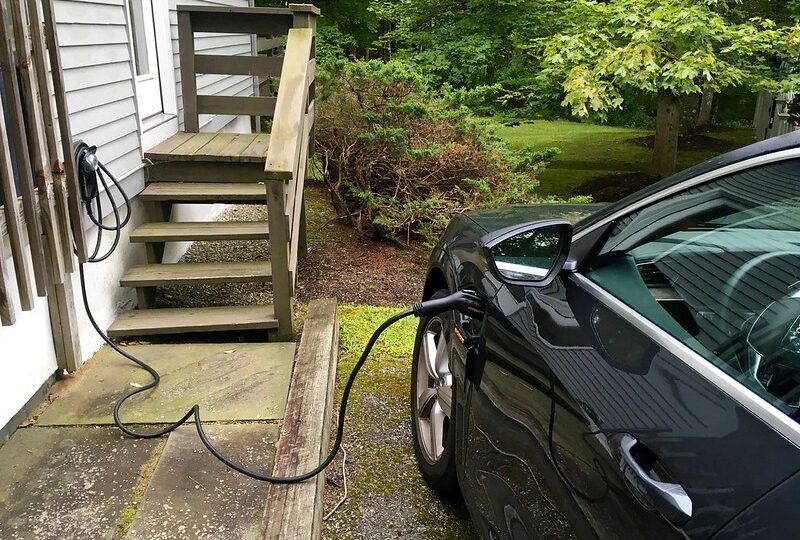
A new study by MIT researchers looked at the potential for grid-edge resources to enhance the ability of the electric grid to respond to unforeseen power outages.  Grid-edge resources are devices found close to consumers rather than located near central power plants, substations, or transmission lines.  These include residential solar panels, storage batteries, electric vehicles, heat pumps, smart thermostats and smart water heaters.

These grid-edge devices can independently generate, store, or tune their consumption of power and increasingly, they are online internet-of-things devices.  The MIT study outlined a blueprint for how such devices could reinforce the power grid through a local electricity market.  Owners of grid-edge devices could subscribe to such a market and essentially loan out their device as part of a microgrid or local network as on-call energy resources.

Electric vehicles could provide power rather than consuming it when necessary.  Storage batteries could do the same.  Devices like smart dishwashers and thermostats would reduce their power demands when necessary.

In the event that the main power grid is compromised, an algorithm would determine which grid-edge devices were available and trustworthy and would either use them to pump power into the grid or reduce the power they are drawing from it in order to help mitigate the power failure. 

The MIT researchers illustrated this grid resilience strategy through a number of grid attack scenarios including failures from cyber-attacks and natural disasters.   Their analysis showed that various networks of grid-edge devices are capable of defeating various types of grid failures.

**********

Web Links

Rooftop panels, EV chargers, and smart thermostats could chip in to boost power grid resilience

Photo, posted October 10, 2019, courtesy of Noya Fields via Flickr.

Earth Wise is a production of WAMC Northeast Public Radio

Bad news for birds

April 1, 2025 By EarthWise Leave a Comment

The 2025 U.S. State of the Birds report was released recently.   The report is produced by a coalition of leading science and conservation organizations.  The bottom line is that there have been continued widespread declines in American bird populations across all mainland and marine habitats. 

More than one-third of U.S. bird species are of high or moderate conservation concern.  Among these, 112 are tipping point species that have lost more than 50% of their populations over the last 50 years. 

Protecting bird species is not just about biodiversity and stewardship of nature.  Wild birds have surprisingly large economic impact.  Nearly 100 million Americans are engaged in birding activities which contribute substantially to local and state economies.  The 2022 National Survey of Fishing, Hunting, and Wildlife-Associated Recreation estimated that the total economic output related to bird watching activities was an amazing $279 billion and birding-related activities support 1.4 million jobs.  Bird watching and other encounters with nature are beneficial for human well-being, including reducing stress, anxiety, and depressive symptoms.

The rapid declines in birds are related to habitat loss, environmental degradation, and extreme weather events.  Moreover, if conditions are not healthy for birds, they are unlikely to be healthy for people as well.  Fortunately, many actions that are good for birds are good for us, so conservation efforts going forward are important.

**********

Web Links

State of America’s birds: Population declines continue

Photo, posted October 30, 2018, courtesy of Shenandoah National Park via Flickr.

Earth Wise is a production of WAMC Northeast Public Radio
Green grout for stabilizing buildings

March 31, 2025 By EarthWise Leave a Comment

Developing a green grout for buildings

We are all familiar with the grout that is used for tiles in our homes. We are less familiar with grout that is used to stabilize the soil beneath buildings.  Grouting is a process of ground improvement by injecting materials that can fill voids and cracks, strengthen and increase the bearing capacity of soil, and reduce permeability.

Traditional grouting methods have environmental downsides.  Most often, silica-based chemical grouts are used, and they are produced through energy-intensive processes that contribute substantially to carbon dioxide emissions.  As is the case for all materials and practices of the construction industry, developing sustainable, low-emission alternatives to conventional grouting materials has become an important priority.

Researchers from the Shibaura Institute of Technology in Japan have developed an innovative new grout material called Colloidal Silica Recovered from Geothermal Fluids.  This grout material enhances soil stabilization and simultaneously reduces the environmental impact of geothermal energy harvesting.

Geothermal energy production generates large amounts of silica-rich waste fluids which creates challenges for its maintenance and disposal.  The new grout repurposes this waste material thereby transforming an industrial byproduct into a valuable construction material.

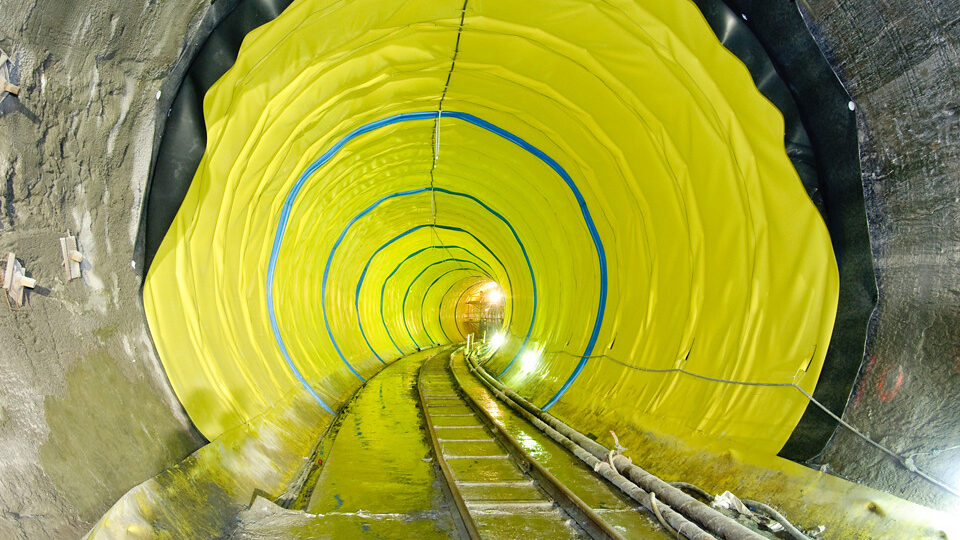
The new grout material is particularly valuable in earthquake-prone regions, where soil stabilization is essential in preventing structural damage during seismic events.  In addition, the grout’s superior water-sealing properties makes it ideal for underground construction projects like tunnels, subways, and basements.  The new grout in an important step for the construction industry’s efforts to achieve carbon neutrality.

**********

Web Links

From Waste to Wonder: Revolutionary Green Grout for Sustainable Construction Practices

Photo, posted July 8, 2011, courtesy of MTA Construction & Development Mega Projects via Flickr.

Earth Wise is a production of WAMC Northeast Public Radio

Recycling lithium-ion batteries

March 28, 2025 By EarthWise Leave a Comment

Lithium-ion batteries are used to power computers and cellphones and, increasingly, vehicles.  The batteries contain lithium as well as various other valuable metals such as nickel, cobalt, copper, and manganese.  Like other batteries, lithium-ion batteries have a finite lifetime before they can no longer perform their intended function.

Recycling lithium-ion batteries to recover their critical metals is an alternative to mining those metals.  A recent study by Stanford University analyzed the environmental impact of obtaining those metals using lithium-ion battery recycling compared with mining.  They found that the recycling process is associated with less than half of the greenhouse gas emissions of conventional mining.  The process uses about one-fourth of the water and energy of mining new metals.  North America’s largest industrial-scale lithium-ion battery recycling facility is Redwood Materials, located in Nevada, which uses a clean energy mix that includes hydropower, geothermal, and solar power.

These calculated advantages are associated with recycling batteries that have been in use.  The advantages are even greater for recycling scrap:  defective material from battery manufacturers.

The advantages of recycling are dependent on the sources of electricity at the recycling plant and the availability of fresh water. 

At present, the U.S. recycles about half of its available lithium-ion batteries.  By comparison, 99% of lead-acid batteries (like those found in cars and trucks) have been recycled for decades.  As the supply of used lithium-ion batteries continues to increase, it is important for the availability of industrial-scale battery recycling to keep pace. 

**********

Web Links

Recycling lithium-ion batteries delivers significant environmental benefits

Photo, posted May 7, 2020, courtesy of Mark Vletter via Flickr.

Earth Wise is a production of WAMC Northeast Public Radio
The green grab for land

March 27, 2025 By EarthWise Leave a Comment

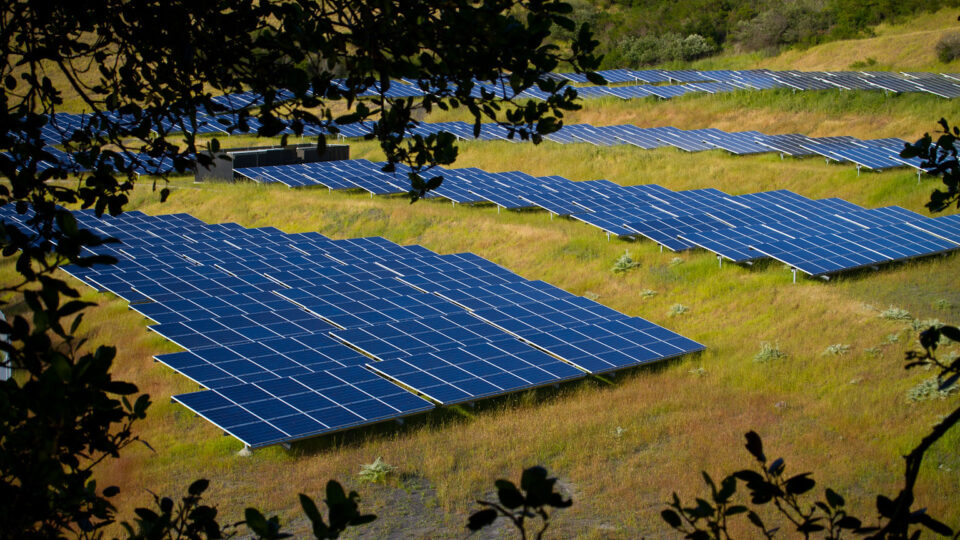
Solar and wind farms are spreading rapidly around the world.  Many economists believe that solar power has crossed the threshold where it is generally cheaper than other ways to make electricity and will become the dominant energy source in the next couple of decades.  As a result, both solar and wind farms are gobbling up more and more land around the world.  Estimates are that they will take up around 30,000 square miles by mid-century.

One concern is whether we are entering an era of trading food for energy.  Land conflicts seem inevitable since solar power operates best in unshaded areas with gentle winds and moderate temperatures, which are the same conditions favored by many crops.

China is installing more solar farms than the rest of the world combined.  Many of these are in the Gobi Desert, where there is no competing need for the land.  But some are in eastern China, in densely populated grain-growing areas.

There are a number of strategies that reduce the impact of solar farms on land use.  One approach is to put them on old industrial or brownfield sites that are otherwise unusable.  Another is floatovoltaics:  putting solar panels on the surface of lakes and reservoirs.  And then there is agrivoltaics, where solar panels are installed above crop fields or where livestock graze between or even beneath solar arrays.  China has more than 500 agrivoltaic projects that incorporate crops, livestock, aquafarming, greenhouses, and even tea plantations.

Green energy has both environmental and economic benefits to offer, but it must conserve nature and not excessively grab land needed for people, wildlife, and ecosystems.

***********

Web Links

‘Green Grab’: Solar and Wind Boom Sparks Conflicts on Land Use

Photo, posted May 25, 2011, courtesy of Michael Mees via Flickr.

Earth Wise is a production of WAMC Northeast Public Radio

The importance of shallow water

March 26, 2025 By EarthWise Leave a Comment

Shallow water habitats are disappearing around the world

Vacationers love beaches with shallow water.  They are great for families with small kids and for less confident swimmers.  Such beaches often attract intense coastal development.  However, they are also fragile habitats that are disappearing around the world.

A new study led by the University of South Florida highlights the need to protect these marine ecosystems.  Shallow coastal waters are known as tidal flats, and they are critical to global seafood supplies, local economies, and overall marine health.  Shallow water ecosystems are interlinked with other marine habitats and are vital for the lifecycle of marine species far from shore.

Shallow water ecosystems are at risk not only from coastal development, but from harmful algal blooms triggered by human activity, from marine heatwaves, and from boats operating in sensitive habitats such as seagrass meadows. These habitats contribute millions of dollars to local economies such as those in Florida but there is not much direct habitat managements in place to protect these ecosystems.

The University of South Florida study, published in the journal Fisheries, enumerated ten core strategies that boaters, anglers, wildlife managers, and policymakers can adopt to prioritize and preserve shallow marine ecosystems from humans and from increasingly powerful weather events.  Foremost among these efforts are the protection of key fish species, such as tarpon, whose protection would benefit additional species that use the same habitats.

Habitat management and restoration should be essential concerns for coastal communities to provide long-term benefits for both themselves and for the marine life that depends on shallow-water habitats.

**********

Web Links

Why shallow water at the beach is more important than you might realize

Photo, posted February 14, 2018, courtesy of Marcelo Campi via Flickr.

Earth Wise is a production of WAMC Northeast Public Radio
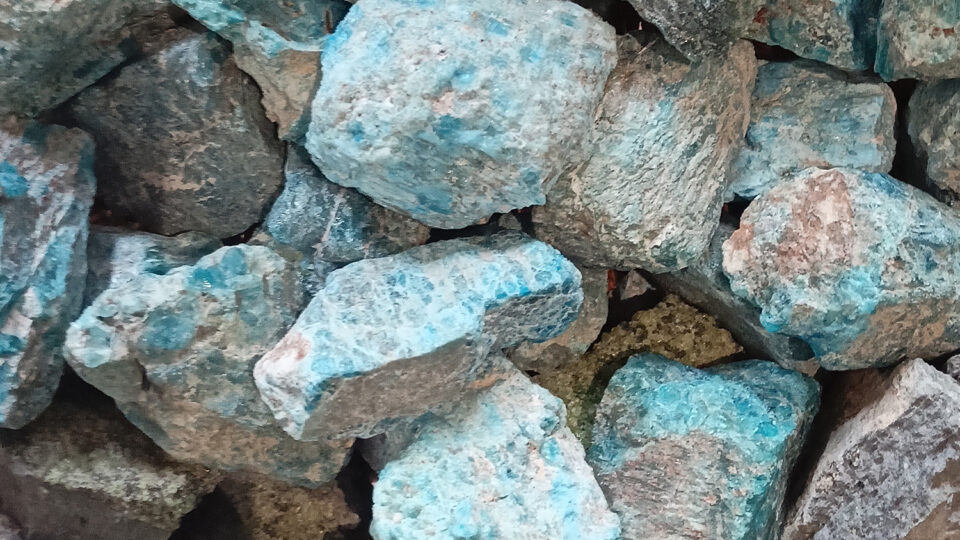
Trapping carbon with rocks

March 25, 2025 By EarthWise Leave a Comment

Many experts say that combating global warming will require both drastically reducing the use of fossil fuels and permanently removing billions of tons of CO2 already in the atmosphere.  Developing practical, large-scale technologies for carbon removal is a significant challenge.

There is a nearly inexhaustible supply of minerals that are capable of removing carbon dioxide from the atmosphere, but they don’t do it quickly enough to make a significant dent in the ever-growing supply in the atmosphere.  In nature, silicate minerals react with water and atmospheric CO2 to form minerals in the process called weathering.  But this chemical reaction can take hundreds or even thousands of years.

Researchers at Stanford University have developed a new process for converting slow-weathering silicates into much more reactive minerals that capture and store carbon quickly.  The new approach resembles a centuries-old technique for making cement.  They combine calcium oxide and another common mineral containing magnesium and silicate ions in a furnace.   The result are new materials that, when exposed to water, quickly trap carbon from the atmosphere.

In their experiments, the carbonation process took weeks to months to occur, thousands of times faster than natural weathering.

The idea would be to spread these materials over large land areas to remove CO2 from the air.  Meaningful use for trapping carbon would require annual production of millions of tons.  But the same kiln designs used to make cement could produce the needed materials using abundant minerals found in many places.  In fact, the required minerals are often common leftover materials – or tailings – from mining.

**********

Web Links

Scientists discover low-cost way to trap carbon using common rocks

Photo courtesy of Renhour48 via Wikimedia.

Earth Wise is a production of WAMC Northeast Public Radio
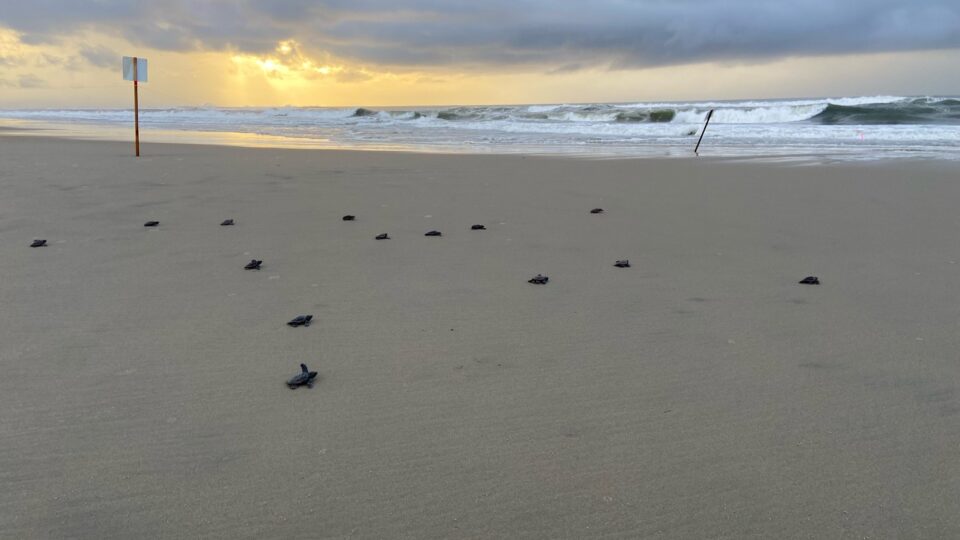
Sea turtles and climate change

March 24, 2025 By EarthWise Leave a Comment

Sea turtles face threats from climate change

Life is a struggle for survival from the moment a sea turtle hatches.  In fact, only one sea turtle out of every 1,000 typically reaches adulthood as a result of natural predators and other challenges.  Those fortunate enough to make it to adulthood face serious threats from humans. For example, sea turtles are hunted for their meat, eggs, and shells in some regions. Their beach habitats get developed. Harmful marine debris and oil spills pollute their waters and beaches.

Now, climate change is exposing sea turtles to even greater threats.  Rising sea levels and stronger storms threaten to erode and destroy their nesting beaches. Warming oceans disrupt currents, potentially exposing sea turtles to new predators, and damaging the coral reefs that some depend on to survive.

As these environmental challenges intensify, sea turtles are beginning to adapt in surprising ways.  According to a new study by researchers from the University of Exeter in England and the Society for the Protection of Turtles in Cyprus, sea turtles are responding to climate change by nesting earlier.  Researchers monitoring nesting green and loggerhead turtles in Cyprus have discovered they are returning to their regular nesting spots earlier each year to compensate for rising temperatures.

Temperature plays a crucial role in determining the biological sex of sea turtles.  Warmer nest temperatures produce more female hatchlings than males.

But at least for now, sea turtles seem to be doing enough to ensure their eggs continue to hatch by nesting earlier in more ideal temperatures.  While this is good news, there’s no guarantee that it will continue. 

**********

Web Links

Turtles change nesting patterns in response to climate change

Photo, posted December 20, 2021, courtesy of Cape Hatteras National Seashore via Flickr.

Earth Wise is a production of WAMC Northeast Public Radio

Are today’s refrigerants safe?

March 21, 2025 By EarthWise Leave a Comment

The refrigerants being used today may not be safe

Refrigeration is based on heat transfer mediums that absorb heat from the area being cooled and transfer it to the outside environment.

The earliest refrigerants were dangerous substances like ammonia.  In the 1930s, chlorofluorocarbons (CFCs) like Freon became the standard refrigerant for use in refrigeration systems and even in aerosol cans.  When these substances were found to be depleting the earth’s ozone layer, the Montreal Protocol dictated their phaseout and by the mid-1990s, CFCs were largely replaced by hydrofluorocarbons (HFCs).

HFCs don’t deplete the ozone layer, but they were eventually determined to be potent greenhouse gases, thousands of times more planet-warming than carbon dioxide.   As a result, the global phaseout of HFCs began in 2016, and have been increasingly replaced by hydrofluoroolefins (HFOs), which are considered a more environmentally-friendly alternative to all their predecessors.

Trying to not be surprised by additional unpleasant discoveries about refrigerants, researchers are studying the potential environmental impacts of HFOs.  Researchers at the University of New South Wales in Australia have found that HFOs can break down in the atmosphere and that some small amounts of the resultant products are in fact fluoroforms, which are the HFC with the greatest global warming potential and can stay in the atmosphere for up to 200 years.

That only a small amount of HFC gets into the atmosphere is good, but nevertheless it reveals that the consequences of replacing widely-used chemicals are not a simple matter to determine.

**********

Web Links

Are our refrigerants safe? The lingering questions about the chemicals keeping us cool

Photo, posted July 19, 2021, courtesy of Vernon Air Conditioning via Flickr.

Earth Wise is a production of WAMC Northeast Public Radio
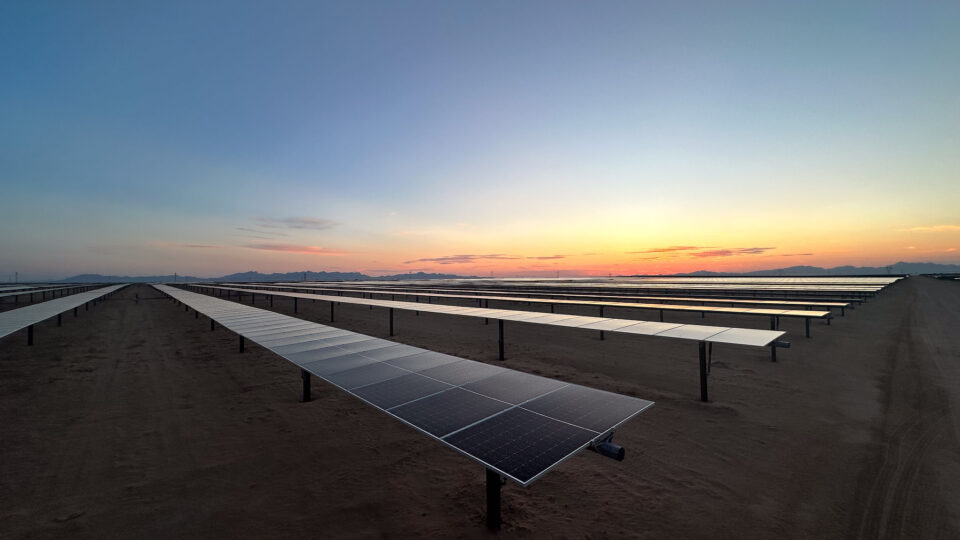
A record year for solar and batteries

March 20, 2025 By EarthWise Leave a Comment

According to a recent forecast from the U.S. Energy Information Administration, solar panels and batteries will account for more than 80% of new power capacity installed in the U.S. this year.  The record growth of these technologies is hastening the decline of coal power in this country.

Solar power alone will account for more than half of the country’s new power capacity and most of it will be in Texas and California.

Wind power is expected to provide only 12% of new capacity this year.  Wind is facing rising costs, lengthy permitting, public backlash, and clear opposition from the Trump administration which is determined to stifle its growth.

As renewable energy grows, coal power continues to decline.  The U.S. will retire twice as much coal power this year as it did last year, closing about 5% of the country’s capacity.  Not only are older coal plants shutting down; the remaining plants are generating less power.

One of the most significant changes in technology over the last few decades has been the massive drop in the cost of clean energy.  Solar photovoltaic costs have fallen by 90% in the past decade, onshore wind by 70%, and batteries by more than 90%.  The connection between cost reduction and volume has been very strong:  costs of these technologies have fallen by around 20% every time global cumulative capacity doubles.   Over the past 40 years, solar power has transformed from one of the most expensive electricity sources to the cheapest in many countries.  That trend is likely to continue.  Setting politics aside, market forces generally are the strongest driver.

**********

Web Links

U.S. Solar and Batteries Headed for Record Year

Photo, posted December 16, 2024, courtesy of Bureau of Land Management California via Flickr.

Earth Wise is a production of WAMC Northeast Public Radio

Microplastics and birds

March 19, 2025 By EarthWise Leave a Comment

Microplastics are tiny plastic particles, less than 5 millimeters in size, that come from the breakdown of larger plastics, synthetic fibers, microbeads, and tire wear.  Microplastics are found in oceans, rivers, soil, and even the air we breathe. These particles can take hundreds of years to degrade, spreading across ecosystems and accumulating in unexpected places, such as deep-sea sediments and Arctic sea ice.

According to a new study by researchers from the University of Texas at Arlington, microscopic plastic pollutants drifting through the air are lodging in the lungs of birds.  These findings raise  significant concerns about the impact on their respiratory health, but also raise alarms about potential risks to human health.

Birds were chosen for the study because they are found in almost every corner of the world and often share environments with humans. 

In the study, the research team examined 56 different wild birds from 51 distinct species, all sampled from the Tianfu airport in western China.  The researchers found high concentrations of microplastics in bird lungs, with an average of 221 particles per species.  The most common types identified were chlorinated polyethylene, which is used for insulating pipes and wires, and butadiene rubber, which is a synthetic material in tires.

Although there is no established “safe” level of plastic particles in lung tissue, high levels of microplastics have been linked to serious health risks, including heart disease, cancer, respiratory issues, and fertility problems.

The study highlights an urgent need to tackle plastic pollution in the environment because of its far-reaching impact on ecosystems and human health.  

**********

Web Links

Birds breathe in dangerous plastics—and so do we

Photo, posted January 28, 2017, courtesy of Pete Richman via Flickr.

Earth Wise is a production of WAMC Northeast Public Radio
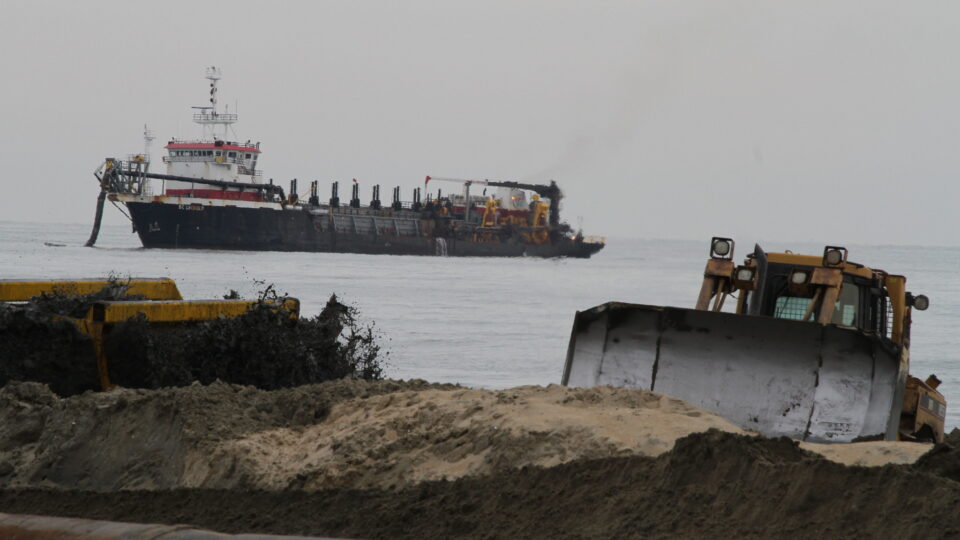
Sand mining and the environment

March 18, 2025 By EarthWise Leave a Comment

Sand mining is the world’s largest mining endeavor.  It is responsible for 85% of all mineral extraction.  It is also the least regulated, possibly the most corrupt, and likely the most environmentally destructive.  Sand is the second-most exploited natural resource in the world after water.  Its global use has tripled in the past two decades.  More than 50 billion tons of sand is extracted from the environment each year.

Sand plays a critical role in much of human development around the world.  It is a key ingredient of concrete, asphalt, glass, and electronics.  It is relatively cheap and relatively easy to extract.  But we use enormous amounts of it.

Sand mining is a major threat to rivers and marine ecosystems.  It is linked to coastal erosion, habitat destruction, the spread of invasive species, and damage to fisheries. 

The harm from sand mining is only beginning to attract widespread attention.  A recent study by an international group of scientists published in the journal One Earth identifies        threats posed by sand mining.  Sand extraction in marine environments remains largely overlooked, despite sand and sediment dredging being the second most widespread human activity in coastal areas after fishing.

Sand is generally seen as an inert, abundant material, but it is an essential resource that shapes coastal and marine ecosystems, protects shorelines, and sustains both ecosystems and coastal communities.  Sand extraction near populated coastlines is particularly problematic as climate change makes coastlines increasingly fragile.

Like all other resources on our planet, even sand cannot be taken for granted.  It must be responsibly managed.

**********

Web Links

The rising tide of sand mining: a growing threat to marine life

Photo, posted February 7, 2013, courtesy of Pamela Spaugy / U.S. Army Corps of Engineers via Flickr.

Earth Wise is a production of WAMC Northeast Public Radio

Tigers in India

March 17, 2025 By EarthWise Leave a Comment

The Anthropocene is the term that describes the current era in Earth’s history when human activities are having a significant impact on the planet.  It is an epoch filled with species extinction and species attrition in both numbers and range.  The population of large carnivores are among the most affected species and recovering these animals that play important roles in ecosystems is a formidable challenge.

Tigers in Asia are a prime example of extirpation – removal of a species from a specific area.  They have been eliminated in more than 90% of their historic Asian range over the past century.  A new study, published in Science has found that tigers in India are making a comeback.

India’s National Tiger Conservation Authority estimates that between 2010 and 2022, India’s tiger population grew from 1,706 to 3,682.  Tigers are thriving not only on protected lands but also near some human communities.

Tigers are gone from poorer areas where poaching was prevalent and from areas affected by the violent conflict associated with India’s Maoist rebellion.  On the other hand, the big cats can be found near some prosperous communities where poaching is rare.  Farmers keep cattle in enclosures to protect them from tigers.  

The success in protecting tigers in India could provide some insights for Europe where wolves are making a comeback, and perhaps even in the American West where the resurgence of wolf populations is triggering a violent backlash.

Large predators can survive in the modern world with creative thinking and willingness to find a balance between protection and coexistence.

**********

Web Links

India Doubled its Tiger Population in a Little More Than a Decade

Photo, posted January 8, 2014, courtesy of Roderick Eime via Flickr.

Earth Wise is a production of WAMC Northeast Public Radio

  • « Go to Previous Page
  • Page 1
  • Interim pages omitted …
  • Page 6
  • Page 7
  • Page 8
  • Page 9
  • Page 10
  • Interim pages omitted …
  • Page 99
  • Go to Next Page »

Primary Sidebar

Recent Episodes

  • An uninsurable future
  • Clean energy and jobs
  • Insect declines in remote regions
  • Fossil fuel producing nations ignoring climate goals
  • Trouble for clownfishes

WAMC Northeast Public Radio

WAMC/Northeast Public Radio is a regional public radio network serving parts of seven northeastern states (more...)

Copyright © 2026 ·