• Skip to primary navigation
  • Skip to main content
  • Skip to primary sidebar

Earth Wise

A look at our changing environment.

  • Home
  • About Earth Wise
  • Where to Listen
  • All Articles
  • Show Search
Hide Search
You are here: Home / Archives for Earth Wise

Earth Wise

Tourism and greenhouse gas emissions

January 17, 2025 By EarthWise Leave a Comment

Tourism is a major contributor to global greenhouse gas emissions, accounting for about 9% of the global total.  Over the past 15 years, its emissions have grown more than twice as fast as those of the rest of the global economy.

Unless the tourism industry finds ways to slow down its growing emissions, those emissions will continue to increase by 3 to 4% each year, meaning that they will double every 20 years.  The major drivers behind tourism’s growing emissions have been slow improvements in tourism-related technologies coupled with the rapid growth in demand.

Transportation is tourism’s main source of greenhouse gas emissions.  Planes and cars generate the most carbon dioxide but there are contributions from tour buses, boat rides, ferries, and trains as well.  The increasing demand for international travel has been the largest contributor to the growth of tourism-related emissions.  But just as people’s homes generate emissions from energy use, so do hotels and other lodging used on vacations.

The United States, China, and India are responsible for 60% of the total increase in tourism’s carbon footprint.  Generally speaking, it is the world’s wealthiest nations that have the most tourists exploring the world.

Researchers from Australia’s University of Queensland recommended several measures to slow the growth of tourism’s carbon emissions.  These include reducing long-haul flights, imposing carbon dioxide taxes, setting carbon budgets, and the use of alternative transportation fuels.  At the local level, tourism businesses making use of renewable energy sources and electric vehicles would help.

**********

Web Links

Tourism leads the pack in growing carbon emissions

Photo, posted September 14, 2014, courtesy of Gary Campbell-Hall via Flickr.

Earth Wise is a production of WAMC Northeast Public Radio

Fertilizer from thin air

January 16, 2025 By EarthWise Leave a Comment

Creating fertilizer from thin air

Ammonia is one of the largest-volume synthetic chemicals produced in the world. Globally, manufacturing plants produce about 200 million tons of it each year.  About 70% of ammonia is used to produce fertilizers.

Most ammonia is produced using the Haber-Bosch process, which converts hydrogen and nitrogen into ammonia.  The process is energy-hungry, running at over 900 degrees Fahrenheit, and therefore results in lots of greenhouse gas emissions – about 1% of the world’s annual CO2 emissions.

Researchers at Stanford University and King Fahd University in Saudi Arabia have developed a prototype device that can produce ammonia using wind energy to draw air through a mesh.  The method allows sustainable production of ammonia using the nitrogen in the air.

The process gets nitrogen from the air along with hydrogen from water vapor.  A mesh coated with catalysts facilitates the necessary chemical reactions.  The process operates at room temperature and standard atmospheric pressure, eliminating the need  for the high temperatures and high pressures of the Haber-Bosch process.

In principle, farmers could run a portable device onsite, eliminating the need to purchase and ship fertilizer from a manufacturer. 

The device is two or three years away from being market ready.  The developers are designing increasingly large mesh systems to produce greater quantities of ammonia.  Ammonia has more uses beyond fertilizers including its use as an energy carrier that can store and transport energy more efficiently than hydrogen gas.

**********

Web Links

New device produces critical fertilizer ingredient from thin air, cutting carbon emissions

Photo, posted September 2, 2013, courtesy of Chafer Machinery via Flickr.

Earth Wise is a production of WAMC Northeast Public Radio

Growing safer potatoes

January 15, 2025 By EarthWise Leave a Comment

We are often advised to avoid eating green areas on potatoes.  The green comes from chlorophyll that occurs naturally when potatoes are exposed to light.  It is harmless but when it is there, it can be accompanied by a natural toxin – a substance called solanine, which is a steroidal glycoalkaloid or SGA.  Sunlight can produce solanine as well as chlorophyll.  Solanine is produced by plants to protect them from insects. 

Solanine is bitter tasting so one is unlikely to consume much of it.  But consuming enough of it can lead to gastrointestinal complications like diarrhea, abdominal pain, vomiting, and sweating. 

Researchers at the University of California Riverside have discovered a way to eliminate toxic compounds from potatoes, making them safer to eat and easier to store.  They have identified a key genetic mechanism in the production of SGAs.  They found a specific protein that controls the production and believe it will be possible to control where and when SGAs are produced.  Thus, it may be possible to have SGAs present in the leaves of potato plants, thereby protecting them from insects, while having none in the potatoes themselves.  By limiting SGAs to non-edible parts of plants, they can be safer and more versatile plants.  For example, modified potatoes could be stored in sunny places without worry and would always be safe to eat.

Plants have evolved ingenious ways to balance growth, reproduction, and defense.  Our growing understanding of these mechanisms can allow people to redesign crops to meet modern needs, increase food safety, and reduce food waste.

**********

Web Links

Growing safer spuds: Removing toxins from potatoes

Photo, posted October 14, 2013, courtesy of Elton Morris via Flickr.

Earth Wise is a production of WAMC Northeast Public Radio

Restoring English hedgerows

January 14, 2025 By EarthWise Leave a Comment

Restoring hedgerows in England a major undertaking

Hedgerows are lines of different types of bushes and small trees growing very close together typically placed between fields or along the sides of roads in the countryside.  The network of hedges throughout rural England dates back to the Bronze Age, or even possibly Neolithic times.  As the first farmers began clearing areas of land for cultivation, they left strips of trees as boundaries.  Hedgerows act as field boundaries but also protect livestock, support biodiversity, and help mitigate climate change.

There are currently about 250,000 miles of hedgerows in England. However, about half of these important habitats were lost in the post-WWII years due to agricultural intensification.  Furthermore, a 2007 survey found that fewer than half of remaining hedgerows were judged to be in good structural condition.

The UK Centre for Ecology and Hydrology has set a target to create or restore 45,000 miles of hedgerow by 2050.  While the overall length of managed hedgerows in England has not changed much since 2007, the proportion in good structural condition has improved significantly and hedgerow height has increased.

England’s Department for Environment, Food & Rural Affairs aims to create or restore 30,000 miles of hedgerow by 2037.  However, the Climate Change Committee recommends that the national hedgerow network be increased by 40% by 2050 and the organization Natural England’s long-term aspiration is a 60% increase in hedgerow extent to support thriving plants and wildlife. 

For more information on this topic and other environmental news visit us at: earthwiseradio.org or Find us on Facebook.

**********

Web Links

​​​​​​​Urgent need to enable more farmers and contractors to revive England’s network of hedgerows

Photo, posted May 27, 2016, courtesy of Dave S. via Flickr.

Earth Wise is a production of WAMC Northeast Public Radio
The UN Carbon Market

January 13, 2025 By EarthWise Leave a Comment

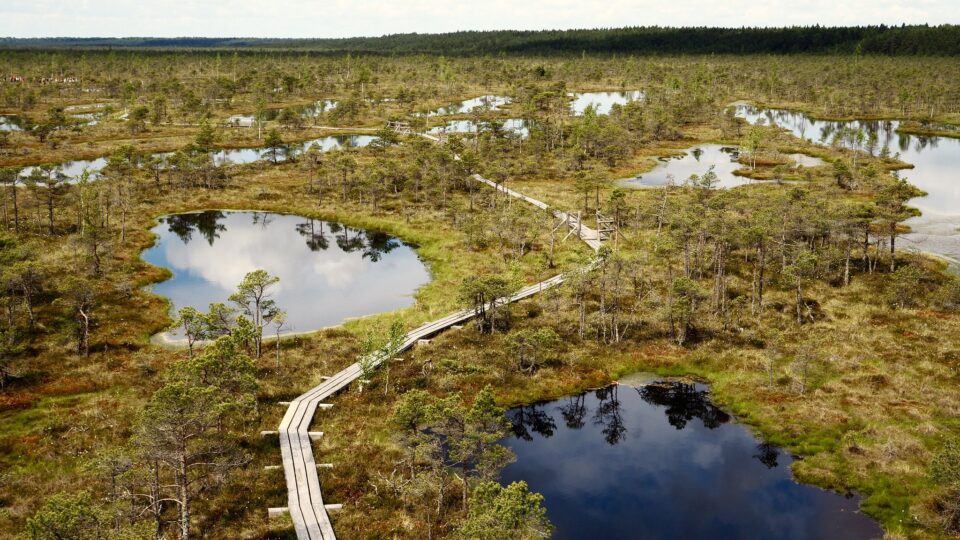
The UN climate conference in November approved an official market for large-scale trading of carbon credits.  This will allow industrial countries to help meet their emission reduction targets set by the Paris Climate Agreement by paying other nations to protect and restore forests and carbon-rich peatlands.

The first major participant in this multi-billion-dollar enterprise is Indonesia.  That country is home to the world’s third largest expanse of tropical rainforests and more than a third of the world’s carbon-storing peatlands.  Indonesia’s government plans to raise up to $65 billion by 2028 by selling carbon credits accrued by restoring and protecting its forests and peatlands.

The problem with carbon trading is that it can be filled with loopholes ranging from inaccurate carbon accounting to outright fraud.  Carbon trading with both individual companies and other countries can result in double- and even triple-counting of the same carbon.

For example, carbon credits are assigned when forests earmarked for agricultural or other development are preserved instead of being felled.  But what if that forest destruction wasn’t going to happen even without selling carbon credits? 

There are organizations in the business of verifying carbon accounting, but independent analysis of their methodologies has revealed serious shortcomings, and in many cases, the verifications have been deemed to be worthless.

There are real problems with carbon accounting and setting correct baselines for the carbon emission reductions associated with carbon credits.  Nevertheless, the existence of a global carbon market can be an important tool in the world’s efforts to mitigate the effects of climate change.

**********

Web Links

Will UN Carbon Market Work? Indonesia Will Provide First Test

Photo, posted June 12, 2017, courtesy of Runa S. Lindebjerg via Flickr.

Earth Wise is a production of WAMC Northeast Public Radio

The battle over wolves

January 10, 2025 By EarthWise Leave a Comment

Thirty years ago, wolves were reintroduced into Yellowstone National Park.  Grey wolves had almost disappeared entirely throughout the northern Rockies.  They were listed as endangered by the federal government since 1974.  The reintroduction was hailed as a wildly successful effort yielding significant benefits to Yellowstone’s ecosystems.

Since then, wolf populations have increased greatly across the West.  There are at least 7,000 or 8,000 wolves living in Western States.  But this conservation triumph is considered a plague by some residents of those states.   Wolves kill livestock, game animals, and sometimes pets.

Because of this backlash, federal protections have been lifted in some states, leaving wolf management up to state agencies.  Montana, Idaho, Wyoming, eastern Oregon, eastern Washington, and parts of Utah have no federal protections and hunting wolves is legal.  Initial, careful hunting quotas in some states have given way to widespread killing driven by anti-wolf sentiment. 

Emotions run high with regard to wolves, and unlike that of other protected species, the fate of wolves is a matter of politics rather than science or law.  State legislatures have gotten involved, often trying to prove that they hate wolves more than the next guy. 

Wolves are resilient animals and are likely to survive unless there is an organized government strategy like what took place in the 1900s with unlimited poisoning and shooting.  But experts note that wolf populations must persist at a high enough level in order to play important ecological roles.

**********

Web Links

As Wolf Populations Rebound, an Angry Backlash Intensifies

Photo, posted March 7, 2023, courtesy of Eric Kilby via Flickr.

Earth Wise is a production of WAMC Northeast Public Radio

Battery life in electric cars

January 9, 2025 By EarthWise Leave a Comment

Most of us have lots of experience with the batteries in phones, computers, and other gadgets.  Batteries don’t last forever, and we sometimes have to replace them.  It’s a fact of life.   These days, it’s becoming more common to drive electric cars and the fundamental principle is the same.  However, the battery pack in an EV is the most expensive part of the car, so its reliability and lifespan is a greater concern.

EV batteries generally have generous warranties.  In the US, EV batteries are required by federal law to be covered for at least 8 years or 100,000 miles, whichever comes first.  So, the financial exposure from the battery pack is reasonably limited.  Even so, EV owners would like to know that their car’s battery pack is likely to last a long time.

Battery life is generally determined by laboratory tests involving repeated charge-discharge cycles over a relatively short period of time, as opposed to those cycles being spaced out over years.

A new study by Stanford University looked at battery performance under conditions much more like what would be experienced in the real world.  Cars experience frequent acceleration, braking that charges the batteries a bit, lots of stops, periods of rest, and so forth.  Nothing like just charging and discharging repeatedly.

The study found that today’s EV batteries may last up to 40% longer than expected.  Real-world stop-and-go driving benefits batteries more than standard test conditions.

The cost of EV batteries continues to get lower all the time and it is likely to be quite a long time before one is likely to need a new battery assuming one even keeps the car long enough.

**********

Web Links

Existing EV batteries may last up to 40% longer than expected

Photo, posted August 27, 2021, courtesy of Ron Frazier via Flickr.

Earth Wise is a production of WAMC Northeast Public Radio

Climate change and the global food supply

January 8, 2025 By EarthWise Leave a Comment

One of the most troubling aspects of global climate change is its potential to severely disrupt the production, distribution, and quality of food. While food security is already challenged by many factors, including population growth, poverty, and changing eating habits, climate change intensifies these issues by altering weather patterns, causing more frequent droughts, floods, and extreme temperatures that damage crops and reduce yields. 

These shifts not only threaten agricultural productivity and increase food prices, but they also impact water resources, pests, and disease dynamics, further destabilizing food systems and exacerbating vulnerabilities, particularly in regions already facing food insecurity.

According to a new paper, which was co-authored by 21 scientists from 9 different countries, climate change will cause widespread food shortages, leading to famine, mass migration, and global instability, unless swift action is taken to develop climate-resilient crops.

Adding to the urgency is the fact that agriculture itself also contributes approximately 30% of global greenhouse gas emissions, creating a vicious feedback loop that threatens to further accelerate global climate change.

The research, which was recently published in the journal Trends in Plant Science, outlines five key recommendations to address this crisis: Study plants in real-world conditions, strengthen partnerships with farmers, streamline regulations for faster innovation, build public trust in new technologies, and create global research initiatives that unite scientists from developed and developing nations to share resources and expertise.

**********

Web Links

Climate Change Threatens Global Food Supply: Scientists Call for Urgent Action

Photo, posted September 21, 2014, courtesy of Peter via Flickr.

Earth Wise is a production of WAMC Northeast Public Radio

Planting trees in Europe

January 7, 2025 By EarthWise Leave a Comment

Planting lots of trees is one of many strategies being pursued to combat climate change.  Trees are storehouses of carbon from the atmosphere and planting more of them helps remove carbon dioxide.  But trees do more than that.  Trees are natural air conditioners in cities.

Trees significantly cool urban environments by providing shade and via a process called evapotranspiration by which they release water vapor into the air, which provides cooling.  This helps mitigate the urban heat island effect. Areas under trees in cities can be as much as 25 degrees cooler than in unshaded areas covered in asphalt.

The city of Paris has laid out a plan to help the city prepare for increasing amounts of extreme heat.  The goal is to replace 60,000 parking spaces across the city with trees by the end of this decade.  The plan to rip up parking spaces is part of a greater aim to create more than 700 acres of green space by 2030.  The Paris plan also includes creating more car-free zones and installing reflective roofs on 1,000 public buildings.  Nearly 80% of the buildings in Paris have zinc roofs – an affordable, corrosion-resistant and pretty much inflammable innovation of the 19th century.  However, these roofs can heat up to 194 degrees on a summer day, transferring heat into largely uninsulated top-floor garrets below.

Elsewhere in Europe, Danish lawmakers have agreed on a plan to rewild 10% of the country’s farmland and plant one billion trees.   According to the Danish government, this plan would bring about the biggest change to the Danish landscape in over 100 years.

**********

Web Links

To Cope with Extreme Heat, Paris Will Swap Parking Spaces for Trees

Photo, posted April 11, 2014, courtesy of Val H. via Flickr.

Earth Wise is a production of WAMC Northeast Public Radio

Dangers of distant fires

January 6, 2025 By EarthWise Leave a Comment

Smoke from wildfires can drift thousands of miles

Smoke from wildfires is well known to exacerbate health problems like heart disease, lung conditions, and asthma.  People living in the vicinity of where fires occur face these dangers.  But a new study at the University of Maryland has found that there are health impacts from wildfires occurring thousands of miles away.

During the summer of 2023, massive Canadian wildfires created a vast plume of smoke that drifted more than 2,000 miles across the country resulting in poor air quality across the entire East Coast of the U.S. 

Baltimore had very dark skies over a six-day period in June 2023, sending many individuals to doctors’ offices complaining of breathing issues.  University of Maryland researchers found that medical visits for heart and lung problems rose by nearly 20% during that period.

Using satellite and EPA data combined with electronic health records, the researchers found increased likelihood of patients going to the doctor for complications related to cardiopulmonary conditions during the days with the most smoke in the air.  They found a 55% increase in the risk for an outpatient visit for heart and lung conditions and these additional patients tended to be older, non-smokers, and more socio-economically affluent than the typical patients who see their doctors for such conditions when the air quality is good.

With more climate-related events likely to occur in the future, doctors may require better tools to help disadvantaged patients on so-called hotspot days when conditions are most dangerous.  Increasingly common wildfires are a particular danger to people even when those fires are far away from where they live.

**********

Web Links

Exposure to Remote Wildfire Smoke Drifting Across the U.S. Linked to Increased Medical Visits for Heart and Lung Problems

Photo, posted June 8, 2023, courtesy of Marc A. Hermann / MTA via Flickr.

Earth Wise is a production of WAMC Northeast Public Radio
Thermal batteries for heavy industry

January 3, 2025 By EarthWise Leave a Comment

Researchers are developing thermal batteries for heavy industry

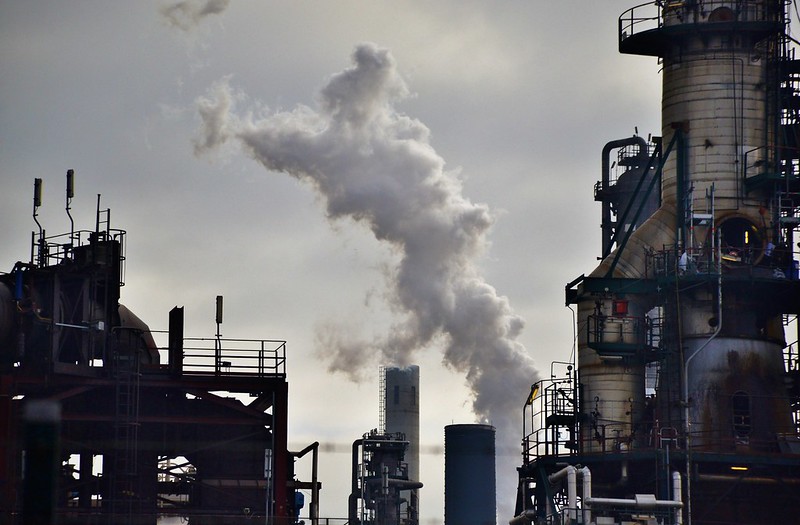
Heavy industries like cement, steel, chemicals, and paper require large amounts of heat and, for the most part, that heat comes from burning fossil fuels.  Other sectors of the economy have been making progress in reducing carbon emissions, but heavy industry has not found easy answers for supplying the heat it needs for manufacturing.

Researchers at MIT have developed a way to supply heat that only uses electricity, which in principle can come from carbon-free sources.  The idea is to use thermal batteries.  These are basically an electrically conductive equivalent of ceramic firebricks, which have been used to store heat for centuries in fireplaces and ovens.

A spinout company called Electrified Thermal Solutions has demonstrated that its firebricks can store heat efficiently for hours and release it by heating air or gas up to 3,272 degrees Fahrenheit. 

The firebrick arrays are contained in insulated, off-the-shelf metal boxes.  The standard system can collect and release about 5 megawatts of energy and store about 25 megawatt-hours.  The thermal battery can run hotter and last longer than any other electric heating solution on the market.

Using this technology can be a way to take advantage of the low cost of electricity in off-peak hours.  In the so-called wind belt in the middle of the U.S., electricity prices can even be negative at times.  Using the firebrick technology – called the Joule Hive Thermal Battery – it can be possible to provide industrial heating capability at very competitive prices, and that doesn’t even factor in the positive climate impact.

**********

Web Links

Decarbonizing heavy industry with thermal batteries

Photo, posted April 19, 2019, courtesy of Hans M. via Flickr.

Earth Wise is a production of WAMC Northeast Public Radio
Artificial intelligence and lost oil wells

January 2, 2025 By EarthWise Leave a Comment

Using artificial intelligence to find lost and abandoned oil wells

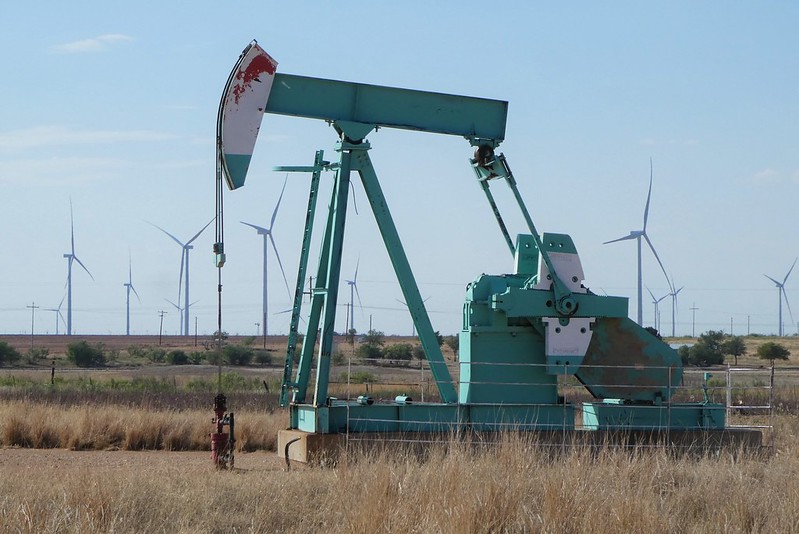
There have been commercial oil and gas wells across the United States for 170 years.  Researchers estimate that there are between two and three million wells that have been abandoned.  There are hundreds of thousands of them, across 27 states, that are “orphaned,” meaning that they are uncapped, unproductive, and nobody is responsible to manage their leakage or pollution.

Many are undocumented orphaned wells – UOWs – that are not listed in formal records and are basically out of sight and out of mind.  Besides having nobody responsible for them, nobody even knows where they are.  But they are potential sources of oil and chemical leaks into nearby water sources and can send toxic substances like benzene and hydrogen sulfide into the air. 

Researchers are using modern tools like drones, laser imaging, and advanced sensors to try to locate UOWs.  But these wells are scattered over an area of more than three million square miles.

To better predict where to look for undocumented wells, researchers are combining historical topographic maps with artificial intelligence. The US Geological Survey has scanned 190,000 topographic maps made between 1884 and 2006.  AI is being used to find the symbols for oil and gas wells on the maps.  People can recognize these symbols easily, but there are just too many maps to look at.  The problem is equivalent to finding a needle in a haystack; there is just an awful lot of hay to look through.

Abandoned wells are a big problem and it will take lots of modern technology to try to solve it.

**********

Web Links

AI Helps Researchers Dig Through Old Maps to Find Lost Oil and Gas Wells

Photo, posted August 16, 2022, courtesy of Larry Syverson via Flickr.

Earth Wise is a production of WAMC Northeast Public Radio
A solar peaker plant

January 1, 2025 By EarthWise Leave a Comment

Developing a solar power peaker plant

Peaker plants are power plants that the grid makes use of during times of particularly high electricity demand.  The power they supply is typically high in cost and usually high in greenhouse gas emissions.  When operating the electricity grid, power sources are generally called upon in order of marginal cost.  Only when demand is very high do grid operators make use of the highest-cost assets that tend to be fossil-fueled power plants that can start and ramp up quickly. 

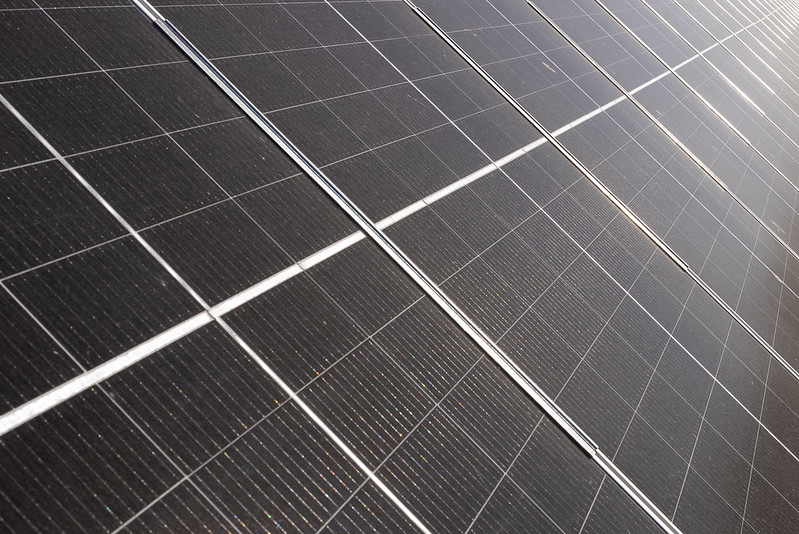
For years, there has been the idea that solar-powered peaker plants could eventually replace the polluting fossil-fueled ones.  Recently, the renewable energy developer, owner, and operator Arevon Energy began commercial operations of the Vikings Solar-plus-Storage Project in Imperial County, California.  It is the first utility-scale solar peaker plant in the United States.

The plant utilizes a 157-megawatt solar array combined with 150 MW and 600 MWh of battery energy storage.  It can shift low-cost daytime solar energy to higher-cost peak demand periods.  The result is a lowered cost of electricity for nearly one million customers of San Diego Community Power.

The project contradicts the often-held notion that renewable energy is inherently unreliable.  It can provide carbon-free electricity at specific times of critical need.  Typical hybrid solar + storage plants provide electricity during daylight hours and store only excess generation in their battery systems.  The Vikings project is specifically designed to shift the entirety of its generation from solar hours to the peak demand period.

**********

Web Links

Arevon fires up the first solar + storage peaker plant in the U.S.

Photo, posted October 15, 2024, courtesy of Jay Inslee via Flickr.

Earth Wise is a production of WAMC Northeast Public Radio

Climate change and an iconic Florida bird

December 31, 2024 By EarthWise Leave a Comment

The Florida scrub-jay is a medium-sized bird native to Florida, known for its striking blue plumage and distinctive call. It is the only bird species that is entirely endemic to Florida, found mainly in the scrubby, sandy habitats of the central and southern part of the Sunshine State.

But extensive development, habitat fragmentation, and habitat degradation have caused the scrub-jay population to decline significantly over the past century. 

Another threat facing the Florida scrub-jay is climate change.  According to a new study by researchers from the Archbold Biological Station and the Cornell Lab of Ornithology, warmer winters driven by climate change are causing Florida scrub-jays to nest one week earlier than they did in 1981.  This seemingly innocuous change has reduced the number of offspring raised annually by 25% since 1981. 

The research team examined 37 years of data to assess the impacts of warming on reproductive efforts.  From 1981 to 2018, the average winter temperature at Archbold Biological Station in Florida increased by 2.5 degrees Fahrenheit.  Despite increases in the number of nests built and eggs laid over the longer breeding season, Florida scrub-jays are not producing more young. 

The researchers hypothesize that warmer temperatures make the nests susceptible to predation by snakes for a longer period of the Florida spring than in the past.  The findings, which were recently published in the journal Ornithology, suggest that climate change could dampen the success of conservation efforts for this threatened species.

**********

Web Links

Long-term study reveals warming climates threaten Florida scrub-jay

Florida Scrub-Jay

Photo, posted October 15, 2018, courtesy of Judy Gallagher via Flickr.

Earth Wise is a production of WAMC Northeast Public Radio
Neighborhood geothermal energy

December 30, 2024 By EarthWise Leave a Comment

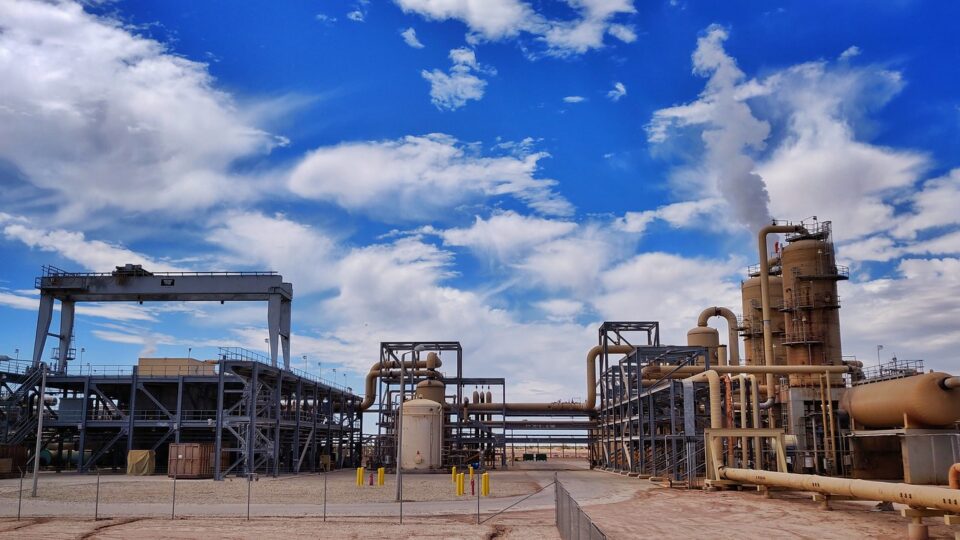
Residential geothermal energy makes use of the constant, year-round temperature of the earth below the surface to efficiently provide both heating and cooling for a home.  In the summer, the cool earth beneath a house sits at about 55 degrees and can be tapped into with a heat pump to provide cooling.  In the winter, that 55-degree underground expanse provides a much warmer source of air to heat instead of the often freezing-cold air outside.  Geothermal systems are appealing because they use far less energy than other sources of heating and cooling.

Using geothermal energy to heat and cool buildings is nothing new.  But after years of planning and months of drilling into the ground, the first neighborhood-scale geothermal heating and cooling project has come online in Framingham, Massachusetts.

The project ties together 31 residential and five commercial buildings that share the underground infrastructure needed to heat and cool them.  This sort of shared geothermal system has previously been used on college campuses and similar places, but never before across a neighborhood in the United States.

The $14 million project, built by Eversource, broke ground in June 2023, and comprises 90 boreholes or wells drilled 600-700 feet underground. Approximately 135 customers are connected to the system, including low- and moderate-income customers, apartment buildings, a gas station, and a kitchen cabinet showroom.

A total of 13 states, including Massachusetts and New York, are considering pilot projects or advancing legislation that would allow gas utilities to develop networked geothermal heating and cooling.

**********

Web Links

First-in-the-Nation Geothermal Heating and Cooling System Comes to Massachusetts

Photo, posted September 30, 2019, courtesy of Stephen D. Strowes via Flickr.

Earth Wise is a production of WAMC Northeast Public Radio

Unexplained heat wave hotspots

December 27, 2024 By EarthWise Leave a Comment

2023 and 2024 have been the hottest years since records have been kept.  But above and beyond the upward march of average temperatures around the globe, there has been the phenomenon of distinct regions across the globe experiencing repeated heatwaves that are so extreme that they cannot be accounted for in any models of global warming.

A new study by Columbia University’s Climate School has provided the first worldwide map of such regions, which have emerged on every continent except Antarctica.  Heatwaves in these regions have killed thousands of people, withered crops and forests, and triggered devastating wildfires.

These recent regional-scale record-breaking temperature extremes have raised questions about whether current climate models can provide adequate estimates of the relationship between global mean temperature changes and regional climate risks.

Some of these regional events in recent years include a nine-day heatwave in the U.S. Pacific Northwest and southwestern Canada in June 2021 that broke daily records in some places by 54 degrees Fahrenheit.  Across Germany, France, the UK, the Netherlands, and other countries, the hottest days of the year are warming twice as fast as the summer mean temperatures. 

There is yet little understanding of the phenomenon.  Some theories related to destabilization of the jet stream don’t really explain all the temperature extremes observed.  But regardless of the underlying causes, the health impacts of these heat waves are severe, as are the effects on agriculture, vegetation, and infrastructure.  Society is not built to quickly adapt to them.

**********

Web Links

Unexplained Heat Wave ‘Hotspots’ Are Popping Up Across the Globe

Photo, posted August 16, 2022, courtesy of Alisdare Hickson via Flickr.

Earth Wise is a production of WAMC Northeast Public Radio

Reducing methane from cattle

December 26, 2024 By EarthWise Leave a Comment

Methods to reduce methane emissions from cattle

Livestock is responsible for almost 15% of global greenhouse gas emissions.  Most of that is in the form of methane that cattle release when they burp.  Grazing cattle produce more methane than feedlot cattle or dairy cows because they eat more fiber from grass.  There are 9 million dairy cows in the U.S. but more than 64 million beef cattle.

Beef cattle spend most of their lives grazing in pastures and producing methane.  Controlling the food of pasture-raised cattle is difficult because they often graze far from ranches for extended periods of time.  During the winter and during times when grass is scarce, ranchers supplement the diet of cattle.

A new study by researchers at the University of California – Davis has found that feeding grazing cattle a seaweed supplement in pellet form reduced their methane emissions by nearly 40% without affecting their health or weight.  There have been previous studies that showed seaweed cut methane emissions by 82% in feedlot cattle and over 50% in dairy cows.  But this is the first study to test the effects of seaweed on grazing beef cattle.

The seaweed pellets were made available to grazing cattle and they ate the supplement voluntarily.  Compared to a group of cattle who didn’t receive the supplements, the seaweed eaters had a 40% reduction in methane emissions.

Other research studies to reduce methane emissions using feed additives have taken place in controlled environments with daily supplements.  This method provides a way to make a seaweed supplement easily available to grazing animals.  It could even be introduced through a lick block for cattle.

**********

Web Links

Feeding Grazing Cattle Seaweed Cuts Methane Emissions by Almost 40%

Photo, posted February 18, 2016, courtesy of Beverly Moseley/NRCS via Flickr.

Earth Wise is a production of WAMC Northeast Public Radio
Faster electric vehicle charging

December 25, 2024 By EarthWise Leave a Comment

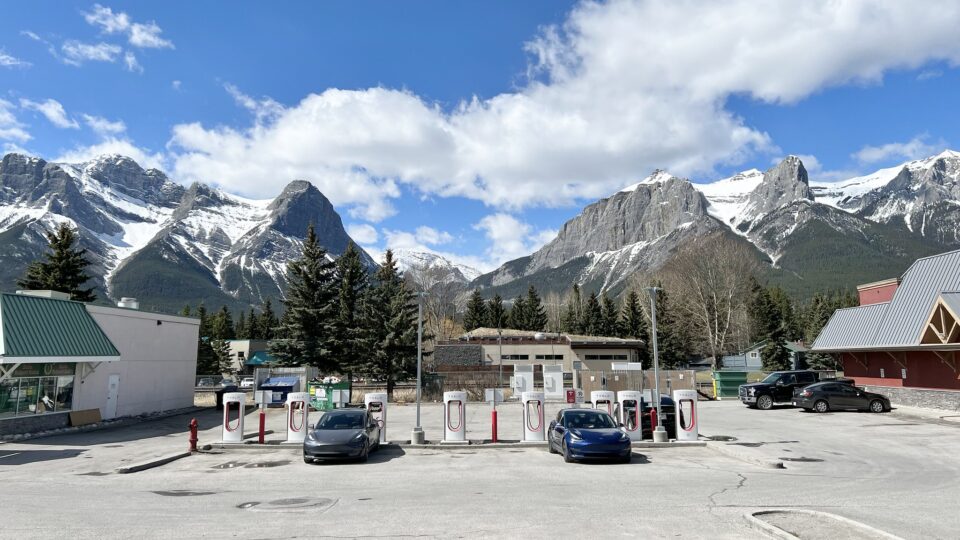
One concern that people have in replacing gas-powered vehicles with electric vehicles is the time it takes to charge them.  Charging an EV at home from an ordinary 110V electrical outlet is a slow process; installing a 220V outlet speeds things up considerably but it still can take all night to fully charge a car.  The driving range of electric cars has increased over the years so that now there are many cars that can go 300 miles or more on a charge. For most people, so-called range anxiety is mostly gone.  But on long road trips, charging time can be a real issue.

There are increasing numbers of high-speed chargers along or adjacent to major highways that can provide 200 miles of driving range in less than half an hour.  But people want more charge, and they want it faster.

There are multiple efforts in improving EV batteries and charger technology aimed at transforming a visit to a public charger to an experience comparable to filling up at a gasoline station.

Researchers at the University of Waterloo have designed a new kind of lithium-ion battery that will be able to go from zero battery power to 80% in just 15 minutes. This technology would certainly enhance the capabilities of today’s electric cars.  However, it is quite possible that other technologies that surpass this performance will emerge in the near future.  There is talk across the industry of cars that can charge up in 5 or 10 minutes.   There is also the prospect of many cars that can drive 500 miles on a charge.  These features would address the needs or desires of all but a very small number of drivers.

**********

Web Links

From zero to 80 per cent in just 15 minutes

Photo, posted May 7, 2022, courtesy of Sharon Hahn Darlin via Flickr.

Earth Wise is a production of WAMC Northeast Public Radio

Corals and climate change

December 24, 2024 By EarthWise Leave a Comment

Climate change is a major threat to coral reefs around the world.  Ocean warming triggers coral bleaching – a stress response where corals expel the symbiotic algae essential for their survival.  If coral bleaching is severe, it can lead to coral death.

A new study led by scientists from Newcastle University in England suggests that corals are unlikely to adapt to ocean warming quickly enough to keep pace with global warming, unless there are rapid reductions in global greenhouse gas emissions.

The study, which was recently published in the journal Science, found that coral heat tolerance adaptation via natural selection could keep pace with ocean warming, but only if the climate goals of the Paris Agreement are realized.  In the Paris Agreement, countries agreed to limit global warming by the end of the century to two degrees Celsius above pre-industrial levels.  

However, current climate policies around the world have the globe on track to warm by three degrees Celsius.  According to the research team, this could lead to significant reductions in reef health, elevated risks of local coral extinctions, and considerable uncertainty in the so-called “evolvability” of corals. 

Coral reefs are among the most biologically diverse ecosystems on Earth.  They are often referred to as the “rainforests of the sea” because they support an incredible variety of marine life.  They provide essential ecosystem services, such as protecting coastlines from erosion and storm surges, supporting fisheries, and serving as a source of income through tourism. Coral reef health is vital for the health of the planet.

**********

Web Links

Coral adaptation unlikely to keep pace with global warming

Photo, posted June 9, 2012, courtesy of Bokissa Private Island Resort via Flickr.

Earth Wise is a production of WAMC Northeast Public Radio
Giant batteries in the Earth

December 23, 2024 By EarthWise 1 Comment

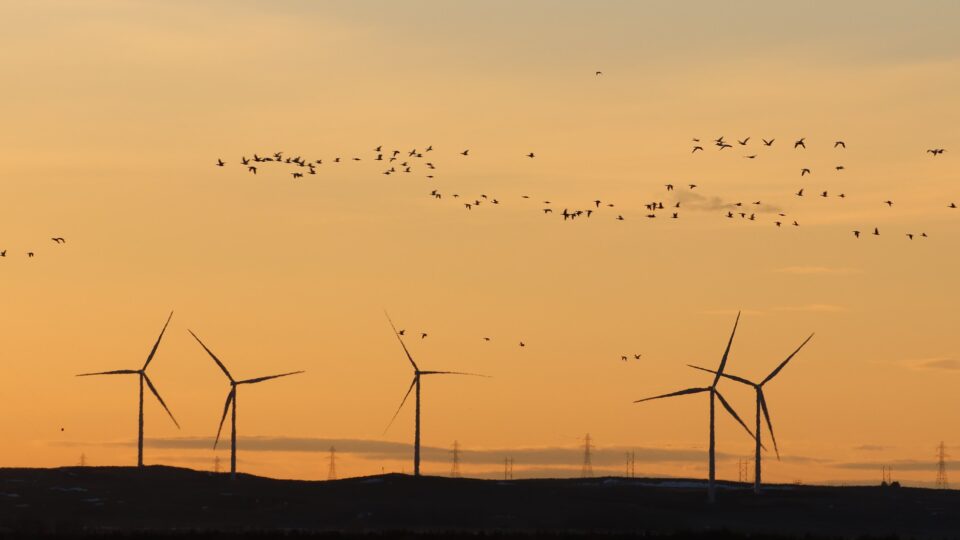
The wind and the sun are inexhaustible sources of energy, and we are tapping into them to produce electricity at a growing rate around the world.  But neither of them is always available when we need them.  When the sun isn’t shining and the wind isn’t blowing, they don’t work.

An opposite problem also exists.  When our energy needs are low, but it is sunny or windy, solar and wind power are all dressed up with nowhere to go.  Energy storage is the answer to both of these problems.   When there is excess generation, store the energy for later use.  When there is need for energy and not enough is being generated, tap into the energy that is stored.

Giant banks of lithium-ion batteries are the rapidly growing form of energy storage, and they are increasingly providing resilience in the electric grid.  But battery storage is short-term energy storage.  Even the largest battery banks can only provide a few hours of electricity. 

So, there is a real need for “long-duration energy storage” – systems that provide at least 10 hours of backup power and sometimes much more – for the grid to be fully reliable.

Pumped hydro storage, which uses water from elevated reservoirs to drive turbines, has been around for a long time.  Historically, this is the largest form of energy storage in the world.  Other methods include pumping compressed air into underground caverns or lifting massive blocks into elevated positions.  All of these techniques use excess electricity to place things like water, air, or cement into a position where they can be used to drive electrical generators.

The grid of tomorrow will store energy in giant battery banks, but also in the ground, in reservoirs, and in large structures.

**********

Web Links

How giant ‘batteries’ in the Earth could slash your electricity bills

Photo, posted March 21, 2024, courtesy of Sandra Uecker/USFWS via Flickr.

Earth Wise is a production of WAMC Northeast Public Radio

  • « Go to Previous Page
  • Page 1
  • Interim pages omitted …
  • Page 9
  • Page 10
  • Page 11
  • Page 12
  • Page 13
  • Interim pages omitted …
  • Page 99
  • Go to Next Page »

Primary Sidebar

Recent Episodes

  • An uninsurable future
  • Clean energy and jobs
  • Insect declines in remote regions
  • Fossil fuel producing nations ignoring climate goals
  • Trouble for clownfishes

WAMC Northeast Public Radio

WAMC/Northeast Public Radio is a regional public radio network serving parts of seven northeastern states (more...)

Copyright © 2026 ·