• Skip to primary navigation
  • Skip to main content
  • Skip to primary sidebar

Earth Wise

A look at our changing environment.

  • Home
  • About Earth Wise
  • Where to Listen
  • All Articles
  • Show Search
Hide Search
You are here: Home / Archives for younger

younger

Abandoned farmland and the environment

September 4, 2025 By EarthWise Leave a Comment

Abandoned farmland has been increasing dramatically in recent decades.  Estimates are that a billion acres – an area half the size of Australia – have been relinquished from cultivation globally.  While more and more of the tropics have been cultivated in recent times, the global amount of land used for agriculture has been in decline since 2001.  In the past 30 years, arable land in the United States has declined by almost a sixth.  The situation in Europe is similar.  Huge amounts of the former Soviet Union now lie abandoned. 

Farmland is abandoned for various reasons.  It may suffer from damaged soil so that crop yields are too low to be worth the effort.  Farm owners may become too old or be physically unable to continue farming.  Many younger people head for jobs in the cities and more attractive opportunities.  Wars, natural and man-made disasters, and political turmoil have all contributed.

Another form of largely ignored lands are so-called degraded forests.  These are forests that were logged in the past but are no longer productive and aren’t protected either.  These places also represent unused land with great potential value.

Ecologists point to the potential of these lands as neglected resources for rewilding efforts, improving biodiversity, and for increasing natural ways to capture carbon.  Left to its own devices, nature will usually reclaim abandoned places.  This generally provides benefits for biodiversity and climate.  But mapping, studying, managing, and protecting the increasingly vast tracts of abandoned land could increase their potential to contribute to climate change mitigation and the restoration of species and their habitats.

**********

Web Links

Abandoned Lands: A Hidden Resource for Restoring Biodiversity

Photo, posted January 26, 2023, courtesy of Larry Syverson via Flickr.

Earth Wise is a production of WAMC Northeast Public Radio
Shrinking polar ice

November 12, 2024 By EarthWise Leave a Comment

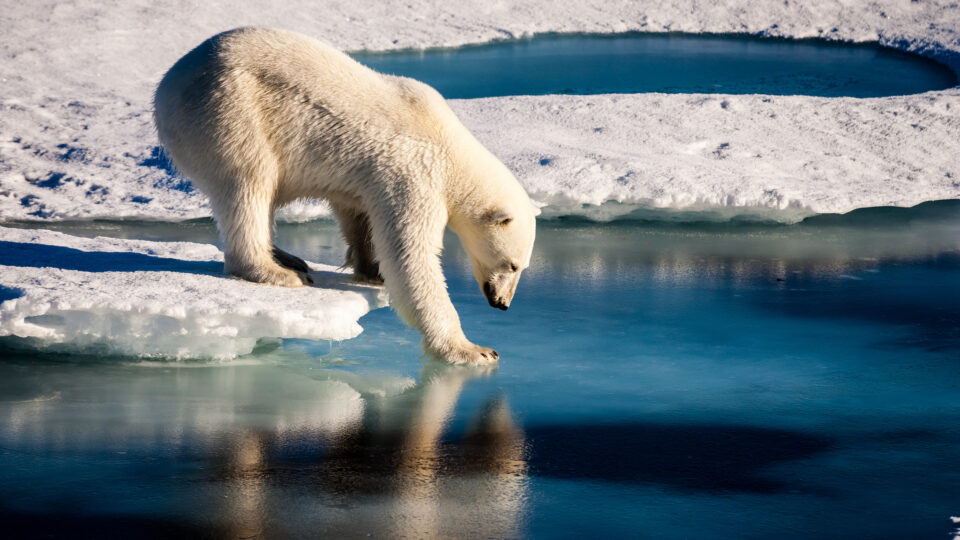
Arctic sea ice has shrunk to near-historic lows during this Northern Hemisphere summer.  The minimum extent for the year occurred on September 11th.  Ice cover in the Arctic Ocean has been shrinking and thinning for more than 40 years.  The amount of frozen seawater in the Arctic goes up and down during the year as sea ice thaws and regrows between seasons.

This year, the minimal extent of sea ice shrank to 1.65 million square miles.  That’s about 750,000 square miles less than the average for late summer over the years between 1981 and 2010, representing a decrease of more than 30%.  The all-time low of 1.31 million square miles was actually set in 2012.  Sea ice coverage can fluctuate from year to year, but it has trended downward since it has started being tracked in the late 1970s.  The loss of sea ice has averaged about 30,000 square miles per year.

Sea ice extent has not only been shrinking; the ice has been getting younger and thinner.  Presently, the overwhelming majority of ice in the Arctic Ocean is first-year ice, which is thinner and less able to survive the warmer months.  There is far less ice that is three years or older.

Meanwhile, sea ice in the southern polar regions was also low this year.  In the sea around Antarctica, scientists are tracking near record-low sea ice at a time when it should have been growing extensively during the darkest and coldest months in the Southern Hemisphere.

Polar ice loss compounds polar ice loss.  The loss of sea ice increases heat in the polar regions, where temperatures have risen about four times more than the global average.

**********

Web Links

Arctic Sea Ice Near Historic Low; Antarctic Ice Continues Decline

Photo, posted September 15, 2016, courtesy of Mario Hoppmann via Flickr.

Earth Wise is a production of WAMC Northeast Public Radio
Shrinking Alaskan Salmon | Earth Wise

September 24, 2020 By EarthWise Leave a Comment

Salmon in Alaska are shrinking

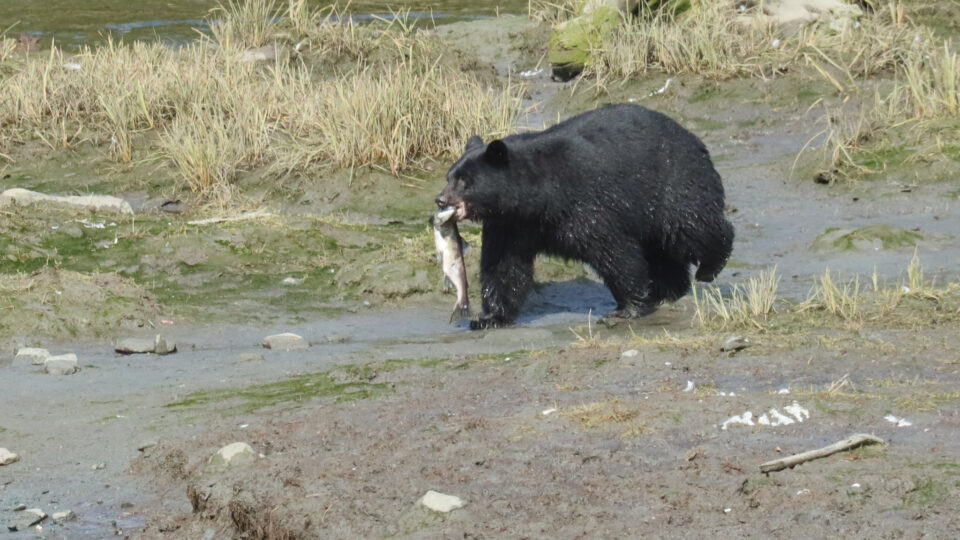
According to a new study published in the journal Nature Communications, salmon returning to Alaskan rivers have become significantly smaller over the past 60 years.  As a result of climate change and competition from hatchery fish, wild salmon are spending less time at sea and are returning to spawning grounds at younger ages.

The study, by scientists at the University of Alaska at Fairbanks and the University of California Santa Cruz, examined measurements of over 12 million fish collected by the Alaska Department of Fish and Game from 1957 through 2018.  Over that time period, four out of Alaska’s five wild salmon species – Chinook, chum, coho, and sockeye – have shrunk in size.  Chinook salmon is the official state fish of Alaska and they used to stay out at sea for seven years before returning to spawn.  Many are now returning to rivers at just four years old and are on average 8% smaller than they were 30 years ago.

The shrinking size of Alaskan salmon has consequences for people, the economy, and ecosystems in Alaska.   Wild salmon is a staple food for many residents of the state, particularly among indigenous groups.  More generally, Alaska produces nearly all of the wild salmon in the U.S.   Commercial fishing of over 200 million wild salmon in 2019 resulted in $657 million in income.  The fish are also an important food source for bears and other wildlife and the spawning migration of salmon plays an important role in nutrient transportation in Alaskan river ecosystems.


Multiple factors are driving the changes in the salmon population, but the largest effects are the changing climate and the abundance of salmon in the ocean due in part to hatchery production that results in competition for the salmon’s food.

**********

Web Links

Alaska’s Salmon Are Significantly Smaller Than They Were 60 Years Ago

Photo, posted September 5, 2019, courtesy of Flickr.

Earth Wise is a production of WAMC Northeast Public Radio.

Primary Sidebar

Recent Episodes

  • An uninsurable future
  • Clean energy and jobs
  • Insect declines in remote regions
  • Fossil fuel producing nations ignoring climate goals
  • Trouble for clownfishes

WAMC Northeast Public Radio

WAMC/Northeast Public Radio is a regional public radio network serving parts of seven northeastern states (more...)

Copyright © 2026 ·