• Skip to primary navigation
  • Skip to main content
  • Skip to primary sidebar

Earth Wise

A look at our changing environment.

  • Home
  • About Earth Wise
  • Where to Listen
  • All Articles
  • Show Search
Hide Search
You are here: Home / Archives for worst

worst

Mixed news for the Great Barrier Reef

August 27, 2024 By EarthWise Leave a Comment

Mixed news about the Great Barrier Reef

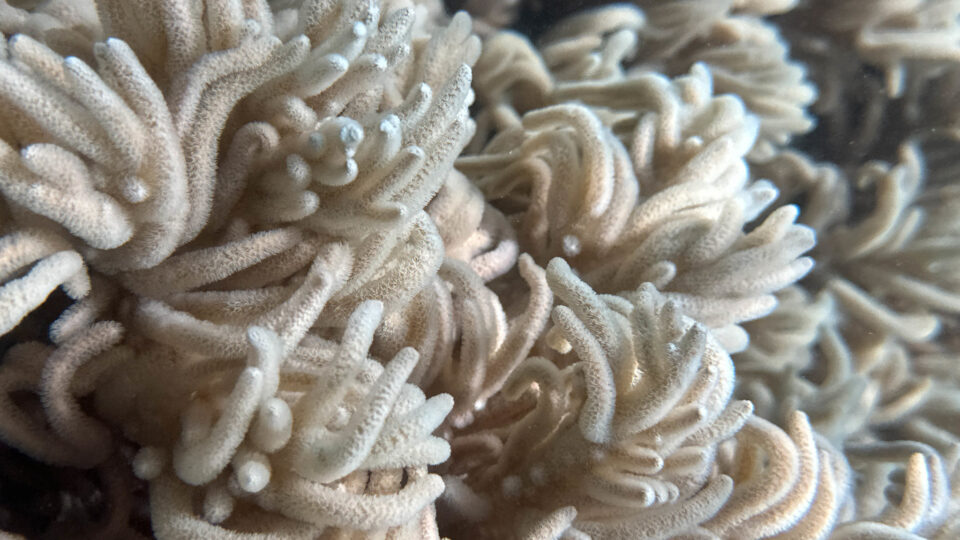
A prolonged and widespread coral bleaching event in Australia’s Great Barrier Reef has taken place this year.  It is the fifth such event over the past eight years and appears to be one of the worst ever.  According to preliminary analysis, 97% of corals in some areas of the northern part of the reef died as a result of the bleaching.  Over the entire length of the reef – which is more than 1,200 miles long – bleaching was observed on 74% of the more than 1,000 individual reefs that make up the Great Barrier Reef.  Half of those observed recorded high or very high levels of bleaching, although less than 10% had extreme levels of bleaching.

Prior to this mass bleaching event, an extensive survey of the reef was conducted, and it provided some good news.  Coral cover had increased in all three regions on the Great Barrier Reef and was actually at regional highs in two of the three regions.  The surveys were completed before the passage of Tropic Cyclone Jasper in December 2023.

Bleached corals are very stressed, but they still remain alive for at least some period of time.  Some types of corals can remain bleached for months, hanging on like a hospital patient in critical condition, but then recover.  Depending upon water conditions going forward, it remains to be seen how much of the reef will survive the latest bleaching event.  The next survey season by the Australian Institute of Marine Science will commence in September.

In many ways, the reef has had some lucky escapes in recent years.  As marine heatwaves become increasingly common, its luck may eventually run out.

**********

Web Links

New report on Great Barrier Reef shows coral cover increases before onset of serious bleaching, cyclones

Photo, posted 8, 2023, courtesy of Chris Hoare via Flickr.

Earth Wise is a production of WAMC Northeast Public Radio
Poverty And Climate Change

March 15, 2022 By EarthWise Leave a Comment

Poverty and climate change are inextricably linked

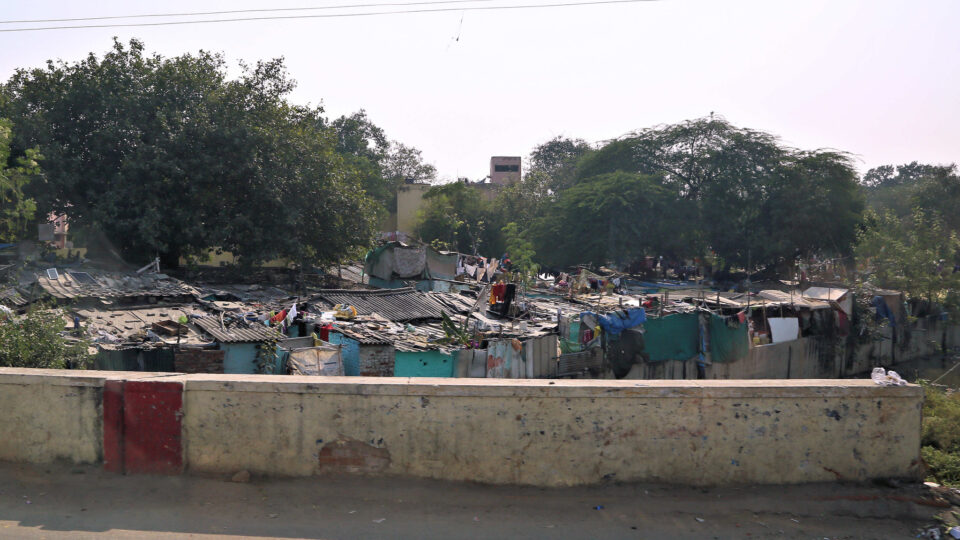
According to the World Health Organization, climate change is expected to cause approximately 250,000 extra deaths per year between 2030 and 2050.  But climate change does not affect everyone the same.  In fact, the poorest people on the planet, who are often the least to blame for climate change, typically bear the worst of the impact.

Wealthier people and countries have more resources to shield themselves from the impacts of climate change.  For example, higher incomes allow people to purchase air conditioning as temperatures rise,  food as food prices soar, and homes in safer places.  Wealthy nations can also compensate citizens when climate change harms livelihoods. 

According to new research, people with lower incomes are exposed to heat waves for longer periods of time compared to those with higher incomes due to a combination of factors including location and access to heat adaptations like air conditioning.  This inequality is expected to increase as temperatures rise. 

The study, which was published in the AGU journal Earth’s Future, found that lower income populations face a 40% higher exposure to heat waves than people with higher incomes.  By the end of the century, the poorest 25% of the global population will be exposed to heat waves at a rate equivalent to the rest of the population combined.

On the other hand, the highest-income quarter of the population will experience comparatively little change in exposure to heat waves as their ability to keep up with climate change is generally greater.

The research team hopes its findings will prompt innovations into affordable cooling solutions for the world’s most vulnerable population. 

Climate change and poverty are, and will remain, inextricably linked. 

**********

Web Links

Poorest people bear growing burden of heat waves as temperatures rise

Photo, posted October 27, 2019, courtesy of Jack via Flickr.

XXXXXXXXX

Private Jets and CO2 Emissions | Earth Wise

July 16, 2021 By EarthWise Leave a Comment

Private jets are trouble for the planet

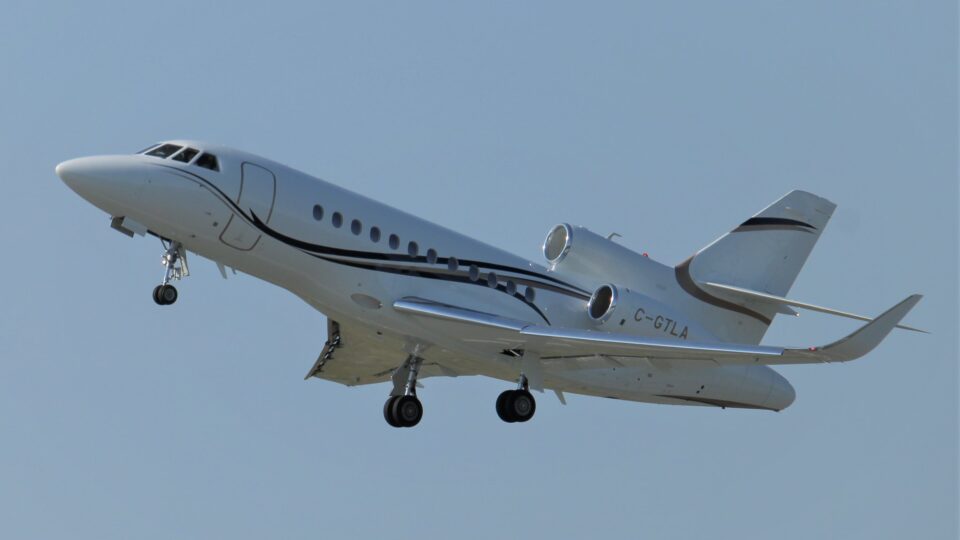
During the heart of the Covid-19 pandemic, private jet use saw record levels because chartered aircraft were estimated to have 30 times lower risk for covid than flying commercial.  By August 2020, while commercial flights were down 60% year-over-year, private jet traffic was actually up.  From an environmental perspective, however, flying on a private jet is about the worst thing one can do for the environment.

Private jets are 10 times more carbon intensive than airlines on average and 50 times more polluting than trains.  A four-hour private flight emits as much as the average person does in a year.

In Europe, 7 out of the 10 most polluting routes taken by private aircraft lie in the UK-France-Switzerland-Italy axis, with jets departing the UK and France being the biggest source of pollution.  One in 10 flights departing France are private jets, half of which travelled less than 300 miles.

A study by the research group Transport & Environment points out that wealthy private jet owners are ideally suited to aid in the decarbonization of the aviation sector.  Private jet short hops are prime targets for replacement by clean technologies like electric and hydrogen aircraft.  European policy makers could ban the use of fossil-fuel private jets for flights under 600 miles by 2030.  Until such a ban, jet fuel and flight taxes could be imposed on private jets to account for their disproportionate climate impact and support technology development.  And companies and individuals could commit to substantial reductions in private jet use when alternatives exist that do not unreasonably increase travel time.

The super-rich could be part of the solution instead of part of the problem.

**********

Web Links

Private Jet Use Rising, Sending CO2 Emissions Soaring

Photo, posted September 9, 2020, courtesy of Mackenzie Cole via Flickr.

Earth Wise is a production of WAMC Northeast Public Radio.

Primary Sidebar

Recent Episodes

  • An uninsurable future
  • Clean energy and jobs
  • Insect declines in remote regions
  • Fossil fuel producing nations ignoring climate goals
  • Trouble for clownfishes

WAMC Northeast Public Radio

WAMC/Northeast Public Radio is a regional public radio network serving parts of seven northeastern states (more...)

Copyright © 2026 ·