
• Skip to primary navigation
  • Skip to main content
  • Skip to primary sidebar

Earth Wise

A look at our changing environment.

  • Home
  • About Earth Wise
  • Where to Listen
  • All Articles
  • Show Search
Hide Search
You are here: Home / Archives for water loss

water loss

The Great Salt Lake Is Disappearing | Earth Wise

August 31, 2022 By EarthWise Leave a Comment

Utah’s Great Salt Lake is the largest saltwater lake in the western hemisphere.  According to data from the US Geological Survey, the surface water elevation of the Great Salt Lake has fallen to the lowest level since records began in the mid-1800s.  The average elevation is now 4,190 feet above sea level.   With this drop in water level, the surface area of the lake is little more than half of its historical size.  The lower water level has exposed about 700 square miles of previously submerged lakebed.

The lake now contains about a quarter of the volume of water that it did at its high point in 1987.  The precipitous drop in water is a result of water usage from the lake coupled with climate change-fueled drought.   Increased water demand is due to the rapidly growing population of metropolitan Salt Lake City.  Utah’s population is projected to increase by almost 50% by 2060.

The Great Salt Lake goes though seasonal cycles of water loss and replenishment.  Rain and snow generally refill its level.  However, because of the ongoing megadrought in the West, water evaporation and depletion continue to exceed the amount of water entering the lake.  The water levels are expected to further decrease until fall or early winter, when incoming water is expected to equal or exceed evaporation.

The decline of the Great Salt Lake is a serious threat to the economy, ecology, and people of northern Utah.  The lake generates snowpack, is a refuge for hundreds of migratory birds and other wildlife and generates millions of dollars in the economy through mineral extraction and tourism.

**********

Web Links

Utah’s Great Salt Lake is disappearing

Photo, posted October 6, 2020, courtesy of Julie Girard via Flickr.

Earth Wise is a production of WAMC Northeast Public Radio.
The Potential For Solar Canals In California | Earth Wise

April 29, 2021 By EarthWise Leave a Comment

Covering California's aqueducts with solar panels could advance renewable energy and water conservation

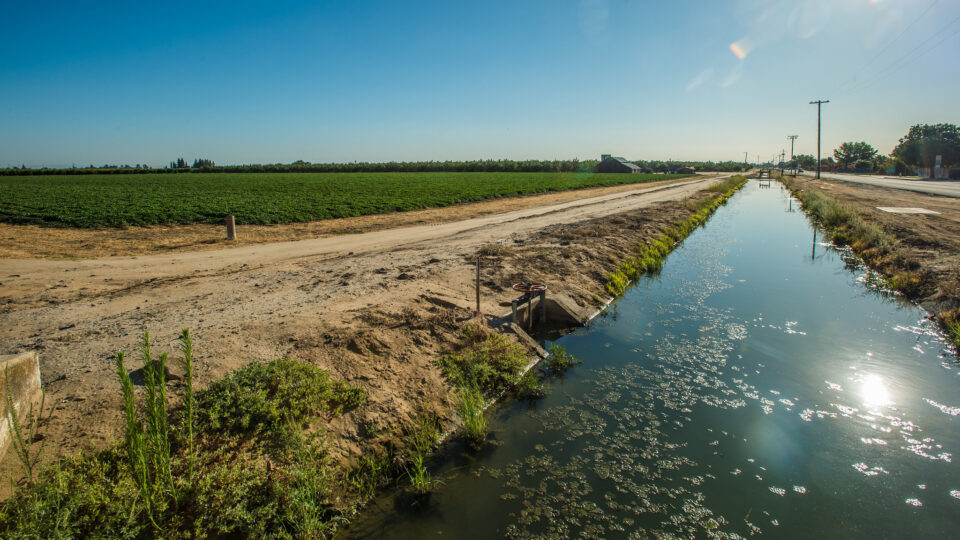
California’s network of almost 4,000 miles of aqueducts is the world’s largest water conveyance system.  It serves the state’s Central Valley which produces a quarter of America’s food.  About 20% of the nation’s groundwater demand is pumped from Central Valley aquifers.

A recent study by the University of California Santa Cruz and UC Merced has determined that covering these aqueducts with solar panels could be an economically feasible way to advance both renewable energy and water conservation.  California’s aqueducts might more properly be called canals because they are located at ground level.  

The concept of solar canals has been gaining increasing interest around the world as the changing climate leads to more droughts in many regions.  Placing solar panels above the canals can shade them to help prevent water loss through evaporation.  In addition, some types of solar panels can work better situated over canals because the cooler environment improves their operation.  In addition to the increased solar panel output and the water evaporation savings, shade from solar panels could help control the growth of aquatic weeds, which are a costly canal maintenance issue.

Spanning canals with solar panels can be accomplished either by using steel trusses or suspension cables, either of which is more expensive to build than ordinary ground-mounted solar panel supports.  But the research study showed how the benefits of solar canals combine to outweigh the added costs for cable-supported installations.

Apart from the economic benefits of a solar canal system, producing solar energy in the canal system could eliminate the use of 15-20 diesel-powered irrigation pumps, helping to reduce air pollution in a region with some of the nation’s worst air quality.

Solar canals could be a real winner.

**********

Web Links

New analysis shows potential for ‘solar canals’ in California

Photo, posted July 23, 2015, courtesy of Lance Cheung / USDA via Flickr.

Earth Wise is a production of WAMC Northeast Public Radio.

Primary Sidebar

Recent Episodes

  • An uninsurable future
  • Clean energy and jobs
  • Insect declines in remote regions
  • Fossil fuel producing nations ignoring climate goals
  • Trouble for clownfishes

WAMC Northeast Public Radio

WAMC/Northeast Public Radio is a regional public radio network serving parts of seven northeastern states (more...)

Copyright © 2026 ·