• Skip to primary navigation
  • Skip to main content
  • Skip to primary sidebar

Earth Wise

A look at our changing environment.

  • Home
  • About Earth Wise
  • Where to Listen
  • All Articles
  • Show Search
Hide Search
You are here: Home / Archives for vegetable oil

vegetable oil

Palm oil and water quality

June 3, 2024 By EarthWise Leave a Comment

Palm oil is the world’s cheapest and most widely used vegetable oil.  In fact, more than 86 million tons of palm oil was consumed last year alone.  Even though few of us cook with it, palm oil can be found in approximately half of all packaged grocery items – everything from ice creams and pizzas to detergents and cosmetics. 

This massive global demand for palm oil is driving tropical deforestation around the world.  While many studies have shown how converting rainforests to oil palm plantations causes biodiversity loss, researchers from UMass Amherst are the first to demonstrate how these plantations also cause wide-ranging disturbances to nearby watersheds.

In the study, which was recently published in the journal Science of the Total Environment, the research team focused on the Kais River watershed of West Papua, a province in the far east of Indonesia.  Approximately 25% of the watershed has been turned into oil palm plantations. The watershed is also one of the oldest continually inhabited homes for different groups of Indigenous Papuans.

The researchers found that the conversion of tropical rainforest to oil palm plantation has increased precipitation, runoff, and soil moisture. Water quality in the watershed has also gotten dramatically worse: sedimentation has increased by 16.9%, nitrogen by 78.1%, and phosphorus by 144%.

The research team hopes regulators will work to limit the use of pesticides, conduct continuous water quality monitoring, and ensure that downstream communities have access to water quality information. 

**********

Web Links

Oil Palm Plantations Are Driving Massive Downstream Impact to Watershed

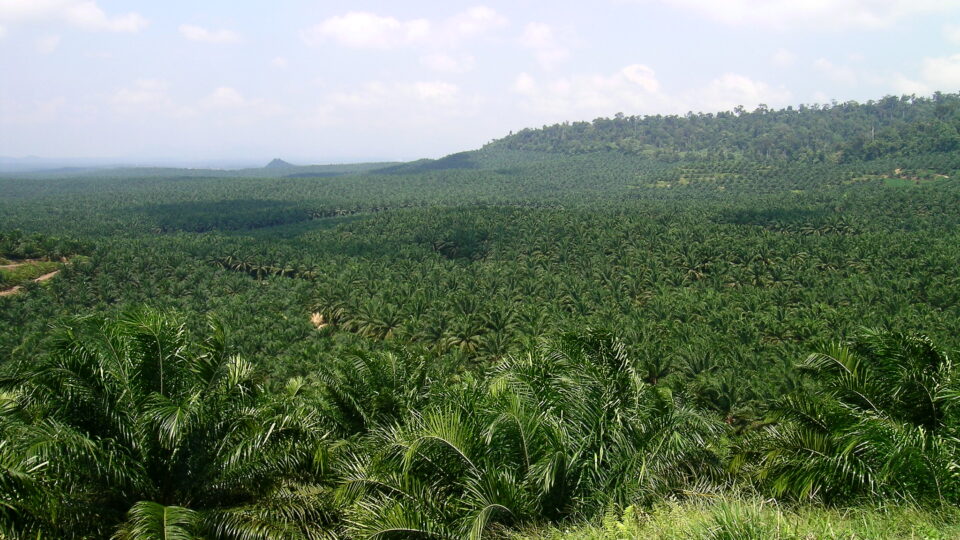
Photo, posted December 13, 2008, courtesy of Fitri Agung via Flickr.

Earth Wise is a production of WAMC Northeast Public Radio
Synthetic Palm Oil | Earth Wise

February 18, 2022 By EarthWise Leave a Comment

Palm oil is the world’s cheapest and most widely used vegetable oil.  Producing it is a primary driver of deforestation and biodiversity loss in the tropics.  In Borneo, for example, oil palm cultivation has accounted for more than half of all deforestation over the past two decades.   More than one million square miles of biodiversity hotspots could be threatened by oil palm cultivation, which could potentially affect more than 40% of all threatened bird, mammal, and amphibian species.

Today, the world consumes over 70 million tons of palm oil each year, used in products ranging from toothpaste and oat milk to biodiesel and laundry detergent.

Given this situation, there are now multiple companies developing microbial oils that might offer an alternative to palm oil while avoiding its most destructive impacts.

A company called C16 Biosciences is working on the problem in Manhattan, backed by $20 million from a Bill Gates’ climate solutions investment fund.  A California-based startup called Kiverdi is working to manufacture yeast oil using carbon captured from the atmosphere. 

Xylome, a Wisconsin-based startup is working to produce a palm oil alternative that they call “Yoil”, produced by a proprietary strain of yeast.  The oil from the yeast strain is remarkably similar to palm oil. 

The challenge is to be able to produce microbial oils at large scale and at a competitive price.  Unless valuable co-products could be manufactured along with the oil, it may be difficult to compete with palm oil.  Without regulatory pressures and willingness of consumers to pay more, it may be difficult to replace palm oil in many of its applications.

**********

Web Links

Can Synthetic Palm Oil Help Save the World’s Tropical Forests?

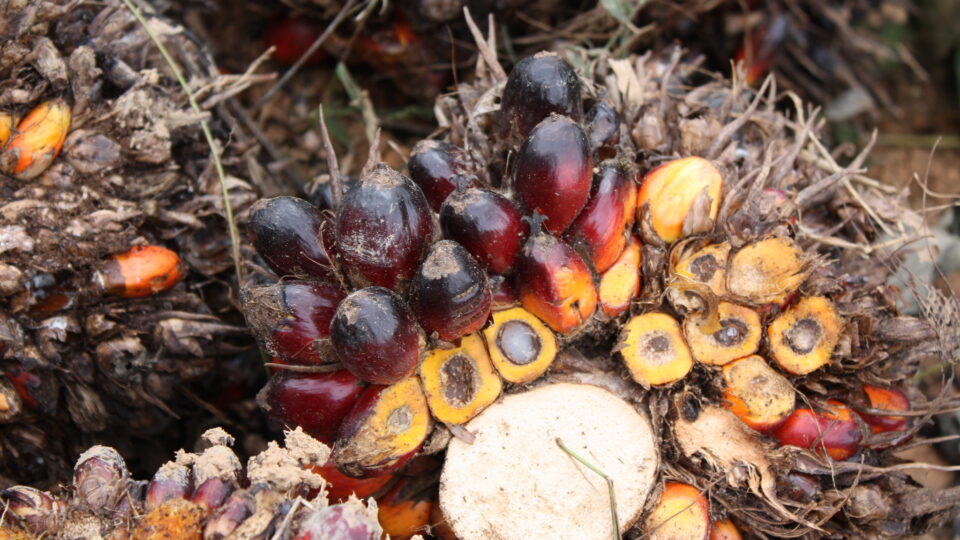
Photo, posted December 9, 2008, courtesy of Fitri Agung via Flickr.

Earth Wise is a production of WAMC Northeast Public Radio.

Increasing Palm Oil Production Without Harming The Environment | Earth Wise

May 5, 2021 By EarthWise Leave a Comment

Sustainable palm production is possible

Palm oil is the most important source of vegetable oil in the world.  The oil itself and ingredients based on it are found in approximately 50% of the products on supermarket shelves, including both food and non-food items.  Many of the mysterious chemicals that show up on ingredient lists such as sodium lauryl sulfate are actually derived from palm oil.

Dozens of countries produce palm oil, but about 2/3 of the world’s supply comes from Indonesia and the demand for its oil keeps growing.  To keep up with that demand, Indonesia continues to convert valuable ecosystems that contribute greatly to biodiversity to palm production.

A four-year research project at the University of Nebraska- Lincoln has found that keeping up with palm oil demand may not necessarily mean converting valuable, fragile ecosystems into agricultural land.  According to the study published in Nature Sustainability, palm oil yields on existing farms and plantations could be greatly increased with improved management practices.

The researchers identified key practices that could lead to larger yield.  These include improved harvest methods, better weed control, improved pruning, and better plant nutrition.  With such practices, Indonesia could produce 68% more palm oil on existing plantation areas.

The results were surprising to the researchers and are significant from both environmental and economic standpoints.  In particular, it could have a great impact on the millions of individual farmers who draw their livelihood from small palm farms often containing just a few acres.  In Indonesia, about 42% of land used for palm oil production is owned by smallholder farms.

The researchers are now working with various stakeholders in Indonesia to put these management techniques into practice.

**********

Web Links

Husker research shows palm oil production can grow while protecting ecosystems

Photo, posted August 15, 2006, courtesy of Lian Pin Koh via Flickr.

Earth Wise is a production of WAMC Northeast Public Radio.

Primary Sidebar

Recent Episodes

  • An uninsurable future
  • Clean energy and jobs
  • Insect declines in remote regions
  • Fossil fuel producing nations ignoring climate goals
  • Trouble for clownfishes

WAMC Northeast Public Radio

WAMC/Northeast Public Radio is a regional public radio network serving parts of seven northeastern states (more...)

Copyright © 2026 ·