• Skip to primary navigation
  • Skip to main content
  • Skip to primary sidebar

Earth Wise

A look at our changing environment.

  • Home
  • About Earth Wise
  • Where to Listen
  • All Articles
  • Show Search
Hide Search
You are here: Home / Archives for uv

uv

Sunscreen For Corals | Earth Wise

August 6, 2021 By EarthWise Leave a Comment

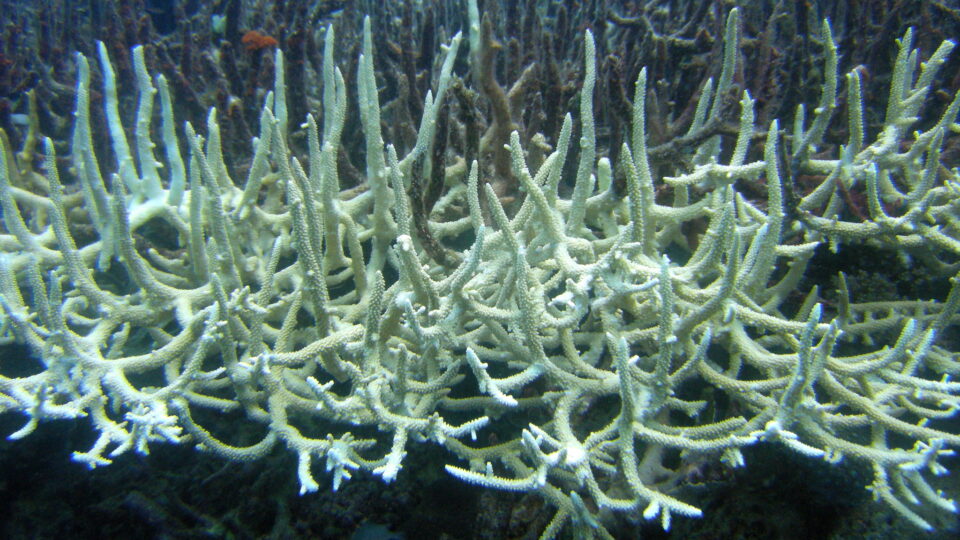
Scientists examine why some corals are better equipped to survive a changing environment

Sunscreen from beachgoers entering ocean waters is one of the greatest threats to coral reefs and there are global efforts to reduce or eliminate the use of many of the most harmful chemicals people use to protect themselves from the sun’s rays.  However, scientists at the Smithsonian Conservation Biology Institute have found that some corals have a natural sunscreen of their own that helps protect them from the effects of climate change.

Hawaiian blue rice corals feature a deep blue pigment that is created by chromoprotein that filters out harmful ultraviolet radiation from the sun.  UV damage has harmful impacts to reproduction in many coral species, but it appears not to have the same effect on blue rice coral.

In a study published in Scientific Reports, Smithsonian researchers studied the devastating effects that bleaching had on brown rice coral in the Hawaiian bleaching events of 2014 and 2015.  During the same events, blue rice coral either recovered quickly or was not affected by the elevated ocean temperature at all.

The blue-pigmented corals had dramatically greater reproductive vigor than the brown-pigmented version.  The key factor appears to be the sun-screening ability of the blue pigment in the particular symbiotic algae that lives inside the coral tissue known as zooxanthellae.  The coral protects the algae and in turn the algae provide the coral with food in the form of sugars produced as a waste product from photosynthesis.  In the case of the blue version, the algae also produce sunscreen for the coral.

By better understanding the role UV-protective pigments play in mitigating the adverse effects of climate change and warming oceans, scientists can learn why some species are better equipped to survive in a changing environment.

**********

Web Links

Smithsonian Conservation Biology Institute Scientists Find Corals’ Natural “Sunscreen” May Help Them Weather Climate Change

Photo, posted September 28, 2009, courtesy of Matt Kieffer via Flickr.

Earth Wise is a production of WAMC Northeast Public Radio.
Sunscreen And Coral Reefs | Earth Wise

May 18, 2021 By EarthWise Leave a Comment

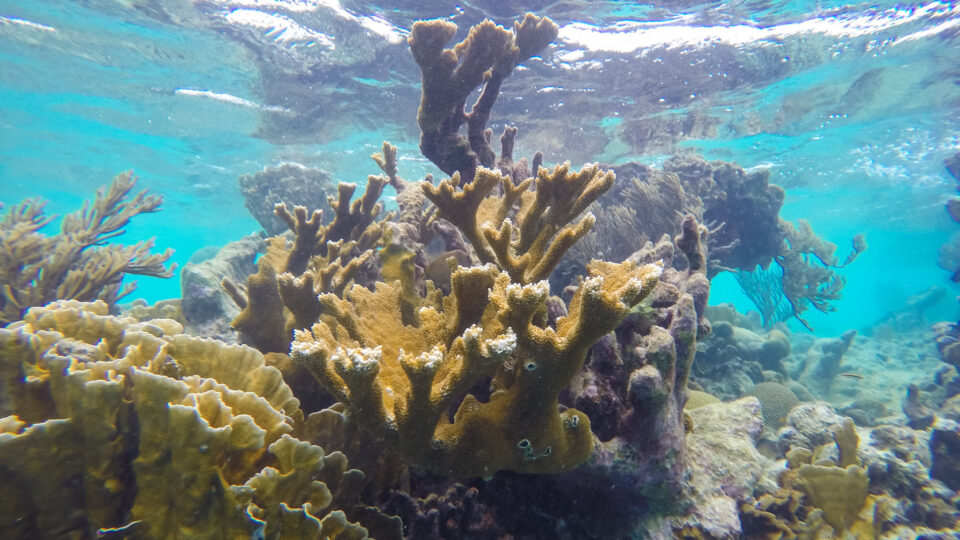
Toxic sunscreens are killing corals

The dangers of overexposure to UV solar radiation have led to the extensive production and use of sunscreen products.  It is generally understood that many of the chemical compounds used in sunscreen products have toxic effects on marine organisms, but research in this area is relatively limited.

There are estimates that as many as 82,000 kinds of chemicals from personal care products have made their way into the world’s oceans.  In 2015, it was estimated that around 14,000 tons of sunscreen are ending up in the world’s coral reefs per year and causing irreparable damage.

Eighty-five percent of the Caribbean’s coral reefs died before the turn of the century, not as a result of global warming, but because of pollution.  Oxybenzone and octinoxate are two of the common sunscreen ingredients that are most toxic to corals.  Preservatives like parabens are also toxic.

There are much safer sunscreens such as those based on zinc oxide or titanium oxide.  In some places, such eco-friendly sunscreens are mandatory.  Sunscreens with SPF values above 30 contain a higher percentage of chemicals and have been shown to not really provide any more protection than SPF 30 products.

Apart from the choice of sunscreen product, if one really wants to reduce the negative impact sunscreen has on reefs and marine life, wearing sun-protective clothing such as rash-guards will allow the use of much less sunscreen and therefore result in less of it entering the ocean.

Products that can help protect against the harmful effects of UV radiation on human health are extremely important, but it is also important to identify and quantify the risks associated with these products to reef ecosystems.

**********

Web Links

How to Know If Your Sunscreen Is Killing Coral Reefs — and the Brands to Try Instead

Impacts of sunscreen on coral reefs needs urgent attention, say scientists

Photo, posted January 11, 2015, courtesy of Elch Korallen via Flickr.

Earth Wise is a production of WAMC Northeast Public Radio.
Microplastics In Soil

May 4, 2018 By EarthWise Leave a Comment

https://earthwiseradio.org/wp-content/uploads/2018/05/EW-05-04-18-Microplastics-in-Soil.mp3

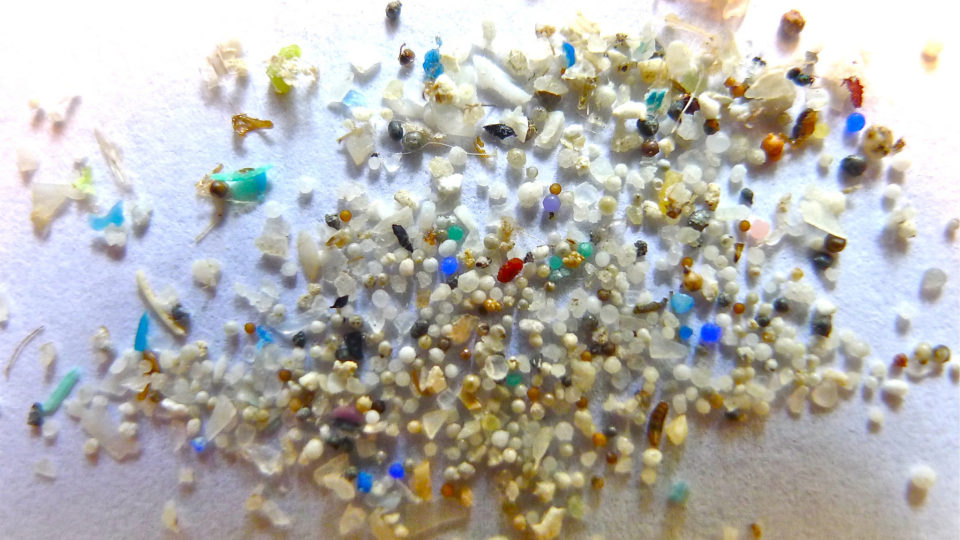
Many of us are well aware of the environmental challenge faced because of the proliferation of plastics.  Since plastic does not decompose naturally, most of it remains in our environment. Only 12% has been incinerated and only 9% has been recycled.  A great deal of plastic ends up in the ocean and other bodies of water.  Much of it breaks down into small particles – microplastics – which are now ubiquitous in the oceans.  There are also microplastics that started out that way in the form of little beads used in the cosmetics industry.  Studies have found microplastics in the bodies of 73% of fish from the North Atlantic.

[Read more…] about Microplastics In Soil

Primary Sidebar

Recent Episodes

  • An uninsurable future
  • Clean energy and jobs
  • Insect declines in remote regions
  • Fossil fuel producing nations ignoring climate goals
  • Trouble for clownfishes

WAMC Northeast Public Radio

WAMC/Northeast Public Radio is a regional public radio network serving parts of seven northeastern states (more...)

Copyright © 2026 ·