• Skip to primary navigation
  • Skip to main content
  • Skip to primary sidebar

Earth Wise

A look at our changing environment.

  • Home
  • About Earth Wise
  • Where to Listen
  • All Articles
  • Show Search
Hide Search
You are here: Home / Archives for ucla

ucla

Return of the frogs

September 22, 2025 By EarthWise Leave a Comment

Mountain yellow-legged frog may make a comeback

The mountain yellow-legged frog is a species that lives in the mountains of Southern California.  It is listed as an endangered species for protection by the federal government.   Surveys 20 years ago determined that the frog’s population was declining and on a trajectory toward extinction.  The frogs are severely impacted by water pollution and are vulnerable to the effects of wildfires, floods, disease, and drought.

A collaboration headed by the Scripps Institution of Oceanography at UC San Diego along with the San Diego Zoo Wildlife Alliance, UCLA, and the Big Bear Alpine Zoo has been raising mountain yellow-legged frogs in captivity as part of a long-running recovery program with partners at multiple federal and California state agencies.

In August, more than 350 of the frogs were reintroduced into the wild in Southern California’s San Bernardino Mountains, one of the largest releases of the captive-raised frogs to date.  This represented the first species reintroduction by the Scripps Institution and an important milestone in its growing conservation work.

The frogs were transported in coolers to the mountains where a team then hiked the frogs to three sites along a lake within a protected reserve.  The frogs were microchipped with passive transponder tags that will allow researchers to identify individuals during future surveys.  This will enhance long-term monitoring and inform ongoing conservation efforts.

The goal of these efforts is to help to delist or at least downlist the endangered status of the frogs by enhancing the genetic diversity of both captive and wild populations, optimizing reintroduction efforts, and increasing wild frog populations.

**********

Web Links

Hundreds of Mountain Yellow-legged Frogs Leap Back Into the Wild

Photo, posted April 27, 2011, courtesy of Rick Kuyper / USFWS via Flickr.

Earth Wise is a production of WAMC Northeast Public Radio

Defeating climate apathy

May 30, 2025 By EarthWise Leave a Comment

How best to defeat climate apathy

Slowing human-caused climate change requires decisive action.  But according to psychologists, the gradual rise in global temperatures can lead to climate apathy, especially among those who don’t face frequent climate disasters.

Climate apathy is a general indifference or lack of emotional or behavioral response to climate change and environmental issues.  People experiencing climate apathy may feel disconnected, overwhelmed, powerless, or simply uninterested in climate issues, leading them to avoid taking action or engaging in conversations about it.

A new study by researchers from UCLA and Princeton University looked into ways to effectively communicate about climate change.  The research team found that presenting people with continuous data, like rising temperatures in a town, gave them only a vague sense of gradual change.  But showing them binary data—like whether a lake froze or not each winter—illustrated the change more effectively. 

In the study, which was recently published in the journal Nature Human Behavior, the researchers showed participants either temperature graphs or lake-freezing data for fictional and real towns in order to measure how each format affected their perceptions of climate impact. Participants who saw whether lakes froze rated climate change as more impactful—12% higher on average—than those who saw only temperature data. 

By focusing on the increasing rate of once-rare events, the researchers hope that the same temperature data that once led to climate apathy may instead help communities care more about the climate crisis.

**********

Web Links

UCLA study: How to break through climate apathy

Photo, posted November 20, 2008, courtesy of Brad Saunders via Flickr.

Earth Wise is a production of WAMC Northeast Public Radio
Hydroclimate whiplash

January 30, 2025 By EarthWise Leave a Comment

Hydroclimate whiplash has increased as much as 66% since the mid-20th century

Hydroclimate whiplash is a term that describes rapid swings between intensely wet and dangerously dry weather.  Global weather records show that the occurrence of hydroclimate whiplash has increased by 31% or as much as 66% since the mid-20th century. 

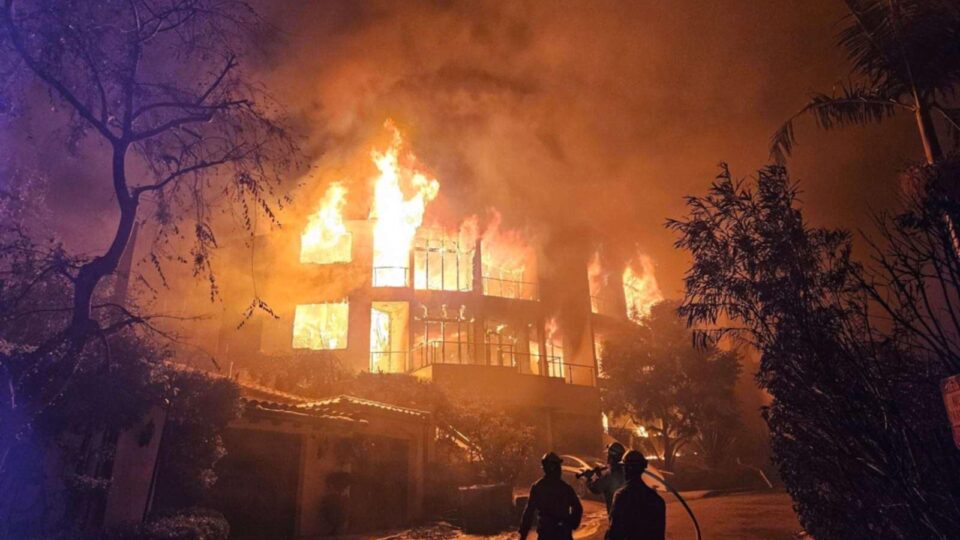
California’s experience is a prime example of this phenomenon.  After years of severe drought, dozens of atmospheric rivers subjected the state to record-breaking amounts of precipitation in the winter of 2022-23.  A second extremely wet winter in the southern parts of the state the following year resulted in the growth of abundant amounts of grass and brush. 2024 saw a record-hot summer which was then followed by a record-dry start to the 2025 rainy season.  The result was the catastrophic wildfires in the Los Angeles area in January.

Research by UCLA climate scientists explains that the primary driver for the increasing occurrence of hydroclimate whiplash is the expansion of the atmospheric sponge – that is, the growing ability of the atmosphere to evaporate, absorb and release water.  Every degree Celsius that the planet warms increases this ability by 7%. 

The global consequences of hydroclimate whiplash include not only floods and droughts but also the increased danger of whipsawing between the two, leading to the bloom and burn cycle that California recently faced. The risk of wildfire is twofold:  first by increasing the growth of flammable grass and brush in the months before the fire season, and then by drying it out to dangerous levels with extremely warm and dry weather.

**********

Web Links

Floods, droughts, then fires: Hydroclimate whiplash is speeding up globally

Photo, posted January 13, 2025, courtesy of Victor Guillen / USDA Forest Service via Flickr.

Earth Wise is a production of WAMC Northeast Public Radio
Carbon Capture As Big Business

December 26, 2019 By EarthWise Leave a Comment

Removing greenhouse gasses from the atmosphere is an essential part of the overall effort to achieve zero net carbon emissions and stabilize the climate.  Since we have not been able to reduce emissions fast enough to do the job, it is important to find ways to pull carbon dioxide out of the atmosphere.

There are many ways to do it, but they tend to be rather expensive and, so far, the need to mitigate climate change does not seem to provide sufficient incentive. A new study by researchers at UCLA, the University of Oxford, and five other institutions, analyzed the possibility of creating a large global industry based on capturing carbon dioxide and turning it into commercial products.

The study investigated the potential future scale and cost of 10 different ways to use carbon dioxide, including in fuels and chemicals, plastics, building materials, soil management, and forestry.  The study looked at processes using carbon dioxide captured from waste products that are produced by burning fossil fuels as well as by simply capturing it directly from the atmosphere.  The study also looked at processes that use carbon dioxide captured biologically by photosynthesis.

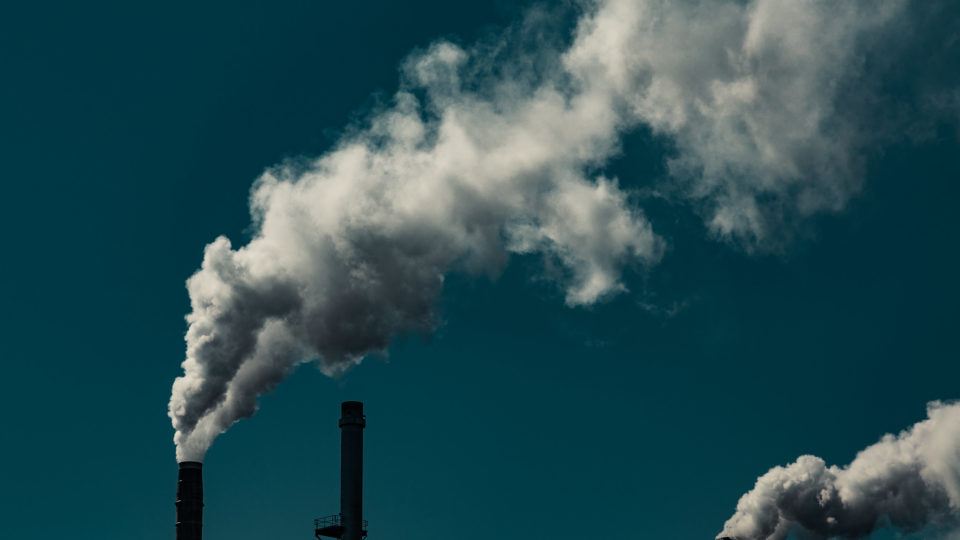
The conclusions of the study were that on average each of the ten utilization pathways could use about half a billion tons of carbon dioxide that would otherwise escape into the atmosphere.  Thus, theoretically, these various pathways could take more than five billion tons of CO2 out of the atmosphere.   Currently, fossil fuel combustion emits about 40 billion tons of carbon dioxide.

The authors of the study stress that there is no silver bullet in the fight against climate change.  It will require multiple approaches – including CO2 removal for industrial use – to make real progress

**********

Web Links

Carbon dioxide capture and use could become big business

Photo, posted September 18, 2015, courtesy of Tony Webster via Flickr.

Earth Wise is a production of WAMC Northeast Public Radio.

Safer Places For Bus Riders

December 22, 2017 By EarthWise Leave a Comment

https://earthwiseradio.org/wp-content/uploads/2017/12/EW-12-22-17-Safer-Places-for-Bus-Riders.mp3

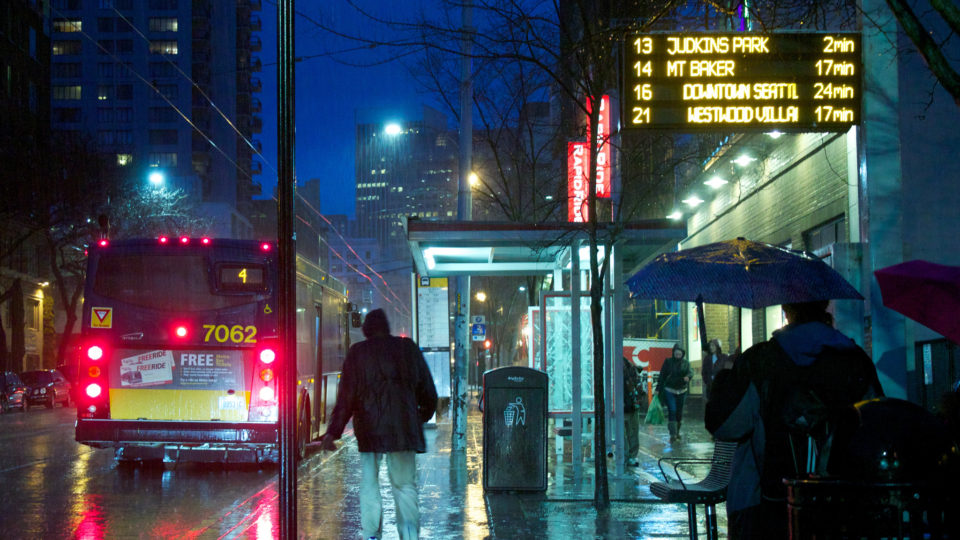
Taking the bus in crowded cities is a good way to reduce overall traffic, save money on gas, and do a good turn for the environment.   Unfortunately, bus riders often are exposed to large amounts of pollution in the process.

[Read more…] about Safer Places For Bus Riders

Primary Sidebar

Recent Episodes

  • An uninsurable future
  • Clean energy and jobs
  • Insect declines in remote regions
  • Fossil fuel producing nations ignoring climate goals
  • Trouble for clownfishes

WAMC Northeast Public Radio

WAMC/Northeast Public Radio is a regional public radio network serving parts of seven northeastern states (more...)

Copyright © 2026 ·