• Skip to primary navigation
  • Skip to main content
  • Skip to primary sidebar

Earth Wise

A look at our changing environment.

  • Home
  • About Earth Wise
  • Where to Listen
  • All Articles
  • Show Search
Hide Search
You are here: Home / Archives for U.S.

U.S.

Extreme heat and dairy production

May 6, 2025 By EarthWise Leave a Comment

Climate change is causing more frequent and intense heat waves in the United States. Studies show that not only are heat waves now occurring more often, but that the average heat wave season is nearly 50 days longer now than it was in the 1960s.  The overall rise in temperatures, linked to climate change, has led to increased health risks and fatalities from extreme heat. 

As humans face increasing health risks from this extreme heat, livestock are also suffering from the effects of rising temperatures.  Extreme heat negatively impacts dairy production by causing heat stress in cows, which can reduce milk yield, quality, and the cows’ overall health.

A new study by researchers from the University of Illinois Urbana-Champaign analyzed milk production data from 18,000 dairy farms across nine Midwest states between 2012 and 2016.  The researchers found that high heat and humidity have led to a 1% decline in annual milk yield. While this might not sound like a lot, it amounts to about 1.4 billion pounds of milk over five years from the 18,000 herds included in the study – equivalent to about $245 million in lost revenue.

The study, which was recently published in the journal Food Policy, found that small farms are hit harder than large farms.  Larger farms may be able to mitigate some of the effects through management strategies, such as open barn sides, fans, and sprinklers.

Using projections from 22 different climate models, the research team estimates that more frequent extreme heat will increase milk yield losses by about 30% by 2050. 

**********

Web Links

Illinois study: Extreme heat impacts dairy production, small farms most vulnerable

Photo, posted March 13, 2018, courtesy of Gosdin via Flickr.

Earth Wise is a production of WAMC Northeast Public Radio

Bad news for birds

April 1, 2025 By EarthWise Leave a Comment

The 2025 U.S. State of the Birds report was released recently.   The report is produced by a coalition of leading science and conservation organizations.  The bottom line is that there have been continued widespread declines in American bird populations across all mainland and marine habitats. 

More than one-third of U.S. bird species are of high or moderate conservation concern.  Among these, 112 are tipping point species that have lost more than 50% of their populations over the last 50 years. 

Protecting bird species is not just about biodiversity and stewardship of nature.  Wild birds have surprisingly large economic impact.  Nearly 100 million Americans are engaged in birding activities which contribute substantially to local and state economies.  The 2022 National Survey of Fishing, Hunting, and Wildlife-Associated Recreation estimated that the total economic output related to bird watching activities was an amazing $279 billion and birding-related activities support 1.4 million jobs.  Bird watching and other encounters with nature are beneficial for human well-being, including reducing stress, anxiety, and depressive symptoms.

The rapid declines in birds are related to habitat loss, environmental degradation, and extreme weather events.  Moreover, if conditions are not healthy for birds, they are unlikely to be healthy for people as well.  Fortunately, many actions that are good for birds are good for us, so conservation efforts going forward are important.

**********

Web Links

State of America’s birds: Population declines continue

Photo, posted October 30, 2018, courtesy of Shenandoah National Park via Flickr.

Earth Wise is a production of WAMC Northeast Public Radio
Distributed Wind Energy | Earth Wise

March 17, 2023 By EarthWise 1 Comment

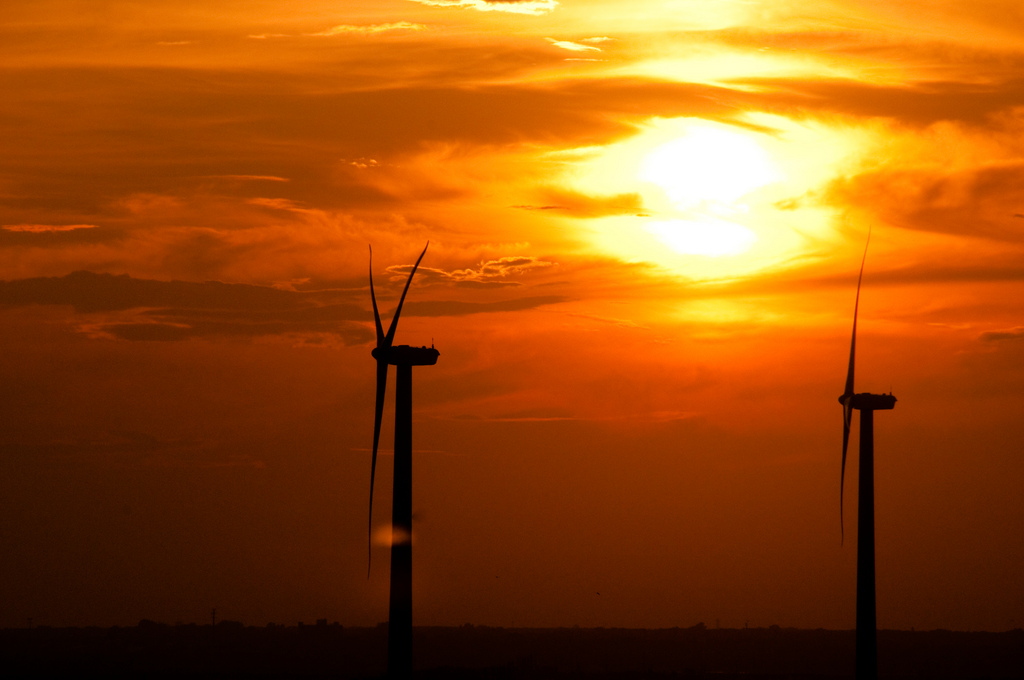
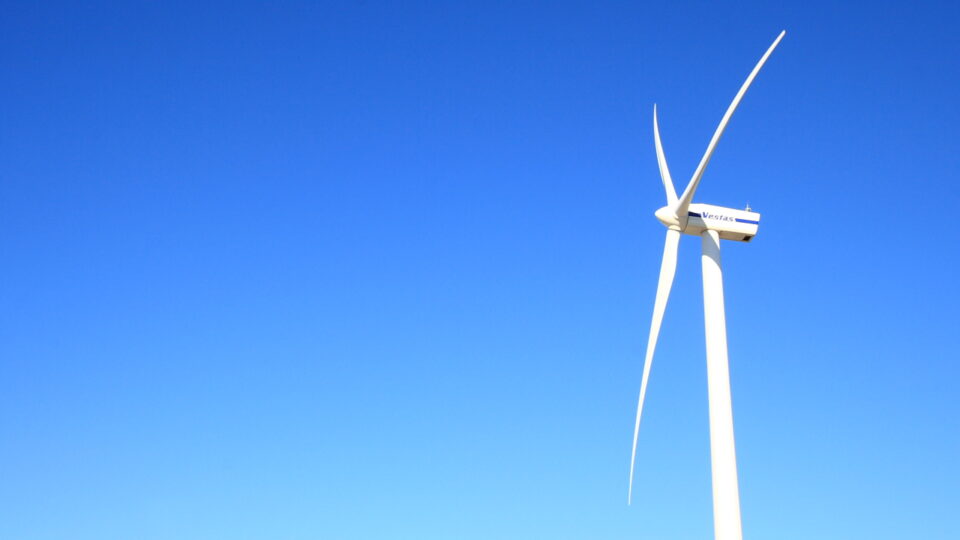
When we think about wind power, we are usually talking about increasingly giant windfarms – either on land or offshore – that produce power on a utility scale.  But there is also distributed wind energy, which refers to wind technologies in locations that directly support individuals, communities, and businesses.  

Distributed wind can be so-called behind-the-meter applications that directly offset retail electricity usage much as rooftop solar installations do.  It can also be front-of-the-meter applications where the wind turbines are connected to the electricity distribution system and supplies energy on a community scale.  Distributed wind installations can range from a several-hundred-watt little turbine that powers telecommunications equipment to a 10-megawatt community-scale energy facility. As of 2020, there were nearly 90,000 distributed wind turbines in the U.S. with a total capacity of about 1 GW.

A study by the National Renewable Energy Laboratory has estimated the potential for distributed wind energy in the U.S.   According to the new analysis, the country has the ability to profitably provide nearly 1,400 GW of distributed wind energy capacity. 

Entire regions of the country have abundant potential. The regions with the best economic prospects have a combination of high-quality wind, relatively high electricity rates, and good siting availability.  Overall, the Midwest and Heartland regions had the highest potential especially within agricultural land.

Realizing this outcome for distributed wind will require improved financing and performance to lower costs, relaxation of siting requirement to open up more land for wind development, and continued investment tax credits and the use of net metering.

**********

Web Links

U.S. has potential for 1,400 GW distributed wind energy, NREL finds

Photo, posted January 3, 2009, courtesy of skyseeker via Flickr.

Earth Wise is a production of WAMC Northeast Public Radio
The U.S. Ratifies A Climate Treaty | Earth Wise

October 14, 2022 By EarthWise Leave a Comment

The United States ratifies a climate treaty

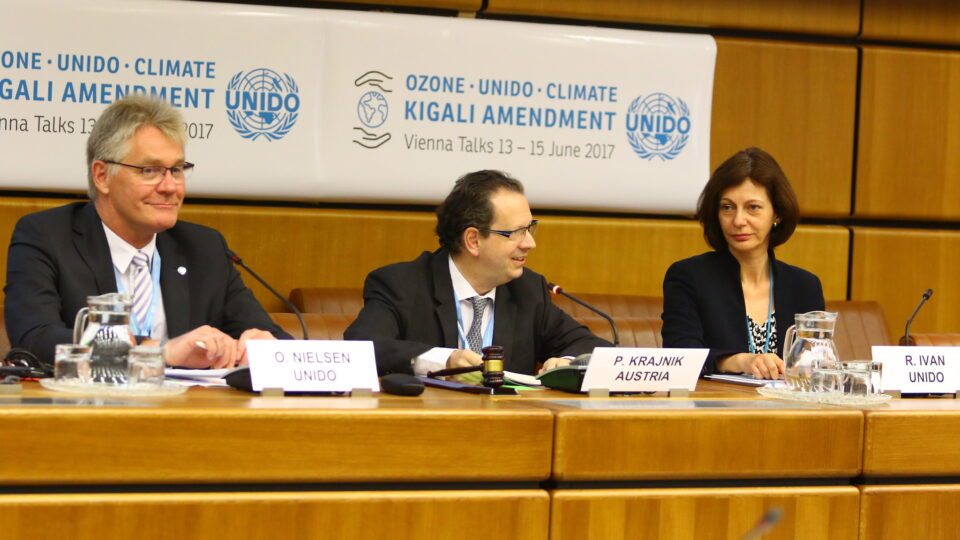
In a rare display of bipartisanship, the U.S. Senate voted 69-27 in favor of ratifying a key international climate agreement aimed at curbing global warming.  The Kigali Amendment to the Montreal Protocol, which has been ratified by 137 other countries so far, ends the use of climate-warming hydrofluorocarbons that are 1,000 times more potent than carbon dioxide in warming the atmosphere.   This is the first international climate treaty that the U.S. has joined in 30 years.

The Kigali Agreement was established in Kigali, Rwanda in 2016 to phase out HFCs, which have been the replacements for CFCs (chlorofluorocarbons) in air conditioners and refrigerators.  CFCs were found to be depleting the ozone layers that protects the earth from harmful ultraviolet rays.  HFCs do not deplete the ozone layer, but they have been a significant contributor to global warming.

The U.S. ratification of the treaty is largely symbolic.  The American Innovation and Manufacturing Act, passed by Congress in 2020, gave the EPA authority to regulate HFCs and the agency has already been doing so.  However, the Senate action shows that the U.S. is back on the international climate bandwagon. 

Failure to ratify the Kigali Amendment would have closed segments of the chemical and manufacturing industries to U.S. producers after 2023 because the Montreal Protocol prohibits trade with countries not party to it or its amendments.

Environmental advocates are hopeful that the U.S. can move forward on other climate actions.  A next step would be to focus on methane, the second leading driver of climate change after carbon dioxide.

**********

Web Links

Senate Votes to Ratify the Kigali Amendment, Joining 137 Nations in an Effort to Curb Global Warming

Photo, posted June 13, 2017, courtesy of UNIDO via Flickr.

Earth Wise is a production of WAMC Northeast Public Radio
Large Solar Projects In The U.S. | Earth Wise

December 1, 2021 By EarthWise Leave a Comment

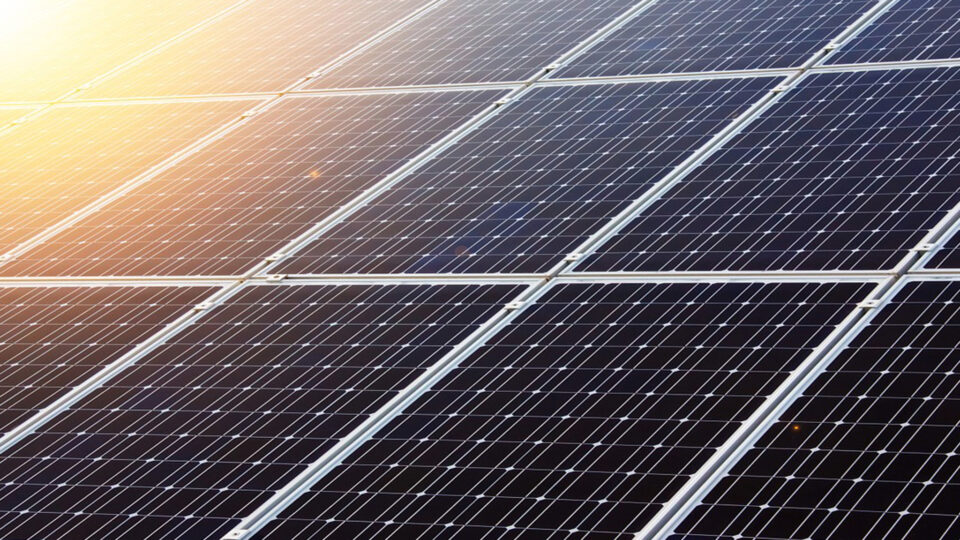
The United States now has over 108 gigawatts of total solar generating capacity, which is enough to power about 19 million homes.  There are more than 3 million solar installations across the country, the majority of which are residential systems.

The growth in solar power has been enormous over the past 13 years.  In 2008, the total solar capacity in the U.S. was 0.34 gigawatts.

In recent times, utility-scale solar installations have been on the rise.  At least 10 systems in excess of 100 megawatts have come online just in 2021.  These systems have been built in Georgia, Ohio, California, Texas, and Nevada.  Other large installations have come online in Virginia, Utah, Indiana, and Florida.  Overall, Texas has had the most new installations, followed by California and Florida.

The largest utility-scale solar project completed this year is the Eunice Solar Project in Andrew, Texas.  The 420-megawatt project is part of the Permian Energy Center which also features 40 megawatts of battery energy storage.

The pipeline for new utility-scale solar projects under construction includes more than 17 gigawatts, so there is strong continuing growth in the industry.

The Biden administration has proposed a blueprint for the nation to produce 45% of its electricity from solar power by 2050.  Currently, solar energy contributes about 4% of the country’s power.  Being able to produce almost half the country’s electricity from the sun by 2050 would require a vast transformation in technology and the energy industry.  Whether there is the political will and the wherewithal to achieve this remains to be seen.

**********

Web Links

U.S. Solar Market Insight

Photo, posted March 7, 2019, courtesy of Hedgerow Inc via Flickr.

Earth Wise is a production of WAMC Northeast Public Radio.

Surging Wind Power In The U.S.

June 16, 2017 By EarthWise

https://earthwiseradio.org/wp-content/uploads/2017/06/EW-06-16-17-Surging-Wind-Power-in-the-U.S.-.mp3

So far, it has been a big year for the U.S. wind industry, which experienced its fastest first-quarter growth since 2009.  In total, about 2,000 megawatts of new capacity was installed, enough to power about 500,000 homes.   With this addition, wind now produces 5 1/2% of the country’s electricity.

[Read more…] about Surging Wind Power In The U.S.

Primary Sidebar

Recent Episodes

  • An uninsurable future
  • Clean energy and jobs
  • Insect declines in remote regions
  • Fossil fuel producing nations ignoring climate goals
  • Trouble for clownfishes

WAMC Northeast Public Radio

WAMC/Northeast Public Radio is a regional public radio network serving parts of seven northeastern states (more...)

Copyright © 2025 ·