• Skip to primary navigation
  • Skip to main content
  • Skip to primary sidebar

Earth Wise

A look at our changing environment.

  • Home
  • About Earth Wise
  • Where to Listen
  • All Articles
  • Show Search
Hide Search
You are here: Home / Archives for tunisia

tunisia

Olive oil and climate change

June 18, 2024 By EarthWise Leave a Comment

Climate change threatens the future of olive oil

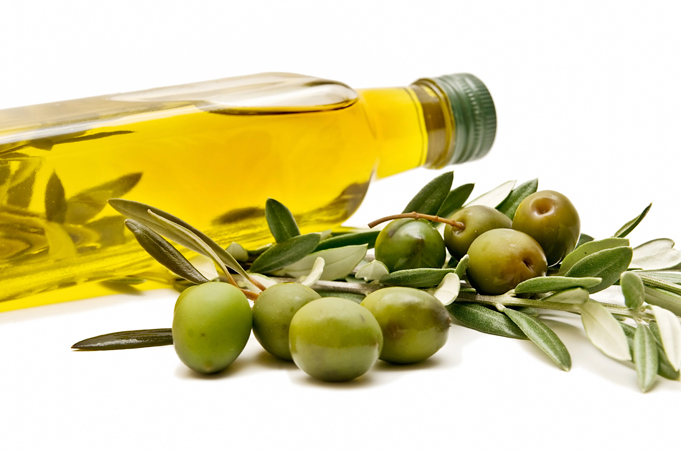
Olive oil is a liquid fat obtained by mashing whole olives and extracting the oil.  A superfood staple of the Mediterranean diet, olive oil is used in kitchens around the world for frying, sauteing, baking, and as a condiment.  It can also be widely found in cosmetics, soaps, and pharmaceutical products. 

Globally, 2.6 million tons of olive oil were consumed last year.  Spain is currently the world’s largest producer of this “liquid gold,” accounting for 44% of global production.  The second largest producer of olive oil is Italy, followed by Greece, Tunisia, Turkey, and Morocco.   

But recently, the price of olive oil has been rocketing up.  Droughts, wildfires, floods, and heat waves, combined with pests, have punished olive-producing regions around the world.  The climate-fueled extreme weather has significantly impacted olive oil production in southern Europe.  Olive trees are exceedingly vulnerable to climate change. 

Spain, for example, typically produces somewhere between 1.3 to 1.5 million metric tons of olive oil each harvest.  However, officials expect a production range of only 830,000 to 850,000 metric tons this season. 

This shortage has sent prices soaring.  According to the International Monetary Fund, the average price of olive oil has doubled over the past two years.  In fact, the price is currently hovering at or around $10,000 per metric ton.  And there doesn’t seem to be much relief in sight.  

The record-breaking price has also unsurprisingly fueled a surge in crime, with criminals targeting supermarkets, oil mills, and olive groves. 

The changing climate continues to threaten food security around the world. 

**********

Web Links

‘Liquid gold’: An olive oil shortage is fueling record prices and food insecurity fears

Extra virgin olive oil prices tipped to top £16 a litre next month

Photo, posted October 29, 2015, courtesy of the U.S. Department of Agriculture via Flickr.

Earth Wise is a production of WAMC Northeast Public Radio
Clean Energy From North Africa | Earth Wise

April 7, 2023 By EarthWise Leave a Comment

Europe turning to North Africa for its clean energy needs

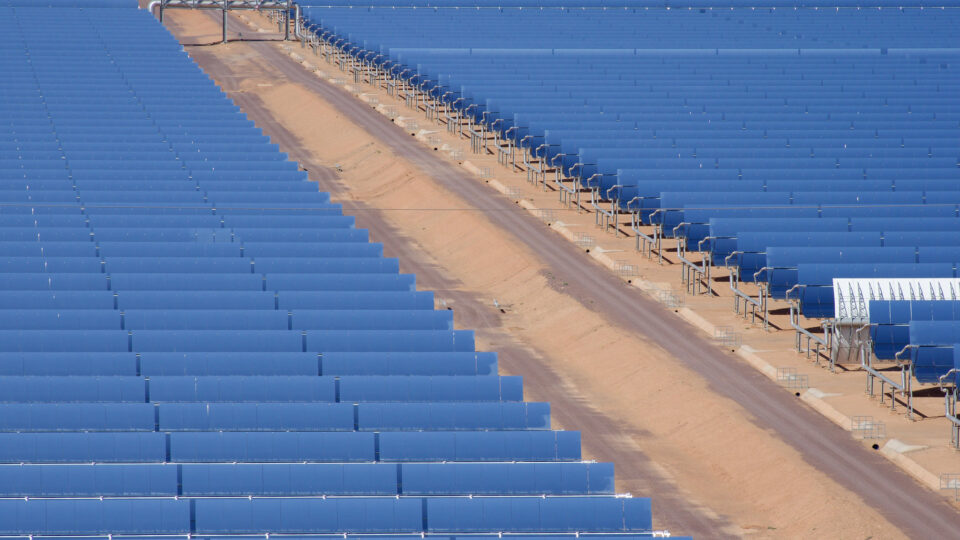
Europe is hungry for clean energy.  The war in Ukraine has amplified Europe’s desire to end its reliance on Russian natural gas.  Increasingly, Europe is pushing to install giant solar energy farms in sunny North Africa and transport the energy through underwater cables.

Solar panels in sunny North Africa generate up to three times more energy than those in Europe.  As a result, solar farms and wind farms as well are proliferating south of the Mediterranean Sea.  Morocco’s Noor and Egypt’s Benban solar farms are among the largest in the world.  Many of these farms were initially built to boost domestic power supplies and reduce dependence on coal.  But now these farms are increasingly supplying green energy to industrial neighbors in Europe.

Morocco has signed deals with the European Union to expand power exports.  Egypt is considering proposals for cables to link to Greece.  Another planned cable would link new solar farms in Tunisia to Italy’s grid.  These projects would certainly bring money and jobs to North African countries, but it isn’t all good news.

There are growing concerns about the environmental impacts of Europe outsourcing its energy needs.  Desert ecosystems could be greatly compromised.  And much of this development is likely to happen with only minimal community consultation or ecological assessment.  Half of Africa’s population does not have access to reliable power grids. Electricity becoming a major export is not likely to improve this situation.

Europe has long obtained many resources from the developing world.  Now it is tapping into the sunshine and wind in other lands.  It remains to be seen if North Africa’s countries will achieve the large potential gains those resources can offer them.

**********

Web Links

In Scramble for Clean Energy, Europe Is Turning to North Africa

Photo, posted October 17, 2019, courtesy of Richard Allaway via Flickr.

Earth Wise is a production of WAMC Northeast Public Radio
Scandinavian Wine

December 20, 2019 By EarthWise Leave a Comment

The warming climate is creating some unexpected entrepreneurial opportunities.  Many places that have traditionally dominated the wine industry are starting to be worried that the local climates that made them ideal for vineyards are changing and becoming much less ideal.  On the other hand, places where wine-making was regarded as a losing proposition are becoming much more hospitable.  A prime example is Scandinavia.

Nordic vintners are increasingly convinced that they can develop thriving commercial operations in what used to be places that are too cold for successful wine-making.

Denmark now has 90 commercial vineyards, up from just two 15 years ago.  Forty vineyards have sprung up in Sweden.  About a dozen vineyards are now operating as far north as Norway.

Many of these Nordic vineyards are in the startup stage and are tiny compared with the established wineries of Europe.  Europe has 10 million acres of vineyards, which is enough to cover almost the entire country of Denmark.  At the moment, there are only about 1,000 acres of vineyards in Denmark and Sweden.

But, looking forward, Scandinavia’s climate is forecast to be more like northern France, as regional temperatures climb as much as 10 degrees Fahrenheit.  Over the past decade, warming has produced milder winters, a longer growing season, and even a small but rising number of award-winning Scandinavian wines.

Meanwhile, traditional wine-growing regions are also dealing with climate change.  Winemakers in France, for example, are experimenting with grapes from warmer countries like Tunisia to see if they can retain the tastes and yields that are the basis of a multibillion-dollar wine industry.  Spanish and Italian winemakers are planting grapes higher up on mountainsides or on shaded north-facing slopes to preserve the quality of their wine.

**********

Web Links

Scandinavian Wine? A Warming Climate Tempts Entrepreneurs

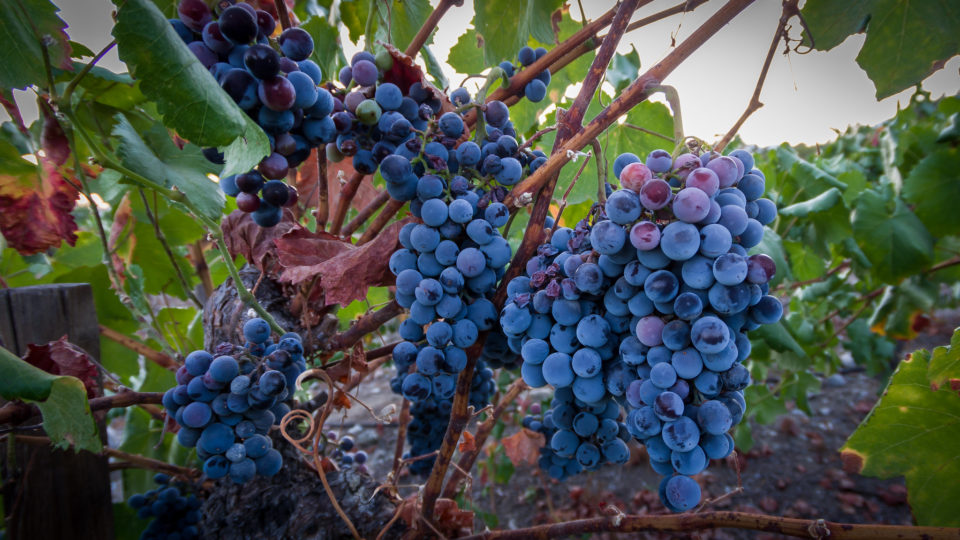
Photo, posted August 24, 2019, courtesy of Ron Reiring via Flickr.

Earth Wise is a production of WAMC Northeast Public Radio.

Saving Saharan Oases

February 6, 2017 By EarthWise

https://earthwiseradio.org/wp-content/uploads/2017/02/EW-02-06-17-Saving-Saharan-Oases.mp3

An oasis is an isolated area of vegetation in a desert, typically surrounding a spring or similar water source such as a pond or a small lake.  Oases can provide habitat for animals as well as people.   Oases have long been essential for trade and transportation routes in desert areas; caravans typically travel via oases so that supplies of water and food can be replenished.

[Read more…] about Saving Saharan Oases

Primary Sidebar

Recent Episodes

  • An uninsurable future
  • Clean energy and jobs
  • Insect declines in remote regions
  • Fossil fuel producing nations ignoring climate goals
  • Trouble for clownfishes

WAMC Northeast Public Radio

WAMC/Northeast Public Radio is a regional public radio network serving parts of seven northeastern states (more...)

Copyright © 2025 ·