• Skip to primary navigation
  • Skip to main content
  • Skip to primary sidebar

Earth Wise

A look at our changing environment.

  • Home
  • About Earth Wise
  • Where to Listen
  • All Articles
  • Show Search
Hide Search
You are here: Home / Archives for transitions

transitions

The last coal plant in Britain

October 31, 2024 By EarthWise Leave a Comment

The last coal plant in Britain has closed

The Industrial Revolution, which basically got underway in the mid-19th century, was largely enabled by coal, which fueled iron manufacturing, railroads, steam engines, and more.  Most of these things got their start in Britain, which inspired the rest of the world to follow suit.

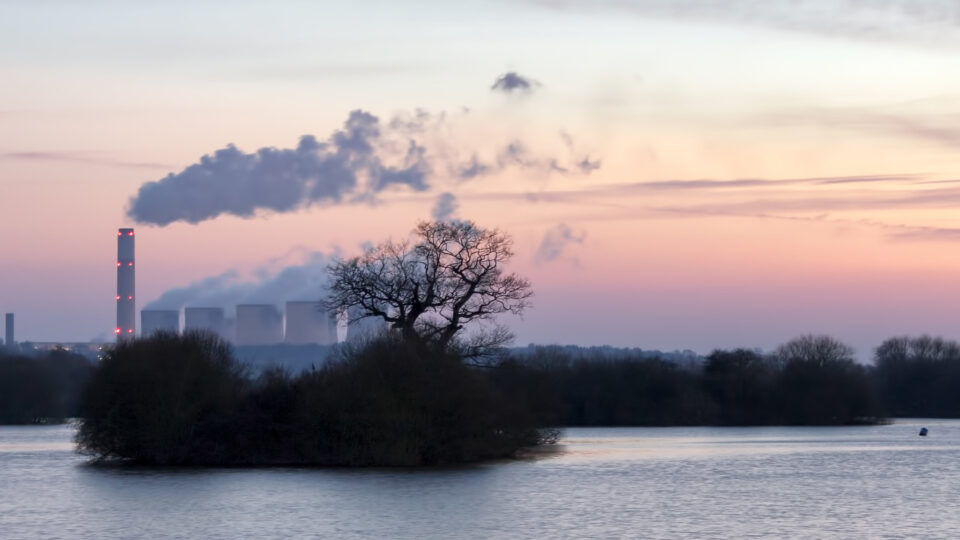
The world’s first coal-burning power plant began producing electricity at the Holborn Viaduct in London in 1882.  This September, Britain – the birthplace of coal power – shut down its last coal-burning power station when the 2,000-megawatt Ratcliffe-on-Soar facility ceased operations.  Uniper, the company that operated the plant, will be converting the 750-acre site to a low-carbon energy hub.

Shutting down coal plants is not a simple matter, as they are the lifeblood of entire towns and regions where they are located.  Finding fair transitions for workers is an uphill battle that has to take place in many locations.

Coal is the dirtiest fossil fuel, producing more greenhouse gas than others, but historically was the cheapest and most abundant source of power in many countries.  In recent decades, it has been replaced by gas, nuclear power, and most recently, renewables like wind and solar.

The coal era has ended in much of the world. The United States still gets 16% of its electricity from coal, but that number keeps getting smaller.  Unfortunately, the great majority of coal use is in the world’s two most populous countries:  India and China.  Both are adding renewable energy sources, but both have rapidly climbing energy demand.  China’s coal consumption is expected to peak this year and flatten out.  But there is still work to be done to bring an end to coal power.

**********

Web Links

Britain Shuts Down Last Coal Plant, ‘Turning Its Back on Coal Forever’

Photo, posted March 13, 2016, courtesy of Arran Bee via Flickr.

Earth Wise is a production of WAMC Northeast Public Radio
Greenhouse Gas Removal And Net Zero | Earth Wise

November 18, 2021 By EarthWise Leave a Comment

Reducing the amount of greenhouse gas emissions can slow the progress of global warming but only reaching and sustaining net zero global emissions can halt the progress of climate change.

The move to renewable power and the use of electric transport are substantial and essential ways to reduce emissions.  But even if these transitions take place on a rapid timescale, they will not eliminate all emissions.  Many industrial activities and, especially, agriculture will continue to contribute substantial greenhouse gas emissions.   There are efforts to reduce the contributions of these things, but there are no zero-emission substitutes for most of them.

As a result, actually removing CO2 from the atmosphere once it is there is essential to achieve net zero emissions.  If greenhouse gas removal can be scaled up sufficiently, it opens the option of going “net negative”, which would be the ideal way to mitigate and, better still, reverse the effects of climate change.

There are multiple approaches to carbon dioxide removal.  Some are natural, involving ways of capturing and storing carbon in trees, biochar, and peatlands.  Others are technological.  An example is the system that has just gone into operation in Iceland that uses fans, chemicals, and heat to capture CO2 and then mineralize it in volcanic rock.   Another is a system being tested in the UK that captures CO2 from growing biomass and pipes it to storage under the North Sea.

Much of the attention on carbon capture technology is aimed at trapping the emissions from fossil fuel power plants, but the need to remove carbon dioxide that has entered the atmosphere in other ways is ultimately far greater.

**********

Web Links

CO2 removal is essential to achieving net zero

Photo, posted August 17, 2013, courtesy of Joshua Mayer via Flickr.

Earth Wise is a production of WAMC Northeast Public Radio.

The Value Of Abandoned Agricultural Lands | Earth Wise

February 18, 2020 By EarthWise Leave a Comment

Abandoned Agricultural Lands Could Help Save the Planet

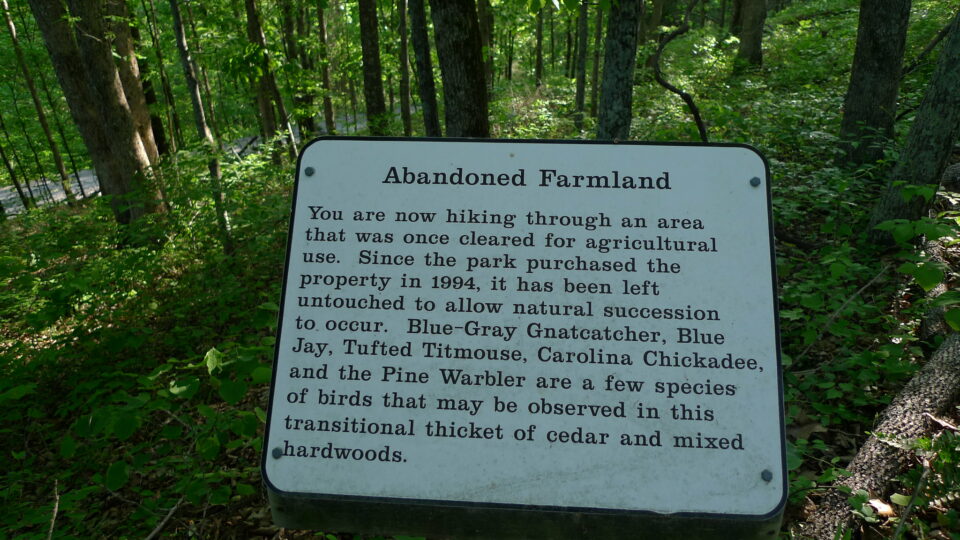
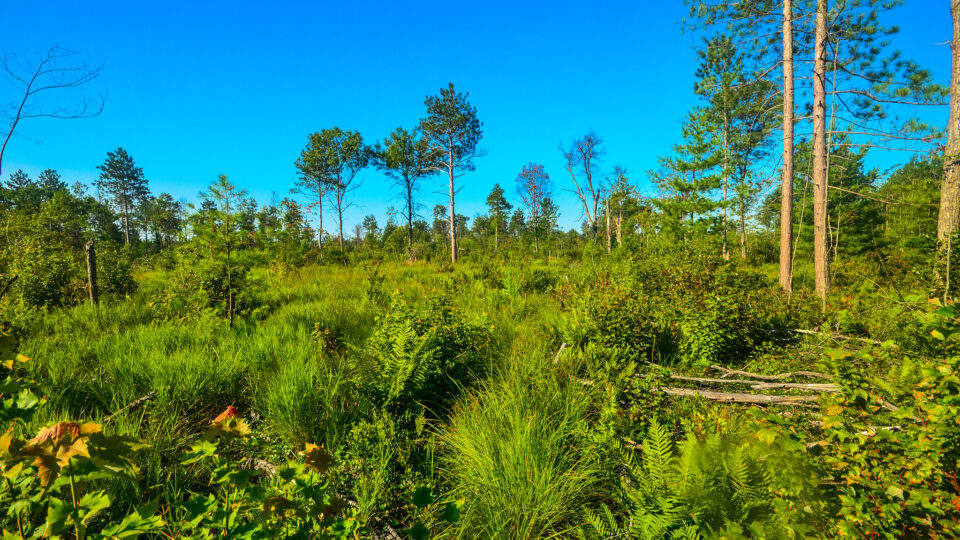
It is perhaps surprising to learn that more land is now being abandoned by farming than converted to it. In fact, abandonment of rural lands has become one of the most dramatic planet-wide changes of the modern era, affecting millions of square miles of land.

In part, it is due to rural flight driven by the economic, social, and educational appeal of cities.  It is also a result of climate change and the globalization of the food supply chain.  The global footprint of agriculture has been decreasing over the past twenty years but the global food supply isn’t shrinking.  The lost land has generally been marginal and farming elsewhere has become more productive.

Many researchers see abandoned agricultural lands as a huge opportunity for ecological restoration and strengthening of biodiversity.   Others see these lands as an opportunity for a massive program to plant trees to reduce carbon dioxide in the atmosphere.  A recent study published in Science estimated that planting trees on abandoned agricultural lands could remove 25% of the carbon dioxide humans have added to the atmosphere.

There are strong criticisms to all of these ideas.  In most cases, the studies don’t incorporate the social context of why these lands are in transition, the potential effects on local populations, whether the lands are publicly or privately owned, and whether lands now suitable for regeneration will remain so as climate change advances.

Current government initiatives on degraded lands typically lack even rudimentary planning.  There are real opportunities presented by the vast amounts of abandoned agricultural lands, but there are many caveats and many issues to confront.  As a society, we have barely begun to even think about what to do.

**********

Web Links

Could Abandoned Agricultural Lands Help Save the Planet?

Photo, posted May 9, 2010. courtesy of Flickr.

Earth Wise is a production of WAMC Northeast Public Radio.

Primary Sidebar

Recent Episodes

  • An uninsurable future
  • Clean energy and jobs
  • Insect declines in remote regions
  • Fossil fuel producing nations ignoring climate goals
  • Trouble for clownfishes

WAMC Northeast Public Radio

WAMC/Northeast Public Radio is a regional public radio network serving parts of seven northeastern states (more...)

Copyright © 2026 ·