• Skip to primary navigation
  • Skip to main content
  • Skip to primary sidebar

Earth Wise

A look at our changing environment.

  • Home
  • About Earth Wise
  • Where to Listen
  • All Articles
  • Show Search
Hide Search
You are here: Home / Archives for trafficking

trafficking

Forest crimes

November 20, 2024 By EarthWise Leave a Comment

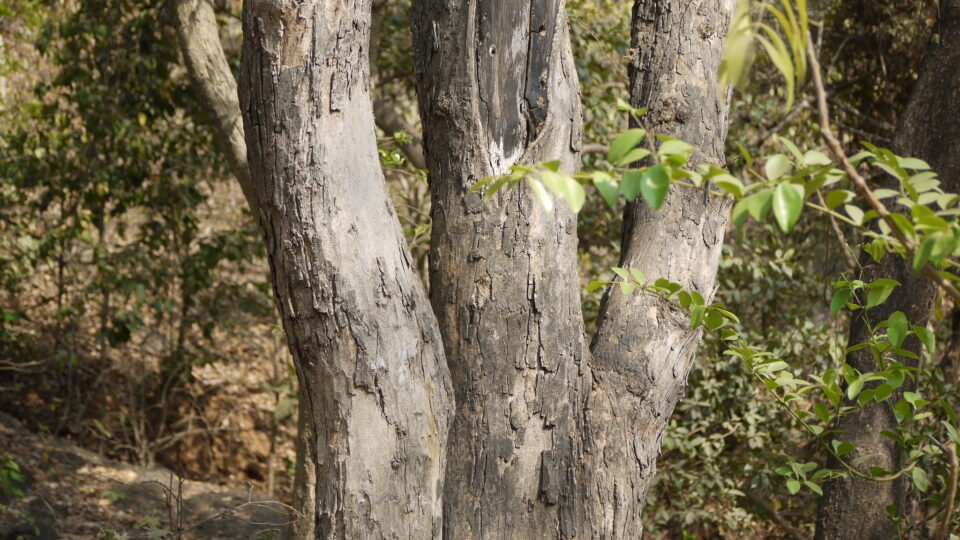
Poaching trees and illegal logging represent a massive part of wildlife trafficking globally.

Wildlife trafficking is the world’s fourth largest form of organized crime, behind only drug trafficking, counterfeiting, and human trafficking.  When we hear about wildlife trafficking, we think of elephant ivory, rhino horns, tiger parts, and the like.  But so-called forest crimes, which includes poaching protected trees and illegal logging added up to somewhere between $30 billion and $100 billion during the period 2014-2018.  A 2020 report by the United Nations estimated that illegal trade just in rosewoods comprised more than 40% of the value of all trafficked species – animal and plant – during that time.

Even though rosewood comprises multiple tree species, world stocks of nearly all of them have been depleted through overexploitation. Rosewood is now protected worldwide, and some 300 species are under trade restrictions.

With a value of as much as $1.5 million per cubic meter, rosewood is at the center of a great deal of illegal activity, government corruption, and controversy.  A shipment of 30,000 illegally felled rosewood logs from Madagascar was seized at a port in Singapore in 2014. Those rosewood logs, worth at least $50 million, have been hung up in multiple legal proceedings and disputes ever since and remain in Singapore.

With huge financial stakes, it is perhaps not surprising that the U.N. estimates that as much as a third of the supposedly legal global timber trade involves illegally harvested wood.

**********

Web Links

How Traffickers Got Away with the Biggest Rosewood Heist in History

Photo, posted April 19, 2010, courtesy of Dinesh Valke via Flickr.

Earth Wise is a production of WAMC Northeast Public Radio
Wildlife rebounding in Uganda

December 6, 2023 By EarthWise Leave a Comment

Wildlife making a comeback in Uganda

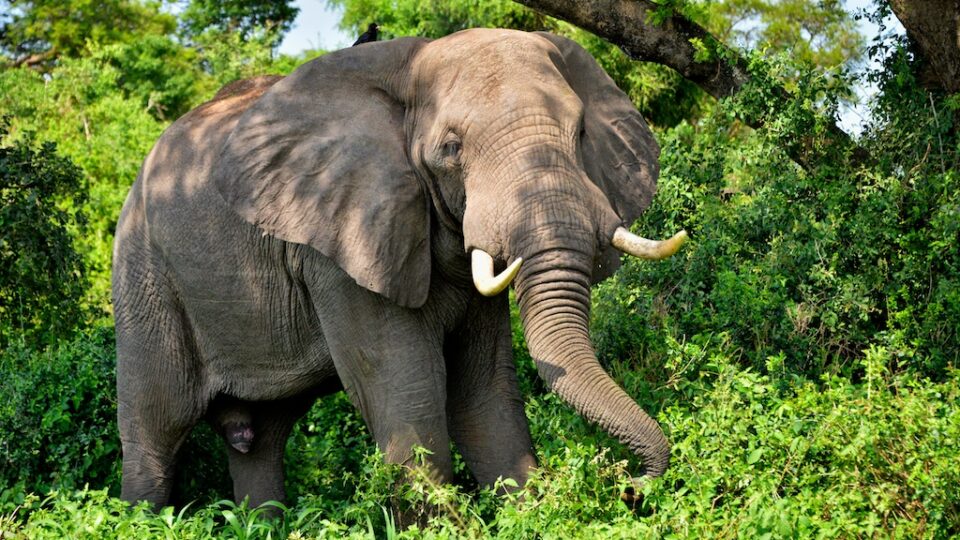
The numbers of elephants, rhinos, and other animals in Uganda’s nature preserves is steadily improving, reversing the trend of steady declines previously caused by poachers, wildlife traffickers, and conflict.

Between the 1960s and 1980s, political conflict and lawlessness in Uganda led to massive declines in some species as poaching, trafficking, and encroachment ran rampant.

Uganda’s population of over 700 northern white and eastern black rhinos was completely wiped out in the early 1980s by people hunting them for their horns.  A charity brought four rhinos in 2005 to a sanctuary called the Ziwa Rhino and Wildlife Ranch and, according to the Uganda Wildlife Authority, there are now 33 in the facility.

Increased conservation efforts have allowed the population of buffalos to increase 77% to over 44,000 since 1983.  The number of elephants has surged almost 300% to nearly 8,000 over that same time period.  There has also been an increase in the number of mountain gorillas in dense forests.

Over the years, the Ugandan government has brought in a string of conservation policies including lengthy jail terms for violations.  As a result, wildlife populations have been on a steady recovery.

It is typical to think about species in terms of how close to extinction they are, but the ultimate goal of conservation is to recover species.  This means not only gaining distance from extinction but also resuming a species’ role in its ecosystem and repopulating its former range.  Whether the wildlife in Uganda is achieving this status remains to be seen, but the trends are very positive.

**********

Web Links

Uganda Sees Resurgence of Rhinos, Elephants, Buffaloes

Photo, posted September 15, 2014, courtesy of Rod Waddington via Flickr.

Earth Wise is a production of WAMC Northeast Public Radio
Earth Day

April 22, 2019 By EarthWise Leave a Comment

Today is Earth Day.  On April 22, 1970, millions of Americas took to the streets in peaceful demonstrations in favor of environmental reform.  Since that first time, Earth Day has now become a global event each year.  Estimates are that as many as a billion people in 192 countries take part in Earth Day events.

This year, the theme for Earth Day is “Protect our Species.”  The focus is on the fact that the world is facing the greatest rate of extinction since the demise of the dinosaurs more than 60 million years ago.

But unlike the extinctions from that time that were linked to so-called acts of god like asteroid collisions, the rapid extinction of species in our world today is mostly the result of human activity.

The global destruction and rapid reduction of plant and wildlife populations are directly linked to climate change, deforestation, habitat loss, trafficking and poaching, unsustainable agriculture, pollution, and pesticides.

In order to stem the tide of destruction, the Earth Day Network is asking people to help raise awareness about the accelerating rate of extinction of millions of species and the causes and consequences of this phenomenon.  We need to push for the creation of policies that protect broad groups of species as well as individual species and their habitats.  There needs to be a global movement that embraces nature and its values. And we need to eat less meat and curtail the use of pesticides and herbicides.

We share the planet with many species, and we need them to be here in order to sustain our own species.  Something to remember on Earth Day 2019.

**********

Web Links

Earth Day Network

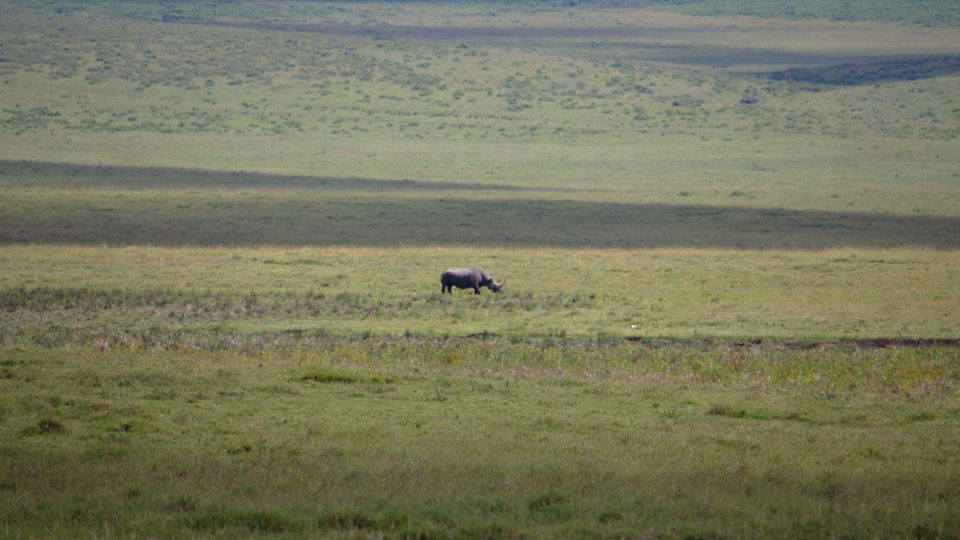
Photo, posted January 24, 2012, courtesy of Jonas Bengtsson via Flickr.

Earth Wise is a production of WAMC Northeast Public Radio.

The Rosewood Trade

April 3, 2019 By EarthWise Leave a Comment

Illegal trafficking in endangered flora and fauna is a topic of great interest and concern.  We hear a lot about elephant ivory, rhino horn, and even pangolin scales.  It turns out that the most trafficked form of flora or fauna in the world is actually rosewood.  According to the United Nations Office on Drugs and Crime, rosewood is traded more than ivory, rhino horn, and pangolin scales put together as measured either by volume or economic value.  According to Earthsight, a London-based nonprofit that investigates environmental crime, rosewood might account for 40% of overall illegal species trade.

Almost all rosewood is headed to China, where the beautiful wood is used in traditional hongmu furniture.   A single bed made from particularly desirable Madagascar rosewood can cost a million dollars.

The illegal rosewood trade has decimated many species of the trees around the world.  A tiny village in Madagascar has seen its population grow by 5,000 in recent years because of migrants coming to work as rosewood loggers.  The rosewood trade has been banned in Madagascar for decades, but a well-established system of bribes has effectively eliminated that problem.  Corruption at all levels allows Madagascar rosewood to find its way onto ships and off to China.

In 2017, the Convention on International Trade in Endangered Species of Wild Fauna and Flora listed all of the world’s rosewood species under its Appendix II, prohibiting all trade except in the rare cases where a local CITES authority issues sustainability permits.

As is the case for other trafficked endangered species, until the demand for the products disappears, people will find a way to make them available.  And meanwhile, these beautiful trees are rapidly disappearing.

**********

Web Links

The Rosewood Trade: An Illicit Trail from Forest to Furniture

Photo, posted November 17, 2007, courtesy of Larry Jacobsen via Flickr.

Earth Wise is a production of WAMC Northeast Public Radio.

Help For Pangolins

November 3, 2016 By WAMC WEB

https://earthwiseradio.org/wp-content/uploads/2016/10/EW-11-03-16-Help-for-Pangolins.mp3

Poaching and illegal trafficking in exotic animals is a world-wide problem that most of us are aware of.  What most of us are less aware of is that the most trafficked mammal in the world is the pangolin, which you may well have never even heard of.

[Read more…] about Help For Pangolins

Primary Sidebar

Recent Episodes

  • An uninsurable future
  • Clean energy and jobs
  • Insect declines in remote regions
  • Fossil fuel producing nations ignoring climate goals
  • Trouble for clownfishes

WAMC Northeast Public Radio

WAMC/Northeast Public Radio is a regional public radio network serving parts of seven northeastern states (more...)

Copyright © 2026 ·