• Skip to primary navigation
  • Skip to main content
  • Skip to primary sidebar

Earth Wise

A look at our changing environment.

  • Home
  • About Earth Wise
  • Where to Listen
  • All Articles
  • Show Search
Hide Search
You are here: Home / Archives for timing

timing

Giant batteries and the grid

May 31, 2024 By EarthWise Leave a Comment

Giant batteries are transforming how electricity is used

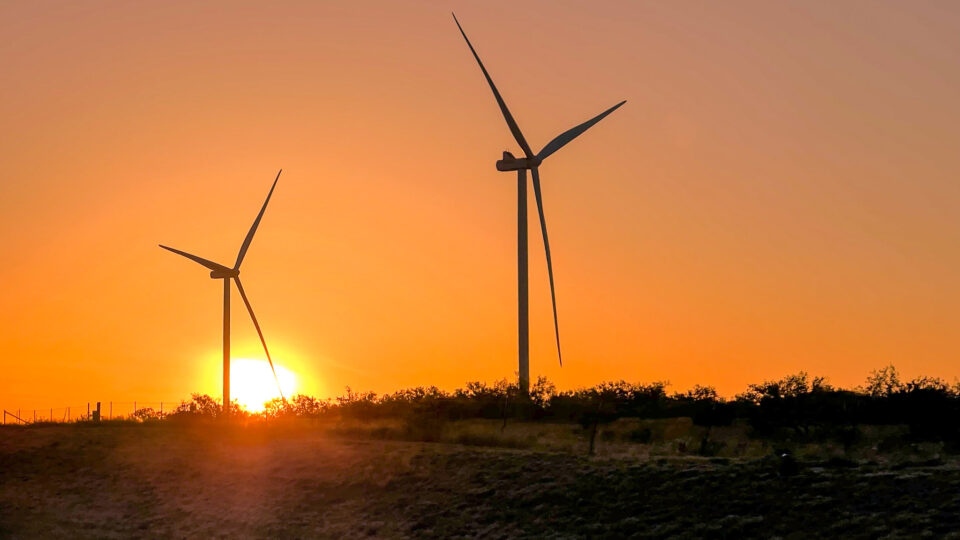
All across the country, electric utility companies are starting to use giant batteries to counteract the biggest weakness of renewable energy; namely, that the sun doesn’t always shine, and the wind doesn’t always blow.  Solar panels and wind turbines can keep generating energy when people don’t need it and batteries can store up that energy for when they do.

Over the past three years, battery storage capacity on US grids has grown by a factor of ten adding up to 16 gigawatts.  This year, it is expected to double again, led by massive growth in Texas, California, and Arizona.

California generates more electricity from solar power than any other state.  But it has a timing problem:  solar power is plentiful during the day, but it disappears in the evening when people get home from work and start using lots of electricity.  The previous solution was to burn lots of fossil fuel to produce it.

This has been changing thanks to battery storage.  Since 2020, California has installed more giant batteries than anywhere else in the world other than China.  Batteries are gradually replacing fossil fuels for California’s evening power needs.  On the evening of April 30th, for example, batteries supplied more than 20% of California’s electricity.  This is equivalent to the output of seven large nuclear reactors.

Batteries have multiple uses in the grid.  They handle big swings in generation from renewable sources, they reduce congestion on transmission lines, and they help to prevent blackouts during heat waves.  Batteries are starting to eat into the market for fossil fuels and will play an ever-growing role in the electricity grid.  As the role of renewables grows, so will the role of batteries.

**********

Web Links

Giant Batteries Are Transforming the Way the U.S. Uses Electricity

Photo, posted December 5, 2022, courtesy of Jonathan Cutrer via Flickr.

Earth Wise is a production of WAMC Northeast Public Radio

Spring is Sooner And Warmer In The United States | Earth Wise

April 7, 2022 By EarthWise Leave a Comment

Spring is arriving earlier

Despite some March snowstorms in the Northeast, the record shows that spring is getting warmer and coming sooner in the United States.

The independent research organization Climate Central analyzed 52 years of spring data across the United States.  Half of the 234 locations studied had an increase in their average spring temperatures of at least 2 degrees.  About 70% of the locations had at least 7 extra days above their normal spring temperatures.  About the only part of the country where spring hasn’t gotten much warmer is in the upper Midwest.

Over that time period, the average spring temperature in Albany, NY has increased by 2.1 degrees.  And compared with 1970, there are now 11 more warm spring days in New York’s Capital Region.

Spring warming has been greatest in the Southwest.  The three cities with the largest temperature increases were Reno, Nevada at 6.8 degrees, Las Vegas, Nevada with 6.2 degrees, and El Paso, Texas with 5.9 degrees.

Spring has been arriving early as a result of the warming conditions, cutting into the cold winter months.  While an early spring sounds like nothing but good news, the shift can cause problems.  An early spring and early last freeze can lengthen the growing season.  With it comes the arrival of mosquitoes and pollen and its associated allergy season.

A greater problem is that spring warming can disrupt the timing of ecosystem events.  For example, migratory birds could show up at the wrong time, impacting their food availability and breeding success.

As the overall climate changes, so does the spring.

**********

Web Links

2022 Spring Package

Photo, posted March 20, 2011, courtesy of Suzie Tremmel via Flickr.

Earth Wise is a production of WAMC Northeast Public Radio.

Climate-Related Disasters | Earth Wise

January 27, 2022 By EarthWise Leave a Comment

Preparing communities for climate-related disasters

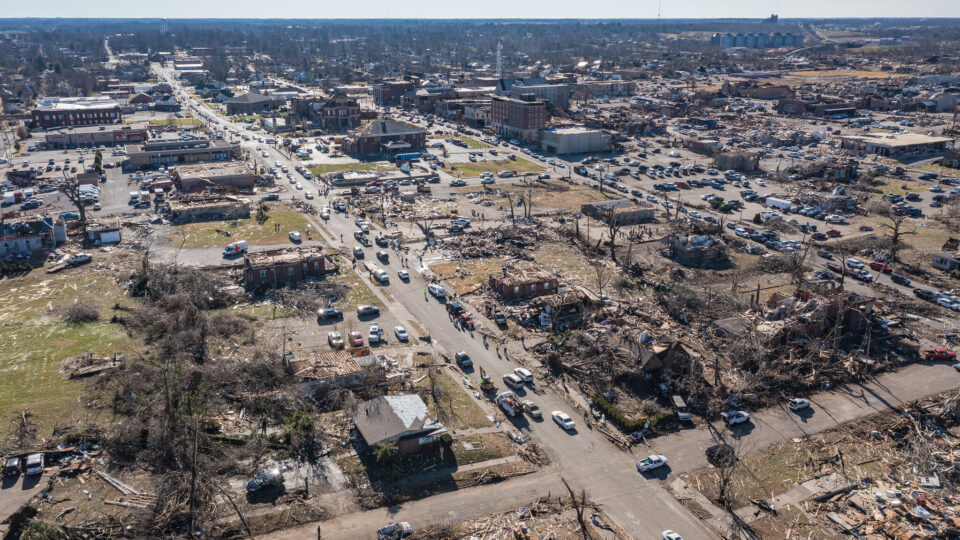
In early December, a series of tornadoes struck multiple states, killing nearly 100 people and producing widespread damage in whole communities.  These storms were at least the 19th weather or climate disaster that caused more than $1 billion in damage during 2021.  The year suffered from droughts, wildfires, severe cold snaps, hurricanes, and other severe weather incidents.

The Wharton Risk Management and Decision Processes Center at the University of Pennsylvania has been studying how communities can prepare for and bounce back from such disasters.

A key issue is that the location and timing of disasters continues to shift.  Homeowners along the Gulf and Atlantic coasts know that they need to prepare for and deal with hurricanes.  People who live in places like Oklahoma and Kansas are aware that tornadoes are a frequent threat.  But in recent years, strong storms are happening in areas where historically they haven’t.

Places need to start implementing changes to their infrastructure now in order to have an impact on risk reduction.

Presidential disaster declarations are just one part of recovery from disasters.  Other issues to grapple with are the role of government support and how it isn’t just the financial costs of disaster recovery but all the impact on human and other resources that are often not covered by governmental funds.  There is also the issue that low- and moderate-income households are disproportionately harmed and locked out of financial resources for recovery.

The Wharton study points out that innovative approaches will be needed to effectively prepare communities and individuals for disasters to come. 

**********

Web Links

Preparing, and paying for, climate change-induced disasters

Photo, posted December 12, 2021, courtesy of State Farm via Flickr.

Earth Wise is a production of WAMC Northeast Public Radio.

Primary Sidebar

Recent Episodes

  • An uninsurable future
  • Clean energy and jobs
  • Insect declines in remote regions
  • Fossil fuel producing nations ignoring climate goals
  • Trouble for clownfishes

WAMC Northeast Public Radio

WAMC/Northeast Public Radio is a regional public radio network serving parts of seven northeastern states (more...)

Copyright © 2026 ·