• Skip to primary navigation
  • Skip to main content
  • Skip to primary sidebar

Earth Wise

A look at our changing environment.

  • Home
  • About Earth Wise
  • Where to Listen
  • All Articles
  • Show Search
Hide Search
You are here: Home / Archives for surface temperatures

surface temperatures

Soaring Heat And Inner-City Neighborhoods | Earth Wise

August 31, 2021 By EarthWise Leave a Comment

Inner cities especially vulnerable to climate change

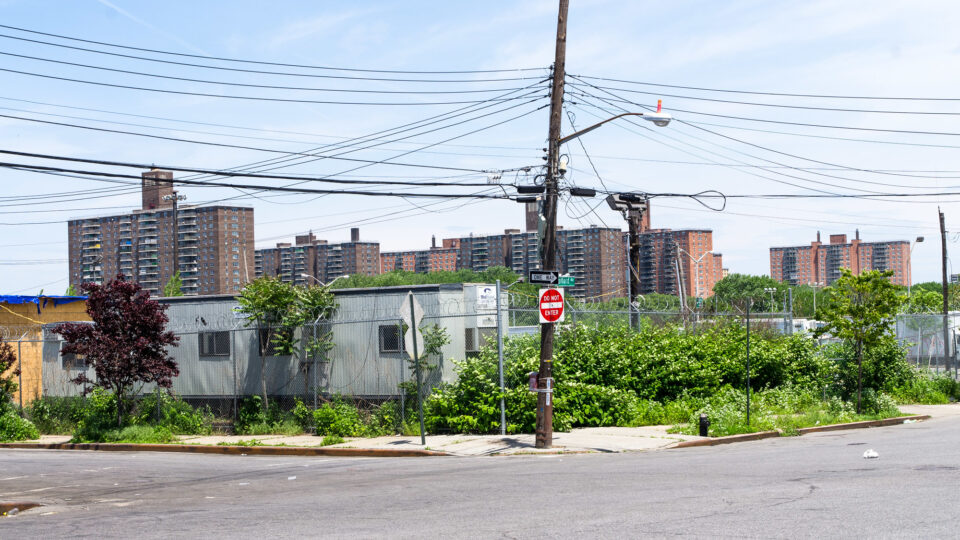
The record-breaking heatwaves this summer have exposed the special vulnerability inner cities have to the effects of summer heat.  Climate change has exacerbated and supercharged heatwaves, as was seen in Seattle and Portland in late June.

Urban cores can be 10 degrees or more warmer than the surrounding countryside.  The urban heat island effect is a result of how cities are built, with so much pavement, so many buildings, and not enough trees.  On top of this, decades of disinvestment in neighborhoods where people of color live have left them especially vulnerable to heat as their homes are not able to cope with it.

In New York City, some residents of Hunts Point in the Bronx keep lists of neighbors they check on to help keep the most vulnerable alive during heat waves.  The city has subsidized 74,000 air conditioners for low-income, elderly residents, and is spending millions to plant trees.  In Phoenix, the hottest big city in the country, officials are working to develop new models for cooler public housing and cooling for streets and pedestrian corridors.

A study, published in 2020, looked at the linkage between higher heat island temperatures and past practices of redlining, where home loans and insurance were unavailable to people in neighborhoods of color.  In 94 of 108 communities studied, the formerly redlined neighborhoods had higher surface temperatures.

Cities are confronted with two heat problems:  emergencies that require immediate action to save lives, and long-term issues related to combating soaring temperatures in heat islands strengthened by global warming. In many cases, cities are not prepared for either problem.  Dealing with and adapting to heat is essential to the long-term viability and quality of life in our cities.

**********

Web Links

A Triple Whammy Has Left Many Inner-City Neighborhoods Highly Vulnerable to Soaring Temperatures

Photo, posted May 27, 2014, courtesy of Dan DeLuca via Flickr.

Earth Wise is a production of WAMC Northeast Public Radio.
A Devastating Threat To Coral Reef Habitats | Earth Wise

March 25, 2020 By EarthWise 2 Comments

warming and acidifying oceans may eliminate corals

According to new research from scientists at the University of Hawaii Manoa, the warming and acidifying oceans could wipe out nearly all existing coral reef habitats by 2100.  In fact, the researchers predict that 70-90% of coral reefs will disappear over the next 20 years alone as a consequence of climate change and pollution. 

Some organizations are attempting to save coral habitats by transplanting live corals from labs to reefs.  The idea is that the new young corals will help revive the reefs.  But after mapping where such restoration efforts would be most successful, the research indicates that there will be little to no suitable habitat remaining for corals by 2100.  Small portions of Baja California and the Red Sea are two of the sites that could remain viable by 2100, although neither are ideal due to their proximity to rivers.  Sea surfaces temperature and acidity are two of the most important factors in determining the viability of a site for restoration.  

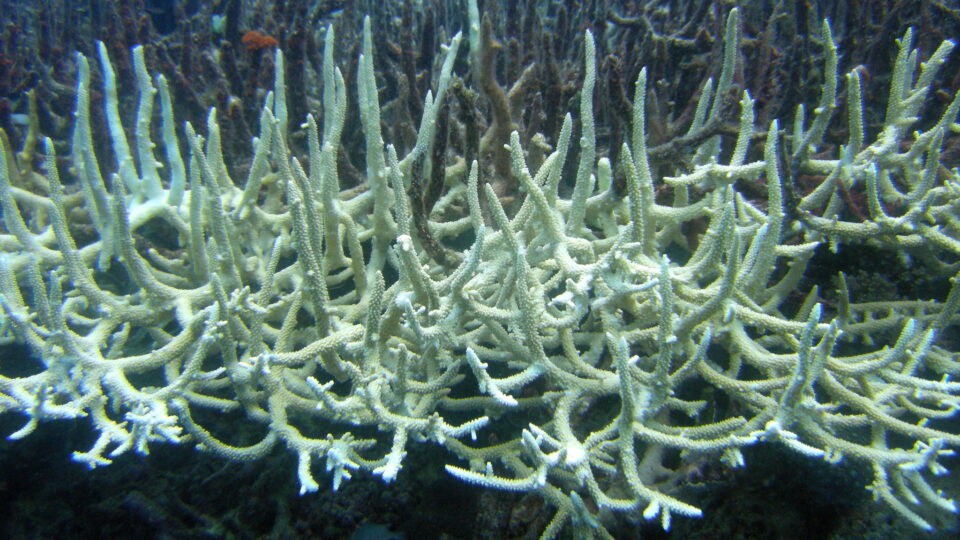
Warming ocean waters stress corals, which cause them to expel the symbiotic algae living inside them.  This turns the often colorful corals white – an event known as coral bleaching.  Bleached corals are not dead corals, but they are at a higher risk of dying.  These coral bleaching events are becoming more frequent as a result of the changing climate. 

The projected increases in human pollution will only play a minor role in the future elimination of coral reef habitats.  Ironically, that’s because humans have already caused such extensive damage to coral reefs that there aren’t many locations left to impact.

**********

Web Links

Warming, acidic oceans may nearly eliminate coral reef habitats by 2100

Photo, posted September 28, 2009, courtesy of Matt Kieffer via Flickr.

Earth Wise is a production of WAMC Northeast Public Radio.

Primary Sidebar

Recent Episodes

  • An uninsurable future
  • Clean energy and jobs
  • Insect declines in remote regions
  • Fossil fuel producing nations ignoring climate goals
  • Trouble for clownfishes

WAMC Northeast Public Radio

WAMC/Northeast Public Radio is a regional public radio network serving parts of seven northeastern states (more...)

Copyright © 2026 ·