• Skip to primary navigation
  • Skip to main content
  • Skip to primary sidebar

Earth Wise

A look at our changing environment.

  • Home
  • About Earth Wise
  • Where to Listen
  • All Articles
  • Show Search
Hide Search
You are here: Home / Archives for sunshine

sunshine

Solar power in Europe

July 31, 2025 By EarthWise Leave a Comment

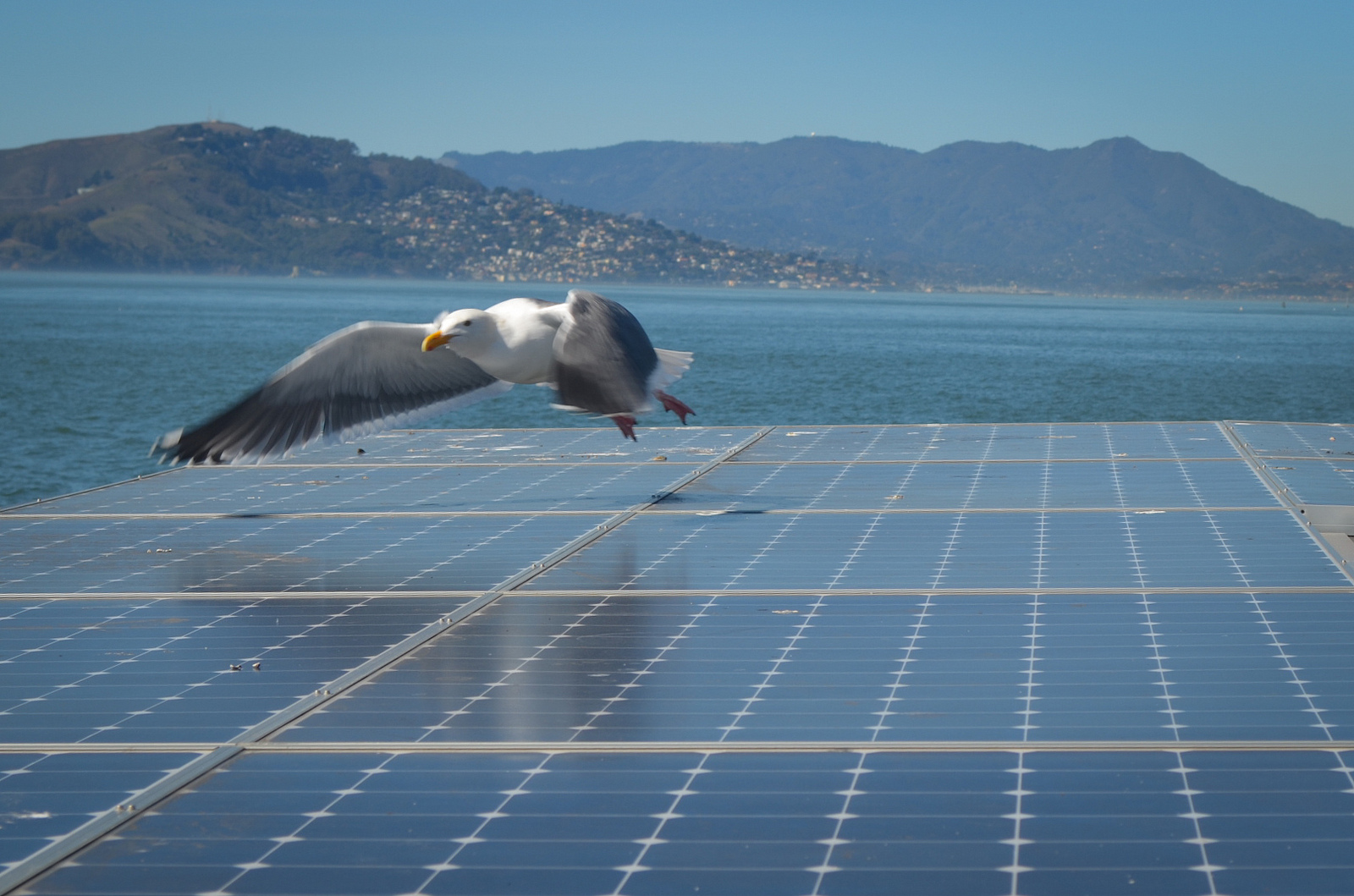
Solar power in Europe is booming

In June, solar power was the largest source of electricity in the European Union for the first time.  Solar supplied a record 22% of the power for the 27-country bloc.  At least 13 of the countries produced new monthly highs for solar power in June.  The Netherlands got more than 40% of its electricity from solar power and Greece 35%.  Other countries with record solar generation included France, Germany, and Sweden.

These solar records are for the most part a result of continuing installations of solar power in recent years as well as long stretches of hot and sunny weather.

Across the EU, nuclear power was the second largest source of electricity, followed by wind, natural gas, and hydropower.  Coal generated only 6% of the EU’s electricity, a new monthly low.  In fact, 15 countries in the EU don’t use any coal to generate electricity at all, including Austria, Belgium, and Ireland, which shut down its last coal plant in June.  All fossil fuels combined generated less than 24% of EU electricity in June, just a little more than the record low of 22.9% set in May, 2024.  Natural gas generation was somewhat higher than last year because of lower levels of hydro and wind generation.

Europe has been grappling with brutal heatwaves with triple-digit temperatures in multiple countries.  The heatwaves were, of course, accompanied by plentiful sunshine, which at least provided abundant solar power at midday, when there was the greatest demand for air conditioning.  This helped to take some of the pressure off the grid and helped to prevent blackouts.

**********

Web Links

In a First, Solar Was Europe’s Biggest Source of Power Last Month

Photo, posted May 28, 2025, courtesy of Mike Popp via Flickr.

Earth Wise is a production of WAMC Northeast Public Radio
Solar-powered desalination

November 7, 2024 By EarthWise Leave a Comment

People in remote, low-income regions far from the ocean often need to meet their water needs from groundwater and groundwater is becoming increasingly saline due to climate change.  Desalination of brackish groundwater is a huge and largely untapped source of drinking water, but there are challenges in making the process efficient and reliable.

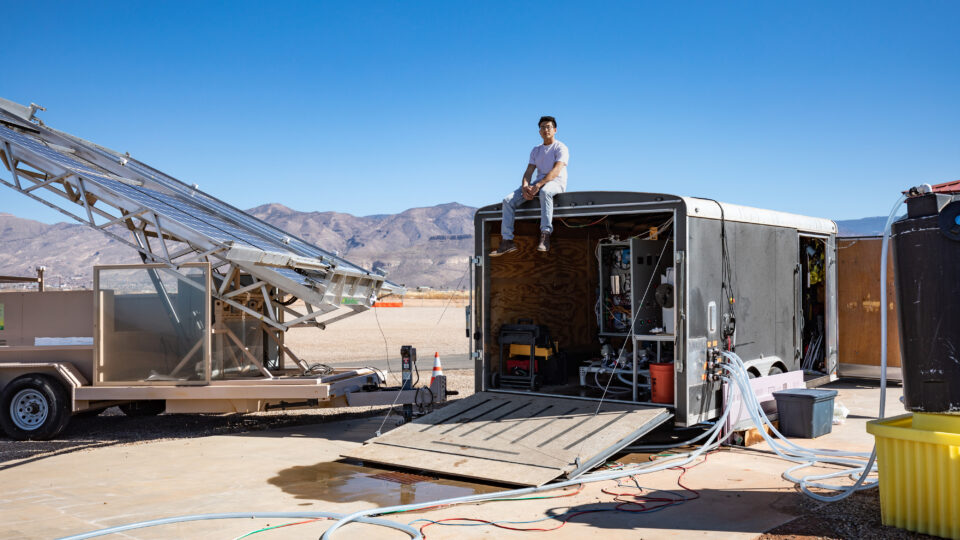
Engineers at MIT have developed a solar-powered desalination system that requires no batteries or external power sources and is capable of producing large quantities of clean water despite the variations of sunshine throughout the day.

The system is based on the process of electrodialysis and consists of water pumps, an ion-exchange membrane stack, and a solar panel array.  What is unique about it is that it makes use of sensors and a control system that predicts the optimal rate at which to pump water through the system based on the output of the solar panels.  As a result, it uses nearly all of the electricity generated to produce clean water and does not need stored or grid-based energy.

The MIT engineers tested a community-scale prototype on groundwater wells in New Mexico over a six-month period.  The system harnessed on average over 94% of the electricity generated by its solar panels and produced as much as 5,000 liters of water per day despite large variations in weather and sunlight.

The new renewable-powered, battery-free system could provide much-needed drinking water at low cost, especially for communities where access to seawater and to grid power are limited.  The team plans to further test and scale up the system so it can supply larger communities and even whole municipalities with low-cost drinking water.

**********

Web Links

Solar-powered desalination system requires no extra batteries

Photo courtesy of Shane Pratt.

Earth Wise is a production of WAMC Northeast Public Radio

Shrinking African glaciers

March 27, 2024 By EarthWise Leave a Comment

We don’t usually associate Africa with glaciers, but the continent has had glaciers on its highest peaks for the past 10,000 to 15,000 years.  Africa’s glaciers are found in three regions:  the Rwenzori Mountains along the border between Uganda and the Democratic Republic of the Congo, Mount Kilimanjaro, and Mount Kenya.  At the turn of the 20th century, there were 43 glaciers scattered across 6 peaks within the Rwenzori Mountains.  In the intervening years, things have greatly changed.

 Since the early 20th century, Africa’s glaciers have shrunk by 90%.  Because all these glaciers are close to the equator, they are especially vulnerable to warming.  According to a new study published in the journal Environmental Research: Climate, in the last two decades, Africa’s glaciers have lost roughly half their area.

This rapid decrease is alarming to climate scientists because they represent a clear indicator of the impact of climate change.  A major factor in the decline of the glaciers is the reduction in cloud cover over the mountains.  Sunshine is melting glaciers and turning ice directly into water vapor even when temperatures are below freezing.  Reductions in snowfall at the same time means that the melting glaciers are not being replenished.

Scientists believe that the tropical glaciers of Africa may all but disappear over the next 25 years.

Roughly three-quarters of the Earth’s freshwater is stored in the world’s more than 200,000 glaciers.  According to scientists, if the world reaches but maintains 1.5 degrees of warming, half of the world’s glaciers could be gone by the end of this century.  If the world continues to warm as it has been without slowing down, more than 80% of the glaciers will disappear.

**********

Web Links

Africa’s Tropical Glaciers Have Shrunk by 90 Percent, Research Shows

Photo, posted February 26, 2022, courtesy of Ray in Manila via Flickr.

Earth Wise is a production of WAMC Northeast Public Radio
Solar Power And Water | Earth Wise

August 8, 2023 By EarthWise Leave a Comment

Solar power and water conservation in California

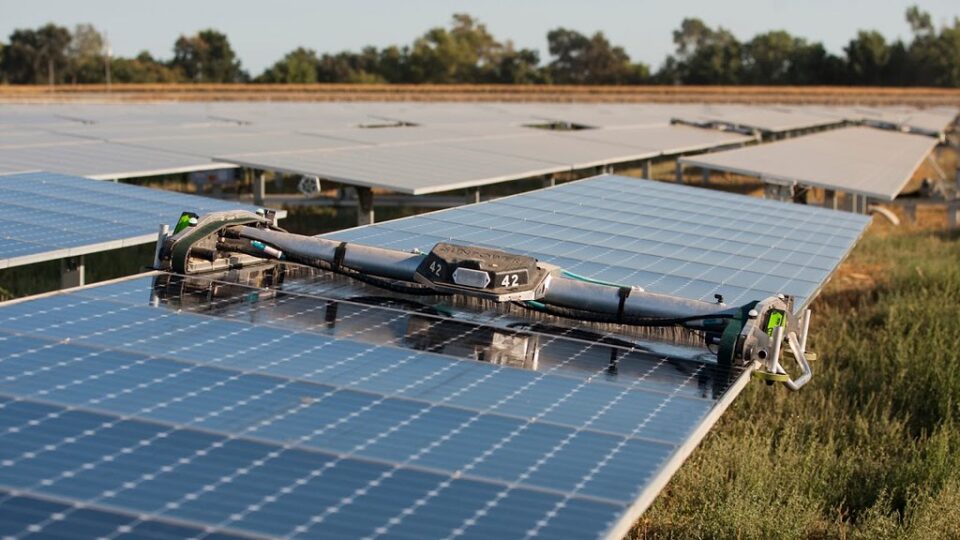
Solar power is a prime example of clean energy, but it does not come without complications and potential problems.  One problem that has arisen in the Californian desert is the effect on scarce water supplies.  Solar farms don’t use up water when they are operating but they consume it when they are being built.

One of the densest areas of solar development in North America is in a corridor along Interstate 10 near Palm Springs, California.  Multiple utility-scale solar projects are underway near the small town of Desert Center.  The projects are being built on public land overseen by the Department of Interior’s Bureau of Land Management.  The location is ideal for solar power projects:  endless sunshine, nearby transmission lines to distribute power, and a major highway for easy transportation of construction materials.

The problem is that during construction of the solar farms, the law requires developers to reduce the amount of dust being generated that can otherwise spread health problems like Valley Fever.  Preventing dust from flying requires water and lots of it.

The water comes from groundwater and building the solar farms is drying up local wells and emptying the aquifer that is part of the Chuckwalla Valley Groundwater Basin.  For the people who live in Desert Center and adjacent areas, this is a serious problem. It is also a problem for the desert ecosystem that supports palo verde and ironwood trees as well as endangered desert tortoises.

This isn’t an easy problem to solve. Seven approved new utility-scale solar projects in the area will provide enough electricity to power 2 million homes. But having enough water to build those projects won’t be easy.

**********

Web Links

Solar Is Booming in the California Desert, if Water Issues Don’t Get in the Way

Photo, posted October 16, 2017, courtesy of UC Davis College of Engineering via Flickr.

Earth Wise is a production of WAMC Northeast Public Radio

Liquid Fuel From Sunshine | Earth Wise

July 6, 2023 By EarthWise Leave a Comment

Producing liquid fuel from sunshine

A key goal of artificial photosynthesis research is to be able to produce a useful liquid fuel using only carbon dioxide, water, and sunlight in a single step.  Such a so-called solar fuel would produce net zero carbon emissions and would be completely renewable.

Bioethanol has long been touted as a green alternative to fossil fuels, since it is made from plants rather than petroleum.  But producing it takes up agricultural land that could be used to grow food instead and there are emissions associated with many aspects of the process by which plant mass becomes fuel.

Researchers from the University of Cambridge in the UK have developed a so-called artificial leaf that produces ethanol or propanol – usable liquid fuels – in a single step.  They developed a copper and palladium-based catalyst that allows the artificial leaf to directly produce multicarbon complex chemicals.  Earlier versions of artificial leaves could make simple chemicals, such as syngas, which would then require additional processing to turn into high-density fuels.

The new device produces liquid fuel from carbon dioxide and water simply by shining sunlight on it.

At present, the artificial leaf is a proof-of-concept device that exhibits only modest efficiency.  The researchers are working to optimize the device’s light absorbers so that they can better make use of sunlight and to optimize the catalyst so that it can convert more of the sunlight into fuel.  In addition, the device needs to be scaled up so that it can produce large volumes of fuel.

All that being said, it is an important step towards people being able to do what plants have been doing for millions of years.

**********

Web Links

Driving on sunshine: clean, usable liquid fuels made from solar power

Photo, posted March 23, 2015, courtesy of Astro via Flickr.

Earth Wise is a production of WAMC Northeast Public Radio

Storing Sunshine To Make Electricity On Demand | Earth Wise

June 1, 2022 By EarthWise Leave a Comment

How to store sunshine to make electricity on demand

Researchers at Chalmers University in Sweden have developed an entirely new way of capturing and storing energy from sunlight.  The system is called the Molecular Thermal Energy Storage System or MOST.  It is based on a specially designed molecule that changes shape when it is exposed to sunshine.

The molecule is composed of carbon, hydrogen, and nitrogen.  When sunlight hits it, it changes into an energy-rich isomer – a molecule made up of the same atoms but arranged together in a different way.  That isomer is stable and can be stored for many years.  When a specially designed catalyst is applied, the stored energy is released in the form of heat and the molecule returns to its original form and can be reused. 

The Chalmers researchers sent some of the energy-laden isomer to researchers in China who used it to operate a micron-thin thermoelectric generator, which used the heat released by the isomer material to generate electricity.  The generator is an ultra-thin chip that could be integrated into electronics such as headphones, smart watches, and telephones.  It is currently only at the proof-of-concept stage, but the results are quite promising.  The integration with the MOST technology provides a way that solar energy can generate electricity regardless of weather, time of day, season, or geographical location.  The results of the study were recently published in the journal Cell Reports Physical Science.

In effect, for this demonstration, Swedish sunshine was sent to the other side of the world and converted into electricity in China. The ultimate goal of this research is to create self-charging electronics that uses stored solar energy on demand.

**********

Web Links

Converting solar energy to electricity on demand

Photo, posted March 11, 2013, courtesy of Steve Slater via Flickr.

Earth Wise is a production of WAMC Northeast Public Radio.

Vanishing Kelp Forests | Earth Wise

June 25, 2021 By EarthWise Leave a Comment

Bull kelp forests in California are disappearing

Bull kelp is the dominant species in offshore kelp forests north of Santa Cruz, California along the west coast of North America.  Bull kelp has similar physical structures to terrestrial plants; it anchors to the ocean floor with root-like structures called holdfasts, and has stem-like structures called stipes from which leaf-like blades stretch out through the water, absorbing nutrients and sunshine.

These giant seaweeds form lush underwater forests in northern California’s coastal waters and have long provided critical habitat for many species like salmon, crabs, and jellyfish.  But now, for much of the California coast, only a few patches of bull kelp remain.

A team from University of California Santa Cruz has studied satellite images of about 200 miles of coastline.  They found that starting in 2014, the area covered by kelp has dropped by more than 95%. 

The die-off was driven in part by an underwater heat wave that depleted nutrients in the water and made it harder for the kelp to grow.  Making matters much worse, populations of purple sea urchins, which eat kelp, have exploded in the region because of overfishing and other reductions in urchin predators such as sea otters.  The sea urchins eat kelp holdfasts, creating so-called urchin barrens where their destructive grazing has decimated kelp forests.

Bull kelp is a species at high risk of becoming endangered.  In coming decades, more marine heatwaves are expected.  These events as well as stronger El Niños will become more common and frequent with climate change.  Between these thermal events and the sea urchins, it will be difficult for kelp forests to survive.

**********

Web Links

Ninety-five percent of bull kelp forests have vanished from 200-mile stretch of California coast

Photo, posted October 28, 2015, courtesy of Florian Graner/Green Fire Productions via Flickr.

Earth Wise is a production of WAMC Northeast Public Radio.

Liquid Fuel From The Sun

February 21, 2019 By EarthWise Leave a Comment

Most forms of energy we use ultimately come from the sun in one way or another.  Even fossil fuels are the end product of millions of years of plant life that captured solar energy.  The advantage fossil fuels have over direct solar power is that they are, in fact, fuels and therefore can be stored for use when needed.

Scientists in Sweden have now developed a specialized fluid that absorbs some of the sun’s energy, holds it for months or even years, and then releases it when needed.  This solar thermal fuel is like a rechargeable battery for heat rather than electricity.

The special fluid is pumped through transparent tubes where ultraviolet light from the sun excites its molecules into an energized state.  A compound called norbornadiene is converted into quadricyclane. The quadricyclane is a quite stable substance until it is passed over a cobalt-based catalyst, which causes it to turn back into norbornadiene and release copious amounts of heat.

Such a solar thermal fuel could be stored in uninsulated tanks in homes or factories or piped or trucked to where it was needed.  It could then be used for water heaters, dishwashers, or clothes driers.  The room temperature fluid quickly warms to about 183 degrees when passed over the catalyst, plenty warm enough for heating a home or office.  Both the fuel and the catalyst are damaged very little by the reactions, so the process can be recycled many times.

There is much development work needed to optimize shelf life, energy density, good recyclability and other properties before this technology can be commercialized but there are at least 15 groups around the world now studying this intriguing way to get liquid fuel from the sun.

**********

Web Links

Scientists transform sunlight into a liquid fuel that can be stored for 18 years

Photo, posted August 17, 2009, courtesy of Hiromichi Torihara via Flickr.

Earth Wise is a production of WAMC Northeast Public Radio.

Water From Desert Air

May 7, 2018 By EarthWise Leave a Comment

https://earthwiseradio.org/wp-content/uploads/2018/05/EW-05-07-18-Water-from-Desert-Air.mp3

Last spring, we talked about a solar-powered water harvester designed to pull water out of even dry desert air.   The prototype device was described in a paper by scientists at UC Berkeley and MIT in the journal Science.

[Read more…] about Water From Desert Air

Sunshine To Fuel

March 15, 2018 By EarthWise Leave a Comment

https://earthwiseradio.org/wp-content/uploads/2018/03/EW-03-15-18-Sunshine-to-Fuel.mp3

Hydrogen is touted to be the fuel of the future, particularly for cars.  But a more acccurate view of it is that hydrogen is an energy storage medium.  And the most promising form of energy to store using hydrogen is solar energy.

[Read more…] about Sunshine To Fuel

Solar Power In Las Vegas

August 16, 2016 By WAMC WEB

https://earthwiseradio.org/wp-content/uploads/2016/07/EW-08-16-16-Solar-Power-in-Las-Vegas.mp3

The Las Vegas Strip has been referred to as an energy consumption nightmare.  Just one look at the place provides evidence for the claim:  an endless sea of lights, glitz and glamour and cavernous casinos running huge banks of air conditioning equipment in the desert heat.  Even with Boulder Dam a hop, skip and jump away, Vegas is struggling to meet its electricity needs.

[Read more…] about Solar Power In Las Vegas

Mandatory Solar In San Francisco

May 19, 2016 By WAMC WEB

https://earthwiseradio.org/wp-content/uploads/2016/05/EW-05-19-16-Mandatory-Solar.mp3

California leads the nation in the use of solar energy with well over half the country’s solar electric capacity. The state is the home of several of the largest thermal solar generating plants in the world and between those and multiple utility-scale photovoltaic plants, California utilities get more than 5% of their power from the sun.

[Read more…] about Mandatory Solar In San Francisco

Solar Power At Night

November 10, 2015 By WAMC WEB

https://earthwiseradio.org/wp-content/uploads/2015/10/EW-11-10-15-Solar-Power-at-Night.mp3

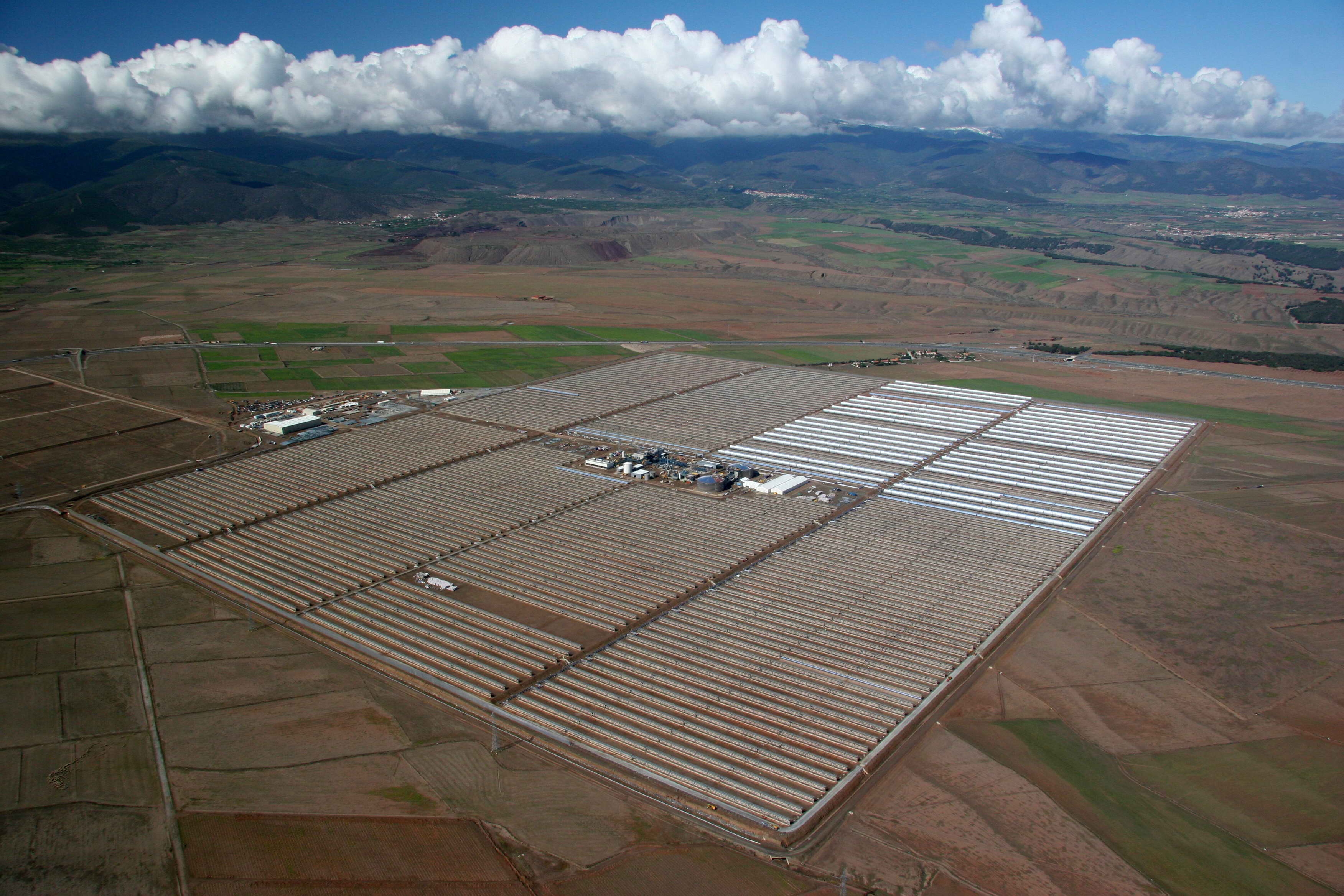
One of the largest solar power plants in the world is the Andasol plant situated on a barren, high-altitude site in the Andalucia region of Spain.  The plant provides electricity for up to 500,000 people in the region.

[Read more…] about Solar Power At Night

Primary Sidebar

Recent Episodes

  • An uninsurable future
  • Clean energy and jobs
  • Insect declines in remote regions
  • Fossil fuel producing nations ignoring climate goals
  • Trouble for clownfishes

WAMC Northeast Public Radio
WAMC/Northeast Public Radio is a regional public radio network serving parts of seven northeastern states (more...)

Copyright © 2026 ·