• Skip to primary navigation
  • Skip to main content
  • Skip to primary sidebar

Earth Wise

A look at our changing environment.

  • Home
  • About Earth Wise
  • Where to Listen
  • All Articles
  • Show Search
Hide Search
You are here: Home / Archives for substitutes

substitutes

Barley plastic

July 24, 2024 By EarthWise Leave a Comment

Making biodegradable plastic from barley

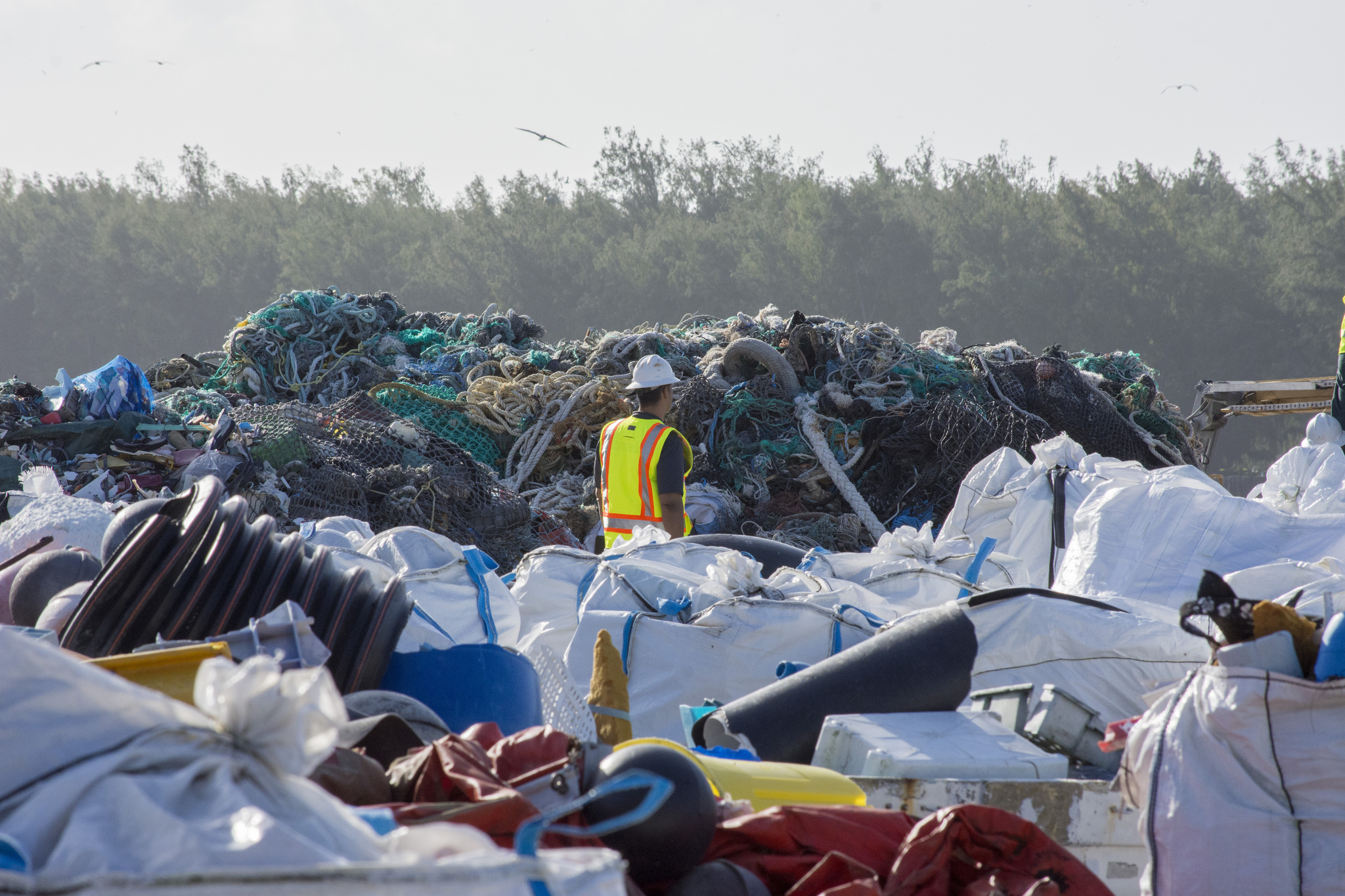
The durability, malleability, and low cost of plastics have made them ubiquitous.  Plastics are everywhere:  in packaging, clothing, and an endless variety of products.  As a result, they are everywhere in the environment and they tend to stay there, contaminating land and sea.  They are tough to recycle, and their production emits more carbon dioxide than all air traffic combined.  The search for viable substitutes for plastic is global and intensive.

Most common bioplastics are not an ideal solution.  They don’t break down that easily when tossed into the natural environment.  The process can take years. 

Researchers at the University of Copenhagen have invented a new material made from modified starch that can completely decompose in nature and can do so in only two months.  The material is made using natural plant material from crops and could be used for food packaging as well as many other things.

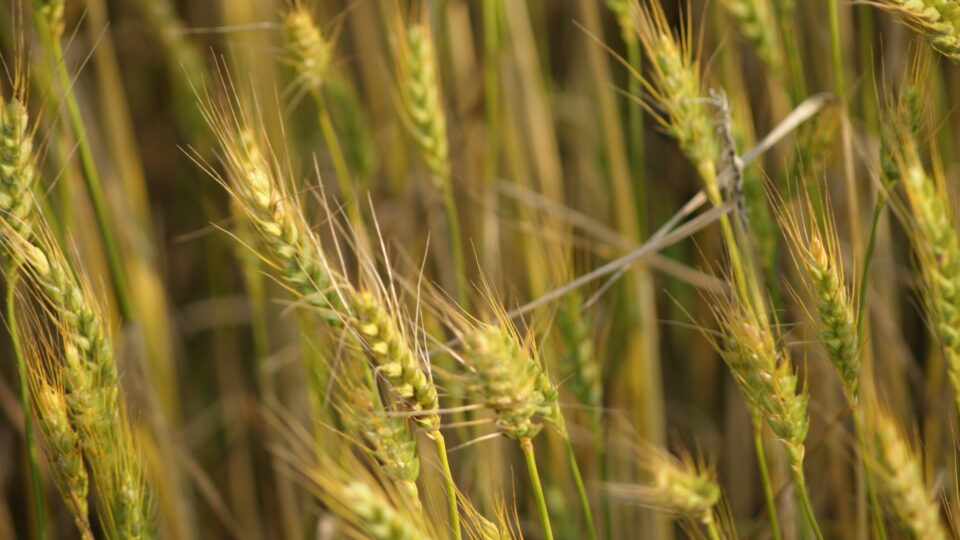
The new material is a biocomposite composed of several substances that decompose naturally.  The main ingredients are amylose and cellulose, common in many plants.  Amylose is extracted from crops like corn, potatoes, wheat, and barley.

The Danish researchers have developed a barley variety that produces pure amylose in its kernels.  Pure amylose is ideal because it is less likely to turn into a paste when it interacts with water. 

Combining the amylose with cellulose forms long, strong molecular chains, resulting in a durable, flexible material that can replace plastic in many applications.  The research team has founded a spinoff company and have applied for a patent for the new material.  It is unclear when the biofriendly barley-based plastic might be commercialized, but its potential is quite good.

**********

Web Links

Researchers invent one hundred percent biodegradable “barley plastic”

Photo, posted May 20, 2010, courtesy of Frederick Lang Jr. via Flickr.

Earth Wise is a production of WAMC Northeast Public Radio

Action on the toxic chemical from tires

December 13, 2023 By EarthWise Leave a Comment

Toxic chemicals from tire debris

Since the 1990s, populations of coho salmon in streams and urban creeks up and down the West Coast have been dying in large numbers.  Scientists at the University of Washington began studying the mysterious deaths and it took years to figure out what was going on.  They analyzed water samples from urban creeks and found that chemicals from vehicle tires were present.  By soaking tires in water, they found that more than 2,000 chemicals were present.  It took three years to narrow down the suspect list to one chemical:  a toxin called 6PPD-quinone, which is produced when the common tire preservative 6PPD mixes with oxygen.  It is that chemical that was responsible for the salmon die-off.

6PPD-quinone is toxic enough to quickly kill some fish.  Studies showed that concentrations of the chemical in stormwater were found to be lethal for coho salmon following exposures lasting only a few hours.

Despite the discovery, the tire industry has continued to use the chemical in its products.  The industry says 6PPD is an antioxidant and antiozonant that helps prevent degradation and cracking of tires in the environment and is essential for the performance and safety of vehicles.

Last year, California regulators directed the tire industry to seek out substitutes for 6PPD.  The U.S. Tire Manufacturers Association pledged to investigate possible safer alternatives to the chemical.

In November, spurred by a petition by West Coast tribes whose lifeways depend on coho salmon, the EPA said it will study the impact of 6PPD with an eye to potentially banning its use. 

**********

Web Links

After Salmon Deaths, EPA Takes Aim at Toxic Chemical Issuing from Car Tires

Photo, posted May 31, 2021, courtesy of Chris Yarzab via Flickr.

Earth Wise is a production of WAMC Northeast Public Radio
A Palm Oil Replacement | Earth Wise

December 15, 2020 By EarthWise Leave a Comment

A possible replacement for palm oil

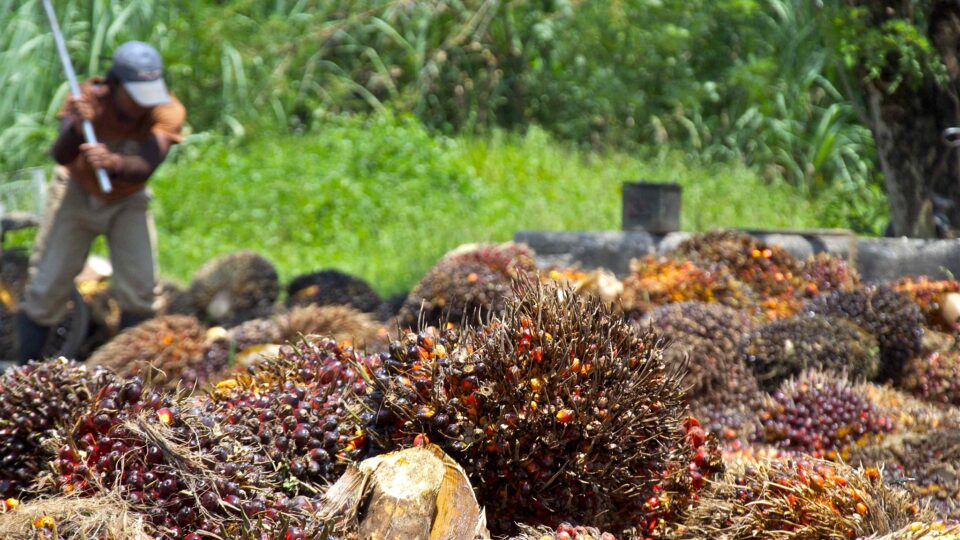
In the 1990s, cardiovascular health issues associated with partially hydrogenated oils containing harmful trans fats became a focus of great concern.  As a result, food companies looked for substitutes and the alternative they identified was palm oil.  Its ability to remain solid at room temperature made it well suited for many food applications.  Unfortunately, that property stems from its high saturated fat content, which means it also increases the risk of coronary heart disease.

The widespread use of palm oil has also caused significant environmental problems.  Palm oil plantations have replaced millions of acres of tropical forests, destroying the habitat for numerous species and threatening biodiversity.

Other potential replacements for partially hydrogenated oils such as coconut oil tend to be more costly, limited in supply, and also high in saturated fats.

Food scientists at the University of Guelph in Ontario, Canada, recently demonstrated the use of enzymatic glycerolysis (EG) to turn liquid vegetable oils into solid fats.  Their process is able to produce solid fats with the textural and structural properties desired by consumers.

The process is fairly simple, relatively easy to scale up, and is amenable to smaller food production or even local production.  Using it would enable food producers to use all sorts of readily available vegetable oils that can be produced in parts of the world that are not necessarily tropical regions.

Palm oil use is not going to go away, but this work may point a way to help slow down the destruction of ecosystems and animal habitats as well lead to more sustainable and healthy food sources.

*********

Web Links

U of G Food Scientists Find Palm Oil Alternative That’s Good for Human, Planet Health

Photo, posted February 21, 2010, courtesy of Craig Morey via Flickr.

Earth Wise is a production of WAMC Northeast Public Radio.

A Plastics Promise

July 19, 2017 By EarthWise

https://earthwiseradio.org/wp-content/uploads/2017/07/EW-07-19-17-A-Plastics-Promise.mp3

It’s estimated that five to thirteen million tons of plastic enters our oceans annually, where much of it can linger for hundreds of years.  According to a report by the World Economic Forum and the Ellen MacArthur Foundation, scientists estimate that there is 165 million tons of plastic swirling about in the oceans right now.   And we are on pace to have more plastic than fish (by weight) in the world’s oceans by 2050. That’s some scary stuff. 

[Read more…] about A Plastics Promise

Primary Sidebar

Recent Episodes

  • An uninsurable future
  • Clean energy and jobs
  • Insect declines in remote regions
  • Fossil fuel producing nations ignoring climate goals
  • Trouble for clownfishes

WAMC Northeast Public Radio

WAMC/Northeast Public Radio is a regional public radio network serving parts of seven northeastern states (more...)

Copyright © 2025 ·