• Skip to primary navigation
  • Skip to main content
  • Skip to primary sidebar

Earth Wise

A look at our changing environment.

  • Home
  • About Earth Wise
  • Where to Listen
  • All Articles
  • Show Search
Hide Search
You are here: Home / Archives for soil moisture

soil moisture

Reindeer grazing and forest carbon

October 13, 2025 By EarthWise Leave a Comment

Northern forests store a third of the world’s carbon, acting as sinks for atmospheric carbon dioxide.  Forest carbon exchange is the process whereby forests sequester carbon dioxide from the atmosphere via photosynthesis, storing it in their wood, leaves, and roots, and releasing some carbon through decomposition and respiration.  This natural cycle in forests is a critical part of the global carbon cycle and is a key factor in the mitigation of climate change.

The carbon cycle in northern forests is affected by the depth of winter snow and its duration.  It turns out that other elements of the forest ecosystem play an important role as well.  Researchers at the University of Oulu in Finland measured the impact of reindeer grazing and snow depth in Finland’s coniferous forests over a five-year period. 

There are areas in northern Finland’s forests where reindeer grazing has been excluded for decades.  In these areas, shallow snow increased carbon release.  In the same locations, deeper snow decreased carbon release.  On the other hand, in areas where reindeer grazed, carbon release remained stable regardless of changes in snow cover. 

The researchers theorize that the substantially recovered lichen cover in the ungrazed areas influences soil temperature and moisture conditions.  When combined with changing snow conditions, these factors may affect soil decomposers and, therefore, the amount of carbon released. 

The essential conclusion of this work is that multiple elements of an ecosystem, such as reindeer grazing, can buffer ecosystem functions, such as carbon exchange.    In this case, reindeer play an important role in sustaining the biodiversity of northern ecosystems. 

**********

Web Links

Reindeer grazing can mitigate the impacts of winter climate change on forest carbon release

Photo, posted December 17, 2015, courtesy of Eco Dalla Luna via Flickr.

Earth Wise is a production of WAMC Northeast Public Radio
South American drought

November 13, 2024 By EarthWise Leave a Comment

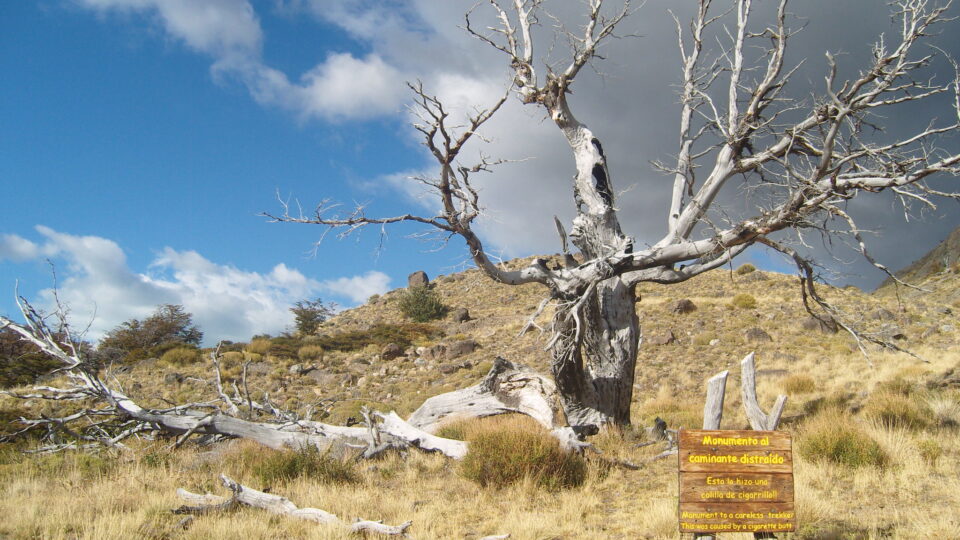
Vast areas of South America have been gripped in drought conditions for months.  Rivers in the Amazon basin fell to record-low levels in October.  The drought has amplified wildfires, parched crops, disrupted transportation networks, and interrupted hydroelectric power generation in parts of Brazil, Bolivia, Colombia, Ecuador, Peru, and Venezuela.

The drought is related to the impact of the El Niño that was present for the latter part of 2023 and the first half of this year.  El Niño typically shifts rainfall patterns in such a way that there is reduced rainfall in the Amazon.  This is especially true during the dry season months of July, August, and September.

Forecasts earlier in the year warned that there would be extreme fire conditions during the dry season.  Indeed, the Pantanal region that spans parts of southern Brazil, Paraguay, and Bolivia has experienced one of its worst fire seasons in decades.  The lack of rainfall, low soil moisture, and drawdowns of groundwater helped to amplify fires and caused them to spread faster and farther.

The drought has strained power supplies in Brazil and Ecuador because hydroelectric power stations are producing less electricity.   Snarled transportation networks with impassible rivers have left some communities struggling to get supplies. 

Brazil’s National Center for Monitoring and Early Warning of Natural Disasters has called the current drought the most intense and widespread Brazil has ever experienced.  Late October saw 293 Brazilian municipalities facing extreme drought.

**********

Web Links

Intense, Widespread Drought Grips South America

Photo, posted August 13, 2010, courtesy of Colm Britton via Flickr.

Earth Wise is a production of WAMC Northeast Public Radio
Species range and climate change

July 23, 2024 By EarthWise Leave a Comment

Climate change threatens native plants and animals

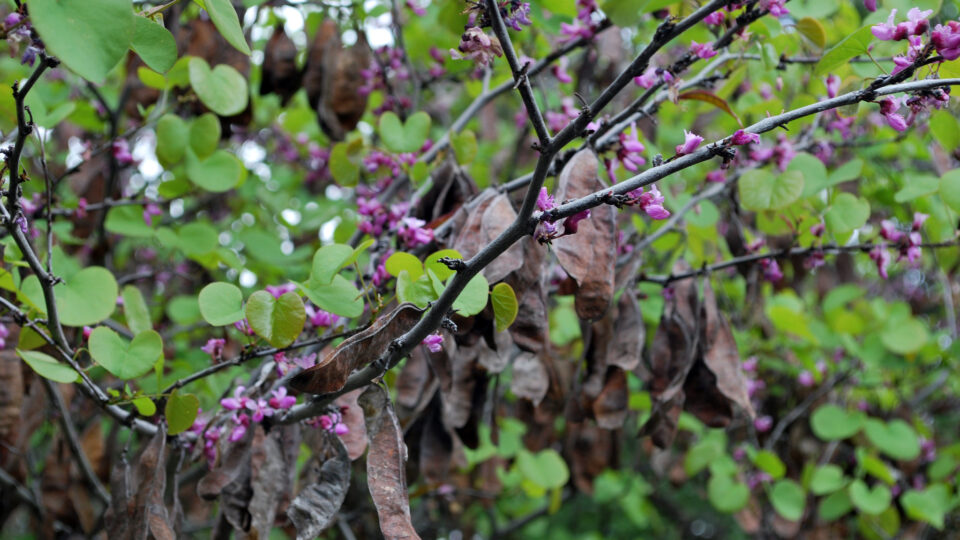
The geographic range of a particular plant or animal species is the area in which it can be found during its lifetime.  The range of most species is limited by climatic factors, including temperature, precipitation, soil moisture, humidity, and wind.  Any changes in the magnitude or variability of these factors will impact the species living there. 

For example, a species sensitive to temperature may respond to a warmer climate by moving to cooler locations at higher latitudes or elevations. 

But not all species are able to move at the same speed.  According to an international research team led by scientists from the University of Massachusetts Amherst, non-native species are expanding their ranges many times faster than native species.

The researchers found that land-based plant and animal species need to be shifting their ranges by about two miles per year just to keep up with the rapid pace of the changing climate.  Marine species need to be moving about 1.7 miles per year.  However, native species are only managing to move about one mile per year on average.  

Non-native species, on the other hand, are spreading nearly 22 miles each year on their own.  Additionally, when the role humans play in assisting the spread of non-native species is factored in, the rate jumps to a whopping 1,170 miles per year.  This is more than 1,000 times faster than the rate at which native species are spreading.   

The researchers conclude that there is no chance for native species to keep up with climate change without human help.  Assisted migration needs to be on the table if native plants and animals are to survive.   

**********

Web Links

Non-Native Plants and Animals Expanding Ranges 100 Times Faster than Native Species

Photo, posted April 10, 2011, courtesy of Bri Weldon via Flickr.

Earth Wise is a production of WAMC Northeast Public Radio
Beavers As Climate Change Fighters | Earth Wise

October 25, 2022 By EarthWise Leave a Comment

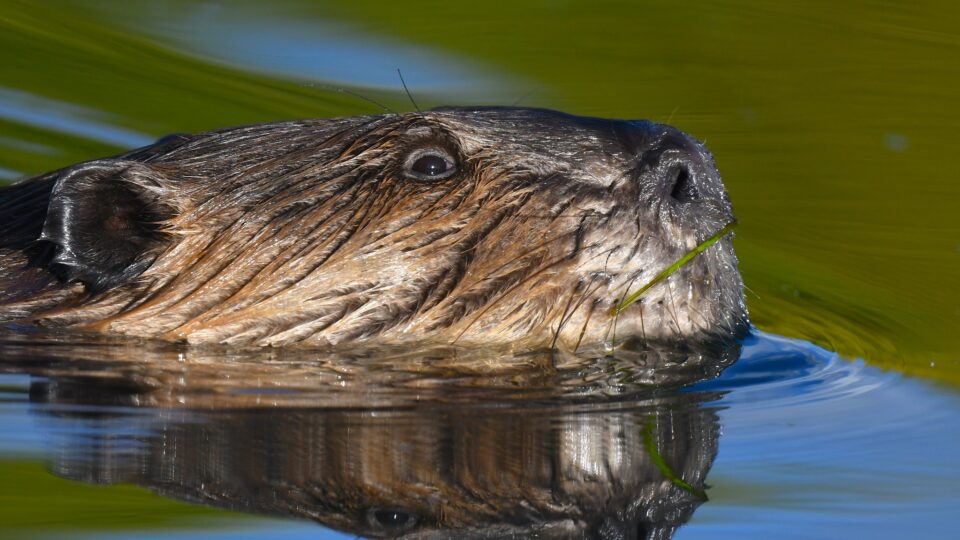
California is fighting the effects of climate change on multiple fronts.  The state has been grappling with relentless drought, record heat waves, and persistent wildfires.  The California Department of Fish and Wildlife is enlisting the help of beavers in its battle against climate change.

The state has created a beaver restoration unit charged with developing methods for nature-based restoration solutions involving beavers as well as artificial beaver dams. The agency plans to spend at least $3 million over the next two years to oversee a restoration program for the North American beaver.

A 2020 study showed that beaver-dammed corridors were relatively unharmed by wildfires compared with other areas that lacked beaver damming.  The study highlighted the differences between two adjacent corridors – one without a beaver population with a landscape scarred by a recent wildfire and another with beavers that remained a lush wetland after a fire.   The differences in burn severity, air temperature, humidity, and soil moisture between the beaver complex and the adjacent landscape were huge. 

From the 1920s through the 1950s, California actively exported beavers to other parts of the state and country so they could build dams in eroded areas where beaver dams could help evenly distribute water.  Now, the state wants to reintroduce beavers into watersheds where they once flourished.

The Department of Fish and Wildlife’s proposal to the California Legislature called beavers an important keystone species that can be used to combat climate change.   The state has spent enormous amounts of money on wildfire measures with minimal results.  Now they are going to see if beavers can make a difference.

**********

Web Links

California says the beaver can be superhero in fighting climate change

Photo, posted September 19, 2021, courtesy of Larry Lamsa via Flickr.

Earth Wise is a production of WAMC Northeast Public Radio
Permafrost Thaw | Earth Wise

March 18, 2022 By EarthWise Leave a Comment

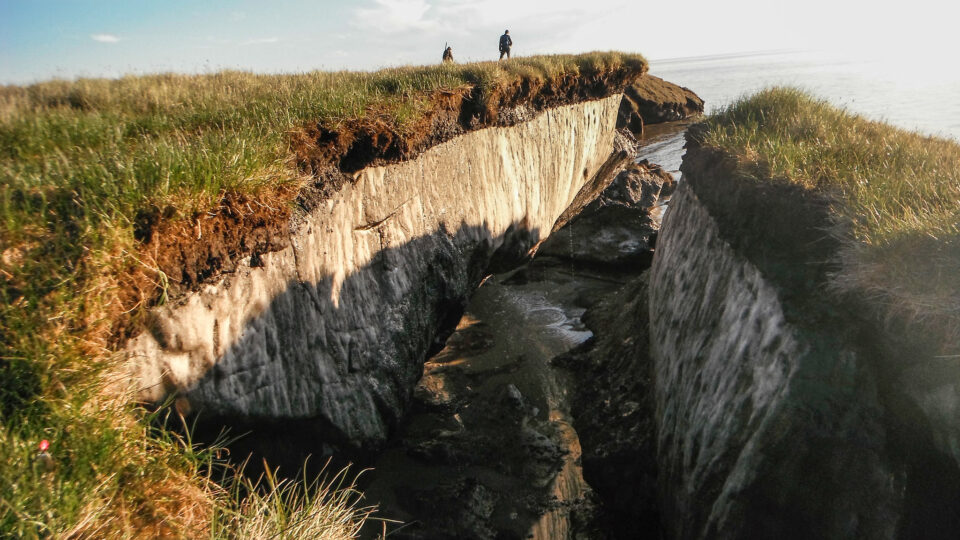
We’ve talked about permafrost before.  It is the frozen soil, rock, or sediment piled up in the Arctic that has been there at least for two years but, for the most part, for millennia or even over a million years.  Permafrost holds the carbon-filled remains of vegetation and animals that froze before they could start decomposing.   Estimates are that there are nearly 2,000 billion tons of carbon trapped in Arctic permafrost.  To put that in perspective, annual global carbon emissions are less than 40 billion tons.

Keeping all that carbon frozen plays a critical role in preventing the planet from rapidly heating. The ongoing warming of the Arctic is causing the subsurface ground to thaw and release long-held carbon to the atmosphere.

Scientists from Europe and the US are working together to better track permafrost carbon dynamics.  They are trying to understand the mechanisms that lead to abrupt thaws in the permafrost that have taken place in some locations.  These rapid thawing events are not well understood.  Researchers are also studying the effects of the increasingly frequent wildfires in the Arctic on the permafrost.

Researchers are using satellites to better understand the effects climate change is having on the Arctic environment and how these changes, in turn, are adding to the climate crisis.  Permafrost cannot be directly observed from space, so that its presence has to be inferred from measurements like land-surface temperature and soil moisture readings.  Terrestrial observations are also necessary for understanding how greenhouse gases – both CO2 and methane – are being emitted from the Arctic.

Thawing permafrost is a ticking timebomb for the environment that demands the growing attention of the scientific community.

**********

Web Links

Permafrost thaw: it’s complicated

Photo, posted January 24, 2014, courtesy of Brandt Meixell / USGS via Flickr.

Earth Wise is a production of WAMC Northeast Public Radio.

Agrivoltaics

September 24, 2019 By EarthWise Leave a Comment

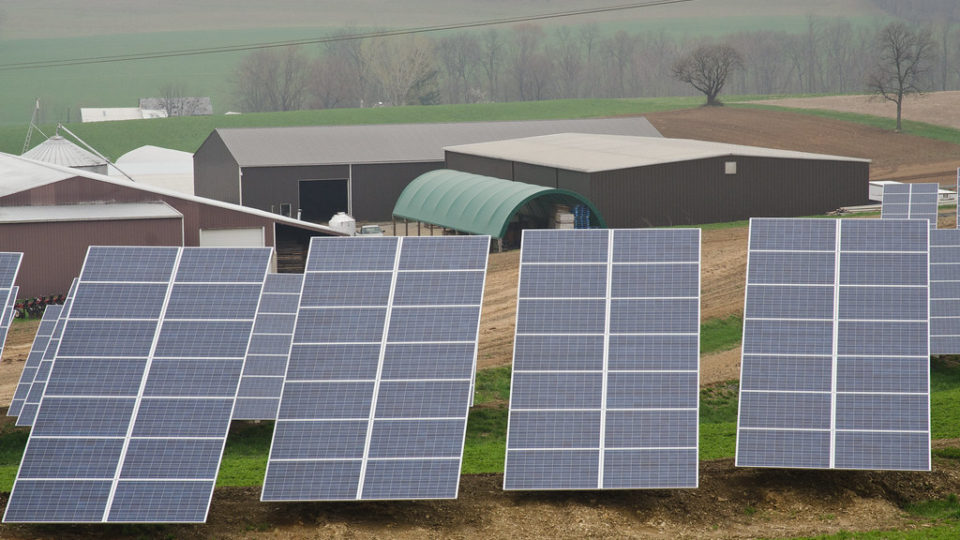
A new study by Oregon State University has found that the most productive places on Earth for solar power are farmlands.   In fact, if less than 1% of agricultural land was converted to solar panels, it would be sufficient to fulfill global electricity demand.

The concept of co-developing the same area of land for both solar photovoltaic power and conventional agriculture is known as agrivoltaics.

The synergy between agriculture and solar power is not surprising.   People have been growing crops around the planet for at least 8,000 years and, long ago, farmers found the best places to grow them which turn out to also the best places to harvest solar energy.  The needs for solar panels are pretty similar to those of food crops.  The efficiency of the panels decreases if they get too hot.  Barren land is hotter than cropland, so the productivity of solar panels is less in such places.

The Oregon State Study analyzed power production data collected by Tesla, which had installed five large grid-tied, ground-mounted solar electric arrays owned by Oregon State.  The researchers monitored air temperature, relative humidity, wind speed, wind direction, soil moisture, and incoming solar energy.  With the data, they developed a model for the best conditions for solar panel productivity and they coincide with excellent conditions for agriculture.  Solar panels are kind of like people with regard to the weather:  they are happier when it is cool and breezy and dry.

Previously-published research shows that solar panels actually increase crop yields on pasture or agricultural fields.

These new results have implications for the current practice of constructing large solar arrays in deserts.  Agricultural lands may be a much better option for both solar production and crop production.

**********

Web Links

Installing solar panels on agricultural lands maximizes their efficiency, new study shows

Photo, posted April 20, 2011, courtesy of U.S. Department of Agriculture via Flickr.

Earth Wise is a production of WAMC Northeast Public Radio.

Primary Sidebar

Recent Episodes

  • An uninsurable future
  • Clean energy and jobs
  • Insect declines in remote regions
  • Fossil fuel producing nations ignoring climate goals
  • Trouble for clownfishes

WAMC Northeast Public Radio

WAMC/Northeast Public Radio is a regional public radio network serving parts of seven northeastern states (more...)

Copyright © 2025 ·