• Skip to primary navigation
  • Skip to main content
  • Skip to primary sidebar

Earth Wise

A look at our changing environment.

  • Home
  • About Earth Wise
  • Where to Listen
  • All Articles
  • Show Search
Hide Search
You are here: Home / Archives for salty

salty

Wasting less wastewater

July 17, 2025 By EarthWise Leave a Comment

Developing technologies to waste less wastewater

Ultra-pure water is essential for multiple industries, for example semiconductors, batteries, and pharmaceuticals, as well as food and beverage companies.  Such water is produced by various processes including desalination plants that use reverse osmosis.  The byproduct of the processing is industrial brine:  salty wastewater.

The brine produced by desalination is generally dumped into the ocean if the desalination plant is located at the seashore, but if the plant is inland, such as in places like Arizona, that isn’t an option.

Nestle runs a water desalinating plant near Phoenix that generates more than 50,000 gallons of brine every day.  Concentrated brines must be carefully managed and disposed of. 

Researchers at Arizona State University are developing a mobile, closed-loop water recovery demonstration system that aims to recover 50%-90% of previously unusable water from industrial brine and reduce the remainder to solid salt. 

The team’s approach involves pretreating Nestle’s brine to remove larger particles.  It then goes through a reverse osmosis process that results in a stream of high-quality water and a salty concentrate.  The salty concentrate goes through a special membrane that recovers even more pure water.  The highly concentrated brine is then dried and crystalized into a solid salt product.  Atmospheric water harvesters capture any remaining water vapor during the drying process.

In places like Arizona where freshwater is a scarce commodity, finding sustainable ways to separate water from salt is both a scientific challenge and an economic necessity.

**********

Web Links

Squeezing every last drop out of wastewater

Photo courtesy of the Global Center for Water Technology.

Earth Wise is a production of WAMC Northeast Public Radio

Removing microplastics from water

April 23, 2025 By EarthWise Leave a Comment

A new way to remove microplastics from water

Microplastics come from the breakdown of larger plastics in the environment as well as from direct use in various products such as certain cosmetics.  They are found everywhere, from oceans and mountain peaks to the air and water, and alarmingly, in our bodies.  They are ingested by all sorts of organisms, from tiny plankton to fish and marine mammals.  Microplastics just don’t go away.  They don’t biodegrade so they simply accumulate in the environment.

Researchers at North Carolina State University have recently demonstrated proof of concept for a system that actively removes microplastics from water.  Such a system has the potential for helping to cleanse oceans and other bodies of water from the tiny plastic particles.

The system makes use of soft dendritic colloids, which are tiny particles that have the ability to stick to just about any surface.  These sticky particles can attract microplastics and grab them, even in wet and salty conditions.  The colloids are made from chitosan, a harmless and biodegradable polymer made from processed shellfish waste.

The researchers produced small pellets of the colloids that also contain small amounts of magnesium, which makes them bubble up and rise to the surface of water.  The pellets are coated with a gelatin layer, which blocks the magnesium.  As the gelatin gradually dissolves away, the pellets collect microplastics.  Eventually, the result is a microplastic-laden scum that rises to the surface where it can be skimmed away.

The scum itself can be bioprocessed into more chitosan that can create more of these microcleaner pellets to then capture more microplastics.  The researchers are investigating how the process can be scaled up to become a valuable tool in dealing with the microplastics problem.

**********

Web Links

New Water Microcleaners Self-Disperse, Capture Microplastics and Float Up for Removal

Photo, posted January 17, 2018, courtesy of Bo Eide via Flickr.

Earth Wise is a production of WAMC Northeast Public Radio
Lithium In The Salton Sea | Earth Wise

October 2, 2023 By EarthWise Leave a Comment

The Salton Sea is a shallow, landlocked, extremely salty body of water in the southern end of California.  It was formed from an inflow of water from the Colorado River in 1905 in the aftermath of a collapse of a canal during spring floods.  At one time, it was a thriving tourist destination and site of real estate speculation.  It was also a crucial habitat for migratory birds and various aquatic species.

Over the past 20 years, the Salton Sea has become increasingly desiccated and polluted with agricultural runoff and waste.  Rising salinity and the shrinking water supply from the Colorado River has made it uninhabitable for many species.

Recently, the Salton Sea has attracted new attention because of untouched lithium deposits located beneath its shores.  The general area has acquired the moniker “Lithium Valley” and has become a place where major energy companies are exploring advanced mining techniques such as Direct Lithium Extraction (DLE).  This new technique enables lithium to be captured from brine deposits without resource-intensive open-pit mining or evaporation pond processes.

Lithium is crucial for making the batteries that power electric vehicles.  DLE mining has attracted large investments from billionaires like Warren Buffet, Bill Gates, and Jeff Bezos. 

Lithium mining has generated major controversies because of its potential to damage the environment.  Whether the new mining techniques can avoid these problems and tap into the potential resources near the Salton Sea remains to be seen.  According to experts, the aquifers near the Salton Sea hold enough lithium to supply close to 40% of the global demand.

*********

Web Links

As Companies Eye Massive Lithium Deposits in California’s Salton Sea, Locals Anticipate a Mixed Bag

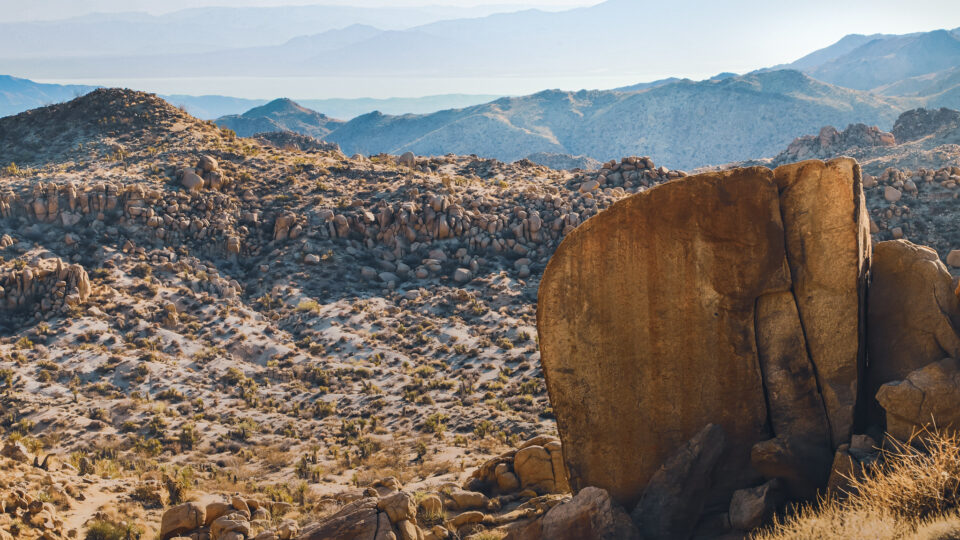
Photo, posted October 28, 2021, courtesy of Christian Collins via Flickr.

Earth Wise is a production of WAMC Northeast Public Radio
The Value Of Seagrass | Earth Wise

August 7, 2023 By EarthWise Leave a Comment

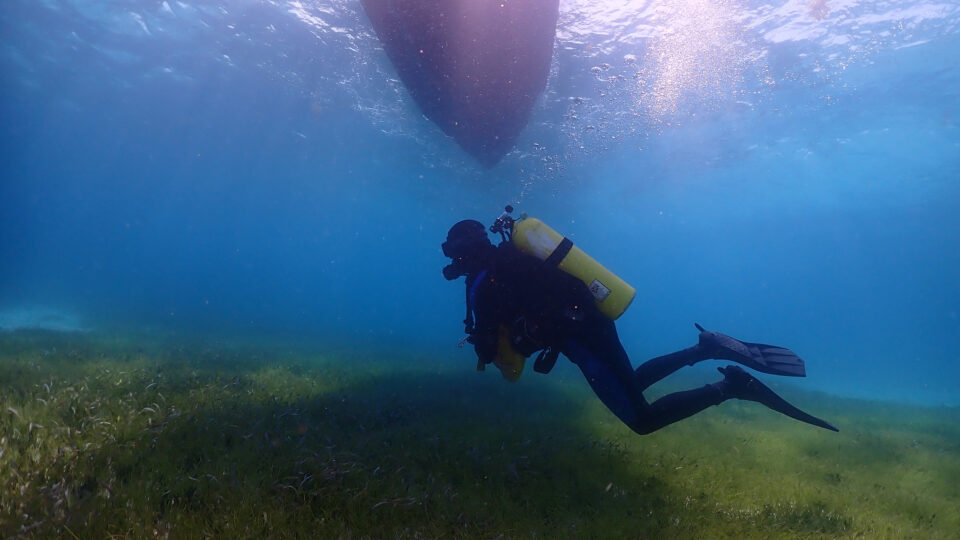
Seagrasses provide enormous amounts of value to society each year

Seagrasses are found in shallow salty and brackish waters in many places around the world, from the tropics to the Arctic Circle.  They get their name from their long green, grass-like leaves.  They are not seaweeds at all but are more closely related to flowering plants on land. 

We hear a lot about threatened ocean ecosystems and most of the attention is on coral reefs and coastal mangrove forests.  Seagrass meadows get much less press, but they in fact provide wide-ranging services to society and store a great deal of carbon.

A new study by the University of Michigan demonstrates that seagrass ecosystems should be high up on the global conservation agenda.  The study puts a dollar value on the many services – which include storm protection, fish habitat, and carbon storage – provided by seagrasses in the Caribbean.  The numbers are enormous.

The researchers estimate that the Caribbean holds up to half of the world’s seagrass meadows by surface area, and it contains about a third of the global carbon storage by seagrasses.  They calculated that the Caribbean seagrasses provide about $255 billion in services to society each year, which includes $88 billion in carbon storage.

In the Bahamas alone, ecosystems services provided by seagrasses are valued at more than 15 times the country’s 2020 gross domestic product.

Blue carbon is the name used to describe carbon stored in coastal and open-ocean ecosystems.  The idea of selling blue carbon offset credits, which monetize the carbon stored in this way, is gaining traction.  For many Caribbean nations, this is likely to provide impetus for protecting seagrass ecosystems from human impacts, including nutrient pollution and overfishing.

**********

Web Links

Caribbean seagrasses provide services worth $255B annually, including vast carbon storage, study shows

Photo, posted June 27, 2023, courtesy of Daniel Eidsmoe via Flickr.

Earth Wise is a production of WAMC Northeast Public Radio
The Scourge Of Salt | Earth Wise

June 10, 2022 By EarthWise Leave a Comment

Salt will plague many communities and countries in the future

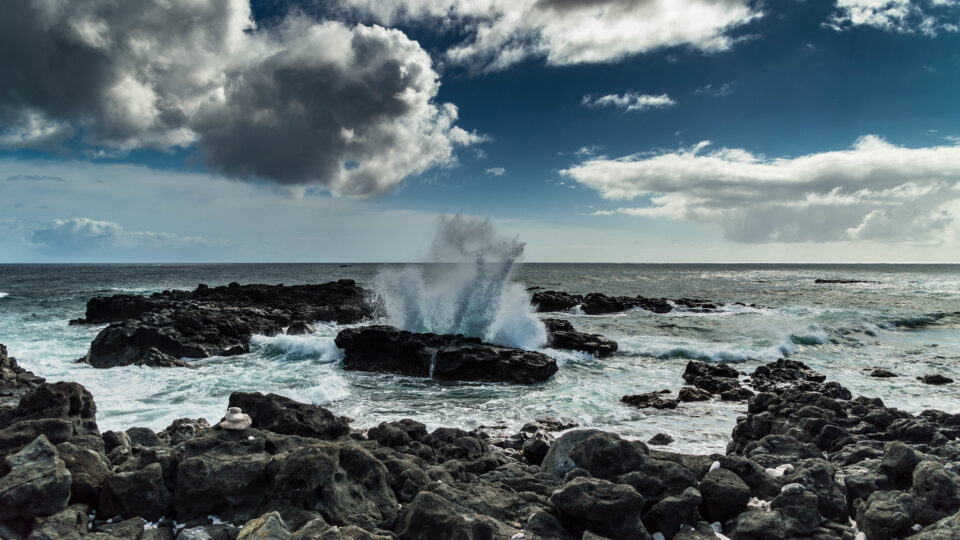
Rising seas are increasing saltwater intrusion on land and rising temperatures are causing greater evaporation.   The result is mounting levels of salt in waters and in soils.

Rising sea levels cause salty ocean water to push further into river deltas.  There is already a surge in saltiness across all inhabited continents.   Seawater works its way further upstream when dams hold back water.  Pumps that remove fresh water from underground sources for irrigation and drinking supplies add to the problem.  In dry regions, irrigation systems delivering water to crops increasingly bring salt onto fields.

People add to the problem by pouring saline drainage water from mines into rivers and by using salt to de-ice roads in the winter.

A modeling study pinpointed hotspots for climate change-induced salinization in numerous locations including the U.S. Southwest, wide areas of Australia, Mexico, South Africa, Brazil, central India, northern China, and more.

Some ecosystems are adapted to saline environments but major alterations in the balance between saline and fresh water is creating growing problems for ecosystems, lake fisheries, crop growing, and even human health.

The damage caused by salt is likely to be so severe that salinization will become a major cause of environmental refugees when the land they live on can no longer sustain them. 

Salt will be a growing threat to the world’s food supplies, especially where farmers depend on artificial irrigation.  About a third of the world’s food is grown in irrigated fields, and a fifth of those fields are deemed to already be salt-contaminated.  Ultimately, only a halt to climate change will be capable of combatting the scourge of salt.

**********

Web Links

Salt Scourge: The Dual Threat of Warming and Rising Salinity

Photo, posted June 3, 2017, courtesy of Jason Jacobs via Flickr.

Earth Wise is a production of WAMC Northeast Public Radio.

The Coastal Northeast Is A Hotspot | Earth Wise

November 16, 2021 By EarthWise Leave a Comment

Temperatures rising fast in the Coastal Northeast

Global warming is, obviously, a world-wide phenomenon.  When the concept of a 2 degrees Celsius temperature rise is discussed, it refers to the average global temperature and the effects that would have on such things as sea level rise and weather patterns.  But the effects of the changing climate are not homogeneous.  Very different things can happen and are happening in different places.

One such place is the coastal northeastern United States, which is a global warming hotspot.  The region is heating faster than most regions of North America and, indeed, 2 degrees of summer warming has already happened in the Northeast.

New research led by the University of Massachusetts Amherst has determined that this heating is linked to significant alterations in the ocean and atmospheric conditions over the North Atlantic.

Several studies have found that the Atlantic Meridional Circulation is slowing down.  The AMOC conveys warm, salty water from the tropics north towards Greenland, where it cools and sinks.  The cooled water than flows back south as deep-water currents.  As the warming climate melts glaciers in Greenland, the circulation slows down, less cooled water arrives in the south, and there is more heating of the ocean off the Northeastern coast.

At the same time, the North Atlantic Oscillation, a weather phenomenon that governs the strength and position of the winds that blow from the U.S. over the Atlantic, has tended to settle into a pattern that enhances the influence of ocean air on the eastern seaboard climate.  Warmer ocean air being blown over the region has led to rising temperatures in Boston, New York, and Providence, Rhode Island.

As the average temperature of the world rises, some places will warm more quickly and others more slowly.

**********

Web Links

The Coastal Northeastern U.S. Is A Global Warming Hotspot

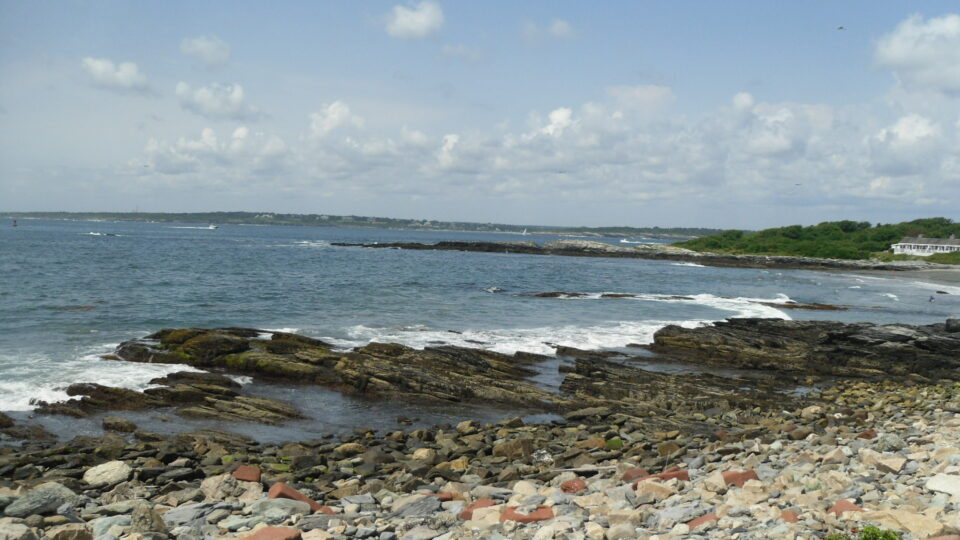
Photo, posted August 8, 2010, courtesy of Doug Kerr via Flickr.

Earth Wise is a production of WAMC Northeast Public Radio.

Cooling The Earth With A Warmer Arctic | Climate Change | Earth Wise

January 24, 2020 By EarthWise 1 Comment

Melting Ice Cooling Earth Warmer Arctic Climate Change

Researchers are considering a wide range of approaches to mitigate the effects of global climate change.  Among these are various strategies of geoengineering, which must be viewed with enormous caution, given the high likelihood of unintended consequences from almost anything we might do.

Researchers at the International Institute for Applied Systems Analysis have investigated potential strategies for cooling the planet in the absence of Arctic sea ice.

The Arctic region is heating up faster than any other place on earth and its sea ice is rapidly disappearing.  Estimates are that summer sea ice in the Arctic Ocean will be largely gone within a generation.  Arctic ice and snow reflect the sun’s energy into space, which helps to keep the planet cool.  What happens if that ice is gone?

The researchers explored the fact that the Arctic Ocean ice actually insulates the Arctic atmosphere from the warmer water under the ice.  Without the ice layer, the surface water would actually increase air temperatures by 20 degrees C during the winter.  That in turn would increase the heat irradiated into space and thereby cool down the planet.

The Arctic sea ice is in part maintained because the upper regions of the Arctic Ocean have lower salinity than the Atlantic Ocean.  This stops Atlantic water from flowing above the cold Arctic waters.  So, if we were to somehow deliberately increase the salinity of the Arctic Ocean surface water, warmer, less salty Atlantic Ocean water would flow in, increase the temperature of the Arctic atmosphere, and release heat trapped in the ocean into space.

It all sounds pretty crazy, but the researchers say that given the seriousness of climate change, all options should be considered when dealing with it.

**********

Web Links

Could we cool the Earth with an ice-free Arctic?

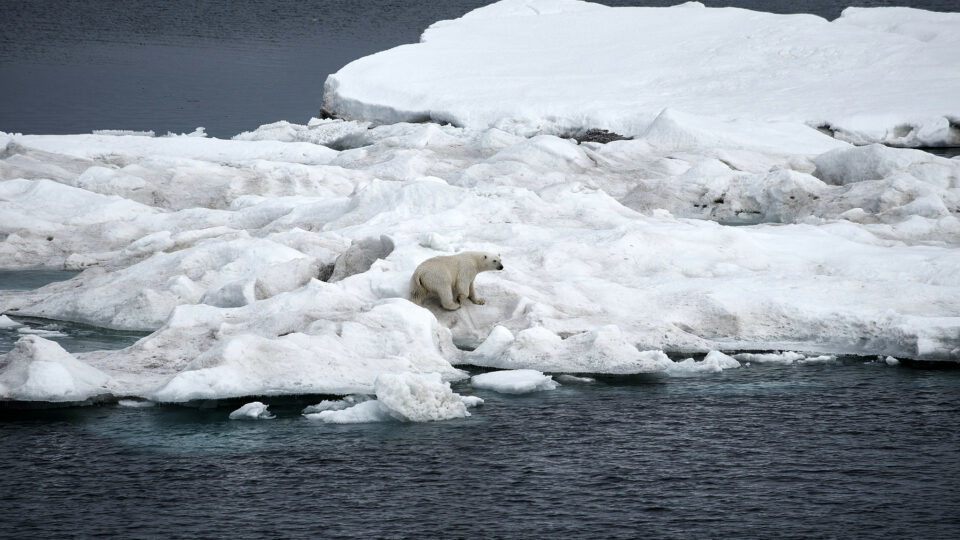
Photo, posted August 19, 2016, courtesy of Flickr.

Earth Wise is a production of WAMC Northeast Public Radio.

Saving The Sea From Salt

July 18, 2016 By WAMC WEB

https://earthwiseradio.org/wp-content/uploads/2016/07/EW-07-18-16-Saving-the-Sea-from-Salt.mp3

The Persian Gulf along with the Red and Mediterranean seas are getting saltier all the time because of the waste products of desalination.   The United Arab Emirates, Saudi Arabia, Kuwait, Qatar, Bahrain and Oman account for 45% of the world’s desalination capacity.  And the byproduct of desalination is brine, which is twice as salty as seawater.   Even advanced desalination plants produce two cubic meters of waste brine for every one cubic meter of clean water.

[Read more…] about Saving The Sea From Salt

Primary Sidebar

Recent Episodes

  • An uninsurable future
  • Clean energy and jobs
  • Insect declines in remote regions
  • Fossil fuel producing nations ignoring climate goals
  • Trouble for clownfishes

WAMC Northeast Public Radio

WAMC/Northeast Public Radio is a regional public radio network serving parts of seven northeastern states (more...)

Copyright © 2026 ·