• Skip to primary navigation
  • Skip to main content
  • Skip to primary sidebar

Earth Wise

A look at our changing environment.

  • Home
  • About Earth Wise
  • Where to Listen
  • All Articles
  • Show Search
Hide Search
You are here: Home / Archives for safer

safer

A new way to recycle plastic

April 18, 2025 By EarthWise Leave a Comment

Researchers at Northwestern University have developed a new method for recycling plastic that is safer, cleaner, cheaper, and more sustainable than those currently in use.  The U.S. is the world’s largest plastic polluter per capita, and we only recycle 5% of our plastics.  There is a pressing need for better technologies for processing different types of plastic waste.

The Northwestern method is designed to break down polyethylene terephthalate or PET, which is the most common type of polyester plastic.  PET plastic is used in food packaging and beverage bottles and represents 12% of total plastics used globally.  It does not break down easily and is therefore a major contributor to plastic pollution.  It mostly either ends up in landfills or, over time, degrades into tiny microplastics or nanoplastics that end up almost everywhere. 

The non-toxic, environmentally friendly, solvent-free Northwestern process first uses an inexpensive molybdenum catalyst to break apart the bonds in PET.  Then the broken plastic is exposed to ambient air.  Just from the trace amounts of moisture in air, the broken-down PET is converted into monomers, which are the building blocks of plastic.  The monomers could then be recycled back into PET products or used to make other valuable materials.

The process is fast and effective and takes just a few hours.  The catalyst is durable and recyclable, meaning it can be used over and over again.  It only works on polyesters, which means it can be used for recycling mixed plastics without sorting them since it will select only the PET from its inputs.

**********

Web Links

Plastic recycling gets a breath of fresh air

Photo, posted August 10, 2013, courtesy of Lisa Risager via Flickr.

Earth Wise is a production of WAMC Northeast Public Radio
Growing safer potatoes

January 15, 2025 By EarthWise Leave a Comment

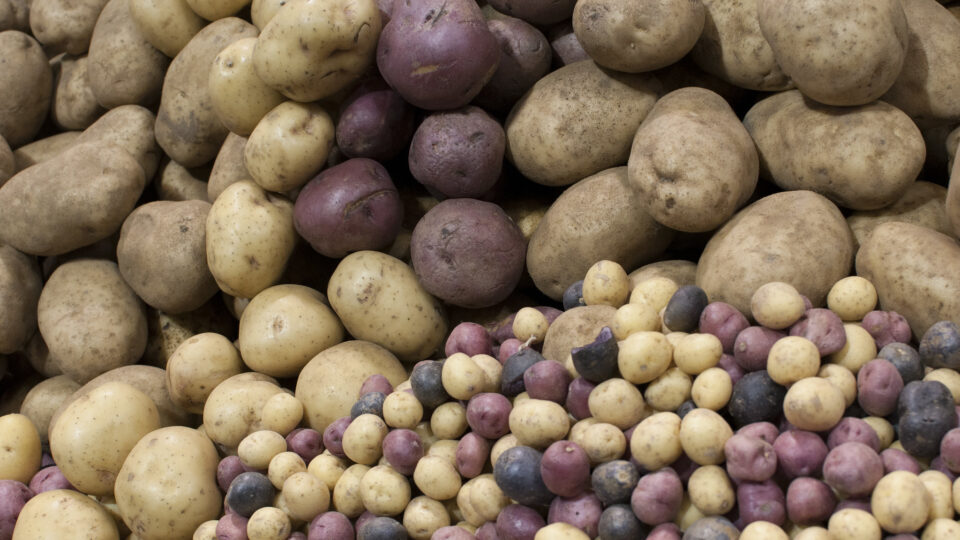
We are often advised to avoid eating green areas on potatoes.  The green comes from chlorophyll that occurs naturally when potatoes are exposed to light.  It is harmless but when it is there, it can be accompanied by a natural toxin – a substance called solanine, which is a steroidal glycoalkaloid or SGA.  Sunlight can produce solanine as well as chlorophyll.  Solanine is produced by plants to protect them from insects. 

Solanine is bitter tasting so one is unlikely to consume much of it.  But consuming enough of it can lead to gastrointestinal complications like diarrhea, abdominal pain, vomiting, and sweating. 

Researchers at the University of California Riverside have discovered a way to eliminate toxic compounds from potatoes, making them safer to eat and easier to store.  They have identified a key genetic mechanism in the production of SGAs.  They found a specific protein that controls the production and believe it will be possible to control where and when SGAs are produced.  Thus, it may be possible to have SGAs present in the leaves of potato plants, thereby protecting them from insects, while having none in the potatoes themselves.  By limiting SGAs to non-edible parts of plants, they can be safer and more versatile plants.  For example, modified potatoes could be stored in sunny places without worry and would always be safe to eat.

Plants have evolved ingenious ways to balance growth, reproduction, and defense.  Our growing understanding of these mechanisms can allow people to redesign crops to meet modern needs, increase food safety, and reduce food waste.

**********

Web Links

Growing safer spuds: Removing toxins from potatoes

Photo, posted October 14, 2013, courtesy of Elton Morris via Flickr.

Earth Wise is a production of WAMC Northeast Public Radio

Making wind turbines safer for birds

September 18, 2024 By EarthWise Leave a Comment

Making wind turbines safer for birds

There are people who oppose the installation of wind turbines for a variety of reasons. It is true that wind turbines can be dangerous to birds.  Estimates are that about 250,000 birds are killed flying into wind turbines each year in the U.S.  

However, this data needs to be looked at in comparison to bird deaths from flying into electrical lines (25 million), vehicles (214 million), and building glass (at least 600 million). And even these figures pale in comparison to the more than 2 billion birds killed by domestic cats each year.

Despite these facts, it would still be great if fewer birds died from flying into wind turbines.  Researchers at Oregon State University are part of a team looking at reducing bird collision risks from wind turbines by painting a single blade of the turbine black.

Recent research in Norway found that painting a single turbine blade black reduced the number of bird collisions by nearly 72%.  Why should this work?  The hypothesis is that the black-painted blades disrupt the visual uniformity of the airspace around the turbines and makes them more noticeable to birds, which prompts avoidance behavior.

The Norwegian data is based on a relatively small sample size and the Oregon State researchers as well as others in Spain, Sweden, and South Africa are working on more rigorous and comprehensive studies.

The hope is that this rather simple strategy could make windfarms safer for birds.  Unfortunately, this approach is not likely to be very effective with bats, which rely more on auditory cues rather than visual cues.

**********

Web Links

Scientists studying impact of painting wind turbine blade black to reduce bird collisions

Photo, posted May 21, 2024, courtesy of Roy Harryman via Flickr.

Earth Wise is a production of WAMC Northeast Public Radio
Banning Neonicotinoid Pesticides | Earth Wise

October 19, 2023 By EarthWise Leave a Comment

Banning neonicotinoids

New York’s Birds and Bees Protection Act contains a targeted restriction on neonicotinoid pesticides. These widely-used insecticides are absorbed by plants and can be present in pollen and nectar, making them toxic to bees and other pollinators.

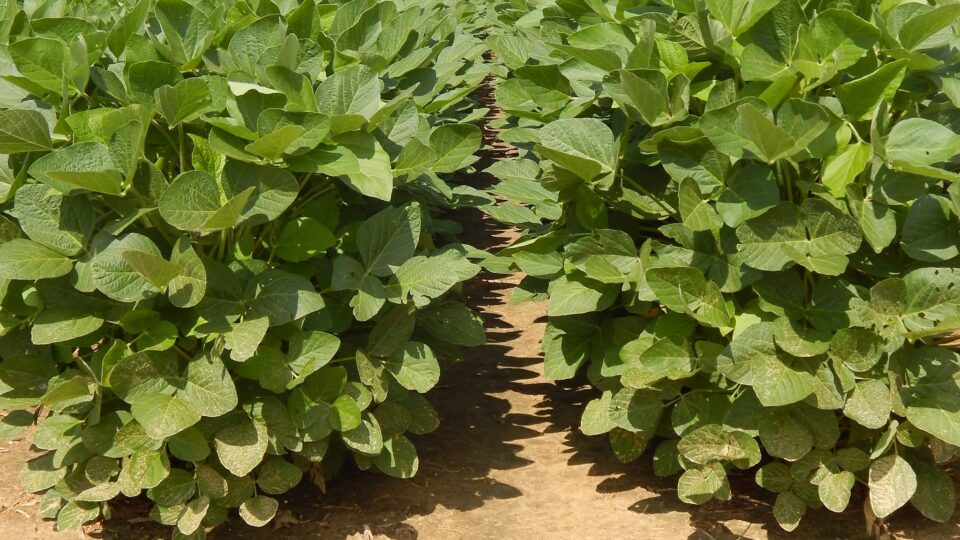
Among the largest applications of neonics (as they are called) has been in the form of coatings on crop seeds, such as corn and soybeans.  In 2019, Canada’s Quebec province strongly limited neonic use to protect pollinators and the environment.  The chemical industry vigorously protested the regulations and claimed that the restrictions would cause the collapse of the grain sector in Quebec.

Seed suppliers began supplying uncoated seeds in 2019 and now there is scarcely any use of coated seeds in the province.  Monitoring of over 1,000 agricultural sites has shown that there have been no crop failures related to the pesticide restrictions.  In fact, use of the neonics had no economic benefits. 

Naysayers warned that even more harmful pesticides or other farming practices would be used instead.  But that hasn’t happened either. Some farmers switched to much safer insecticides and others abandoned insecticide treatments altogether.

New York has faced similar opposition by farmers and chemical manufacturers to the Birds and Bees Protection Act and all of the same arguments that have been proven to be invalid in Quebec are being made in New York.  Most major environmental advocates in the state support the measures embodied in the legislation.  As usual, it boils down to a battle between economic interests and the health of the environment.

**********

Web Links

Québec’s experience with pesticide ban offers a glimpse of what New York can expect

Photo, posted August 29, 2013, courtesy of the United Soybean Board / the Soybean Checkoff via Flickr.

Earth Wise is a production of WAMC Northeast Public Radio
Safe And Simple Hydrogen Peroxide

November 29, 2019 By EarthWise Leave a Comment

We don’t think about hydrogen peroxide very often.  Perhaps we have a bottle of it under our bathroom sink that we haven’t touched in a few years.   But it is an important product manufactured in the millions of tons each year and the basis of a $6 billion global business.

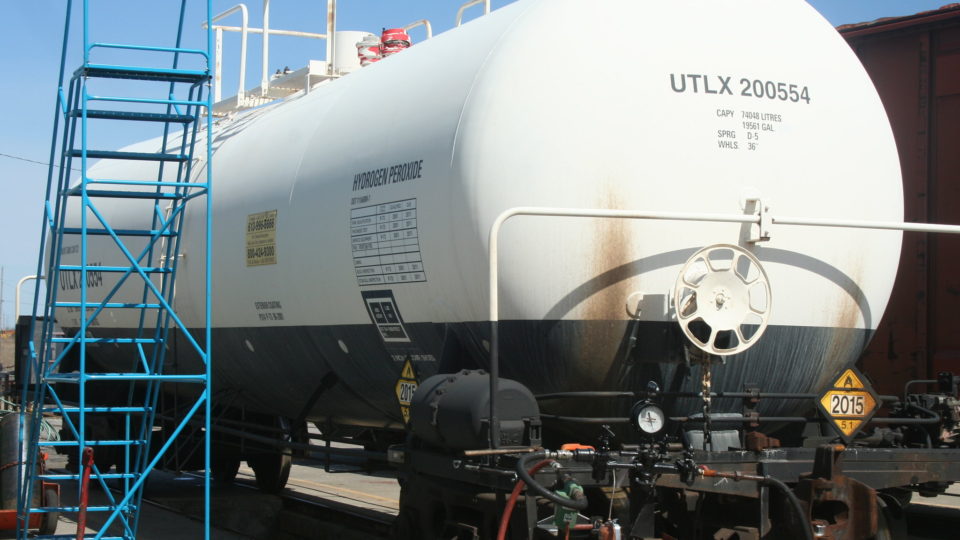
Hydrogen peroxide is widely used as an antiseptic, a detergent, in cosmetics, as a bleaching agent, in water purification, and in many other applications.  It is produced in industrial concentrations of up to 60% in solution with water in order to maximize the economics of transportation.  This makes transportation hazardous and costly because the concentrated form is unstable.  Most applications use a far more diluted form.

Researchers at Rice University have developed a new method for producing hydrogen peroxide that is much simpler and safer than the current technology, which actually dates back to the 1930s.  The Rice technique requires only air, water and electricity to produce the chemical.  The electrosynthesis process, which is detailed in the journal Science, uses an oxidized carbon nanoparticle-based catalyst.

The process could enable point-of-use production of pure hydrogen peroxide solutions, which would eliminate the need to transport the hazardous concentrated chemical.  The use of a solid electrolyte instead of the traditional liquid electrolyte eliminates the need for product separation or purification that is part of the current technology.

In the future, instead of storing containers of hydrogen peroxide, hospitals that use it as a disinfectant could turn on a spigot and get, for example a 3% solution on demand.  Instead of storing chemicals to disinfect swimming pool water, future homeowners could flick a switch and turn on their peroxide reactor to clean their pools.

**********

Web Links

Water + air + electricity = hydrogen peroxide

Photo, posted April 19, 2009, courtesy of Robert Taylor via Flickr.

Earth Wise is a production of WAMC Northeast Public Radio.

Edible Six-Pack Rings

June 4, 2019 By EarthWise Leave a Comment

There has much talk about plastic straws and their harmful effects on the environment.  But much like the straws, plastic six-pack rings are also enemies of the ocean.  While straws and six-pack rings account for only a tiny fraction of all the plastic trash in the ocean, images of marine animals tangled up in the rings have sparked public backlash against these common items.  The soft but tough plastic rings are transparent which means that in the water animals don’t even see them.  They end up tangled in the loops, which can cut into their skin and constrict parts of their bodies, leading to serious injury or death.  Birds, turtles, and otters are among the frequent victims of six-pack rings.

Plastic straws have readily available alternatives such as paper straws and reusable straws.  But the plastic rings that have been available for more than 40 years are not as easy to replace.  By law, six-pack rings are photo-degradable, so they do gradually disintegrate when exposed to direct sunlight.  But even then, they remain quite dangerous at least for a while.

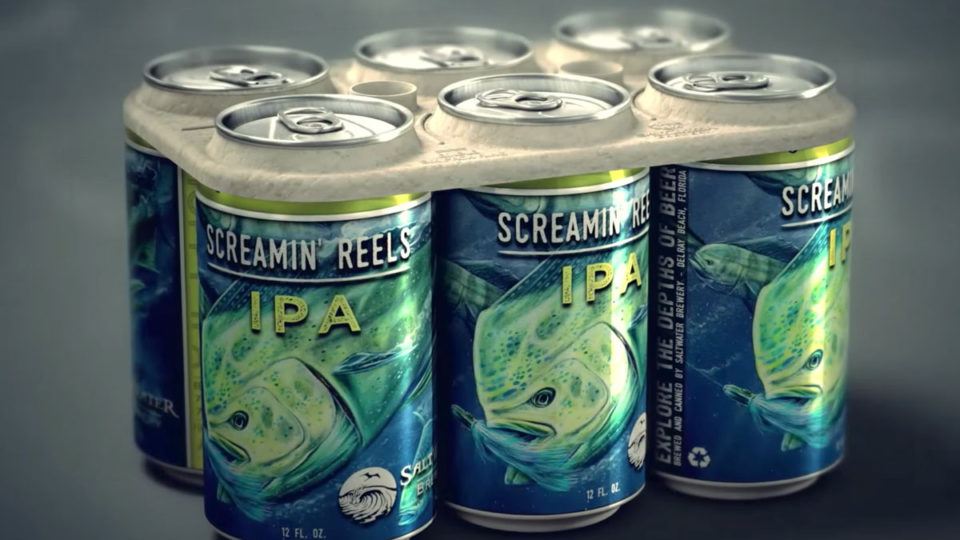
The Saltwater Brewery in Delray Beach, Florida, recently has released edible six-pack rings, representing a brand-new approach to sustainable beer packaging.  The rings are 100% biodegradable and edible.  They are actually made from barley and wheat ribbons from the brewing process.  This packaging can be safely eaten by animals that may come into contact with them in the wild.

Producing the edible rings represents a big investment for a small brewery but the company hopes to influence larger brewers and inspire them to get on board with the safer packaging.

**********

Web Links

Saltwater Brewery Creates Edible Six-Pack Rings

Photo courtesy of Saltwater Brewery.

Earth Wise is a production of WAMC Northeast Public Radio.

V2V And Safer Cars

June 27, 2018 By EarthWise Leave a Comment

https://earthwiseradio.org/wp-content/uploads/2018/06/EW-06-27-18-V2V-and-Safer-Cars.mp3

Automated cars are coming, but they face many challenges in sharing the roads with human drivers.  The on-board sensors in these cars are very effective in many ways, but they cannot see around corners or see through buses or trucks.  They won’t know if six cars ahead, someone has slammed on their breaks leading to a chain-reaction collision.  Of course, human drivers have the same problems.

[Read more…] about V2V And Safer Cars

Making Self-Driving Cars Safer

March 6, 2018 By EarthWise 1 Comment

https://earthwiseradio.org/wp-content/uploads/2018/02/EW-03-06-18-Making-Self-Driving-Cars-Safer.mp3

We hear quite a bit about self-driving cars these days.  More and more cars on the road have at least some ability to do things on their own (steer, brake, or park) and some can do much more.

[Read more…] about Making Self-Driving Cars Safer

Primary Sidebar

Recent Episodes

  • An uninsurable future
  • Clean energy and jobs
  • Insect declines in remote regions
  • Fossil fuel producing nations ignoring climate goals
  • Trouble for clownfishes

WAMC Northeast Public Radio

WAMC/Northeast Public Radio is a regional public radio network serving parts of seven northeastern states (more...)

Copyright © 2026 ·