• Skip to primary navigation
  • Skip to main content
  • Skip to primary sidebar

Earth Wise

A look at our changing environment.

  • Home
  • About Earth Wise
  • Where to Listen
  • All Articles
  • Show Search
Hide Search
You are here: Home / Archives for rockies

rockies

The battle over wolves

January 10, 2025 By EarthWise Leave a Comment

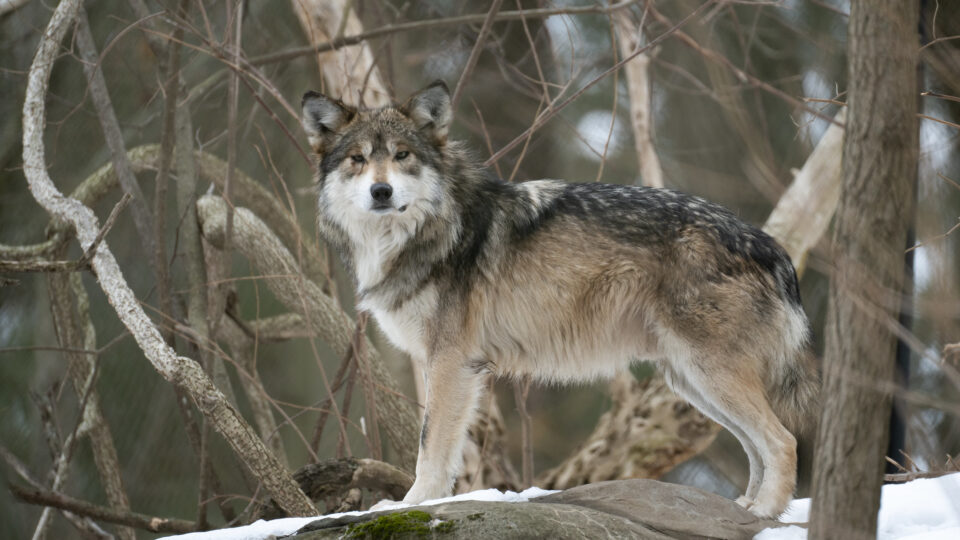
Thirty years ago, wolves were reintroduced into Yellowstone National Park.  Grey wolves had almost disappeared entirely throughout the northern Rockies.  They were listed as endangered by the federal government since 1974.  The reintroduction was hailed as a wildly successful effort yielding significant benefits to Yellowstone’s ecosystems.

Since then, wolf populations have increased greatly across the West.  There are at least 7,000 or 8,000 wolves living in Western States.  But this conservation triumph is considered a plague by some residents of those states.   Wolves kill livestock, game animals, and sometimes pets.

Because of this backlash, federal protections have been lifted in some states, leaving wolf management up to state agencies.  Montana, Idaho, Wyoming, eastern Oregon, eastern Washington, and parts of Utah have no federal protections and hunting wolves is legal.  Initial, careful hunting quotas in some states have given way to widespread killing driven by anti-wolf sentiment. 

Emotions run high with regard to wolves, and unlike that of other protected species, the fate of wolves is a matter of politics rather than science or law.  State legislatures have gotten involved, often trying to prove that they hate wolves more than the next guy. 

Wolves are resilient animals and are likely to survive unless there is an organized government strategy like what took place in the 1900s with unlimited poisoning and shooting.  But experts note that wolf populations must persist at a high enough level in order to play important ecological roles.

**********

Web Links

As Wolf Populations Rebound, an Angry Backlash Intensifies

Photo, posted March 7, 2023, courtesy of Eric Kilby via Flickr.

Earth Wise is a production of WAMC Northeast Public Radio
A wet January

March 6, 2024 By EarthWise Leave a Comment

For the first time in a while, the monthly report on the US climate did not feature record-setting heat.  The average January temperature across the contiguous U.S. was 1.6 degrees above the average, but that only ranked it in the middle third of the climate record.  The diminishing El Niño probably helped.  On the other hand, the global average temperature in January was again the warmest on record – the 8th consecutive record-setting month.

But January still managed to be atypical weatherwise in the U.S. in that the nation’s average precipitation across the country was 3.18 inches – nearly an inch above average – which made it the 10th wettest January in NOAA’s 130-year climate record.  Thirteen states experienced top-ten rainfall amounts.  In late January, record rainfall and flooding hit the southern plains, especially in parts of Texas and Louisiana.  Meanwhile, early February brought historic rainfall and mountain snow to California with a second round later in the month.

All of the rainfall in January has made some difference to drought conditions across the country.  On January 30th, about 23.5% of the contiguous U.S. was In drought, which was 9.5% lower than the beginning of the month.  However, drought conditions expanded or intensified across northern parts of the Rockies and Plains among a few other places.

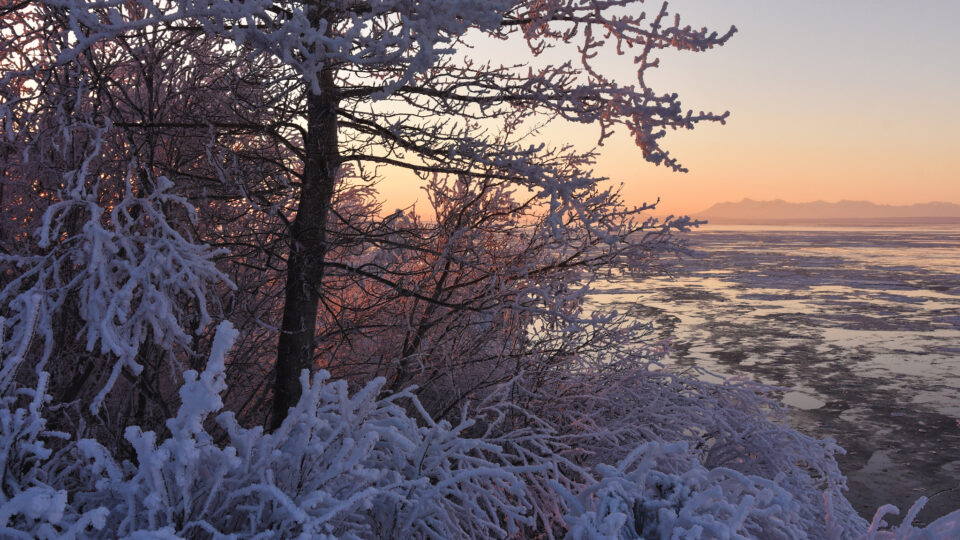
Outside of the lower-48, Alaska continued to experience historic snowfall conditions.  Between October and the end of January, Anchorage had over 100 inches of snow.

We are living in an era of weather extremes.

**********

Web Links

The nation just saw its 10th-wettest January on record

Photo, posted February 8, 2017, courtesy of Paxson Woelber via Flickr.

Earth Wise is a production of WAMC Northeast Public Radio
California Storms And The Megadrought | Earth Wise

February 22, 2023 By EarthWise Leave a Comment

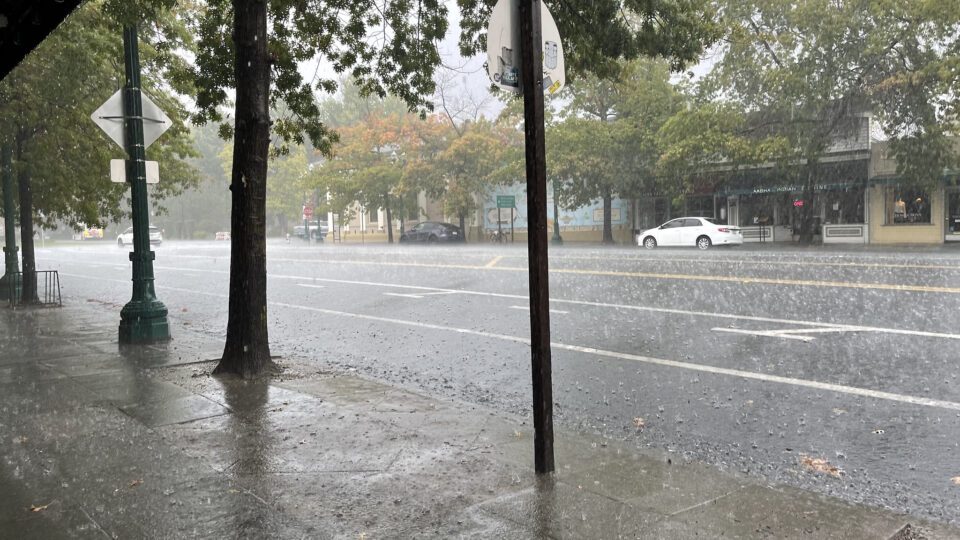
California experienced its wettest 10-day period in 25 years as a result of a series of storms driven by atmospheric rivers in January.  The Rocky Mountains got buried in snow from the same weather pattern.   For the drought-stricken West, the storms were good news.  But they are not the cure for what’s been ailing the region.

In California, the snowpack in the Sierra Nevada mountains has been greatly enhanced, containing twice as much snow as is considered average for this time of year.  Without a doubt, it will reduce the impact of the drought that has plagued the state for 23 years.  But one big storm or even a series of them is not enough to undo years of minimal precipitation and rising temperatures.  Many of the states’ largest reservoirs remain well below historical averages despite the record-breaking rain.  It would take several wet years to really allow the state to recover from the drought.

The snowfall in the Rockies is crucial because it is the source of more than two-thirds of the water in the Colorado River.  The Colorado River is the water lifeline for 40 million people from Wyoming to Mexico.

The ongoing shrinking of the Colorado River is a crisis that has created massive problems for the multibillion-dollar agriculture industry and for many large cities, including Denver, Phoenix, Salt Lake City, Las Vegas, and Los Angeles.  Two of the nation’s largest reservoirs – Lake Mead and Lake Powell – are filled by the Colorado River.  The historic low levels of these reservoirs have threatened the functioning of hydropower facilities that provide electricity to millions of people.

The January storms were good news for the West, but its problems are not over.

**********

Web Links

This Winter’s Rain and Snow Won’t be Enough to Pull the West Out of Drought

Photo, posted September 18, 2022, courtesy of Sarah Stierch via Flickr.

Earth Wise is a production of WAMC Northeast Public Radio
Glaciers And Water Supply

March 25, 2019 By EarthWise Leave a Comment

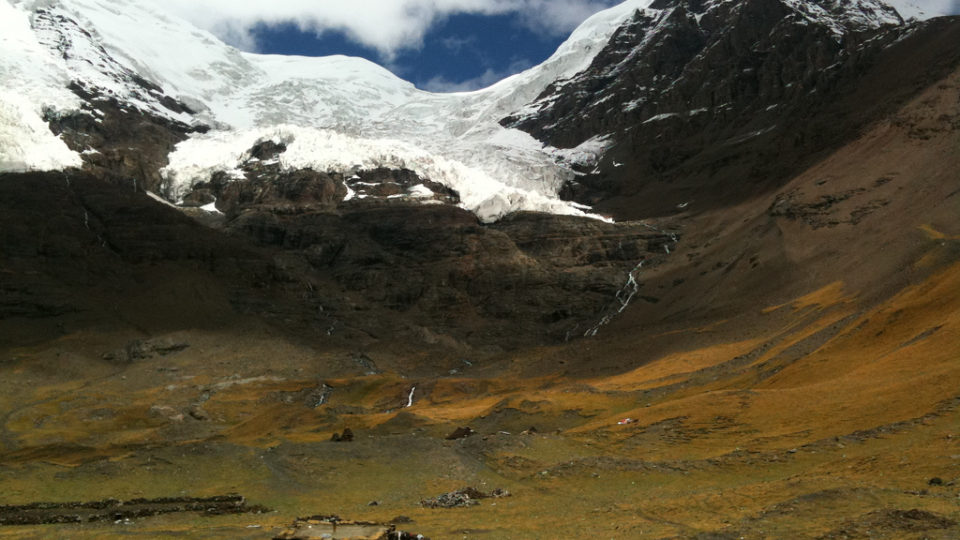
The world has roughly 150,000 glaciers covering about 200,000 square miles of the earth’s surface.  Over the last 40 years they’ve lost the equivalent of a layer of ice 70 feet thick.  Most of them are getting shorter as well.  Some have shrunk to nothing; many smaller glaciers in places like the Rockies and the Andes have disappeared entirely.

Glaciers represent the snows of centuries, compressed over time to form flowing rivers of ice.  They always change over time, accumulating snow in winter and losing ice to melting in summer.  But in recent times, the warming climate has allowed the melting to outpace the accumulation.

Much of the discussion about the retreating glaciers relates to sea level rise, catastrophic floods, debris flow, and the effects on rivers and ecosystems.

But in some places, the biggest impact of the loss of glaciers is on the supply of water for people and agriculture.  In Kazakhstan, Almaty, the country’s largest city depends on glacier-fed rivers for drinking water for its 2 million people and for irrigation water for crops.  All across the Tibetan Plateau and the Himalayan and Karakmoram mountain ranges, hundreds of millions of people rely on glacier-fed rivers for their water supplies. 

A melting glacier can at first increase stream flow but eventually reaches a tipping point and meltwater begins to taper.  In the short term, the melting glaciers may provide increased amounts of water coming down from the mountains, but eventually the flow in the rivers will begin to decline and populations will face a crisis.

It will be essential for people in many places to carefully plan for their future water needs in a changing world.

**********

Web Links

Glaciers Are Retreating. Millions Rely on Their Water.

Photo, posted September 16, 2011, courtesy of Flickr.

Earth Wise is a production of WAMC Northeast Public Radio.

Your Children’s Yellowstone

January 25, 2019 By EarthWise Leave a Comment

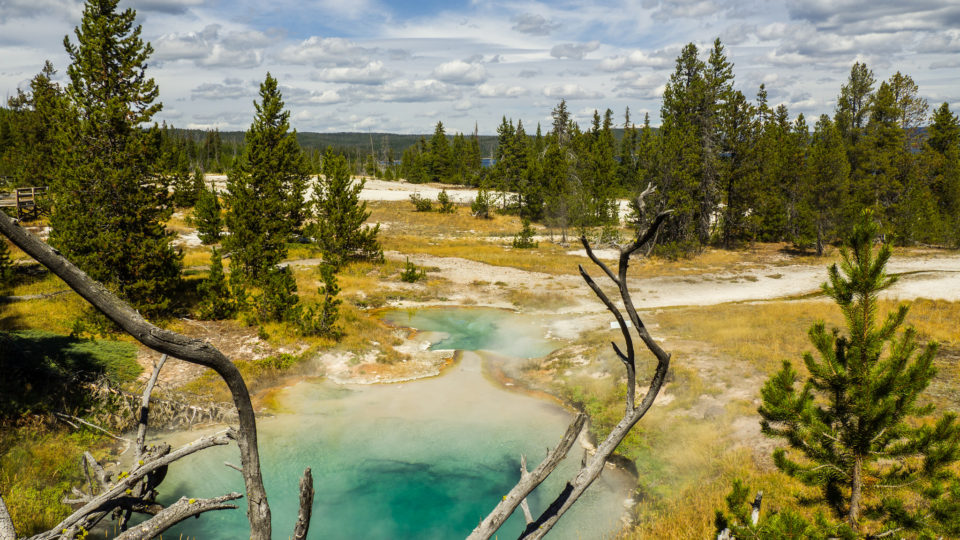
Yellowstone National Park was the first national park in the US and according to some sources, the first in the world.  It is the home of charismatic megafauna and stunning geysers that attract over four million visitors a year.  It is the only place in the United States where bison and wolves can be seen in great numbers.  And it is changing.

Over the next few decades of climate change, Yellowstone will quite likely see increased fire, less forest, expanding grasslands, shallower, warmer waterways, and more invasive plants.  All these things will alter how and how many animals move through the landscape.   Ecosystems are always changing, but climate change is transforming habitats so quickly that many plants and animals may not be able to make the transition at all.

Since 1948, the average annual temperature in the Greater Yellowstone ecosystem has gone up by 2 degrees Fahrenheit.  On balance, winter is 10 days shorter and less cold.  The Northern Rockies snowpack has fallen to its lowest level in eight centuries. Summers in the park are warmer, drier, and increasingly prone to fire.

Non-nutritious invasive plants like cheatgrass and desert madwort have replaced nutritious native plants.  When plants like these take over, they suck moisture out of the ground early so that bison and elk cannot be sustained throughout the summer.

The behavior of elk and other animals is already changing, with many staying outside the park to nibble lawns and alfalfa fields.  In turn, wolves go where the elk go.   Forests and waterways are changing as well.

The rapid changes going on at Yellowstone mean that the park that our children and grandchildren will visit in the future is likely to be a very different one from the Yellowstone we remember.

**********

Web Links

In Yellowstone National Park, warming has brought rapid changes.

Photo, posted September 7, 2016, courtesy of Mike Yang via Flickr.  

Earth Wise is a production of WAMC Northeast Public Radio.

The Return Of The Bison

September 28, 2018 By EarthWise Leave a Comment

https://earthwiseradio.org/wp-content/uploads/2018/09/EW-09-28-18-The-Return-of-the-Bison.mp3

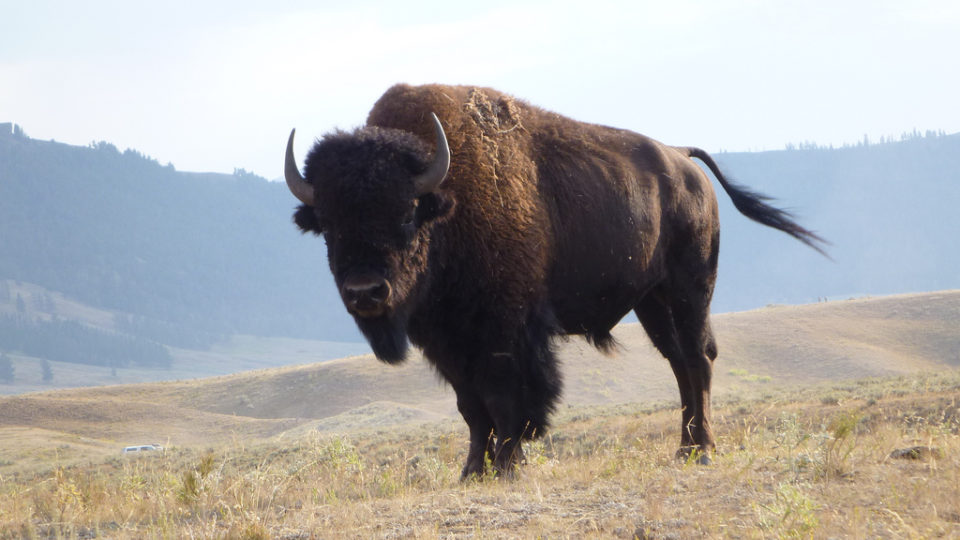
At one time there were 20 to 30 million bison in North America, dominating the landscape from the Appalachians to the Rockies, and from the Gulf Coast to Alaska.   A combination of habitat loss and totally unregulated hunting of the huge animals reduced the population to just over 1,000 in 1889.  

[Read more…] about The Return Of The Bison

Primary Sidebar

Recent Episodes

  • An uninsurable future
  • Clean energy and jobs
  • Insect declines in remote regions
  • Fossil fuel producing nations ignoring climate goals
  • Trouble for clownfishes

WAMC Northeast Public Radio

WAMC/Northeast Public Radio is a regional public radio network serving parts of seven northeastern states (more...)

Copyright © 2026 ·