• Skip to primary navigation
  • Skip to main content
  • Skip to primary sidebar

Earth Wise

A look at our changing environment.

  • Home
  • About Earth Wise
  • Where to Listen
  • All Articles
  • Show Search
Hide Search
You are here: Home / Archives for resiliency

resiliency

Grid reliability and grid-edge resources

April 2, 2025 By EarthWise Leave a Comment

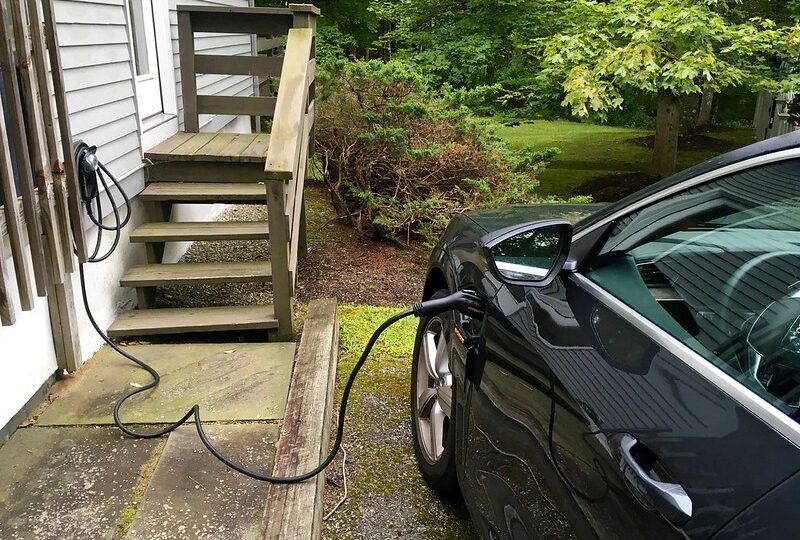
A new study by MIT researchers looked at the potential for grid-edge resources to enhance the ability of the electric grid to respond to unforeseen power outages.  Grid-edge resources are devices found close to consumers rather than located near central power plants, substations, or transmission lines.  These include residential solar panels, storage batteries, electric vehicles, heat pumps, smart thermostats and smart water heaters.

These grid-edge devices can independently generate, store, or tune their consumption of power and increasingly, they are online internet-of-things devices.  The MIT study outlined a blueprint for how such devices could reinforce the power grid through a local electricity market.  Owners of grid-edge devices could subscribe to such a market and essentially loan out their device as part of a microgrid or local network as on-call energy resources.

Electric vehicles could provide power rather than consuming it when necessary.  Storage batteries could do the same.  Devices like smart dishwashers and thermostats would reduce their power demands when necessary.

In the event that the main power grid is compromised, an algorithm would determine which grid-edge devices were available and trustworthy and would either use them to pump power into the grid or reduce the power they are drawing from it in order to help mitigate the power failure. 

The MIT researchers illustrated this grid resilience strategy through a number of grid attack scenarios including failures from cyber-attacks and natural disasters.   Their analysis showed that various networks of grid-edge devices are capable of defeating various types of grid failures.

**********

Web Links

Rooftop panels, EV chargers, and smart thermostats could chip in to boost power grid resilience

Photo, posted October 10, 2019, courtesy of Noya Fields via Flickr.

Earth Wise is a production of WAMC Northeast Public Radio
Mangrove forests and rising seas

December 6, 2024 By EarthWise Leave a Comment

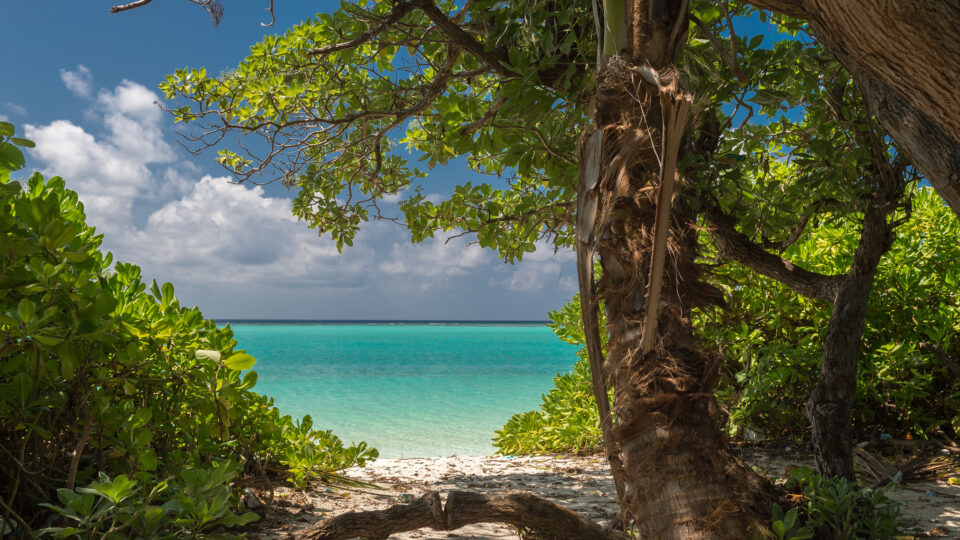
Mangrove forests are drowning in the Maldives

Mangrove forests play a vital role in the health of our planet.  They protect coastal regions by acting as natural barriers against storms, erosion, and flooding. The intricate root systems of mangrove forests, which allow the trees to handle the daily rise and fall of tides, also serve as biodiversity hotspots, attracting fish and other species seeking food and shelter from predators.

But mangrove forests around the world are under increasing threat from deforestation, coastal development, and climate change.  In fact, according to a new study led by researchers from Northumbria University in England, the mangrove trees in the Maldives are actually drowning. 

The research, which was recently published in the journal Scientific Reports, found that sea levels around the Maldives rose more than 1.18 inches per year from 2017 to 2020.  An unusually intense climate phenomenon, known as the Indian Ocean Dipole, occurred toward the end of this period, causing warmer sea surface temperatures and an increase in sea level in the Western Indian Ocean. 

While mangrove forests can naturally keep pace with gradually rising seas, this rate of sea level rise was too fast.  The rising sea level meant that seawater effectively flooded mangrove forests, causing many trees to lose their resilience and die.  Some islands in the Maldives have lost more than half of their mangrove cover since 2020.

Since mangrove forests also store massive amounts of carbon, the research team fears that the loss of mangrove forests could release large amounts of carbon, further accelerating climate change.

The researchers warn that the findings in the Maldives could have implications for coastal ecosystems around the world.

**********

Web Links

“Drowning” mangrove forests in Maldives signal global coastal threat

Photo, posted February 11, 2015, courtesy of Alessandro Caproni via Flickr.

Earth Wise is a production of WAMC Northeast Public Radio
Electric cars and power outages

October 21, 2024 By EarthWise Leave a Comment

Examining the resiliency of electric cars during power outages

As more and more cars are powered by electricity instead of gasoline, people are beginning to worry about what happens during power outages caused by storms and other disruptive events.  It is easy to jump to the conclusion that this is a brand-new problem for drivers.  However, when electricity goes out over a sizeable area, most gas pumps stop working and it isn’t easy to keep gas cars running either.

Electric cars are often charged at home every day and such cars are more likely to be almost fully charged than nearly depleted at any time.  For those drivers, a power failure is unlikely to be much of a concern unless it persists for a very lengthy period.  On road trips, unless a power outage extends over a very wide area, one can probably get to a charger that is still operating.

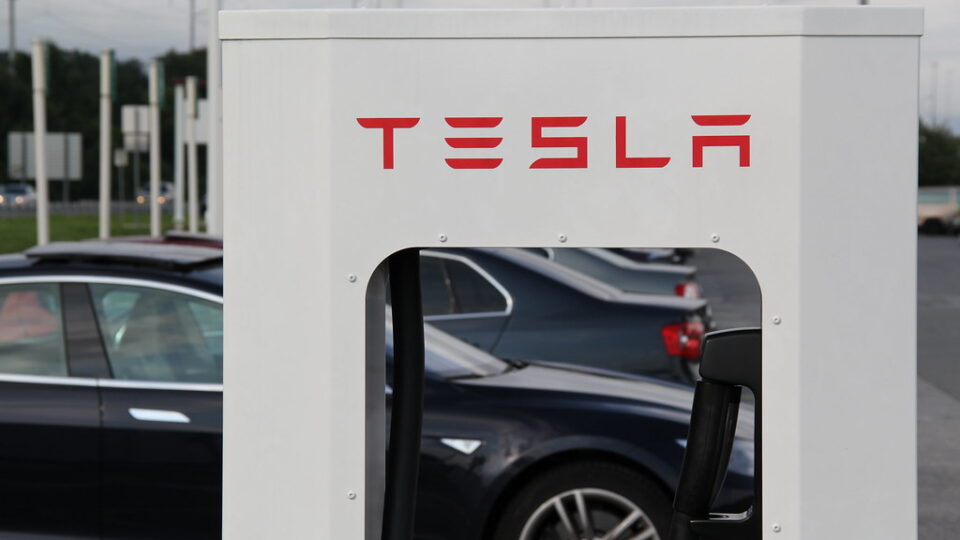
Nonetheless, the federal government has commissioned researchers at Iowa State University to study potential solutions to possible difficulties in keeping electric cars running during power failures.  The goal of the study is to find ways to reduce the outage frequency of chargers by 75% and the power restoration time by 50%.

The study will evaluate the resiliency of charging stations in extreme weather events and identify ways to quickly restore power to charging stations in the event of outages.  Included are onsite solar power and battery storage at chargers as well as redundant power lines from different electrical substations.  There is even the possibility  of trucks delivering pre-charged batteries to charging stations after a storm.  Identifying and developing technologies to improve the resilience of charging stations is an important goal as the transition to electric vehicles continues.

***********

Web Links

Researchers working to keep electric vehicles charging, even when the lights go out

Photo, posted July 29, 2013, courtesy of Jeff Cooper via Flickr.

Earth Wise is a production of WAMC Northeast Public Radio
Climate-smart coffee

August 30, 2024 By EarthWise Leave a Comment

Growing climate-smart coffee

Do you crave that morning cup of coffee?  You’re not alone, and not by a long shot.  In fact, more than 2.2 billion cups of coffee are consumed globally every day. 

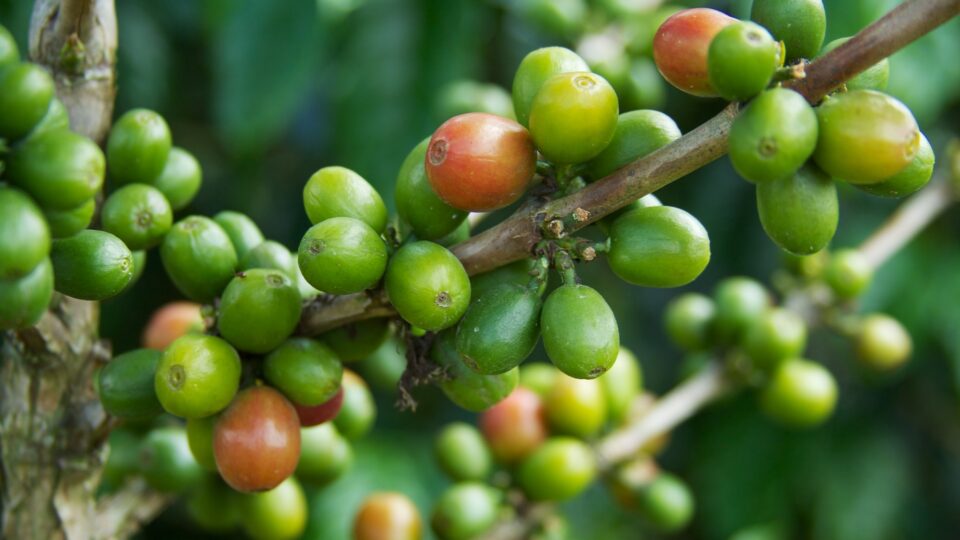
The existing coffee market is dominated by two species: Coffea arabica and Coffea canephora (the latter commonly called robusta).  Historically, coffee drinkers have preferred Arabica beans for their specific flavor and aroma. 

But climate change is threatening many crops around the world, and maybe none more so than coffee.  In fact, an alarming 50% of suitable coffee-growing land is projected to be lost by 2050.  As a result, scientists see two alternatives to supplement Arabica: either adapt coffee farming practices to new environments, or focus on coffee species that are more resilient.

According to a new study led by researchers from the University of Florida, Robusta coffee might be a good candidate to augment Arabica.   The researchers evaluated Robusta and Arabica for multiple traits in three high-altitude locations in Brazil over five years.

The study, which was recently published in the journal Crop Science, found that Robusta is highly adaptable and grows in high-altitude regions, which means it combines good production and flavor scores.  According to the researchers, Robusta can combine the following three elements for coffee cultivars: Sustainability (produce more with fewer inputs), quality (good flavor to meet consumer demand), and plasticity (capacity to adapt to new production systems).

Following these favorable findings with Robusta in Brazil, the scientists will test whether the species can grow in Florida.

**********

Web Links

Robust and smart: Inference on phenotypic plasticity of Coffea canephora reveals adaptation to alternative environments

UF scientists study how to bring you ‘climate-smart coffee’

Photo, posted May 23, 2013, courtesy of McKay Savage via Flickr.

Earth Wise is a production of WAMC Northeast Public Radio
How to make cities cooler

March 26, 2024 By EarthWise Leave a Comment

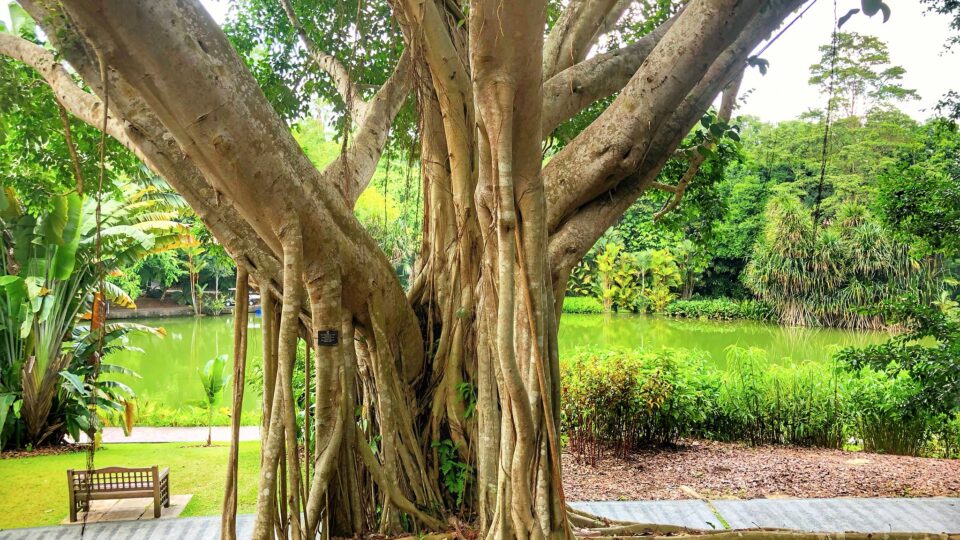
Green spaces and waterways help keep cities cool

In cities, the air, surface, and soil temperatures are almost always warmer than in rural areas. This is known as the urban heat island effect.  Urban heat islands occur when cities replace natural land cover with dense concentrations of pavement, buildings, and other surfaces that absorb and retain heat.

Urban planners around the world have been researching ways to reduce the effects of heat in cities.  For example, trees, green roofs, and vegetation can help reduce urban heat island effects by shading building surfaces, deflecting radiation from the sun, and releasing moisture into the atmosphere.

A new study led by researchers from the University of Surrey in the U.K. has analyzed how well various green spaces and waterways are able to cool down cities.  The study, which was recently published in the journal The Innovation, found that wetlands, parks, and even botanical gardens are among the best ways to keep cities cool.   

In fact, the researchers found that botanical gardens can cool city air by a whopping 9°F during heatwaves on average.  Wetlands can cool city air by 8.5°F on average, followed by rain gardens at 8.1°F, green walls at 7.4°F, street trees at 6.8°F, city farms at 6.3°F, city parks at 5.8°F, and reservoirs and playgrounds at 5.2°F. 

The researchers also found that cities can unlock even greater benefits by connecting green spaces into green corridors.  Greening projects can also help remove carbon emissions and prevent flooding.

The research team hopes its findings will help urban planners design more resilient cities. 

**********

Web Links

Wetlands, parks and even botanical gardens among the best ways to cool cities during heatwaves

Photo, posted April 25, 2022, courtesy of Catherine Poh Huay Tan via Flickr.

Earth Wise is a production of WAMC Northeast Public Radio
New York is raising its shoreline

January 18, 2024 By EarthWise Leave a Comment

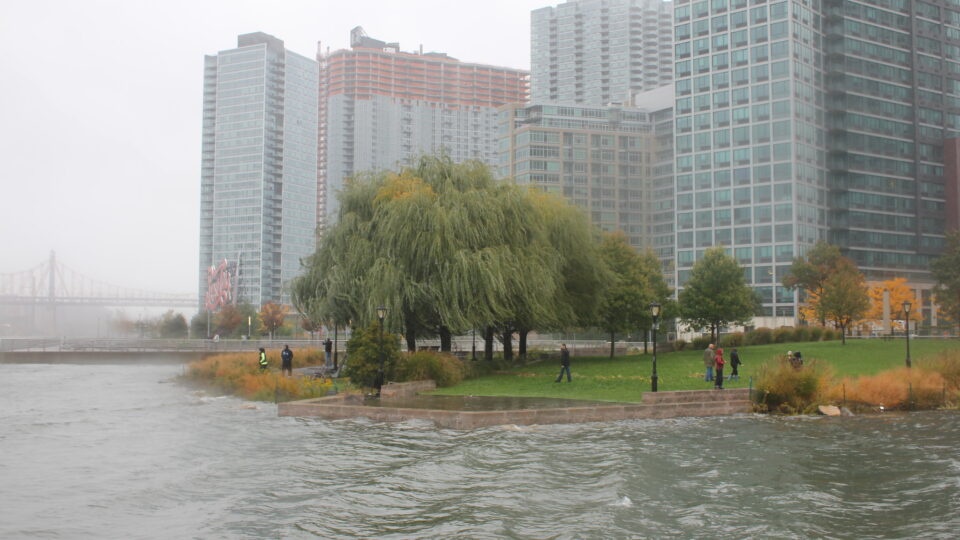
Superstorm Sandy in 2012 flooded 17% of New York City and caused $19 billion in damage.  In its aftermath, plans emerged to create floodwalls, raised elevations, high-capacity drainage, and other infrastructure to protect the city from future Sandy-like events.

Like all large infrastructure projects in densely populated places, the remaking of New York’s shoreline has only moved along in fits and starts.  But there has been significant progress.

The East Side Coastal Resiliency (ESCR) project is the largest urban resiliency project currently underway in the United States.  The first piece of it – the Asser Levy renovation – was completed in 2022.  Over the next three years, the $1.8 billion ESCR will reshape two-and-a-half miles of Lower Manhattan’s shoreline.  The ESCR is just one part of a much larger $2.7 billion initiative called the BIG U, which is a series of contiguous flood resilience projects that will create 5.5 miles of new park space specifically designed to protect over 60,000 residents and billions of dollars in real estate against sea level rise and storm surges. 

In a time of rising seas and increasingly powerful storms, flood-prone coastal U.S. cities – including Boston, Norfolk, Charleston, Miami, and San Francisco – are moving toward embracing the long-held Dutch concept of “living with water”, which emphasizes infrastructure that can both repel and absorb water while also providing recreational and open space.

**********

Web Links

After a Decade of Planning, New York City Is Raising Its Shoreline

Photo, posted November 1, 2012, courtesy of Rachel via Flickr.

Earth Wise is a production of WAMC Northeast Public Radio
The Collapse of Northern California Kelp Forests | Earth Wise

March 30, 2021 By EarthWise Leave a Comment

The California kelp forests are collapsing

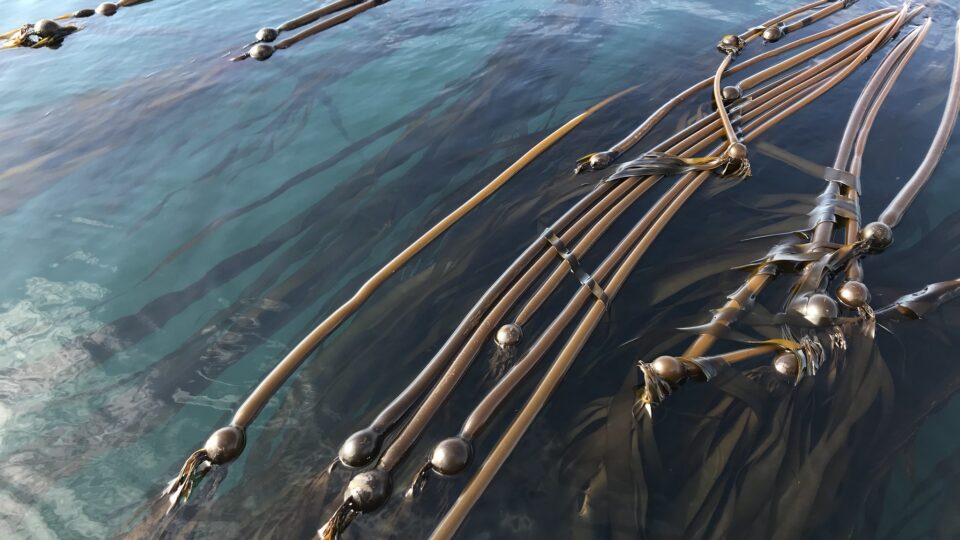
For thousands of years, thick canopies of kelp formed an underwater forest spanning the coast of Northern California.  Kelp is the cornerstone of a rich subtidal community, providing food and habitat for all sorts of marine creatures.  But in recent years, a shocking transformation has occurred.  Satellite imagery reveals that the area covered by kelp forests off the coast of Northern California has declined by more than 95%.  Only a few small, isolated patches remain.  

In a new study, researchers at the University of California Santa Cruz found that the kelp forest decline was an abrupt collapse as opposed to a gradual decline. 

According to the study, which was recently published in the journal Communications Biology, kelp forests north of San Francisco were resilient to warming events in the past, like El Niños and marine heatwaves. But the decline of a key sea urchin predator – the sunflower sea star – from sea star wasting disease caused the kelp forests’ resiliency to plummet.  Sea urchins are voracious consumers of kelp.     

But it was a series of events – not just the sea urchins – that combined to decimate the Northern California kelp forest.   A marine heatwave that became known as “the blob” developed in 2014 and moved down the West Coast in 2015.  Around the same time, a strong El Niño event developed and brought warmer water up the coast from the south.  The warming ocean waters combined with the ravenous sea urchin population resulted in the dramatic decline of kelp. 

According to researchers, the prospects for a Northern California kelp forest recovery remain poor unless sea urchin predators return to the ecosystem. 

********** 

Web Links

The collapse of Northern California kelp forests will be hard to reverse

Photo, posted August 13, 2019, courtesy of Sara Hamilton of OSU College of Science via Flickr.

Earth Wise is a production of WAMC Northeast Public Radio.


Primary Sidebar

Recent Episodes

  • An uninsurable future
  • Clean energy and jobs
  • Insect declines in remote regions
  • Fossil fuel producing nations ignoring climate goals
  • Trouble for clownfishes

WAMC Northeast Public Radio

WAMC/Northeast Public Radio is a regional public radio network serving parts of seven northeastern states (more...)

Copyright © 2026 ·