• Skip to primary navigation
  • Skip to main content
  • Skip to primary sidebar

Earth Wise

A look at our changing environment.

  • Home
  • About Earth Wise
  • Where to Listen
  • All Articles
  • Show Search
Hide Search
You are here: Home / Archives for refugees

refugees

Microplastics and antibiotic resistance

April 14, 2025 By EarthWise Leave a Comment

Microplastics are a real problem.  They are pretty much everywhere.  They are in our food, in the oceans, on mountains, up in the clouds, and most alarmingly, in our bodies.  All of that is already bad news, but researchers at Boston University have found that microplastics may also be contributing to antibiotic resistance in dangerous bacteria.

The researchers observed that bacteria exposed to microplastics become resistant to multiple types of antibiotics commonly used to treat infections.  Bacteria can become resistant to antibiotics for a number of reasons, including misuse and overprescribing of medications.  However, a major factor influencing antibiotic resistance is the microenvironment – the immediate surroundings of a microbe – which is where bacteria and viruses replicate.

The Boston University study tested how the common bacterium E. coli reacted to being in a closed environment with microplastics.  The plastics provide a surface that the bacteria can attach to and colonize.  When attached to a surface, bacteria create a sticky substance called a biofilm that acts like a shield, protecting the bacteria and keeping them affixed securely.  The tests showed that microplastics supercharged the biofilms so much that when antibiotics were introduced, they were unable to penetrate the shield.

Microplastics are everywhere, but they are especially prevalent in impoverished places where sanitation may be limited.  Refugees, asylum seekers, and forcibly displaced populations are already at increased risk of contracting drug-resistant infections.  The prevalence of microplastics adds another risk to the already difficult lives of these people.

**********

Web Links

Microplastics Could Be Fueling Antibiotic Resistance, BU Study Finds

Photo, posted May 15, 2021, courtesy of Felton Davis via Flickr.

Earth Wise is a production of WAMC Northeast Public Radio
Sea Level Rise And Global Security | Earth Wise

March 22, 2023 By EarthWise Leave a Comment

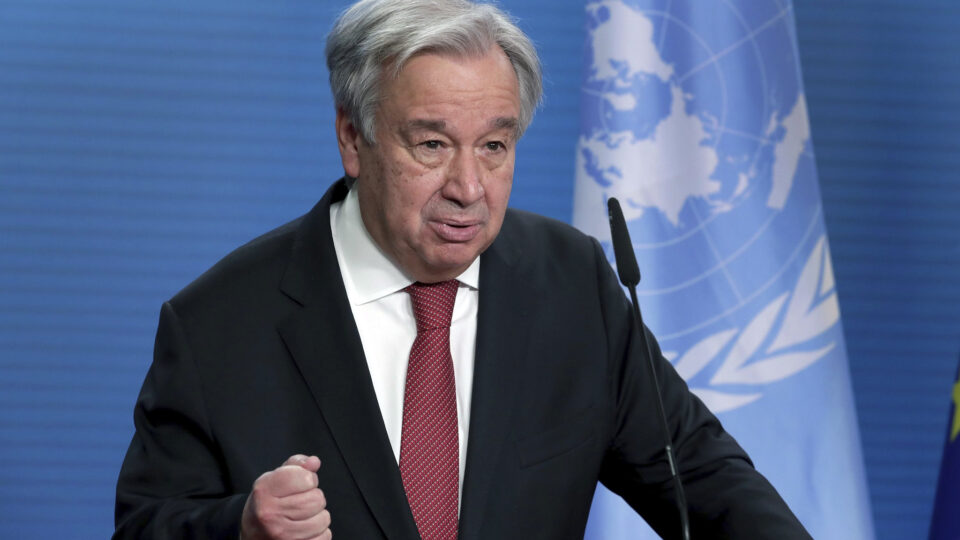
Recently, United Nations General Secretary Antonio Guterres addressed the U.N. Security Council on the issue of the security threats created by rising sea levels. In the past, some members of the Security Council – notably Brazil, China, Russia, and at times, India – have argued that the U.N.’s climate program should address such issues and that the Security Council doesn’t have a mandate or the expertise to consider the issue.   The underlying problem is that by addressing the security issues created by rising seas, other sensitive geopolitical issues might come to the forefront.

Guterres’ speech focused on the real possibility that rising seas could disrupt and destabilize global societies unless there is an organized international effort to get ahead of the problem.  Major cities facing serious impacts from rising seas include Cairo, Lagos, Bangkok, Jakarta, Mumbai, Shanghai, Copenhagen, London, Los Angeles, New York, and Buenos Aires, among others.

In all, Guterres said that the danger is most acute for about 900 million people living in low-lying coastal areas.  Some countries, particularly small island developing countries, could disappear entirely.

The world is already facing refugee crises related to politics, warfare, and extreme weather.  The flood of refugees created by rising seas could be biblical in magnitude.

The confluence of climate change and global security is growing steadily.  As the global body primarily responsible for maintaining international peace and security, the U.N. Security Council cannot duck this issue much longer.  It has a critical role to play in building the political will required to address the security challenges looming from rising seas.

**********

Web Links

Sea Level Rise Could Drive 1 in 10 People from Their Homes, with Dangerous Implications for International Peace, UN Secretary General Warns

Photo, posted July 19, 2021, courtesy of Face of the World via Flickr.

Earth Wise is a production of WAMC Northeast Public Radio
The Scourge Of Salt | Earth Wise

June 10, 2022 By EarthWise Leave a Comment

Salt will plague many communities and countries in the future

Rising seas are increasing saltwater intrusion on land and rising temperatures are causing greater evaporation.   The result is mounting levels of salt in waters and in soils.

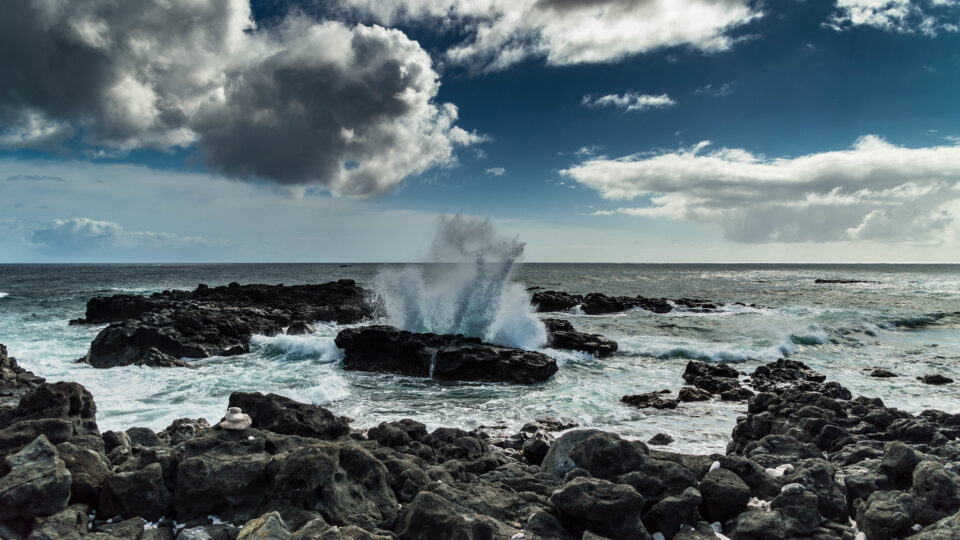
Rising sea levels cause salty ocean water to push further into river deltas.  There is already a surge in saltiness across all inhabited continents.   Seawater works its way further upstream when dams hold back water.  Pumps that remove fresh water from underground sources for irrigation and drinking supplies add to the problem.  In dry regions, irrigation systems delivering water to crops increasingly bring salt onto fields.

People add to the problem by pouring saline drainage water from mines into rivers and by using salt to de-ice roads in the winter.

A modeling study pinpointed hotspots for climate change-induced salinization in numerous locations including the U.S. Southwest, wide areas of Australia, Mexico, South Africa, Brazil, central India, northern China, and more.

Some ecosystems are adapted to saline environments but major alterations in the balance between saline and fresh water is creating growing problems for ecosystems, lake fisheries, crop growing, and even human health.

The damage caused by salt is likely to be so severe that salinization will become a major cause of environmental refugees when the land they live on can no longer sustain them. 

Salt will be a growing threat to the world’s food supplies, especially where farmers depend on artificial irrigation.  About a third of the world’s food is grown in irrigated fields, and a fifth of those fields are deemed to already be salt-contaminated.  Ultimately, only a halt to climate change will be capable of combatting the scourge of salt.

**********

Web Links

Salt Scourge: The Dual Threat of Warming and Rising Salinity

Photo, posted June 3, 2017, courtesy of Jason Jacobs via Flickr.

Earth Wise is a production of WAMC Northeast Public Radio.

Endangered Language Species

January 14, 2019 By EarthWise Leave a Comment

There are approximately 7,000 languages spoken in the world today but only about half of them are expected to survive this century.  There are many factors contributing to the decline in languages.  Perhaps the most significant is globalization, which pushes countries and individuals to shift to national or international languages for economic reasons.   Other factors include the lack of support for regional languages in educational systems and mass media, persecution of minority linguistic groups by governments, and disruption of communities during war and emigration.

Predicting which languages will survive and which won’t is difficult.  A potential tipping point for languages is the same one affecting the survival of species:  climate change.  Many small linguistic communities are located on islands and coastlines that are vulnerable to hurricanes and rising sea levels.  Other communities live in places where increases in temperatures and erratic rainfall threaten traditional farming and fishing economies.

These climate-related changes will force communities to relocate,creating climate change refugees. Dispersing these people will lead to the splintering of linguistic communities and the need for the use of other languages.  Such changes will place additional pressures on languages that are already struggling to survive.

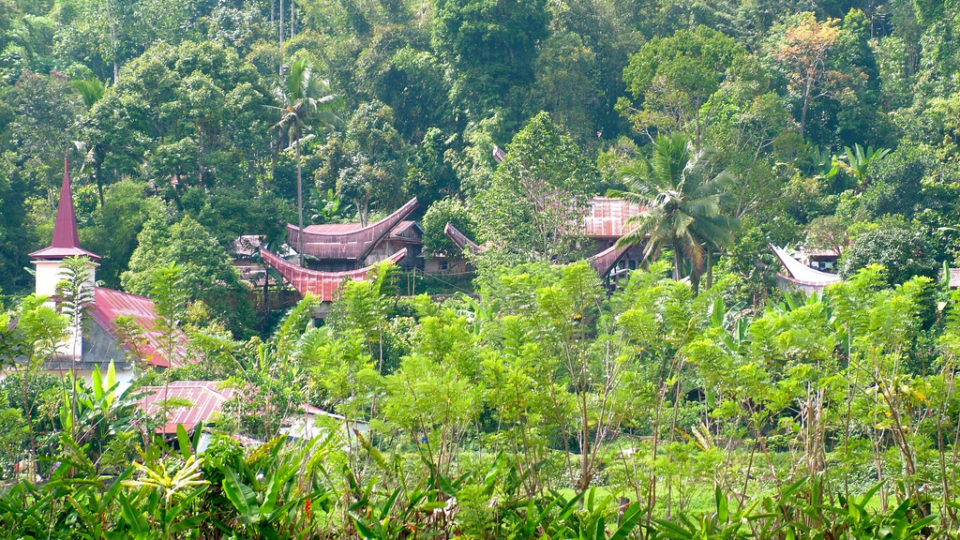
There are endangered languages in many places around the world.  Some are exotic such as the island of Sulawesi in Indonesia, which is home to dozens of distinct languages spoken by no more than a few thousand people. Others are much closer to home, such as in indigenous communities in Canada.

The rich tapestry of human language is just another of many things threatened by the changing climate.

**********

Web Links

The Conversation: The impact of climate change on language loss

Photo, posted May 19, 2009, courtesy of Flickr. 

Earth Wise is a production of WAMC Northeast Public Radio.

Fencing Out People And Animals

February 2, 2017 By EarthWise

https://earthwiseradio.org/wp-content/uploads/2017/02/EW-02-02-17-Fencing-Out-People-and-Animals.mp3

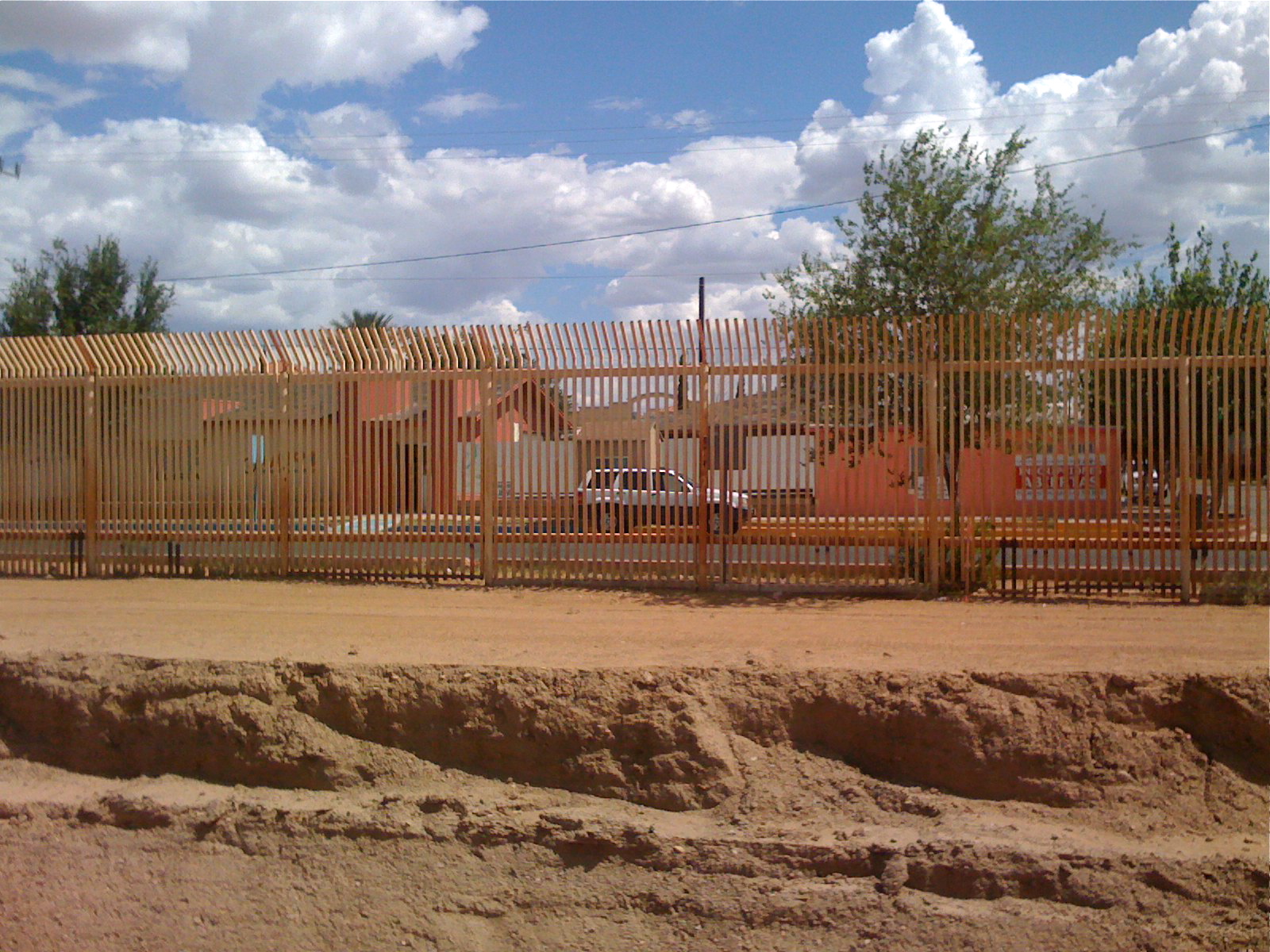
The flood of refugees from the Middle East and Africa has prompted governments in the Balkan countries to erect hundreds of miles of border fences.  Countries like Slovenia have put up razor-wire security fences to stem the tide of migrants.  These border fences are built with little if any consideration of the environmental impacts on wildlife.

[Read more…] about Fencing Out People And Animals

Primary Sidebar

Recent Episodes

  • An uninsurable future
  • Clean energy and jobs
  • Insect declines in remote regions
  • Fossil fuel producing nations ignoring climate goals
  • Trouble for clownfishes

WAMC Northeast Public Radio

WAMC/Northeast Public Radio is a regional public radio network serving parts of seven northeastern states (more...)

Copyright © 2026 ·