• Skip to primary navigation
  • Skip to main content
  • Skip to primary sidebar

Earth Wise

A look at our changing environment.

  • Home
  • About Earth Wise
  • Where to Listen
  • All Articles
  • Show Search
Hide Search
You are here: Home / Archives for rains

rains

A lake in Death Valley

March 14, 2024 By EarthWise Leave a Comment

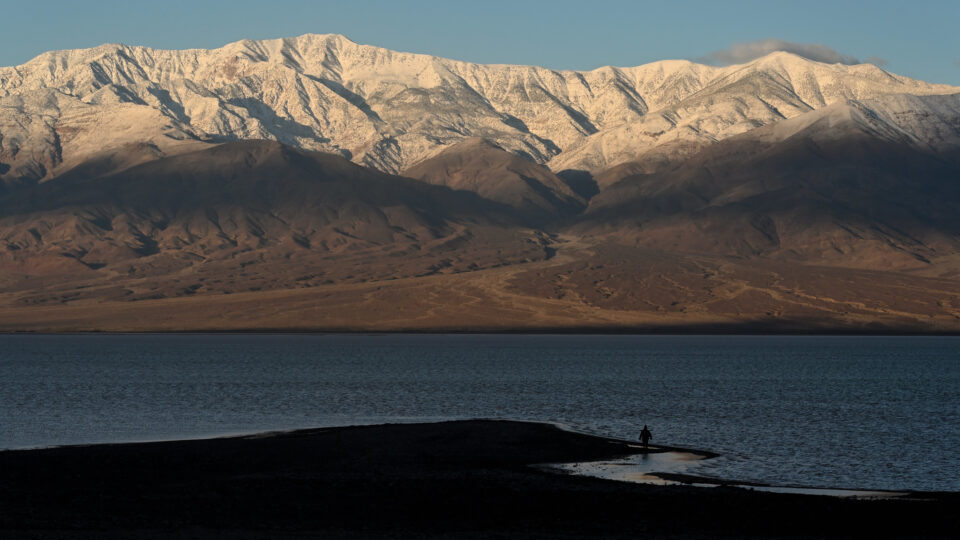
A lake has formed in Death Valley

Death Valley in California is the driest place in North America, averaging only 2 inches of rain each year.  Badwater Basin in Death Valley is the lowest point in North America with a depth of 282 feet below sea level.  Currently, Badwater Basin is the site of an ephemeral lake called Lake Manley.

The lake formed again last August after Hurricane Hilary drenched the California desert.  Water levels in the lake dropped throughout the fall, but it never quite dried up.  But then the relentless rains of early February filled the lake once again.

Water that gathers in Badwater Basin usually evaporates faster than it can be replenished, leaving the lakebed dry.  But between the hurricane and the February storm, nearly 4 inches of rain have fallen, and the lake has stayed alive.  There is a river that feeds the lake – the Amargosa – that is really flowing in the aftermath of the storms.

The lake is nearly 7 miles long and 4 miles wide, but the water is only about a foot deep.  This is not the first time it has formed but it is an unusual occurrence.  It formed in 2005, but only lasted about a week.  Death Valley National Park officials expected that the lake would be gone by October, but it persisted into the new year which then brought the atmospheric river-driven California rainstorms.

At this point, it is unclear how long the lake in the driest place in America will be around.  While it is there, visitors to the national park can enjoy beautiful views of the nearby mountains reflected in its waters.

**********

Web Links

Deep in Death Valley, a Sprawling Lake Takes Form

Photo, posted February 19, 2024, courtesy of Tom Hilton via Flickr.

Earth Wise is a production of WAMC Northeast Public Radio
California: Drought Or No Drought? | Earth Wise

April 26, 2023 By EarthWise Leave a Comment

Despite heavy rains, California is still experiencing a drought

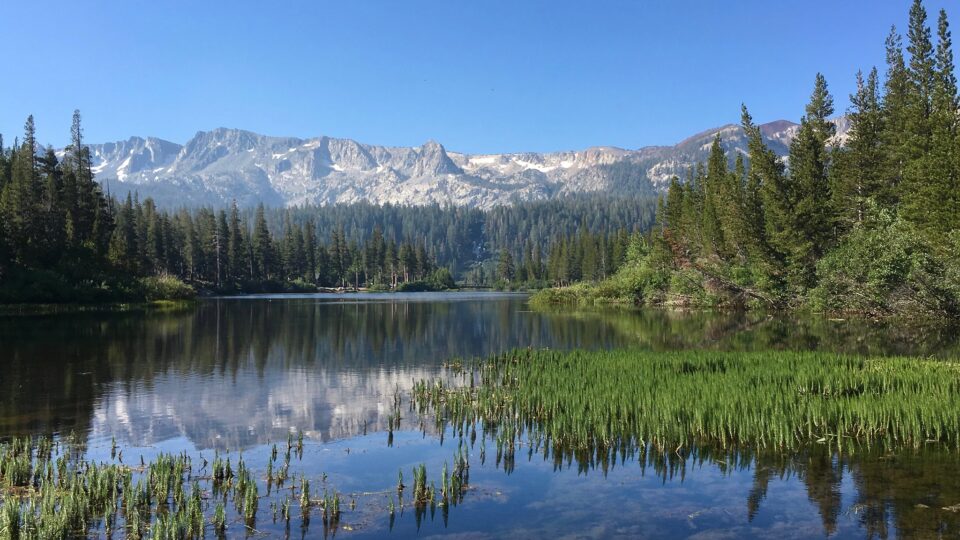
Just a few months ago, millions of people in California were living under challenging water conservation rules.  The past three years were the driest on record and reservoirs were depleted, landscapes dried up, and the snowpack in the Sierras at very low levels.

But in recent months, a dozen atmospheric river storms have brought huge amounts of rain and snow to the state.  Twelve out of 17 major reservoirs in the state have been replenished, the snowpack is over 240% of normal, and brown hills are blooming once again.

So, is the California drought over?  According to the experts, the answer is:  sort of.

The record snowpack and heavy rains have erased the most severe aspects of the drought in many parts of the state.  Only 9% of the state is now experiencing “severe” or “exceptional” drought, down from 55% last fall.

But the changes are basically all at the surface.  Groundwater in the state is still extremely low and the state’s cities and farms are still using more of it than is appropriate.  The state has been unwisely overusing its groundwater aquifers because of the drought and this one year of heavy rains cannot replenish levels that have been dropping for years.

California has been rolling back many of the most severe drought restrictions that had been imposed but has not entirely lifted the drought emergency status.  Meanwhile, the massive snowpack in the mountains will begin to melt as the weather warms and, in many areas, Californians will face flooding.  Water is a complicated business in California.

**********

Web Links

Drought or no drought? California left pondering after record winter deluge

Photo, posted August 28, 2019, courtesy of Joyce Cory via Flickr.

Earth Wise is a production of WAMC Northeast Public Radio
Widespread Drought | Earth Wise

September 7, 2020 By EarthWise Leave a Comment

united states drought

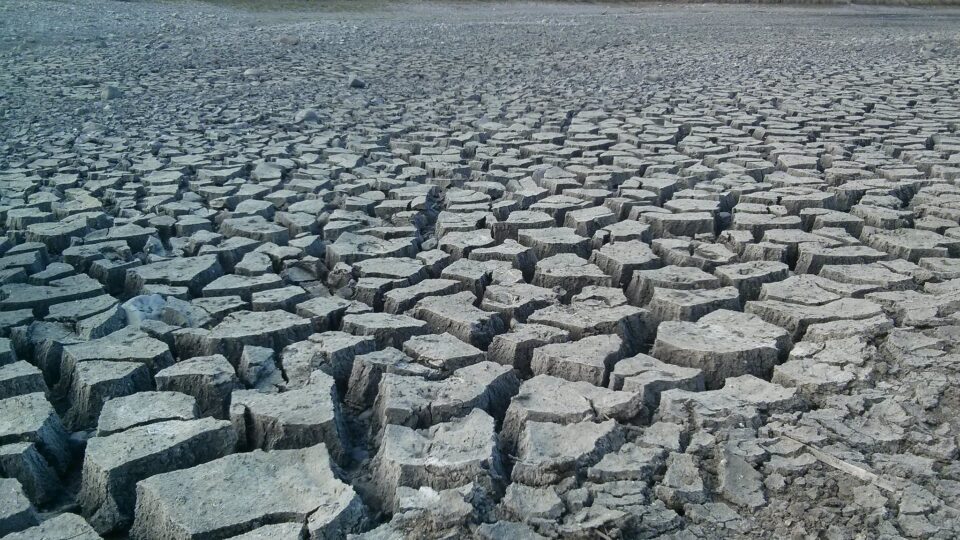
As the U.S. enters the last part of the summer, fully one-third of the country is experiencing at least a moderate level of drought.   Much of the West is reaching severe drought conditions and New England has been unusually dry and hot.  In total, over 50 million Americans are living in drought-affected areas.

According to the U.S. Drought Monitor program, more than 93% of Utah, Colorado, Nevada, and New Mexico are experiencing drought to some degree.  More than 60% of both Utah and Colorado are in severe drought.   More than three-quarters of Oregon, Arizona, and Wyoming are also in drought.  And most of these areas had no sign of drought this time last year.

Severe drought conditions result in stunted and browning crops, limited pasture yields, dust storms, reduced well water levels, and an increase in the number and severity of wildfires.

Warm air temperatures and minimal snowfall in spring set the stage for this summer’s drought conditions.  A ridge of high pressure over the northeastern Pacific Ocean pushed the jet stream farther north than usual.  And, once again, there has been a failure of the southwestern monsoon in Arizona and New Mexico and the Four Corners region.  Monsoon rains provide half of the year’s precipitation in many of those areas. 

Instead, there has been extreme heat in the region.  Phoenix has already smashed the record for the most days over 110oF in a calendar year (42 as of August 18), with five months to go.  Las Vegas hasn’t seen measurable rainfall since April, and Cedar City, Utah has recorded a record low of 0.05 inches of rain this summer.

Conditions are not expected to get better for a couple of months.

**********

Web Links

A Third of the U.S. Faces Drought

Photo, posted May 7, 2014, courtesy of Tyler Bell via Flickr.

Earth Wise is a production of WAMC Northeast Public Radio.

Monster Tumbleweeds

October 18, 2019 By EarthWise Leave a Comment

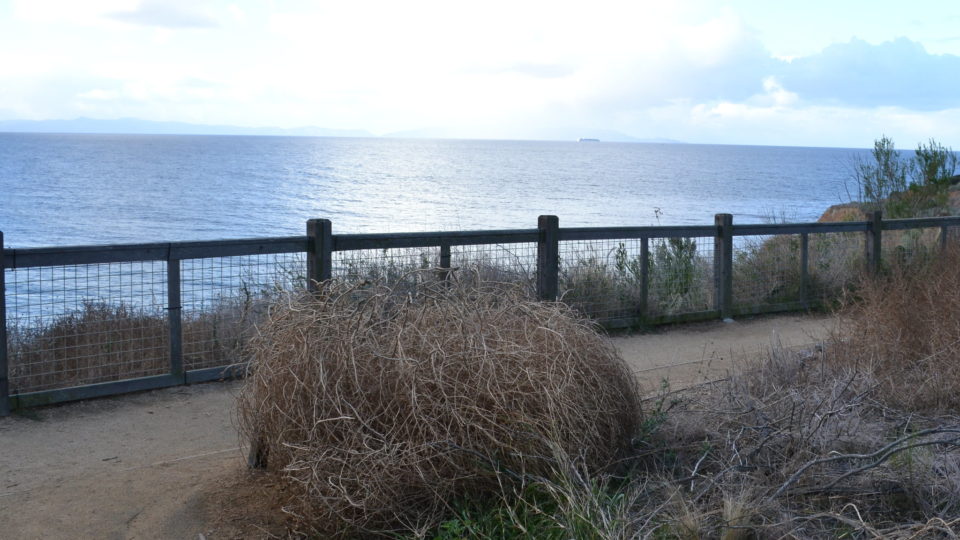
Tumbleweeds have long been seen as symbols of America’s old west.  Tumbleweeds are a structural part of the above-ground anatomy of a number of species of plants known as diaspores.  Diaspores are essentially seed dispersal units.  In a few seed plants, they comprise most or all of the plant.  Once they are mature and dry, they detach from the roots and roll around due to the force of the wind.

There is a new species of gigantic tumbleweed – the Salsola ryanii – that is expanding its territory in the American west.  It is the result of a relatively unusual genetic process known as polyploidy, which produces offspring with multiple sets of chromosomes.  Researchers believe that that the new hybrid species of tumbleweed is healthier than earlier versions.  As a result, one geneticist described Salsola ryanii as a nasty species replacing other nasty species of tumbleweed in the US.

These tumbleweeds can grow up to 6 feet tall.  Tumbleweeds in general are invasive plants that cause traffic accidents, damage agricultural operations, and cause millions of dollars in property damage.  Last year, the town of Victorville in the California desert was buried in them, piling up to the second story of some houses.

Salsola ryanii has a relatively small range, but it is expanding rapidly.  The new study determined that it is more vigorous than its predecessors, which are invasive in 48 states.  The plant is an annual but tends to grow on the later side of winter.  It is one of the only things that is still green in late summer.  With summer rains increasing as the climate changes, these monster tumbleweeds are poised to wreak havoc.   The experts are warning that there should be efforts to suppress them before they take over.

**********

Web Links

Monster tumbleweed: Invasive new species is here to stay

Photo, posted February 27, 2018, courtesy of Tracie Hall via Flickr.

Earth Wise is a production of WAMC Northeast Public Radio.

Primary Sidebar

Recent Episodes

  • An uninsurable future
  • Clean energy and jobs
  • Insect declines in remote regions
  • Fossil fuel producing nations ignoring climate goals
  • Trouble for clownfishes

WAMC Northeast Public Radio

WAMC/Northeast Public Radio is a regional public radio network serving parts of seven northeastern states (more...)

Copyright © 2026 ·