• Skip to primary navigation
  • Skip to main content
  • Skip to primary sidebar

Earth Wise

A look at our changing environment.

  • Home
  • About Earth Wise
  • Where to Listen
  • All Articles
  • Show Search
Hide Search
You are here: Home / Archives for rain gardens

rain gardens

Cities and rainwater

September 24, 2024 By EarthWise Leave a Comment

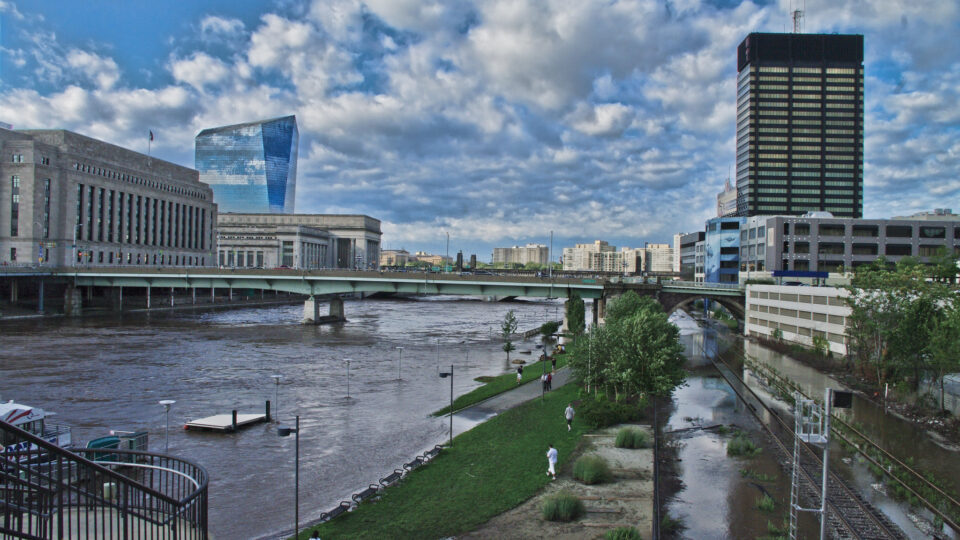
Cities across the country are grappling with the problem that bigger, more frequent rainstorms occurring as a result of climate change are overtaxing the systems put in place to handle stormwater.  Cities use a combination of so-called green infrastructure – such as rain gardens and porous pavements – and traditional gray infrastructure, such as pipes, tunnels, and pump stations.

In 2011, Philadelphia drew national attention for its Green City, Clean Waters program that was designed to manage the increasing amount of storm water using mostly green infrastructure.  Thirteen years later, the city is experiencing billions of gallons of polluted stormwater overflowing its sewage outfall pipes each year.  Green infrastructure is cheaper and faster to build, but it is not coping with increasing rainfall.

About 700 U.S. municipalities, mostly in the Northeast and around the Great Lakes, rely on these combined sewer systems.  Based on updated climate projections, many are having to greatly increase gray infrastructure projects that include concrete holding tanks, tunnels, and pipes that can divert and hold onto flows until the rain stops, and water treatment plants can recover.  These projects can take decades to implement and cost billions of dollars.

All across the country, cities are going to need to bite the bullet and make large-scale investments in conventional sewage infrastructure and repairs to stop billions of gallons of raw sewage from running into rivers.  The increased storms present a daunting challenge for America’s cities.

**********

Web Links

Faced With Heavier Rains, Cities Scramble to Control Polluted Runoff

Photo, posted August 29, 2011, courtesy of Reggie via Flickr.

Earth Wise is a production of WAMC Northeast Public Radio
How to make cities cooler

March 26, 2024 By EarthWise Leave a Comment

Green spaces and waterways help keep cities cool

In cities, the air, surface, and soil temperatures are almost always warmer than in rural areas. This is known as the urban heat island effect.  Urban heat islands occur when cities replace natural land cover with dense concentrations of pavement, buildings, and other surfaces that absorb and retain heat.

Urban planners around the world have been researching ways to reduce the effects of heat in cities.  For example, trees, green roofs, and vegetation can help reduce urban heat island effects by shading building surfaces, deflecting radiation from the sun, and releasing moisture into the atmosphere.

A new study led by researchers from the University of Surrey in the U.K. has analyzed how well various green spaces and waterways are able to cool down cities.  The study, which was recently published in the journal The Innovation, found that wetlands, parks, and even botanical gardens are among the best ways to keep cities cool.   

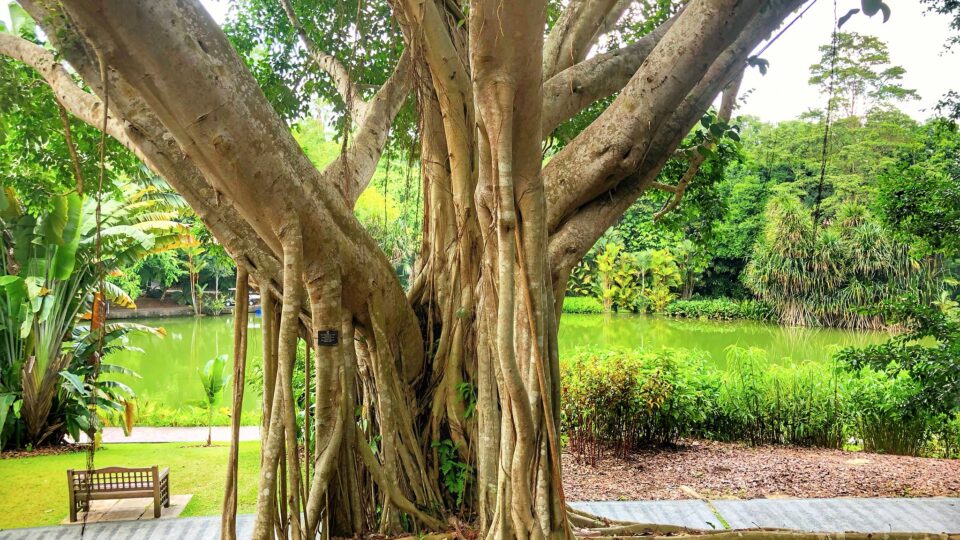
In fact, the researchers found that botanical gardens can cool city air by a whopping 9°F during heatwaves on average.  Wetlands can cool city air by 8.5°F on average, followed by rain gardens at 8.1°F, green walls at 7.4°F, street trees at 6.8°F, city farms at 6.3°F, city parks at 5.8°F, and reservoirs and playgrounds at 5.2°F. 

The researchers also found that cities can unlock even greater benefits by connecting green spaces into green corridors.  Greening projects can also help remove carbon emissions and prevent flooding.

The research team hopes its findings will help urban planners design more resilient cities. 

**********

Web Links

Wetlands, parks and even botanical gardens among the best ways to cool cities during heatwaves

Photo, posted April 25, 2022, courtesy of Catherine Poh Huay Tan via Flickr.

Earth Wise is a production of WAMC Northeast Public Radio
Rain Gardens And Residential Pollution | Earth Wise

July 12, 2023 By EarthWise Leave a Comment

Rain gardens are a solution to residential pollution of waterways

Stormwater runoff has become the largest source of residential pollution for waterways.  As rainwater runs down roofs, over driveways and patios, and off other hard surfaces, it can pick up pollutants as it flows directly into streams, wetlands, lakes, and groundwater aquifers.  That water is typically routed directly through stormwater pipes and ditches with little filtering or treatment.  The main emphasis is on getting the water off of people‘s property as quickly and efficiently as possible to avoid flooding.

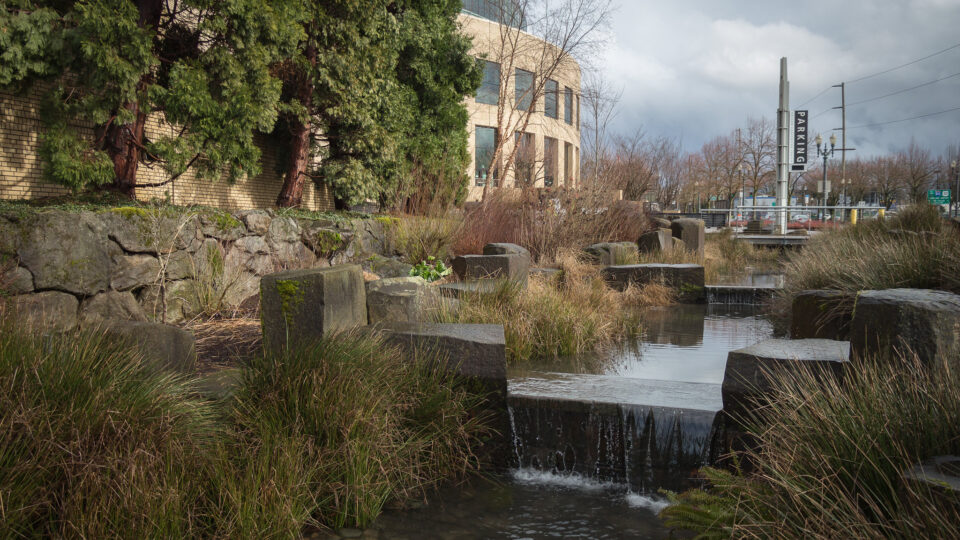
Many municipalities are dealing with the problem by installing rain gardens, which are a type of green infrastructure in commercial spaces that slow down and treat water before it enters streams, wetlands, and other bodies of waters.  When designed and installed properly with appropriate plants, rain gardens are like miniature water treatment facilities   Water gathers in the rain garden, soaks into the soil, and is taken up by plants.  The plants filter nutrients, sediments, and toxic materials from the runoff before excess water ever gets to waterways.

Homeowners are being encouraged to build their own rain gardens.  They need to familiarize themselves with how runoff from their roof, driveway, sidewalk, and roads is currently being routed and treated.  The idea is to try to incorporate that runoff into a rain garden design with sufficient area and infiltration rates.  The runoff would ultimately flow out from a safe, designated location into storm drains at a slower rate than from the previous impervious surfaces.  Homeowners would need to work with their local jurisdictions to find out the requirements for re-routing water in their area and make sure any modifications prevent erosion and protect nearby homes, roads, and other infrastructure.

**********

Web Links

Rain gardens help keep pollutants out of waterways

Photo, posted March 3, 2017, courtesy of Jeremy Jeziorski / Oregon Convention Center via Flickr.

Earth Wise is a production of WAMC Northeast Public Radio
Cleaning Up Storm Water

October 4, 2018 By EarthWise Leave a Comment

https://earthwiseradio.org/wp-content/uploads/2018/09/EW-10-04-18-Cleaning-Up-Storm-Water.mp3

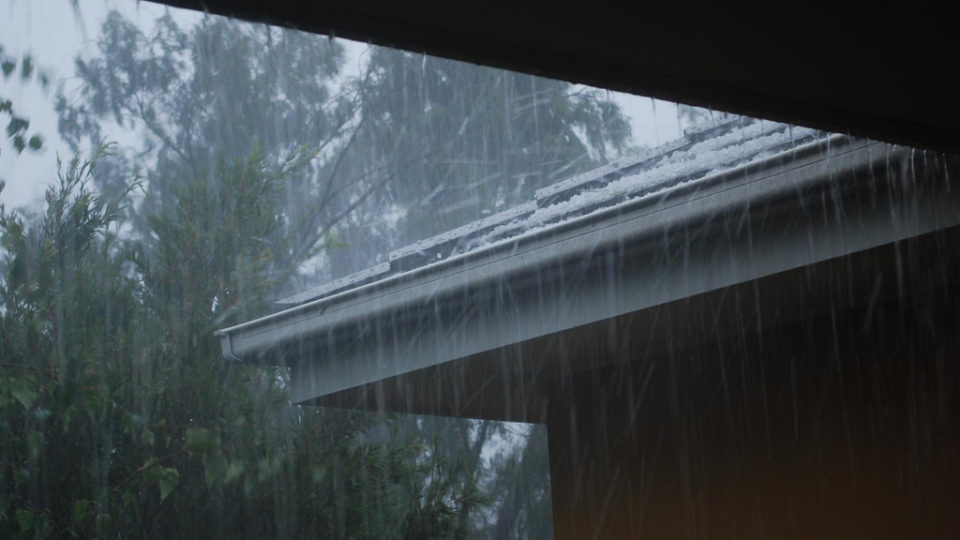
Storm water reclamation is an important activity for cities with limited water resources, such as those in Southern California.   Many places have small-scale reclamation efforts using rain gardens and bioswales.  Collecting storm water on a large scale faces a number of problems.

[Read more…] about Cleaning Up Storm Water

Primary Sidebar

Recent Episodes

  • An uninsurable future
  • Clean energy and jobs
  • Insect declines in remote regions
  • Fossil fuel producing nations ignoring climate goals
  • Trouble for clownfishes

WAMC Northeast Public Radio

WAMC/Northeast Public Radio is a regional public radio network serving parts of seven northeastern states (more...)

Copyright © 2026 ·