• Skip to primary navigation
  • Skip to main content
  • Skip to primary sidebar

Earth Wise

A look at our changing environment.

  • Home
  • About Earth Wise
  • Where to Listen
  • All Articles
  • Show Search
Hide Search
You are here: Home / Archives for radioactive

radioactive

Fusion energy

February 29, 2024 By EarthWise Leave a Comment

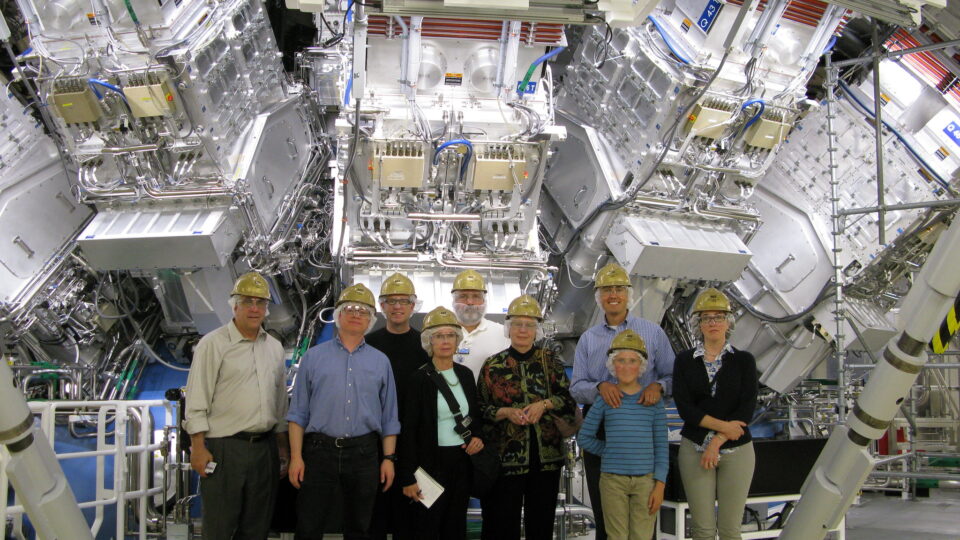
Nuclear fusion is the process that powers the sun.  Two atoms of hydrogen unite to form one helium atom and release energy in the process.  Hydrogen bombs work in this way and since their development in the 1950s, scientists have sought a way to use fusion to generate electricity.  Many scientists believe that the key to a fully decarbonized future is a combination of solar, wind, and fusion power.

Nuclear fusion does not involve radioactivity and thus does not have the dangers associated with the nuclear fission used in existing power plants.  Over the decades, billions of dollars have gone into fusion research, but the challenges faced in peacefully triggering a fusion reaction have made success always seem to be extremely far off in the future.

The world’s largest fusion project – the International Thermonuclear Experimental Reactor or ITER – was initiated in 1985.  The project involves 35 countries, and the reactor, still under construction in France, has yet to deliver any tangible results.

In the past couple of years, there have been important demonstrations of new and different ways to create nuclear fusion.  A system using laser fusion achieved fusion ignition, in which a reaction briefly became self-sustaining.  A system using magnetic confinement fusion produced a plasma that generated 11 megawatts of power for a world-record five seconds.

There are more than 30 companies competing in the race to deliver fusion energy.  Governments and private investors are funding efforts around the world.  Whether any of them will succeed remains to be seen.  The challenges are immense but so are the potential rewards.

**********

Web Links

Will Tech Breakthroughs Bring Fusion Energy Closer to Reality?

Photo, posted July 31, 2010, courtesy of Steve Jurvetson via Flickr.

Earth Wise is a production of WAMC Northeast Public Radio
Rare Earths And The Energy Transition | Earth Wise

May 19, 2023 By EarthWise Leave a Comment

Mining rare earths key to completing the energy transition

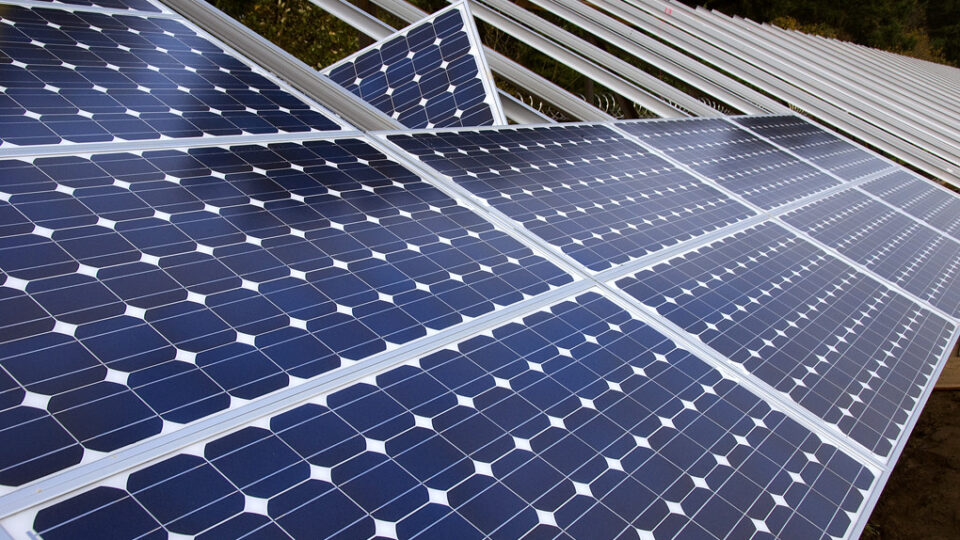
Limiting the rise in global temperature to no more than 1.5 degrees Celsius requires decarbonization.  This means slashing fossil fuel use, switching to renewable energy sources, and electrifying as many sectors of the economy as possible.  Doing these things requires huge numbers of wind turbines, solar panels, electric vehicles, and storage batteries.   All of them use rare earth elements and other critical metals.

The 17 rare earth elements are actually common, but they are called rare because they are seldom found in sufficient quantities to be extracted easily or economically. 

China once supplied 97% of the world’s rare earth elements as a result of government support, cheap labor, lax environmental regulations, and low prices.  Once the world started to realize the dangers of being so dependent on China, many countries began developing their own rare earth element production. (However, today China still produces 60-70% of the world’s rare earth elements).

It is difficult to mine rare earth elements without causing environmental damage.  The prevalent extraction techniques involve toxic chemicals that can leach into the environment and, because rare earths are often found near radioactive elements, mining often brings dangerous radioactive waste into the environment.

Researchers are working on ways to make rare earth mining more sustainable.  Some of these include biomining – which uses microbes to extract rare earths from ores, electrical methods to free rare earths from ores, and so-called agromining, which is growing plants that hyperaccumulate rare earths from the soil into their tissues.

Making rare earth mining more sustainable and less harmful to the environment is an essential part of the world’s future.

**********

Web Links

The Energy Transition Will Need More Rare Earth Elements. Can We Secure Them Sustainably?

Photo, posted November 18, 2008, courtesy of the Oregon Department of Transportation via Flickr.

Earth Wise is a production of WAMC Northeast Public Radio
Wildfires And Superfund Sites | Earth Wise

January 14, 2021 By EarthWise Leave a Comment

Wildfires threaten Superfund sites

Thousands of contaminated sites exist nationally due to hazardous waste being dumped, left out in the open, or otherwise improperly managed. These sites include manufacturing facilities, processing plants, landfills, and mining sites.  A Congressional act in 1980 established authority by the EPA to ultimately clean up these “Superfund” sites.

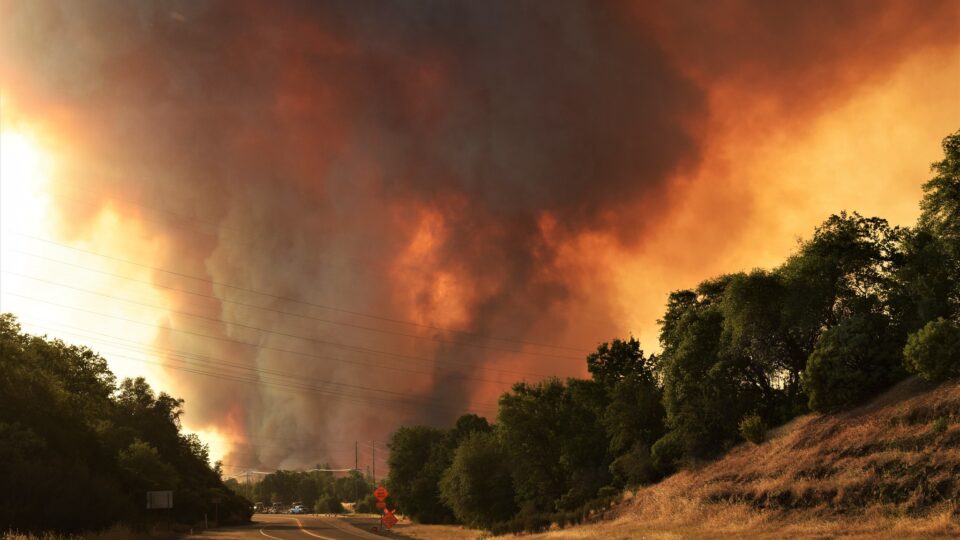
According to a government survey last year, 945 Superfund sites are vulnerable to hurricanes, flooding, sea level rise, increased precipitation, or wildfires, all of which are intensifying as the climate warms.   In particular, there are 245 sites vulnerable to wildfires and 68 of them have recently seen wildfires approach.

A comprehensive investigation by Inside Climate News, NBC News, and the Texas Observer has found that the threat presented by wildfires is exceeding authorities’ ability to adequately prepare and respond.  Fires at Superfund sites could release toxins ranging from acid mine drainage to radioactive smoke.

There have already been a number of close calls.  The 2013 Patch Springs Fire near Salt Lake City came within 10 miles of the Tooele Army Depot, a Superfund site with 902 ammunition bunkers along with soil and groundwater contaminated with hazardous chemicals.

The 2018 Carr Fire in Northern California over swept the Iron Mountain Mine Superfund site and threatened to release corrosive chemicals into the watershed.

For sites where no polluter can be made to pay and the EPA lacks cleanup funds, the agency will need to design protections that shield the sites from wildfires as long as the contamination remains. 

**********

Web Links

Fueled by Climate Change, Wildfires Threaten Toxic Superfund Sites

Photo, posted July 26, 2018, courtesy of the Bureau of Land Management California via Flickr.

Earth Wise is a production of WAMC Northeast Public Radio.

Primary Sidebar

Recent Episodes

  • An uninsurable future
  • Clean energy and jobs
  • Insect declines in remote regions
  • Fossil fuel producing nations ignoring climate goals
  • Trouble for clownfishes

WAMC Northeast Public Radio

WAMC/Northeast Public Radio is a regional public radio network serving parts of seven northeastern states (more...)

Copyright © 2026 ·