• Skip to primary navigation
  • Skip to main content
  • Skip to primary sidebar

Earth Wise

A look at our changing environment.

  • Home
  • About Earth Wise
  • Where to Listen
  • All Articles
  • Show Search
Hide Search
You are here: Home / Archives for quantity

quantity

Harmful algal blooms and climate change

September 5, 2025 By EarthWise Leave a Comment

Harmful algal blooms are occurring more frequently as the climate warms

An algal bloom is a rapid increase in the density of algae in an aquatic system.  Harmful algal blooms occur when bodies of water get overloaded with nitrogen and phosphorus runoff from agriculture and other human activities. These excess nutrients can facilitate the out-of-control growth of cyanobacteria, also known as blue-green algae. 

Some species of blue-green algae produce a toxin called microcystin.  These toxins pose a serious health hazard to people, animals, and the environment.  Microcystin affects liver function and can cause death in animals, as well as humans in rare instances.  A notable incident occurred in the summer of 2014, when cyanobacteria contamination in Lake Erie left 500,000 residents in Ohio and Michigan without water for 72 hours and sickened more than 100 people. 

According to a study led by researchers from Carnegie Science, as climate change warms the earth, higher-latitude regions will be at a greater risk for microcystin produced by algal blooms.  The study found water temperatures of 68 to 77 degrees Fahrenheit as being at the greatest risk for developing dangerous levels of microcystin. 

In the study, which was published in the journal Nature Water, the research team also demonstrated that the areas most susceptible to high toxin concentrations will continue to move northward. And in some areas, researchers say the relative risk of exceeding water quality guidelines will increase by up to 50% in the coming decades.

The research team hopes its findings raise more awareness about water sustainability, and the need to focus on the quality of the water as much as the quantity of water. 

**********

Web Links

Geographic redistribution of microcystin hotspots in response to climate warming

Photo, posted October 27, 2010, courtesy of Nara Souza / Florida Fish and Wildlife Commission via Flickr.

Earth Wise is a production of WAMC Northeast Public Radio
Global Aquaculture And Environmental Change | Earth Wise

August 9, 2023 By EarthWise Leave a Comment

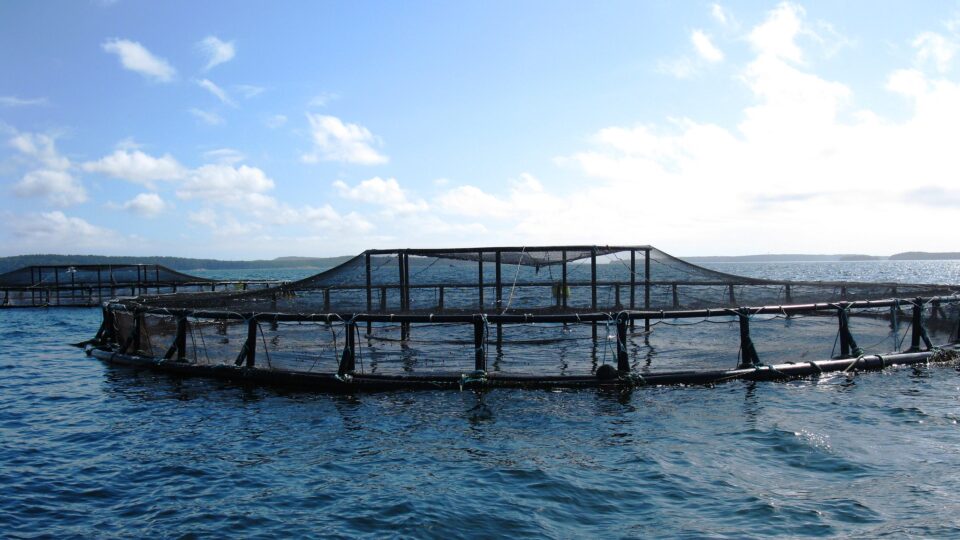
Climate change threatens viability of aquaculture

Blue foods are fish, invertebrates, algae, and aquatic plants that are captured or cultured in freshwater and marine ecosystems.  They include approximately 2,200 species of fish, shellfish, plants and algae as well as more than 500 species farmed in freshwater.  Blue foods play a central role in food and nutrition security for billions of people, and are a cornerstone of the livelihoods, economies, and cultures of many communities around the world.

But many of the world’s largest aquatic food producers are highly vulnerable to human-induced environmental change.  According to a new paper recently published in the journal Nature Sustainability, more than 90% of global blue food production is at risk from environmental changes, with top producers like the United States, Norway, and China facing the biggest threat.  Alarmingly, the research also found that some of the highest-risk countries in Asia, Latin America and Africa demonstrate the lowest capacity for adaptation. 

The paper is the first-ever global analysis of environmental stressors impacting the production quantity and safety of blue foods. A total of 17 anthropogenic stressors were surveyed, including rising seas and temperatures, ocean acidification, changes in rainfall, algal blooms, pollution, and pesticides. 

The research is one of seven scientific papers published by the Blue Food Assessment as part of a global effort to inform future aquatic food sustainability. 

The report calls for more transboundary collaboration and for a diversification of blue food production in high-risk countries to cope with the impact of environmental change. 

**********

Web Links

Vulnerability of blue foods to human-induced environmental change

New research finds that more than 90% of global aquaculture faces substantial risk from environmental change

Photo, posted December 30, 2014, courtesy of NOAA’s National Ocean Service via Flickr.

Earth Wise is a production of WAMC Northeast Public Radio
DNA Analysis of River Water

April 17, 2017 By EarthWise

https://earthwiseradio.org/wp-content/uploads/2017/04/EW-04-17-17-DNA-Analysis-of-River-Water.mp3

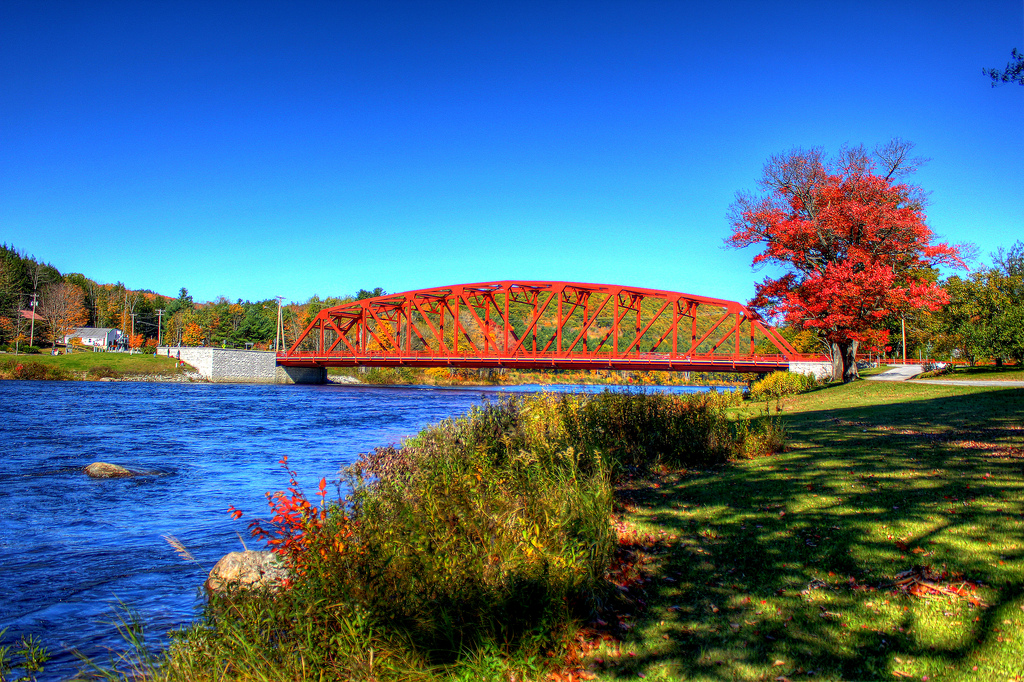
DNA analysis has become commonplace and inexpensive.  Millions of people have their DNA tested to learn about their origins and family connections.  And the technology has spread to biological research in the form of Environmental DNA or eDNA, which is such a powerful tool that it is transforming the field of wildlife biology.

[Read more…] about DNA Analysis of River Water

Primary Sidebar

Recent Episodes

  • An uninsurable future
  • Clean energy and jobs
  • Insect declines in remote regions
  • Fossil fuel producing nations ignoring climate goals
  • Trouble for clownfishes

WAMC Northeast Public Radio

WAMC/Northeast Public Radio is a regional public radio network serving parts of seven northeastern states (more...)

Copyright © 2026 ·