• Skip to primary navigation
  • Skip to main content
  • Skip to primary sidebar

Earth Wise

A look at our changing environment.

  • Home
  • About Earth Wise
  • Where to Listen
  • All Articles
  • Show Search
Hide Search
You are here: Home / Archives for premature death

premature death

Pollution in downwind states

August 26, 2024 By EarthWise Leave a Comment

Pollution in downwind states

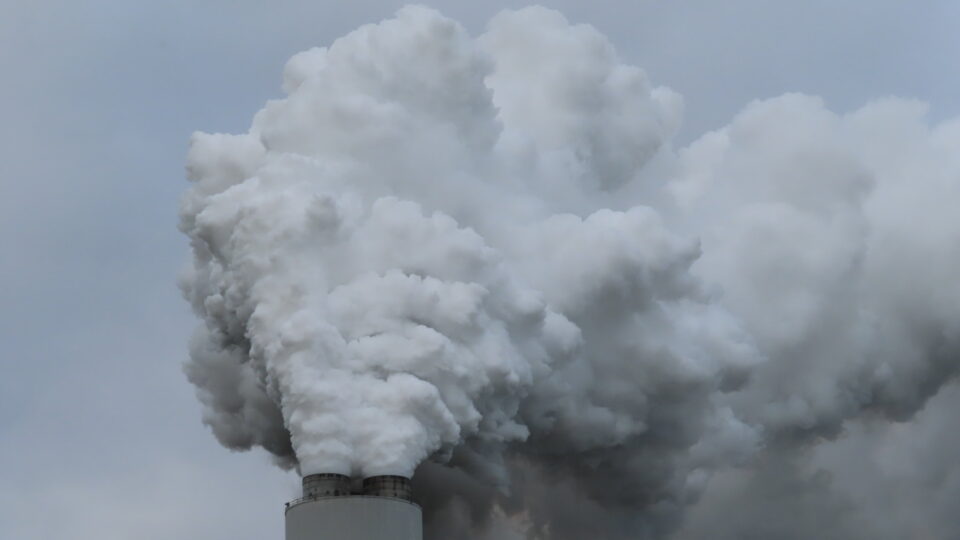
Air pollution is a serious health threat.  It is associated with asthma and can lead to chronic disease, cancer, and premature death.  Globally, air pollution kills 7 to 9 million people, and 200,000 Americans die from it each year.

There are multiple sources of air pollution including automobiles, power plants, and other industrial activities.  Exposure to pollutants such as nitrogen oxide, sulfur dioxide, and particulate matter does not require living or working near their sources.  Winds can carry pollution great distances including across state lines.  

The Clean Air Act included the EPA’s “Good Neighbor Plan”, which requires “upwind” states to implement plans to reduce emissions from power plants and other industrial sources.  However, three states – Indiana, Ohio, and West Virginia – along with various industrial companies and trade organizations sued the EPA when it tried to enforce these plans.  A recent Supreme Court decision to block a federal rule curbing interstate air pollution further complicates efforts to reduce emissions.

As a result, there is a disproportionate burden on downwind states.  They face major challenges in demonstrating and attributing air pollution to sources across state lines and pursuing legal actions to get the EPA to address their problems.

A recent study by the University of Notre Dame looking at all the complex issues related to interstate pollution underscored how the regulatory system continues to be hamstrung when attempting to address a serious threat to human health and the environment.

**********

Web Links

Downwind states face disproportionate burden of air pollution

Photo, posted February 19, 2021, courtesy of David Wilson via Flickr.

Earth Wise is a production of WAMC Northeast Public Radio
The health impacts of gas venting and flaring

April 15, 2024 By EarthWise Leave a Comment

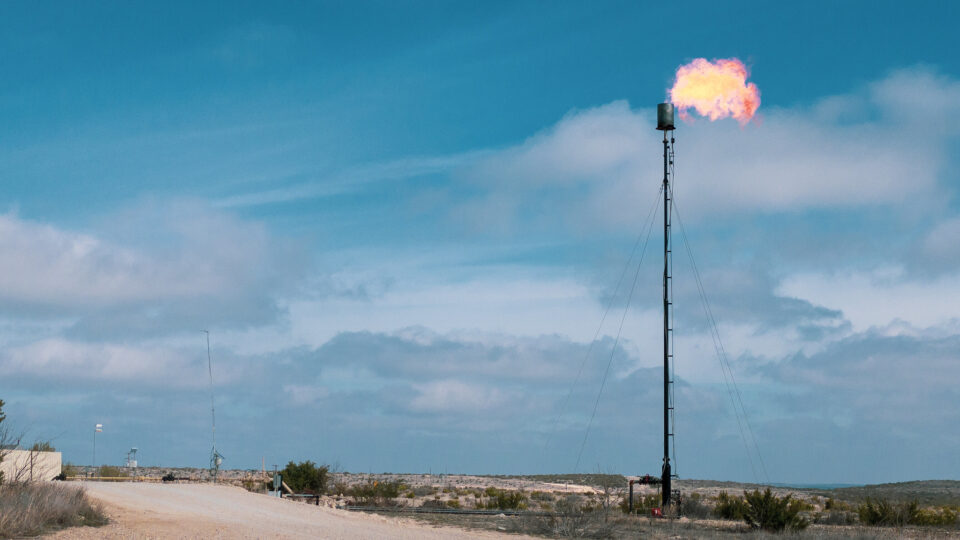
Oil and gas producers around the world use venting and flaring to remove excess natural gas in crude oil production.  Flaring is the process of burning excess natural gas at the production well using a flare to ignite the methane and other components in the gas, while venting is the direct release of natural gas into the atmosphere. 

Both practices are major sources of greenhouse gas emissions contributing to global warming.   Venting and flaring release carbon dioxide and methane – two major greenhouse gases. 

The practices contribute to air pollution in surrounding and downwind communities, resulting in increased risk of hospitalizations, emergency room visits, worsening asthma, and even premature death.  In fact, according to a new study recently published in the journal GeoHealth, pollution from oil and gas venting and flaring results in $7.4 billion in health damages, more than 700 premature deaths, and 73,000 asthma exacerbations among children in the United States annually. 

The study, which was led by researchers at the University of North Carolina, Boston University, and the Environmental Defense Fund, also found that emissions are underreported, and controlling emissions would be profitable for operators and would significantly improve public health.

The research team found that Texas, Pennsylvania, and Colorado had the highest health burdens in this analysis, accounting for 45% of the premature deaths. 

The researchers hope their findings will help improve air quality and human health by reducing emissions from venting and flaring. 

**********

Web Links

New study quantifies health impacts from oil and gas flaring in U.S. 

Photo, posted June 20, 2020, courtesy of Jonathan Cutrer via Flickr.

Earth Wise is a production of WAMC Northeast Public Radio
Air pollution in India

February 19, 2024 By EarthWise Leave a Comment

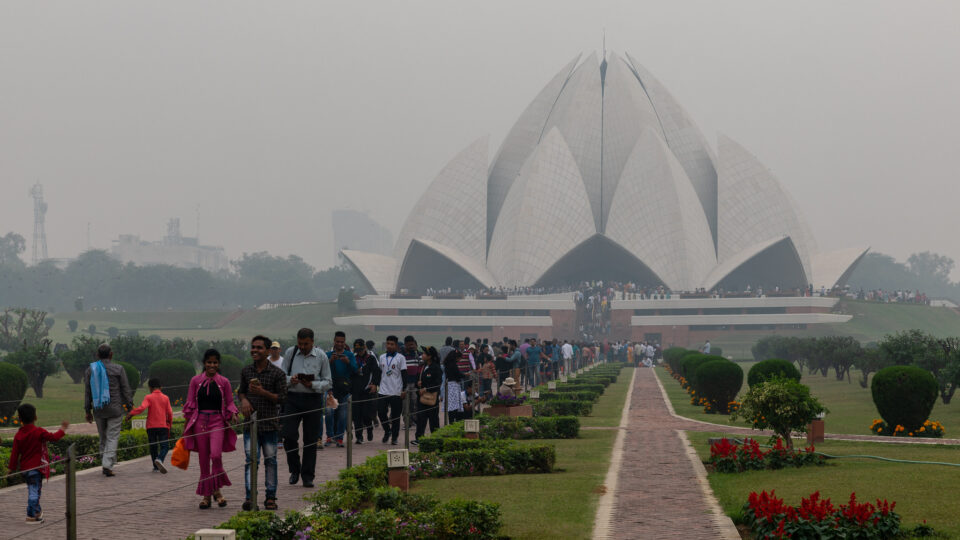
India is one of the world’s most polluted countries.  In fact, of the 30 cities with the worst air pollution around the globe, 21 of them can be found in India. 

India’s capital city, New Delhi, is the most polluted city in the world.  Concentrations of fine particulate matter (known as PM2.5) in Delhi, which is the name of the larger city that includes the capital New Delhi, are nearly 10 times greater than the World Health Organization guidelines. 

To reduce air pollution in Delhi, officials have focused on measures within the city limits, including boosting public transportation and regulating pollution from industry. 

But according to a review carried out by the University of Surrey and regional government officials in Delhi, the city will also need the help of its neighbors to tackle its killer smog problem.  Some of the pollution plaguing Delhi comes from rural areas in the region –  from things like crop burning, wood stoves, and power plants.  The review, which was part of a paper recently published in the journal Sustainable Horizons, also recommends drafting regional air quality plans, producing smog forecasts, and creating airshed councils to help improve coordination. 

Exposure to air pollution can cause all sorts of major health problems, including asthma, respiratory inflammation, as well as  jeopardize lung function, and even promote cancer.  Long-term exposure to PM2.5 is linked to premature death.  In fact, air pollution causes an estimated 670,000 deaths every year in India. 

Since air pollution doesn’t respect boundaries or borders, solutions require collaboration and the need to focus efforts more broadly in order to achieve emissions reduction goals. 

**********

Web Links

Delhi smog: India’s cities must look beyond their limits to clean up air pollution

Photo, posted December 27, 2019, courtesy of Ninara via Flickr.

Earth Wise is a production of WAMC Northeast Public Radio
Air Quality In The U.S.

November 13, 2019 By EarthWise Leave a Comment

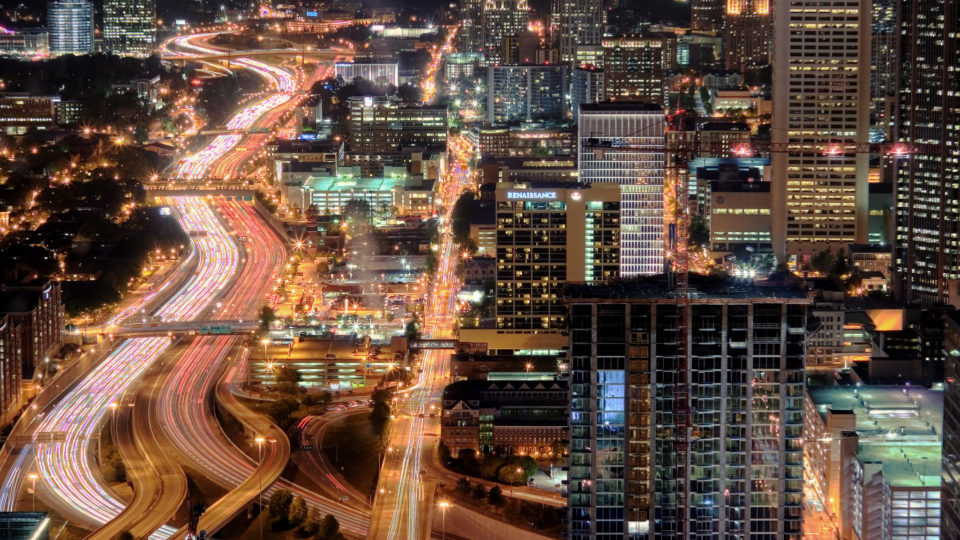
Globally, poor air is a serious problem.  According to the World Health Organization, exposure to air pollution is linked to the premature deaths of an estimated 7 million people every year.  In fact, 91% of the people on the planet live in places where air pollution exceeds WHO guideline limits. 

In the United States, air pollution has dramatically improved over the last four decades due in large part to federal regulations put in place under the Clean Air Act of 1970.  Fine particulate matter (known as PM2.5) and other pollution, including ozone, sulphur dioxide, and nitrogen dioxide, have all decreased during this time span. 

But according to recent research, this trend has unfortunately done an about-face.  New data reveals that air pollution has increased nationally since 2016.  An analysis of Environmental Protection Agency data by researchers at Carnegie Mellon University found that, on average, fine particulate pollution increased 5.5% across the country between 2016 and 2018. 

This increase in fine particulate pollution was associated with nearly 10,000 additional premature deaths in the United States during that time period. 

According to researchers, there are several factors likely causing this uptick in unhealthy air, including increases in both driving and the burning of natural gas.  Wildfires out west are also thought to be a major contributor. 

The researchers also suggest that a decrease in enforcement of the Clean Air Act may also be playing a role.  The law put in place strict air pollution standards for vehicles, factories, power plants, and other sources, and is credited with saving hundreds of thousands of lives.

It’s time for clean air to be recognized as a basic human right.

***********

Web Links

America’s Air Quality Worsens, Ending Years of Gains, Study Says

Photo, posted April 6, 2007, courtesy of Brett Weinstein via Flickr.

Earth Wise is a production of WAMC Northeast Public Radio.

Cleaning Up Shipping Fuel

August 21, 2018 By EarthWise Leave a Comment

https://earthwiseradio.org/wp-content/uploads/2018/08/EW-08-21-18-Cleaning-Up-Shipping-Fuel.mp3

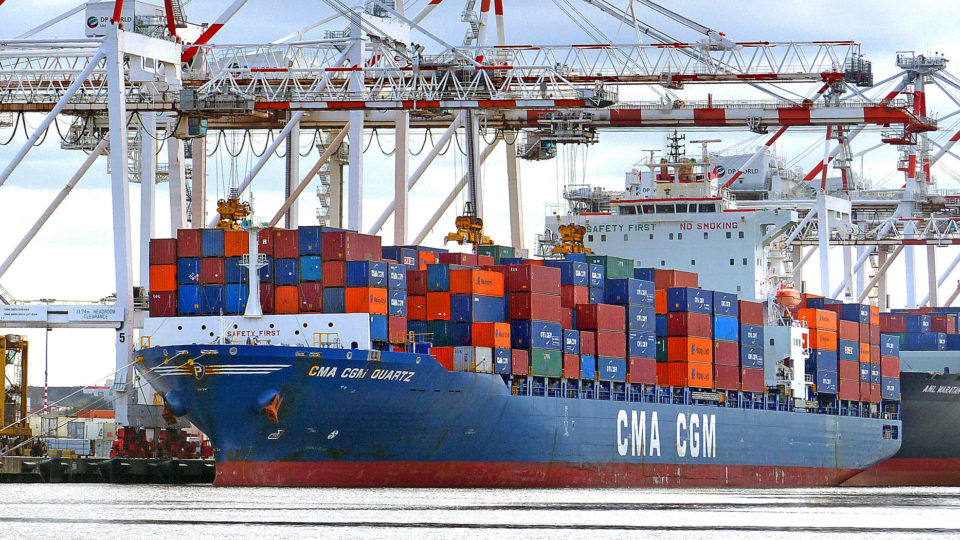
Cargo ships are significant sources of global air pollution because of their fuel oil.  Most ships burn something called “bunker fuel” which is a pitch-black, molasses-thick fuel made from the dregs of the oil refining process.  It is loaded with sulfur, so when it is burned it produces noxious gases and fine particles that can harm human health and the environment.  Because bunker fuel is made from petroleum refining residues, waste byproducts sometimes end up in the mix, making the stuff even a worse source of pollution.

[Read more…] about Cleaning Up Shipping Fuel

Primary Sidebar

Recent Episodes

  • An uninsurable future
  • Clean energy and jobs
  • Insect declines in remote regions
  • Fossil fuel producing nations ignoring climate goals
  • Trouble for clownfishes

WAMC Northeast Public Radio

WAMC/Northeast Public Radio is a regional public radio network serving parts of seven northeastern states (more...)

Copyright © 2026 ·