• Skip to primary navigation
  • Skip to main content
  • Skip to primary sidebar

Earth Wise

A look at our changing environment.

  • Home
  • About Earth Wise
  • Where to Listen
  • All Articles
  • Show Search
Hide Search
You are here: Home / Archives for potassium

potassium

A better way to extract lithium

December 10, 2024 By EarthWise Leave a Comment

Researchers are developing a better way to extract lithium

Lithium is the critical component in the batteries that power phones and computers, electric cars, and the systems that store energy generated by solar and wind farms.  Lithium is not particularly rare, but it is difficult and often environmentally harmful to extract from where it is found.

Traditional ore sources are increasingly difficult and expensive to mine.  The largest known deposits of lithium are in natural brines – the salty water found in geothermal environments.  These brines also contain other ions like sodium, potassium, magnesium, and calcium, and efficiently separating out the lithium is extremely challenging.

Traditional separation techniques consume large amounts of energy and produce chemical waste, particularly hazardous chlorine gas.  These techniques typically suffer from poor selectivity; that is, the process is interfered with by the other ions present in natural brines.

A team of researchers at Rice University has developed a three-chamber electrochemical reactor that improves the selectivity and efficiency of lithium extraction from brines.  The middle chamber of the reactor contains a specialized membrane that acts as a barrier to chloride ions, preventing them from getting to the electrode area where they can form chlorine gas.

The new reactor has achieved a lithium purity rate of 97.5%, which means the setup can effectively separate lithium from other ions in the brine and allow the production of high-quality lithium hydroxide, the key material for battery manufacturing. 

The Rice University reactor design has the potential to be a game changer for lithium extraction from geothermal brines.

**********

Web Links

‘Game changer’ in lithium extraction: Rice researchers develop novel electrochemical reactor

Photo, posted October 21, 2023, courtesy of Simaron via Flickr.

Earth Wise is a production of WAMC Northeast Public Radio

Golf courses gone wild

March 18, 2024 By EarthWise Leave a Comment

Rewilding golf courses is catching on

Golf courses are a significant burden on the environment.  The US has 16,000 golf courses which use 1.5 billion gallons of water a day and are treated with 100,000 tons of nitrogen, phosphorus, and potassium each year.  In recent years, the golf industry has taken steps to lighten its environmental toll by using less water, introducing pollinator-friendly plants, and decreasing pesticide and fertilizer use.  The US has more golf courses than any other country, accounting for 42% of all courses worldwide.

There is really an oversupply of golf courses and, as a result, more golf courses have closed than have opened since 2006.  Most closed golf courses end up in the hands of commercial or residential developers, but some of them are allowed to return to nature.

For this to happen, there has to be a willing seller and, more importantly, a conservation-minded buyer who can afford both to purchase the land and to restore it to a natural state.  There have been 28 former golf courses transformed into public green spaces between 2010 and the end of 2022.  But that number seems to be growing.

In 2023, the former Cedar View Golf Course on the eastern shore of Cayuga Lake in upstate New York was bought by the Finger Lakes Land Trust.  In California, places like Santa Barbara, Marin County, and even Palm Springs have all undertaken the transformation of former golf courses into public parklands.

Rewilding a golf course is undoubtedly a disappointment to local golfers, but it can bring big benefits to animals, plants, and people. 

**********

Web Links

After Shutting Down, These Golf Courses Went Wild

Photo, posted October 19, 2016, courtesy of Cabo Girao via Flickr.

Earth Wise is a production of WAMC Northeast Public Radio
New Nutrition Labels

February 26, 2019 By EarthWise 1 Comment

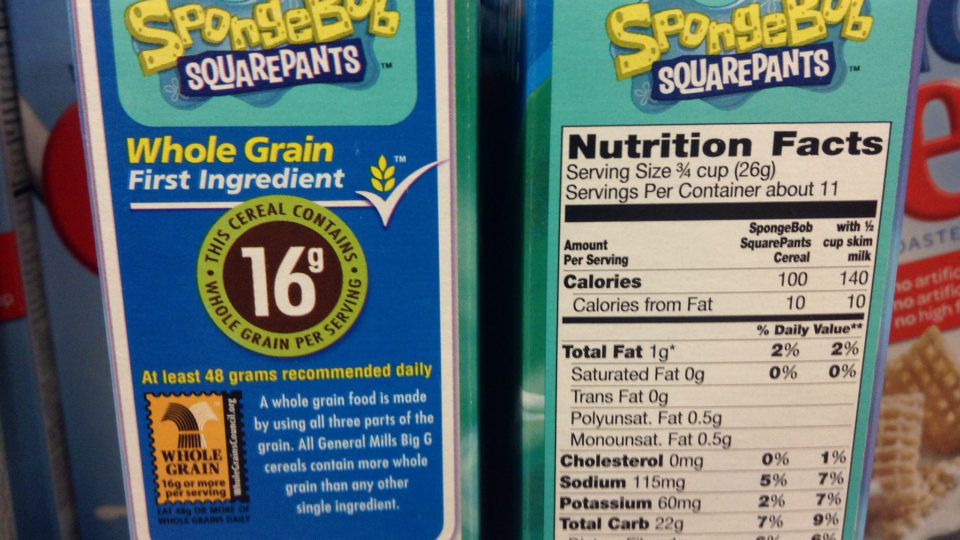
Food and beverage packaging in this country has included a Nutrition Facts panel for nearly 25 years.  Over 700,000 products have the labels which provide consumers with information like serving sizes, calories per serving, ingredients, and nutritional content.

Surveys indicate that 77 percent of all U.S. adults claim to use the labels at least some of the time.  Whether the labels are actually useful is somewhat debatable.  A couple of years ago, the FDA released a proposal to update the labels to make them more useful and to reflect more recent nutritional research.  The new labels are finally going to be implemented and food manufacturers with annual sales exceeding $10 million have until January of 2020 to update their packaging with the new labels.

One of the biggest changes is that the “serving size” section of the label will be changed to more accurately reflect the actual portions consumed by the typical American.  For example, a 20-ounce soft drink will now be labeled as a single serving because most people will drink the whole bottle in one sitting.

The new labels will no long list the amounts of Vitamin A and C, because recent research shows most Americans are not deficient in these nutrients.  Instead, the amount of Vitamin D and potassium will be listed, two nutrients lacking in many diets.  New labels will also show amounts of “added sugars”, defined as caloric sweeteners with no nutritional value. The new labels will also display the calories per serving in much large type making that piece of information far more noticeable.

There is surely more to be done to make food labeling more transparent and useful for consumers, but the new changes at least seem to be in the right direction.

**********

Web Links

Nutrition Labels Get a Makeover: Will It Make a Difference?

Photo, posted September 9, 2014, courtesy of Mike Mozart via Flickr.

Earth Wise is a production of WAMC Northeast Public Radio.

Catching Kelp In Maine

September 6, 2016 By WAMC WEB

https://earthwiseradio.org/wp-content/uploads/2016/08/EW-09-06-16-Catching-Kelp-in-Maine.mp3

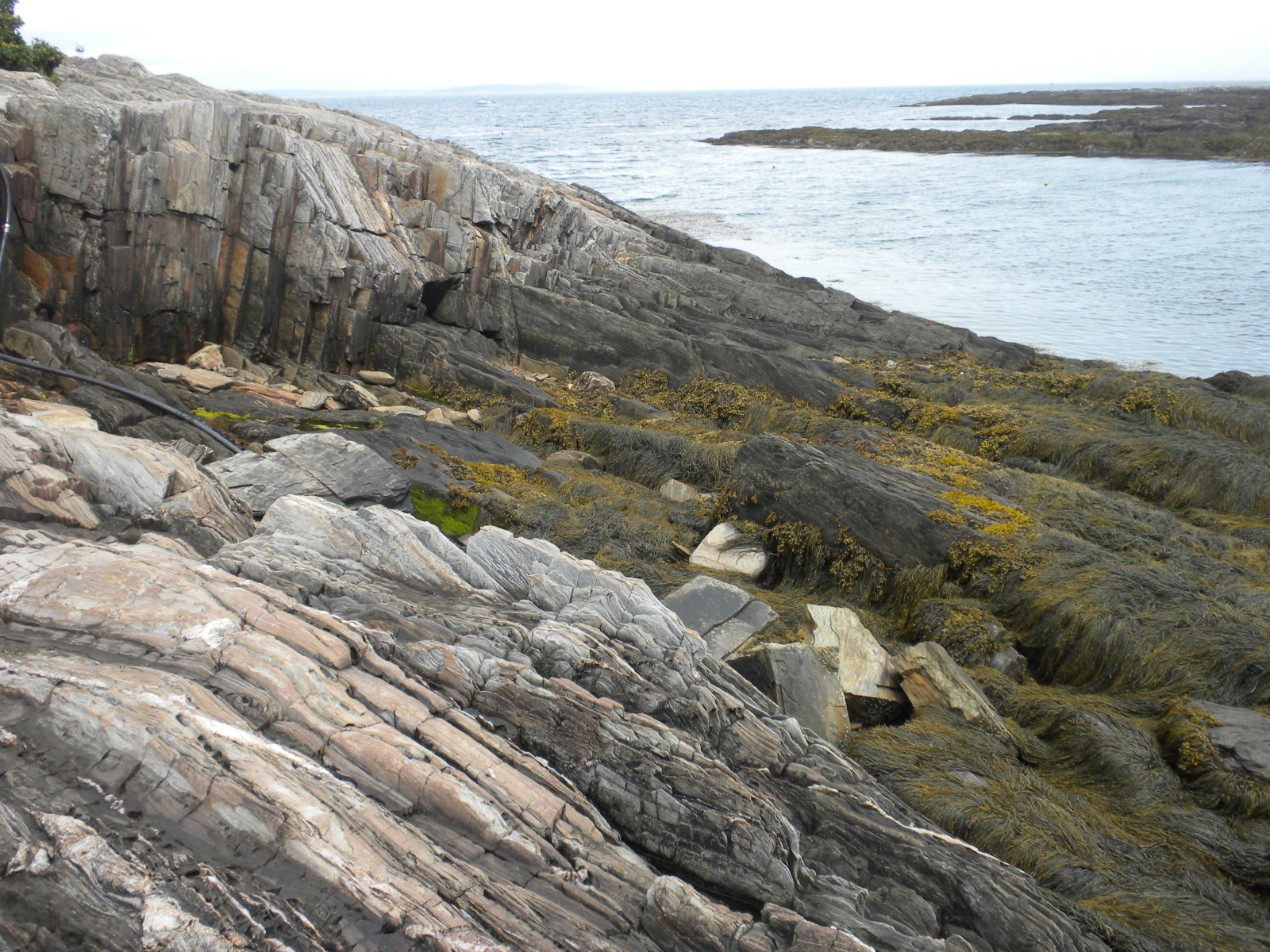
Farming, forestry, mining and recreation are the primary vocations in rural America.  In coastal areas like Maine, fishing joins the list.  And for Maine, commercial fishing has long been a major engine for the economy.

[Read more…] about Catching Kelp In Maine

Primary Sidebar

Recent Episodes

  • An uninsurable future
  • Clean energy and jobs
  • Insect declines in remote regions
  • Fossil fuel producing nations ignoring climate goals
  • Trouble for clownfishes

WAMC Northeast Public Radio

WAMC/Northeast Public Radio is a regional public radio network serving parts of seven northeastern states (more...)

Copyright © 2026 ·