• Skip to primary navigation
  • Skip to main content
  • Skip to primary sidebar

Earth Wise

A look at our changing environment.

  • Home
  • About Earth Wise
  • Where to Listen
  • All Articles
  • Show Search
Hide Search
You are here: Home / Archives for plates

plates

A hidden cost of climate change

August 25, 2025 By EarthWise Leave a Comment

Climate change is dramatically impacting food production by altering rainfall patterns, increasing temperatures, and triggering more frequent extreme weather events.  These changes make crops more vulnerable to droughts, floods, heatwaves, pests, and diseases, leading to lower yields and greater uncertainty for farmers worldwide.

But climate change isn’t just reshaping our planet.  It’s also changing what’s on our plates.  According to a new study by researchers from Liverpool John Moores University in the UK, rising carbon dioxide levels and warmer temperatures may be making food less nutritious.

The research team focused on popular leafy vegetables, including kale, rocket, and spinach.  The researchers simulated future UK climate conditions in growth chambers to study how the crops responded to hotter, CO2-rich environments.

The research team found that elevated CO2 levels help crops grow faster and bigger, but not healthier.  Over time, the crops showed a reduction in key minerals like calcium and certain antioxidant compounds.  These changes were exacerbated by increases in temperature.  In fact, the combination had complex effects.  The crops did not grow as big or fast, and the decline in nutritional quality intensified.

This nutritional imbalance poses serious human health implications.  Rising CO2 levels can increase sugar in crops while reducing essential nutrients, leading to calorie-rich but nutrient-poor diets. This shift may raise the risk of obesity, diabetes, and nutrient deficiencies, especially in vulnerable populations.

The challenge ahead isn’t just to grow enough food to feed a growing population, but to preserve the quality of that food in a changing climate.

*********

Web Links

Bigger crops, fewer nutrients: The hidden cost of climate change

Photo, posted May 25, 2010, courtesy of Jason Bachman via Flickr.

Earth Wise is a production of WAMC Northeast Public Radio
New York’s Polystyrene Foam Ban | Earth Wise

January 19, 2022 By EarthWise Leave a Comment

New York bans Styrofoam

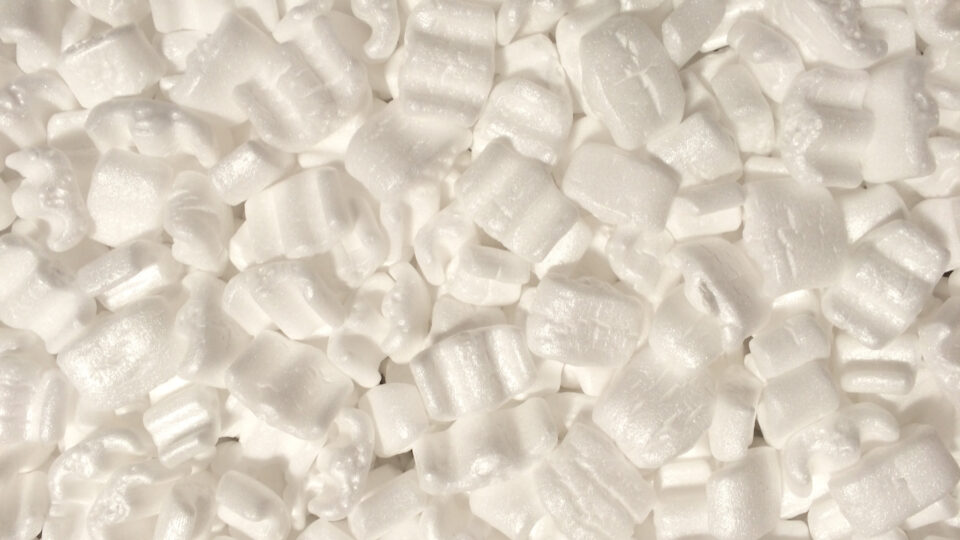
As of January 1, the state of New York now prohibits any person engaged in the business of selling or distributing prepared food or beverages from selling, offering for sale, or distributing disposable food service containers that contain expanded polystyrene foam in the state.  In addition, no manufacturer will be allowed to sell, offer for sale, or distribute polystyrene loose fill packaging in the state.

In other words, there will be no more Styrofoam bowls, cartons, clamshell containers, lids, plates, trays, or packing peanuts.

There are still some exceptions.  Raw meat, seafood, poultry, or fish sold for the purpose of cooking or preparing off-premises can still be packaged in polystyrene foam.  Prepackaged food filled or sealed prior to receipt by a food service provider can also still be packaged in polystyrene foam.

The New York State Department of Environmental Conservation is initially focusing its efforts on outreach and education to achieve compliance rather than on enforcement.   The DEC has provided detailed regulations to assist stakeholders with complying with the law.

Expanded polystyrene foam is a major contributor to environmental litter.  The material breaks apart easily and does not readily biodegrade, causing it to be persistent in the environment and contribute to microplastic pollution.  The foam causes negative impacts to wildlife, waterways, and natural resources.

An estimated 65% of New Yorkers were already living in communities that banned polystyrene foam, notably including New York City and Long Island which imposed a ban in 2019. 

New York becomes the fourth state to impose such a ban after Maine, Maryland, and Vermont.  Colorado and Virginia will follow suit in the next two years.

**********

Web Links

Expanded Polystyrene Foam Container and Polystyrene Loose Fill Packaging Ban

Photo, posted November 16, 2015, courtesy of Karim Ghantous via Flickr.

Earth Wise is a production of WAMC Northeast Public Radio.

Food And Greenhouse Gas Emissions | Earth Wise

December 29, 2021 By EarthWise Leave a Comment

How to reduce the greenhouse gas emissions associated with food

According to a study published in the journal Nature Food, the world’s food systems are responsible for more than one third of global greenhouse gas emissions caused by human activities. 

‘Eat Local’ is often recommended as a way to minimize the carbon footprint of our diet.  But from a climate impact perspective, eating local only has a significant impact if transportation is responsible for a large portion of a food’s final carbon footprint.  And in many cases, greenhouse gas emissions related to transportation make up only a small portion of the emissions from food and what we eat is far more important. 

There are massive differences in the greenhouse gas emissions of various foods. 

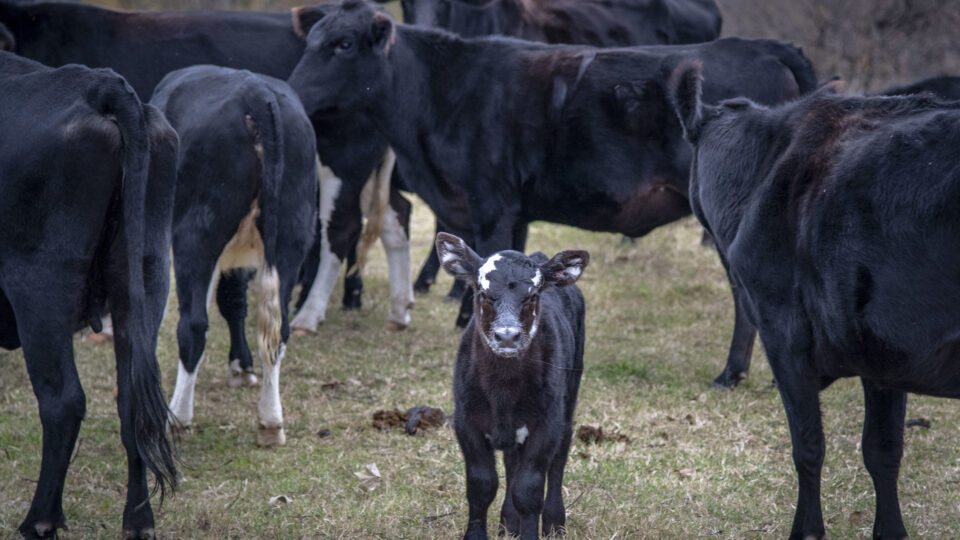
For example, producing one pound of beef generates 60 pounds of greenhouse gas emissions.  This is more than double the next closest food (lamb), and more than 60 times greater than some plant crops like corn and cassava. 

For most foods – especially the largest emitters – greenhouse gas emissions from land use change combined with the emissions from processes at the farm stage account for more than 80% of the environmental footprint.  Meanwhile, transportation accounts for less than 10%, and its contribution for the largest emitters is even smaller.  For example, transportation accounts for 0.5% of emissions from beef production.

Eating beef or lamb has many times the carbon footprint of most other foods.  It matters very little in terms of emissions whether it was grown locally or shipped from another part of the world.  It’s not the location that makes the carbon footprint of our dinner large.  It’s what is on our plate that matters.

**********  

Web Links

Food systems account for over one-third of global greenhouse gas emissions

You want to reduce the carbon footprint of your food?

Photo, posted November 7, 2018, courtesy of Preston Keres / USDA via Flickr.

Earth Wise is a production of WAMC Northeast Public Radio.

Getting Rid Of Plastic Here And Abroad

May 23, 2019 By EarthWise Leave a Comment

Efforts in the fight against plastic pollution are really stepping up these days. 

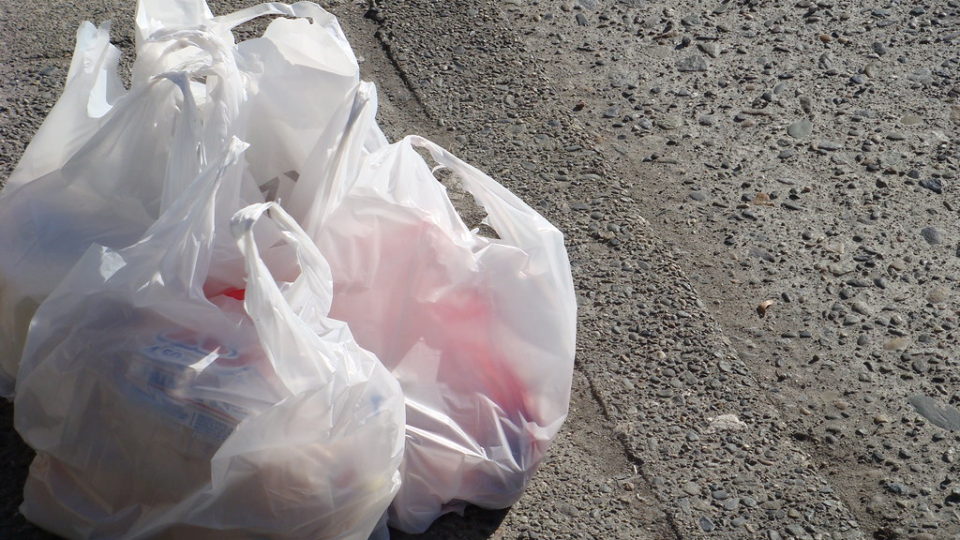
New York State lawmakers have agreed to impose a statewide ban on most types of single-use plastic bags from retail sales.  The ban would be the second statewide ban after California, which banned the bags in 2016.  Hawaii effectively also has such a ban since all of the state’s counties have their own bans.

The New York ban would begin next March and would forbid stores from providing customers with single-use plastic bags.  There are a number of exceptions, including food takeout bags in restaurants, bags used to wrap deli or meat counter products, and newspaper bags.  New York counties could opt into a plan to charge a 5-cent fee on paper bags, with proceeds going to the state’s Environmental Protection Fund.  Some environmentalists point out, however, that paper bags have their own issues.  While they do decompose in landfills, they have a substantial carbon footprint since they are made from wood and being heavier, they are more costly to ship.  Business groups are concerned about the forthcoming ban based on increased costs.

Meanwhile, European Union member states have reached a provisional agreement to introduce restrictions on single-use plastic products.  In 2021. European citizens will say goodbye to plastic cutlery, plastic plates and plastic straws among other products.

According to the European Commission, plastics make up 85% of beach litter in the Mediterranean.  Large plastic pieces injure, suffocate, and often kill marine animals but microplastics have reached record levels of concentration – over a million fragments per square kilometer – in the Mediterranean.

Both here and abroad, the war on plastics is heating up.

**********

Web Links

Plastic Bags to Be Banned in New York; Second Statewide Ban, After California

The End Of Plastic Cutlery, Plates And Straws: EU Market Says Goodbye To Single-Use Plastic Products

Photo, posted March 20, 2007, courtesy of Flickr.

Earth Wise is a production of WAMC Northeast Public Radio.

Edible Tableware

July 4, 2017 By EarthWise

https://earthwiseradio.org/wp-content/uploads/2017/07/EW-07-04-17-Edible-Tableware.mp3

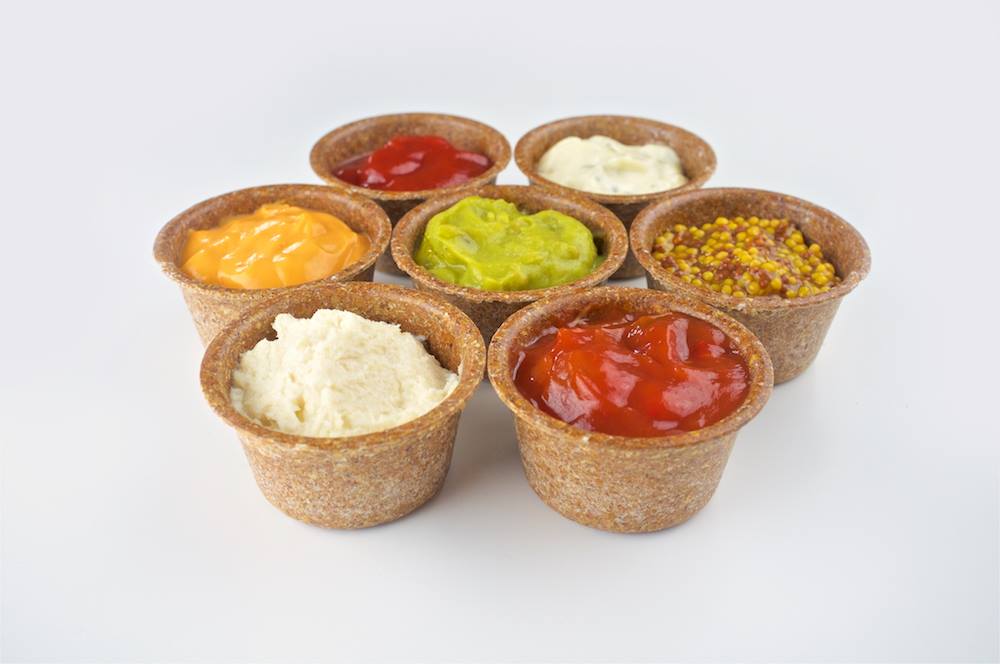
The problems caused by plastics in the environment continue to mount.  Major companies around the world are endorsing and promoting efforts to combat the problem including the New Plastics Economy Initiative which aims to have 70% of plastic packaging reused and recycled globally, which is five times more than the current percentage.

[Read more…] about Edible Tableware

Primary Sidebar

Recent Episodes

  • An uninsurable future
  • Clean energy and jobs
  • Insect declines in remote regions
  • Fossil fuel producing nations ignoring climate goals
  • Trouble for clownfishes

WAMC Northeast Public Radio

WAMC/Northeast Public Radio is a regional public radio network serving parts of seven northeastern states (more...)

Copyright © 2026 ·