• Skip to primary navigation
  • Skip to main content
  • Skip to primary sidebar

Earth Wise

A look at our changing environment.

  • Home
  • About Earth Wise
  • Where to Listen
  • All Articles
  • Show Search
Hide Search
You are here: Home / Archives for neighborhoods

neighborhoods

New Orleans is sinking

August 14, 2025 By EarthWise Leave a Comment

As climate change accelerates, rising sea levels are putting coastal communities at greater risk of flooding and storm surge. Driven by melting glaciers and warming oceans, global sea levels are rising at an increasing rate. For low-lying cities like New Orleans, even small increases can have serious consequences. And that risk is compounded by another factor: the land itself is sinking.

Much of New Orleans already sits at or below sea level, and parts of the city and its surrounding wetlands are gradually sinking. While most of the city remains stable, a new study by researchers from Tulane University suggests that sections of the region’s $15 billion post-Katrina flood protection system may require ongoing upgrades to keep pace with long-term subsidence.

The study, recently published in the journal Science Advances, used satellite data to track changes in ground elevation across Greater New Orleans between 2002-2020.  The researchers found that some areas – including neighborhoods, wetlands, and even concrete floodwalls – are sinking by more than an inch each year. In some spots, the land is dropping by nearly two inches annually.

Alarmingly, some of the concrete floodwalls and levees built to protect the city after Hurricane Katrina are themselves sinking. In a few cases, they are losing elevation faster than sea levels are rising, reducing their capacity to block storm surges.

The study highlights how satellite monitoring can play a critical role in guiding infrastructure maintenance and urban planning – not just in New Orleans – but in vulnerable coastal cities around the world.

**********

Web Links

Vertical land motion in Greater New Orleans: Insights into underlying drivers and impact to flood protection infrastructure

Photo, posted September 22, 2010, courtesy of U.S. Army Corps of Engineers via Flickr.

Earth Wise is a production of WAMC Northeast Public Radio
Soaring Heat And Inner-City Neighborhoods | Earth Wise

August 31, 2021 By EarthWise Leave a Comment

Inner cities especially vulnerable to climate change

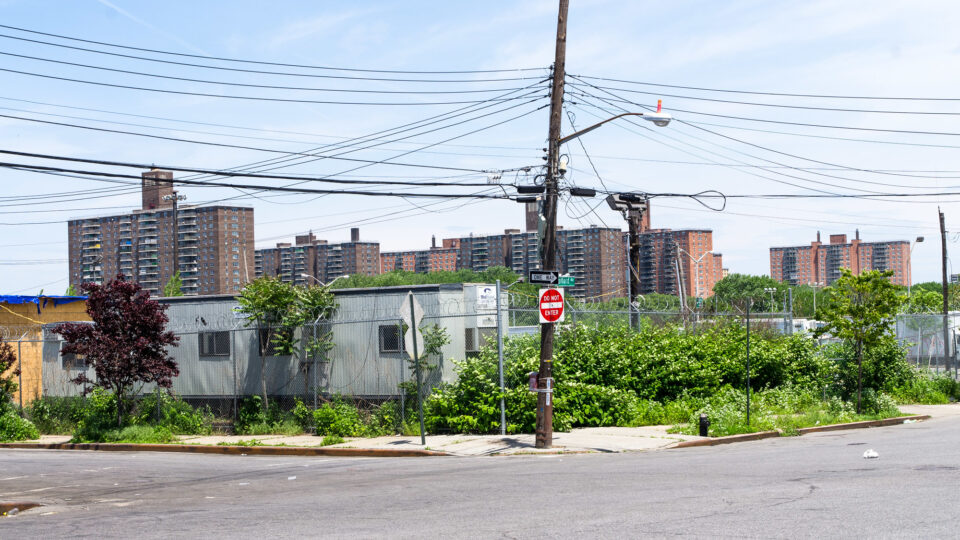
The record-breaking heatwaves this summer have exposed the special vulnerability inner cities have to the effects of summer heat.  Climate change has exacerbated and supercharged heatwaves, as was seen in Seattle and Portland in late June.

Urban cores can be 10 degrees or more warmer than the surrounding countryside.  The urban heat island effect is a result of how cities are built, with so much pavement, so many buildings, and not enough trees.  On top of this, decades of disinvestment in neighborhoods where people of color live have left them especially vulnerable to heat as their homes are not able to cope with it.

In New York City, some residents of Hunts Point in the Bronx keep lists of neighbors they check on to help keep the most vulnerable alive during heat waves.  The city has subsidized 74,000 air conditioners for low-income, elderly residents, and is spending millions to plant trees.  In Phoenix, the hottest big city in the country, officials are working to develop new models for cooler public housing and cooling for streets and pedestrian corridors.

A study, published in 2020, looked at the linkage between higher heat island temperatures and past practices of redlining, where home loans and insurance were unavailable to people in neighborhoods of color.  In 94 of 108 communities studied, the formerly redlined neighborhoods had higher surface temperatures.

Cities are confronted with two heat problems:  emergencies that require immediate action to save lives, and long-term issues related to combating soaring temperatures in heat islands strengthened by global warming. In many cases, cities are not prepared for either problem.  Dealing with and adapting to heat is essential to the long-term viability and quality of life in our cities.

**********

Web Links

A Triple Whammy Has Left Many Inner-City Neighborhoods Highly Vulnerable to Soaring Temperatures

Photo, posted May 27, 2014, courtesy of Dan DeLuca via Flickr.

Earth Wise is a production of WAMC Northeast Public Radio.

Environmental Injustice And the Coronavirus | Earth Wise

May 29, 2020 By EarthWise Leave a Comment

Environmental Injustice and coronavirus

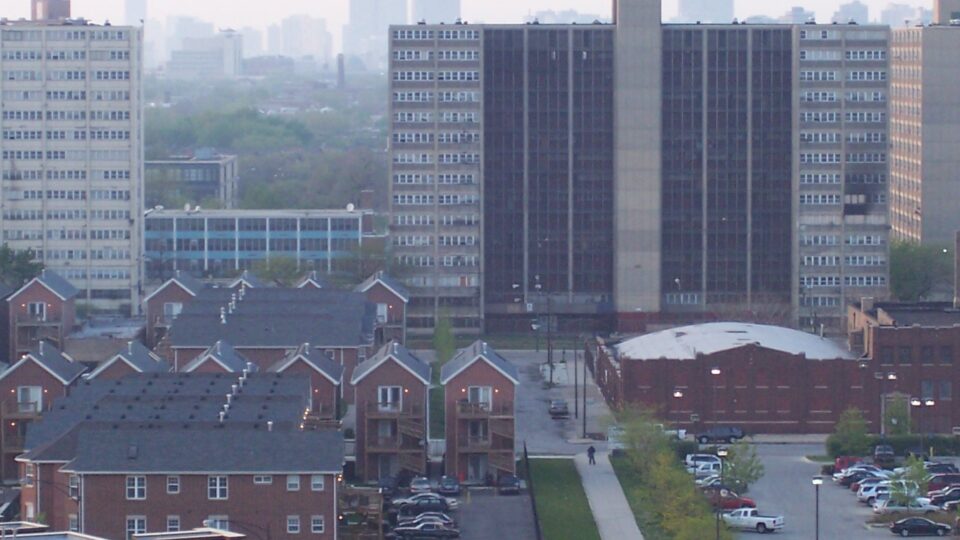
Cities and towns across the United States continue to wrestle with the devastating impacts of the COVID-19 pandemic and none have been hit harder than low-income and minority communities.  Places like Detroit, Chicago, and St. James Parish in Louisiana have suffered from decades of economic inequality and pollution in their poorest neighborhoods and many of these same places have experienced some of the highest mortality rates from the virus.

Recent studies have shown a link between high levels of pollution and the risk of death from COVID-19.  Pollution of various kinds are higher in low-income communities and communities of color.  Such communities don’t have a strong political voice so that laws and environmental regulations are not enforced like there are in white, higher-income communities.  Thus, these communities have highways, landfills, factories, chemical facilities, paper mills, and other pollution sources that communities with economic power – and therefore political power – manage to avoid.

People living in low-income communities and communities of color tend to have higher rates of underlying health conditions like diabetes, heart disease, and asthma.  They have less healthy diets – more fast food and fewer grocery stores.  Part of the reason these communities have a higher risk of mortality from COVID-19 infection is that many people have reduced lung capacity as a result of exposure to pollutants.

The Trump administration has been suspending enforcement of environmental regulations during the pandemic.  Communities already affected by environmental injustice will bear the brunt of this decision.  Groups like nursing home populations, meat packers, prisoners and the poor are suddenly highly visible.  COVID-19 is exposing the real differences between the Haves and the Have-Nots in this country.

**********

Web Links

Connecting the Dots Between Environmental Injustice and the Coronavirus

Photo, posted May 2, 2006, courtesy of Sean Benham via Flickr.

Earth Wise is a production of WAMC Northeast Public Radio.

Poor Neighborhoods And Mosquitoes

September 4, 2017 By EarthWise

https://earthwiseradio.org/wp-content/uploads/2017/09/EW-09-04-17-Poor-Neighborhoods-and-Mosquitoes.mp3

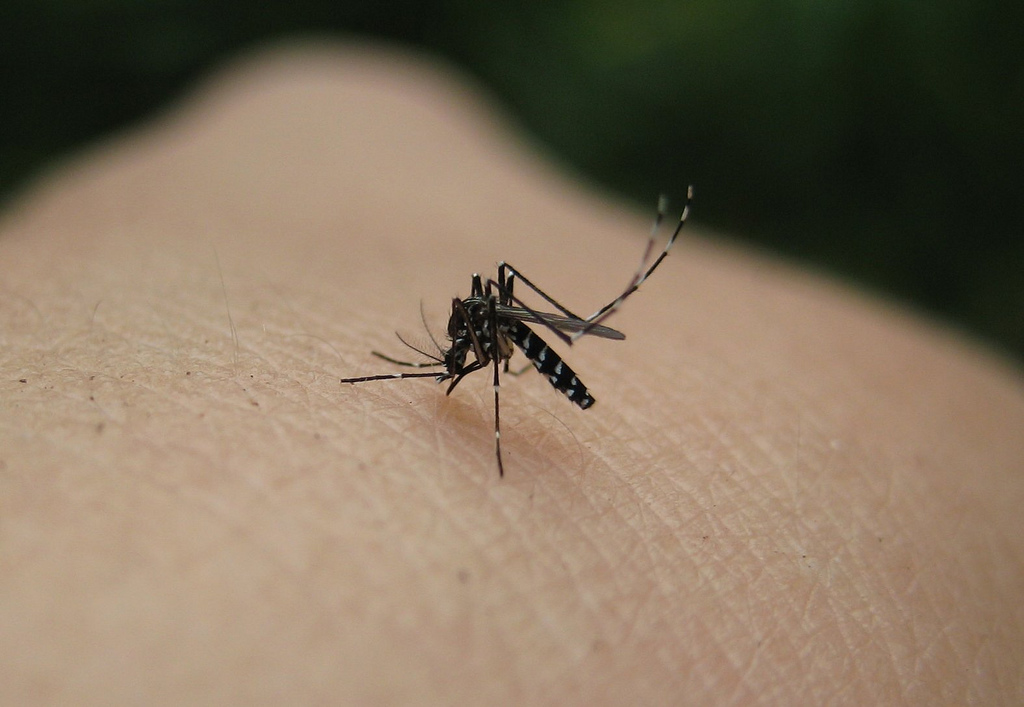
Mosquito-borne diseases pose a growing risk to public health in urban areas. Asian tiger mosquitoes are a vector of high concern as they thrive in cities, live in close association with people, and can reproduce in very small pools of water. 

[Read more…] about Poor Neighborhoods And Mosquitoes

The Tick Project

September 12, 2016 By WAMC WEB

https://earthwiseradio.org/wp-content/uploads/2016/08/EW-09-12-16-The-Tick-Project.mp3

Tiny ticks are a big problem. Anyone taking a walk in the woods is advised to do a tick check. Ticks infect more than 325,000 people with Lyme disease each year, and this number continues to rise.

[Read more…] about The Tick Project

Primary Sidebar

Recent Episodes

  • An uninsurable future
  • Clean energy and jobs
  • Insect declines in remote regions
  • Fossil fuel producing nations ignoring climate goals
  • Trouble for clownfishes

WAMC Northeast Public Radio

WAMC/Northeast Public Radio is a regional public radio network serving parts of seven northeastern states (more...)

Copyright © 2025 ·