• Skip to primary navigation
  • Skip to main content
  • Skip to primary sidebar

Earth Wise

A look at our changing environment.

  • Home
  • About Earth Wise
  • Where to Listen
  • All Articles
  • Show Search
Hide Search
You are here: Home / Archives for mowing

mowing

Parks for bugs

May 27, 2025 By EarthWise Leave a Comment

Urban areas can have a variety of green spaces:  gardens, parks, and roadside and median plantings.  It turns out that these spaces can serve as pollinator refuges.

A study by researchers at the University of British Columbia found that reducing lawn mowing and creating pollinator meadows – essentially parks for bugs – significantly boosts pollinator diversity and creates healthier and more resilient ecosystems.

The 3-year study surveyed pollinators in 18 urban parks across the city of Vancouver.  It compared parks where meadows were planted and mowing was restricted with parks that were kept as standard turfgrass lawns.

Parks with meadows saw an immediate increase in pollinator species – from 21 to 47 more wild bee and hoverfly species – compared to parks without meadows.  These increases continued over the entire three-year study period.

The researchers identified more than 100 species of wild bees and hoverflies and 35 of them were only found in parks with meadows.

People think of urban landscapes as poor environments for biodiversity, but this study demonstrated that even relatively small changes can have significant impacts.  Even a patchwork of small habitats can allow species to move freely and settle into multiple areas quickly.

The researchers had advice for urban residents as well.  They suggest that people reduce mowing, plant native flowering shrubs and trees, create diverse habitats that incorporate a variety of plants that bloom at different times, avoid pesticide use, and leave natural nesting sites for pollinators.

Preserving pollinators is an important task and having a few parks for bugs can really help.

**********

Web Links

How ‘parks for bugs’ boost pollinators in Vancouver

Photo, posted September 19, 2011, courtesy of Eric Bridiers / U.S. Mission Geneva via Flickr.

Earth Wise is a production of WAMC Northeast Public Radio
Solar grazing

September 16, 2024 By EarthWise Leave a Comment

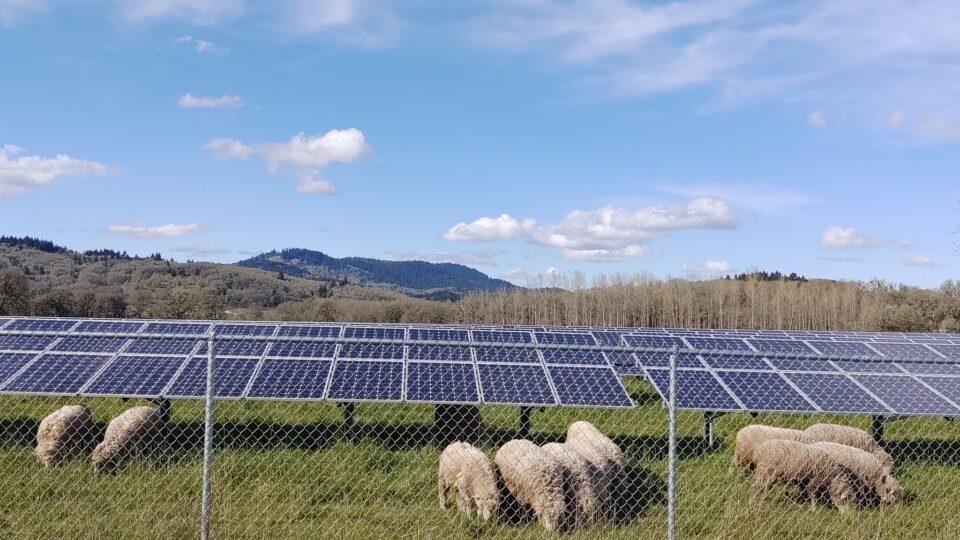
Agrivoltaics is the combination of solar power generation with agriculture.  Generally, this has involved growing crops under and around solar panels harvesting both food and electricity.  More recently, there has been increasing interest in grazing animals to manage lands used for solar power.

Enel North America, a large operator of solar farms and utility-scale battery storage facilities in Texas, has announced a partnership with Texas Solar Sheep Company to deploy more than 6,000 sheep to chow down on the greenery on eight large Texas solar sites.  This is the largest known solar grazing agreement executed in the United States

Texas Solar Sheep’s flocks will graze on more than 10,000 acres of land being used for solar generation, an area roughly ¾ the size of Manhattan.  Most of these sites are situated in areas with high rainfall and long growing seasons. 

The American Solar Grazing Association, an organization with 950 members across 45 states, facilitates research, provides education, and develops best practices in support of a unique population of shepherds and solar developers.  Their recent survey estimates that 100,000 acres of U.S. solar sites are currently being chewed on by sheep.  Texas has the most installed utility-scale solar power in the country.

According to Enel, its existing solar grazing program has demonstrated substantial improvements in soil health by the additional of organic matter to the soil.  Managing vegetation with sheep is also better for pollinators because sheep don’t cut down all plants the way mowing does.

**********

Web Links

No more sheepless nights: Enel inks largest solar grazing contract

Photo, posted April 7, 2020, courtesy of Sean Nealon / Oregon State University via Flickr.

Earth Wise is a production of WAMC Northeast Public Radio
The Monarch Highway

August 24, 2017 By EarthWise

https://earthwiseradio.org/wp-content/uploads/2017/08/EW-08-24-17-The-Monarch-Highway.mp3

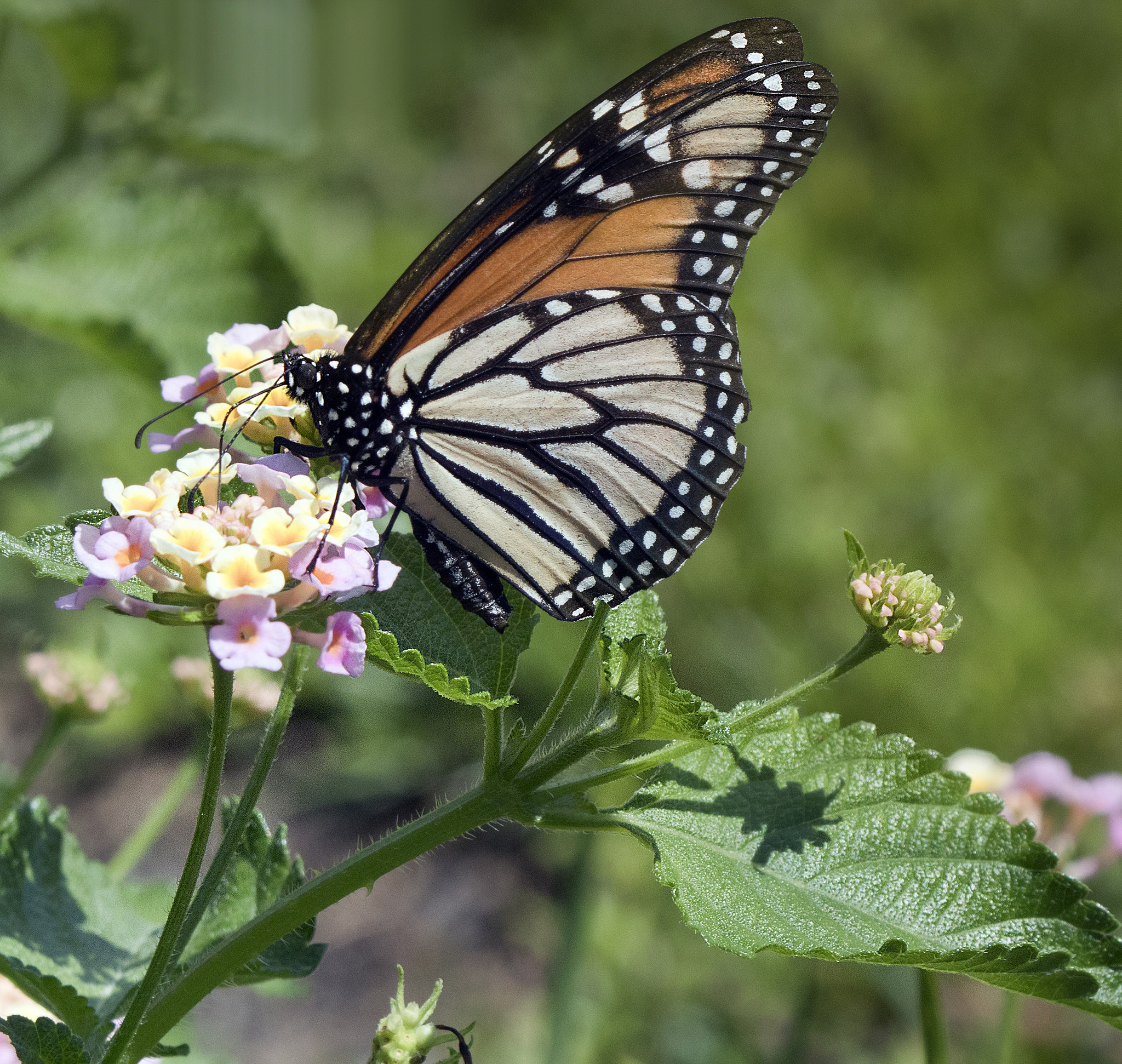
We have talked about the monarch butterfly on a number of occasions.  The population of these iconic orange and black butterflies in North America has plummeted from 1 billion to 33 million over the past 20 years.  People have undertaken a variety of efforts to try to save the species but now a major project to restore the dwindling habitat of the monarch is underway.

[Read more…] about The Monarch Highway

Primary Sidebar

Recent Episodes

  • An uninsurable future
  • Clean energy and jobs
  • Insect declines in remote regions
  • Fossil fuel producing nations ignoring climate goals
  • Trouble for clownfishes

WAMC Northeast Public Radio

WAMC/Northeast Public Radio is a regional public radio network serving parts of seven northeastern states (more...)

Copyright © 2026 ·