
• Skip to primary navigation
  • Skip to main content
  • Skip to primary sidebar

Earth Wise

A look at our changing environment.

  • Home
  • About Earth Wise
  • Where to Listen
  • All Articles
  • Show Search
Hide Search
You are here: Home / Archives for lead-acid batteries

lead-acid batteries

Recycling lithium-ion batteries

March 28, 2025 By EarthWise Leave a Comment

Lithium-ion batteries are used to power computers and cellphones and, increasingly, vehicles.  The batteries contain lithium as well as various other valuable metals such as nickel, cobalt, copper, and manganese.  Like other batteries, lithium-ion batteries have a finite lifetime before they can no longer perform their intended function.

Recycling lithium-ion batteries to recover their critical metals is an alternative to mining those metals.  A recent study by Stanford University analyzed the environmental impact of obtaining those metals using lithium-ion battery recycling compared with mining.  They found that the recycling process is associated with less than half of the greenhouse gas emissions of conventional mining.  The process uses about one-fourth of the water and energy of mining new metals.  North America’s largest industrial-scale lithium-ion battery recycling facility is Redwood Materials, located in Nevada, which uses a clean energy mix that includes hydropower, geothermal, and solar power.

These calculated advantages are associated with recycling batteries that have been in use.  The advantages are even greater for recycling scrap:  defective material from battery manufacturers.

The advantages of recycling are dependent on the sources of electricity at the recycling plant and the availability of fresh water. 

At present, the U.S. recycles about half of its available lithium-ion batteries.  By comparison, 99% of lead-acid batteries (like those found in cars and trucks) have been recycled for decades.  As the supply of used lithium-ion batteries continues to increase, it is important for the availability of industrial-scale battery recycling to keep pace. 

**********

Web Links

Recycling lithium-ion batteries delivers significant environmental benefits

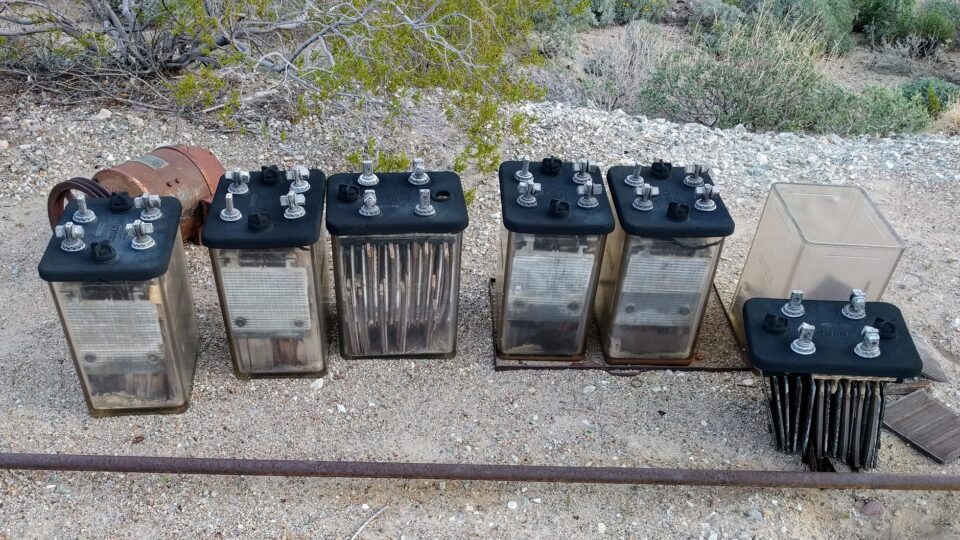
Photo, posted May 7, 2020, courtesy of Mark Vletter via Flickr.

Earth Wise is a production of WAMC Northeast Public Radio
Lead Exposure Remains A Persistent Problem | Earth Wise

October 29, 2020 By EarthWise Leave a Comment

lead exposure remains a global problem

According to a new report from UNICEF and the international nonprofit Pure Earth, a staggering number of children – approximately 800 million or one out of every three globally – may have dangerously high levels of lead in their blood.    

Long-term exposure to lead can cause serious health problems, especially in children.  Children are particularly vulnerable because their early years are characterized by rapid growth and brain development. 

Lead is a powerful neurotoxin that can cause damage even at low levels of exposure.  Lead poisoning can be acute, and can cause all sorts of health issues, including stomach pain, brain damage, and even death.  Because lead accumulates in the body over time, lead poisoning can develop slowly. The most common symptom of lead poisoning is lethargy.  Lead exposure can also contribute to a lower IQ and behavioral problems that can last a lifetime.     

Lead is a naturally occurring element found in small amounts in earth’s crust.  But as a result of human activities, lead can be found in all parts of the environment, including the air, soil, and water. 

According to the report, much of the lead poisoning comes from lead-acid batteries that are not properly recycled.  Water pipes, paint, canned foods, makeup, toys, and even contaminated spices can all be sources of lead exposure.  Lead was also previously added to gasoline and traces of this remain in soil samples today. 

The report found that children in low- or middle-income countries, especially in South Asia and among marginalized groups in general, are most vulnerable to lead poisoning. 

Lead exposure remains a dangerous and persistent problem all around the world. 

**********

Web Links

The Toxic Truth: Children’s Exposure to Lead Pollution Undermines a Generation of Future Potential

800 million children still exposed to lead

Photo, posted February 11, 2017, courtesy of J. Brew via Flickr.

Earth Wise is a production of WAMC Northeast Public Radio.

Primary Sidebar

Recent Episodes

  • An uninsurable future
  • Clean energy and jobs
  • Insect declines in remote regions
  • Fossil fuel producing nations ignoring climate goals
  • Trouble for clownfishes

WAMC Northeast Public Radio

WAMC/Northeast Public Radio is a regional public radio network serving parts of seven northeastern states (more...)

Copyright © 2026 ·