• Skip to primary navigation
  • Skip to main content
  • Skip to primary sidebar

Earth Wise

A look at our changing environment.

  • Home
  • About Earth Wise
  • Where to Listen
  • All Articles
  • Show Search
Hide Search
You are here: Home / Archives for landscaping

landscaping

Fertilizers from wastewater sludge

July 30, 2024 By EarthWise Leave a Comment

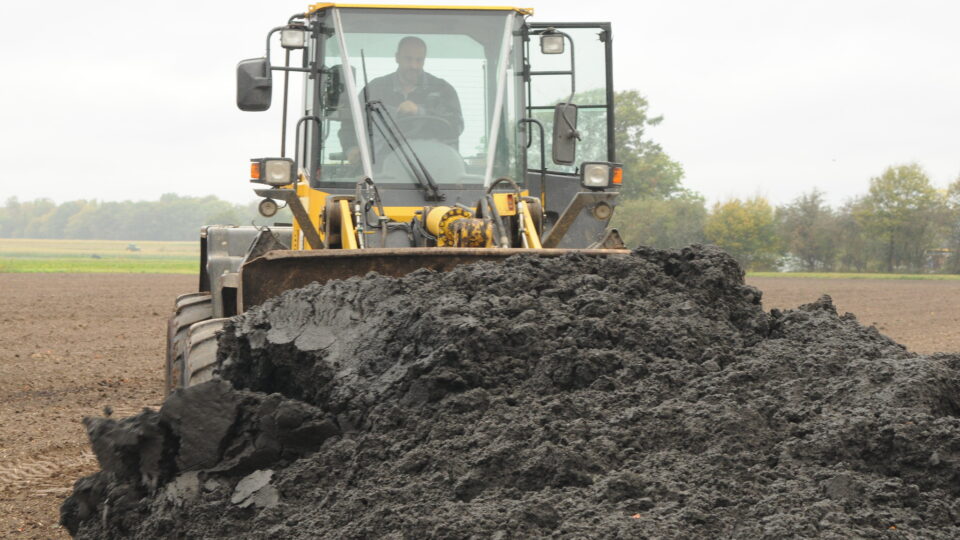
Sewage sludge is the mud-like residue that is produced as a byproduct during wastewater treatment.  In the U.S., sewage sludge is referred to as biosolids after it’s been treated.  The term is meant to distinguish the higher quality, treated sludge from raw sludge and from sludge that contains large quantities of environmental pollutants. 

However, according to a new study by researchers from Johns Hopkins University, fertilizers manufactured from the sludgy leftovers of wastewater treatment processes can still contain traces of potentially hazardous organic chemicals.

The research, which was recently published in the journal Environmental Science & Technology, provides one of the most comprehensive looks at the chemical composition of biosolids across the country. 

Biosolids do contain valuable organic matter and nutrients, including nitrogen and phosphorus.  According to the U.S. Environmental Protection Agency, more than half of the 3.76 million tons of biosolids produced in the U.S. in 2022 fertilized agricultural lands, golf courses, and other landscaped areas.

In the study, the research team screened 16 samples of biosolids from wastewater treatment facilities in nine U.S. and three Canadian cities. The researchers then created lists of the chemicals found in each sample.  They found 92 common compounds that were present in 80% or more of the samples.  The researchers cross-referenced those 92 compounds against the EPA’s CompTox Chemical Dashboard to identify which chemicals were most likely to pose threats to human health or the environment.

The findings could help the EPA identify which organic compounds to investigate further and which chemical contaminants may need government regulation. 

**********

Web Links

Team Aims to Improve Safety of Fertilizers Made from Wastewater Sludge

Photo, posted November 2, 2011, courtesy of Susana Secretariat via Flickr.

Earth Wise is a production of WAMC Northeast Public Radio
Fall Safety Tips | Earth Wise

November 4, 2020 By EarthWise Leave a Comment

Tips for fall safety

The fall season has its own weather-related hazards, such as raging wildfires across the West and a busy hurricane season in the Atlantic.  There might even be snow in some places.  The National Weather Service issued a set of four broad safety tips for being prepared for the dangers of fall weather.

With regard to wildfires, it is important for smokers to properly discard cigarettes, for people to avoid activities with open flames or sparks, and to use fire-resistant landscaping around our homes. The Weather Service issues Red Flag Warnings when conditions are ripe for wildfires.

In this busy hurricane season, even people who don’t live in hurricane surge evacuation areas need to know their home’s vulnerability to damage from high winds and inland flooding.  People should have a plan that includes an emergency kit and a safe place to shelter should they need to evacuate.

It is important to have a plan in case strong winds pose a threat.  When preparing for an extreme wind event, secure objects that can be tossed or rolled, trim trees near homes, and have a plan in case of an extended power failure.  Strong winds can even happen on a clear day.

The key advice in case you encounter flood waters is “turn around, don’t drown.”  It is never safe to walk or drive into a flooded roadway.  It is best to delay travel until roads are clear.

Fall can be the most beautiful season of the year, but it also has its dangers.  Following advice such as that provided by the Weather Service is prudent and potentially life-saving.

**********

Web Links

Four safety tips for fall hazards: Small actions can have big impacts

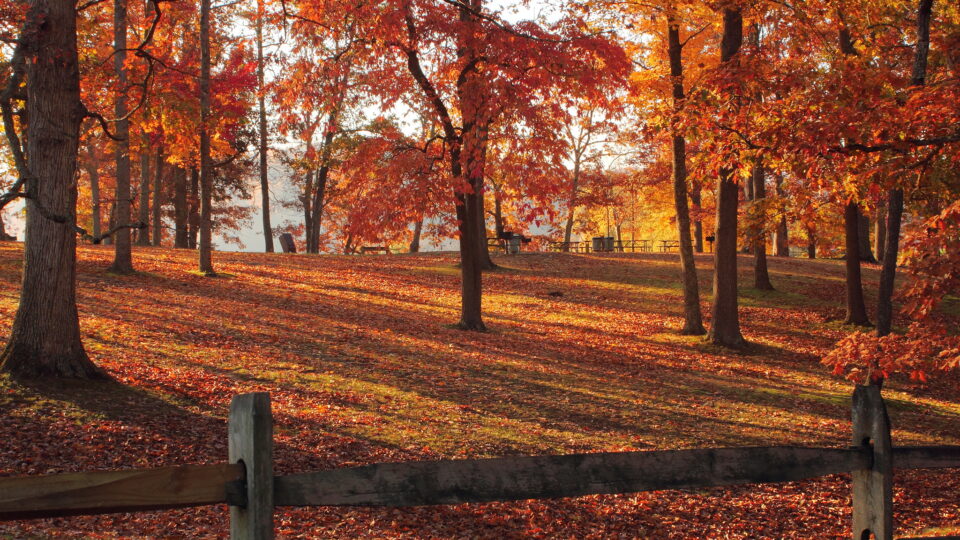
Photo, posted October 30, 2014, courtesy of Virginia State Parks via Flickr.

Earth Wise is a production of WAMC Northeast Public Radio.

Cities And Monarch Butterflies

August 13, 2019 By EarthWise Leave a Comment

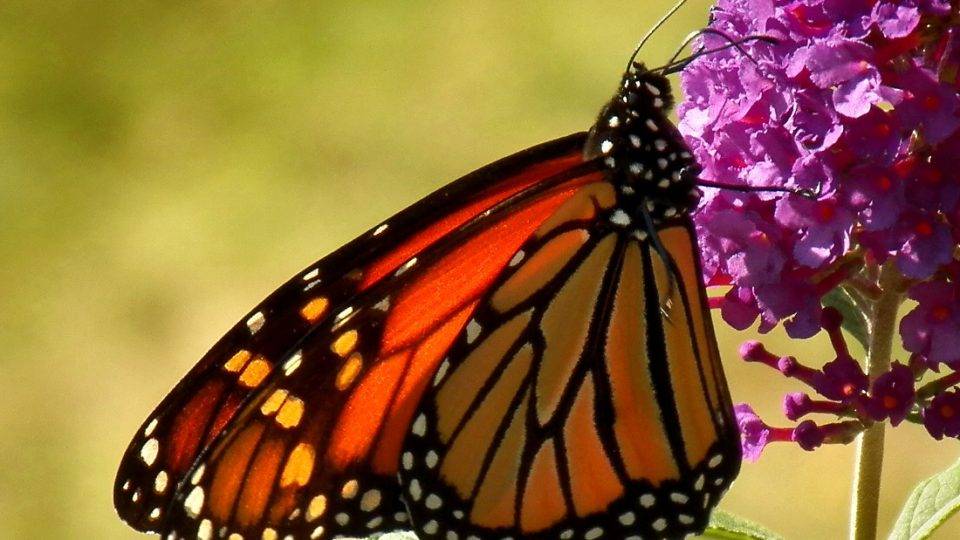
Monarchs are some of the most well-known butterflies in the U.S.   It is well-known that populations of the iconic orange-and-black butterflies have been in a steep decline for the last 20 years.  In fact, the Monarch population has declined by 80% over that period.

Milkweed, the only plant that Monarchs can lay their eggs on, continues to disappear across the United States and with it, the butterflies can disappear too.

Two new studies published in the journal Frontiers of Ecology and Evolution show that one of the most important things that can be done to save the Monarchs is to plant milkweed in cities.

We tend to think of cities as being the enemy of nature.  But metropolitan areas actually matter for wildlife conservation and that is especially true for pollinators like butterflies that can actually survive with very small patches of habitat.

The new study estimates the amount of habitat in cities that is available to Monarchs and other pollinators and how much more can potentially be added.  It looked at cities from the Monarch’s point of view by identifying the best places and most effective ways to engage land owners to transform low-quality green space – such as lawns – into high-quality homes for butterflies and other wildlife.

Just because urban dwellers can plant milkweed doesn’t always mean that they will.  There has to be a public perception that milkweed and other native flowers are acceptable and beautiful elements in home landscaping.  It will require some shifting of societal norms of what is desirable in neighborhood gardens in order for cities to be able to do their part in protecting butterflies and other species struggling in the modern world.

**********

Web Links

Cities are Key to Saving Monarch Butterflies

Photo, posted August 31, 2012, courtesy of Chris via Flickr.

Earth Wise is a production of WAMC Northeast Public Radio.

Primary Sidebar

Recent Episodes

  • An uninsurable future
  • Clean energy and jobs
  • Insect declines in remote regions
  • Fossil fuel producing nations ignoring climate goals
  • Trouble for clownfishes

WAMC Northeast Public Radio

WAMC/Northeast Public Radio is a regional public radio network serving parts of seven northeastern states (more...)

Copyright © 2026 ·