• Skip to primary navigation
  • Skip to main content
  • Skip to primary sidebar

Earth Wise

A look at our changing environment.

  • Home
  • About Earth Wise
  • Where to Listen
  • All Articles
  • Show Search
Hide Search
You are here: Home / Archives for harvard

harvard

Benefits of electric school buses

July 1, 2024 By EarthWise Leave a Comment

Converting to electric school buses

There are about half a million school buses in use in the U.S.  A large number of them are older, highly polluting diesel buses.  There are well-established health and climate benefits of switching from diesel vehicles to electric vehicles but making the switch is expensive.  Diesel buses generally cost between $65,000 to $120,000, depending on the type and configuration.  Electric buses cost about $250,000 each.

The substantial cost makes it a difficult decision for local, state, and federal officials, particularly since the actual magnitude of the benefits is not well known.

A new study by researchers at Harvard’s T.H. Chan School of Public Health has quantified these benefits.  According to the study, replacing each bus may yield up to $247,600 in climate and health benefits. These benefits derive from fewer greenhouse gas emissions and from reduced rates of adult mortality and childhood asthma. 

The study compared the amounts of carbon dioxide emitted from diesel bus tailpipes to the emissions associated with generating electricity for the buses and producing their batteries.  It also compared how these respective emissions contribute to fine particulate air pollution, which is linked to adult mortality and the onset of childhood asthma.  The study concluded that particularly in dense urban settings, the savings incurred from electrifying older school buses easily outweigh the costs of replacing them.

An important question not tackled in the study is how electric school buses impact children’s exposure to in-cabin air pollution while riding the bus.  This issue could further inform policy decisions.

**********

Web Links

Electric school buses may yield significant health and climate benefits, cost savings

Photo, posted May 9, 2008, courtesy of Christine H. via Flickr.

Earth Wise is a production of WAMC Northeast Public Radio

Saving Lives With Air Conditioning | Earth Wise

August 26, 2022 By EarthWise Leave a Comment

This summer, extreme heatwaves struck the United States, Europe, and Africa.  Thousands of people died as a result.  In July, the impact of extreme heat in places ill-prepared for it was evident.  In the U.K., where air conditioning is uncommon, public transportation shut down, schools and offices closed, and hospitals cancelled non-emergency procedures.

Air conditioning, which we mostly take for granted in this country, is a life-saving tool during extreme heat waves.  However, only about 8% of the 2.8 billion people living in the hottest – and often poorest – parts of the world have AC in their homes.

A new study at Harvard modeled the future demand for air conditioning as the number of days with extreme heat continues to increase across the globe.  The researchers identified a massive gap between current AC capacity and what will be needed by 2050 to save lives, particularly in low-income and developing countries.

If the rate of greenhouse gas emissions continues on its present course, the study concluded that that at least 70% of the population in several countries will require air conditioning by 2050.  The number will be even higher in equatorial countries like India and Indonesia.  At this point, even if the goals of the Paris Climate Accords are met, an average of 40-50% of the population in many of the world’s warmest countries will still require AC.

The research looked at various scenarios.  One in which emissions continue to increase leads to widespread need for air conditioning even in temperate countries.  In Germany, 92% of the population would need it, and here in the U.S., 96% would need it.

Planning for future power systems must take into account the essential needs of a warming world.

**********

Web Links

In a hotter world, air conditioning isn’t a luxury, it’s a lifesaver

Photo, posted July 24, 2021, courtesy of Phyxter Home Services via Flickr.

Earth Wise is a production of WAMC Northeast Public Radio.

Narwhal Tusks And Stories Teeth Can Tell | Earth Wise

February 4, 2020 By EarthWise Leave a Comment

teeth can tell stories narwhal tusks

Teeth and particularly narwhal tusks are getting some unusual press recently when one of them was the weapon of choice to fend off the London Bridge attacker, which was a good choice according to Harvard dental researcher Dr. Martin Nweeia.  Turns out that narwhal tusks have some pretty amazing physical features.  They exhibit both extreme strength and flexibility at the same time.  The narwhal is known as the unicorn of the sea, a pale-colored, medium-sized whale found in Arctic coastal waters and rivers.  In males, the more prominent tooth grows into a sword like, spiral tusk up to 8.8 feet long.

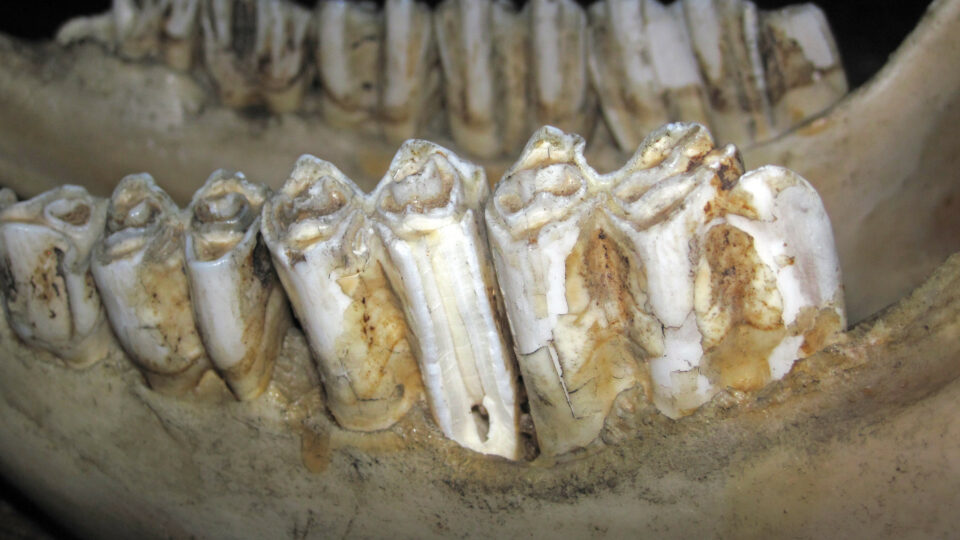
Changes in the shape of teeth over time can tell us about climate change. Adaptations in horse teeth 55 million years ago from North America were observed and caused by changes in climate, favoring different food sources.  The horses changed their diets from fruit to more favorable grasses and their teeth changed in response. For this same reason, the teeth of elephants adapting in different environments of Asia and Africa have different tooth forms.  Both eat plants but Asian elephants, with more ridges on their teeth, eat larger amounts of grasses while African elephants, with wider spread ridges, eat more leaves. 

Teeth have been used to link land mass theories like the Bering Land Strait Theory, hypothesizing that North America and Asia were once one land mass. The teeth shape and form of people on both sides of the Bering Land Bridge shared a common “mongoloid dentition” with unique features. And so, can the narwhal tusk tell us something about a changing Arctic?  Scientists have discovered that the narwhal tusk is a giant sensory organ that is able to continually monitor its environment and has the ability to detect ice formation, and melt, both capabilities helpful for surviving in a changing Arctic.

**********

–Earth Wise acknowledges script contribution from Dr. Martin Nweeia of Harvard University.

Web Links

Fossil teeth reveal new facts about a mass extinction 260 million years ago

From the Horse’s Mouth: Teeth Reveal Evolution

Photo, posted April 3, 2019, courtesy of James St. John via Flickr.

Earth Wise is a production of WAMC Northeast Public Radio.

Cleaner Air For China

December 5, 2018 By EarthWise Leave a Comment

https://earthwiseradio.org/wp-content/uploads/2018/12/EW-12-05-18-Cleaner-Air-for-China.mp3

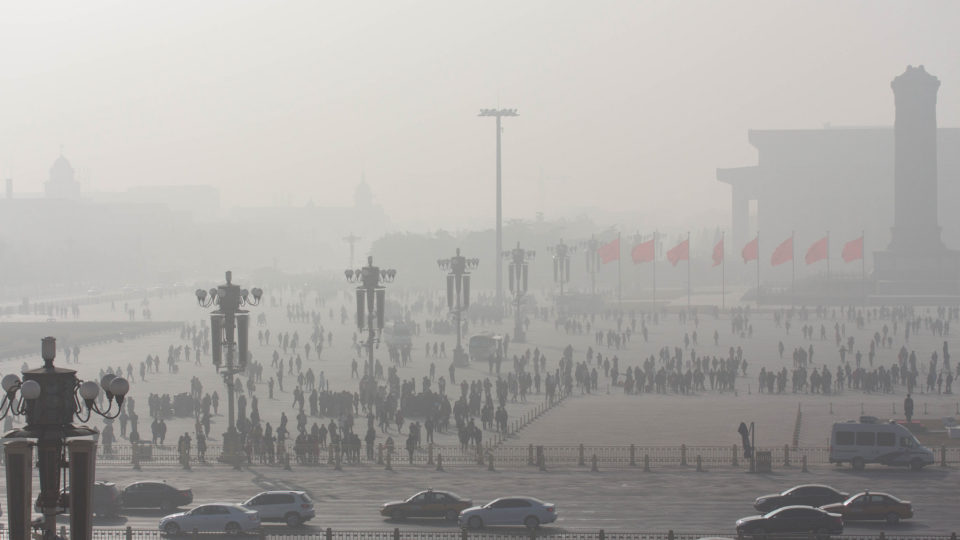
For more than 15 years, the Chinese government has been grappling with some of the deadliest air pollution in the world.  Extreme pollution events are a regular wintertime occurrence and health experts estimate that more than a million people die each year in China from particulate air pollution.

[Read more…] about Cleaner Air For China

Biomimicry Is Big

February 8, 2018 By EarthWise Leave a Comment

https://earthwiseradio.org/wp-content/uploads/2018/02/EW-02-08-18-Biomimicry-is-Big.mp3

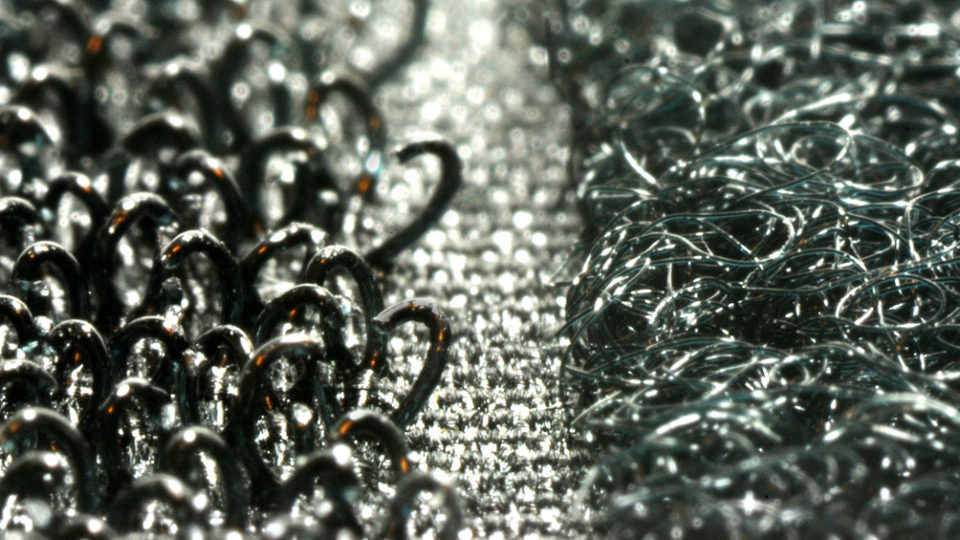
Biomimicry is learning from and then emulating nature’s forms, processes, and ecosystems to create more sustainable designs.   Mother Nature is already the inspiration for countless products and designs ranging from Velcro copied from plant burs to the shape of wind turbines modeled after whale fins.  There are wetsuits inspired by beaver pelts and office buildings that copy termite dens.  Increasingly, innovators are looking at nature for designs in architecture, chemistry, agriculture, energy, health, transportation, computing, and even for the structure of organizations and cities.

[Read more…] about Biomimicry Is Big

Carbon From The Alaskan Tundra

June 15, 2017 By EarthWise

https://earthwiseradio.org/wp-content/uploads/2017/06/EW-06-15-17-Carbon-from-the-Alaskan-Tundra.mp3

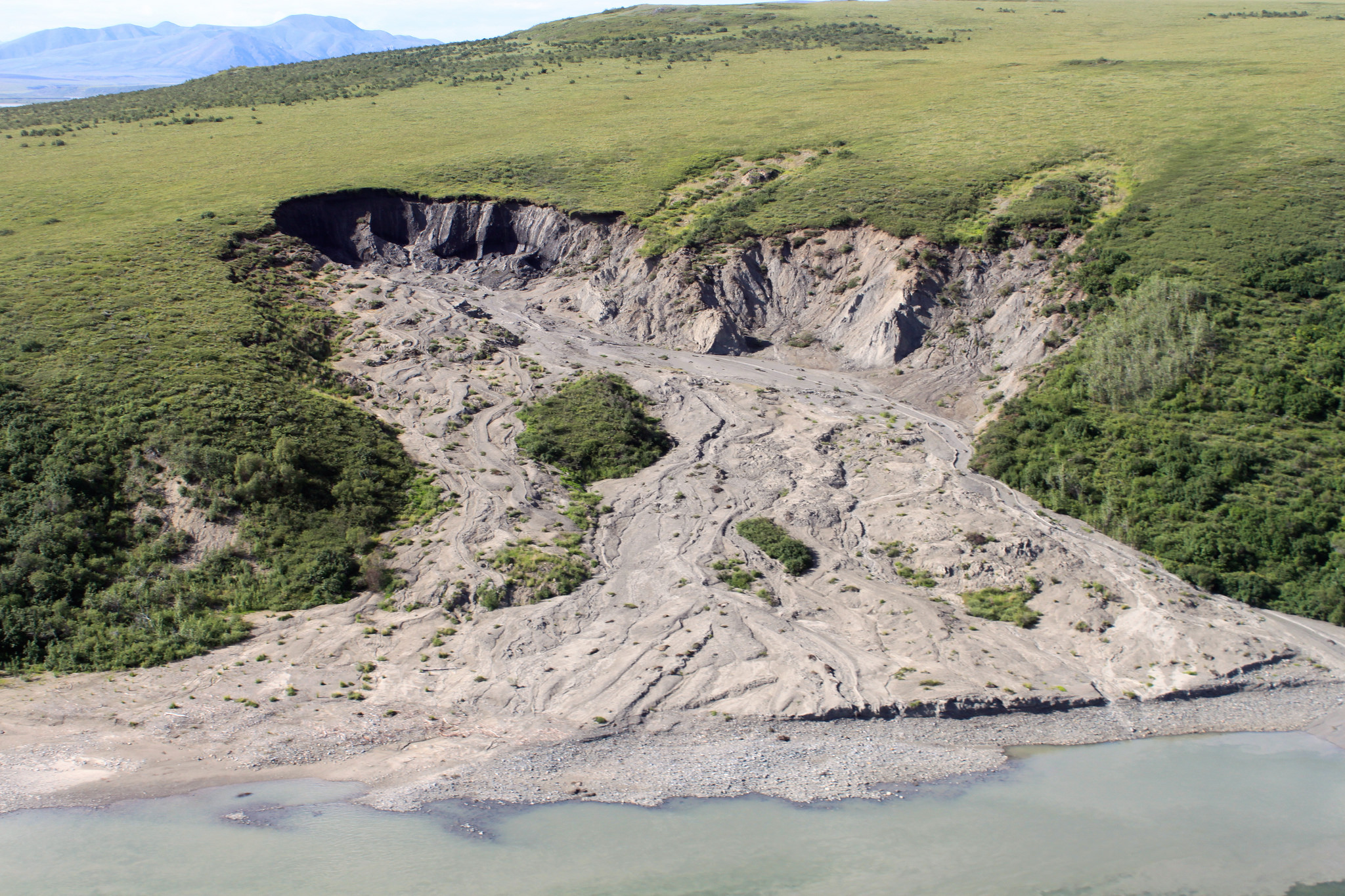
The soils that encircle the northern reaches of the Arctic are a vast repository for carbon in the form of undecayed organic matter from dead vegetation.  The enormous amount of material trapped in the permafrost contains enough carbon to double the current amount of carbon dioxide in the Earth’s atmosphere.

[Read more…] about Carbon From The Alaskan Tundra

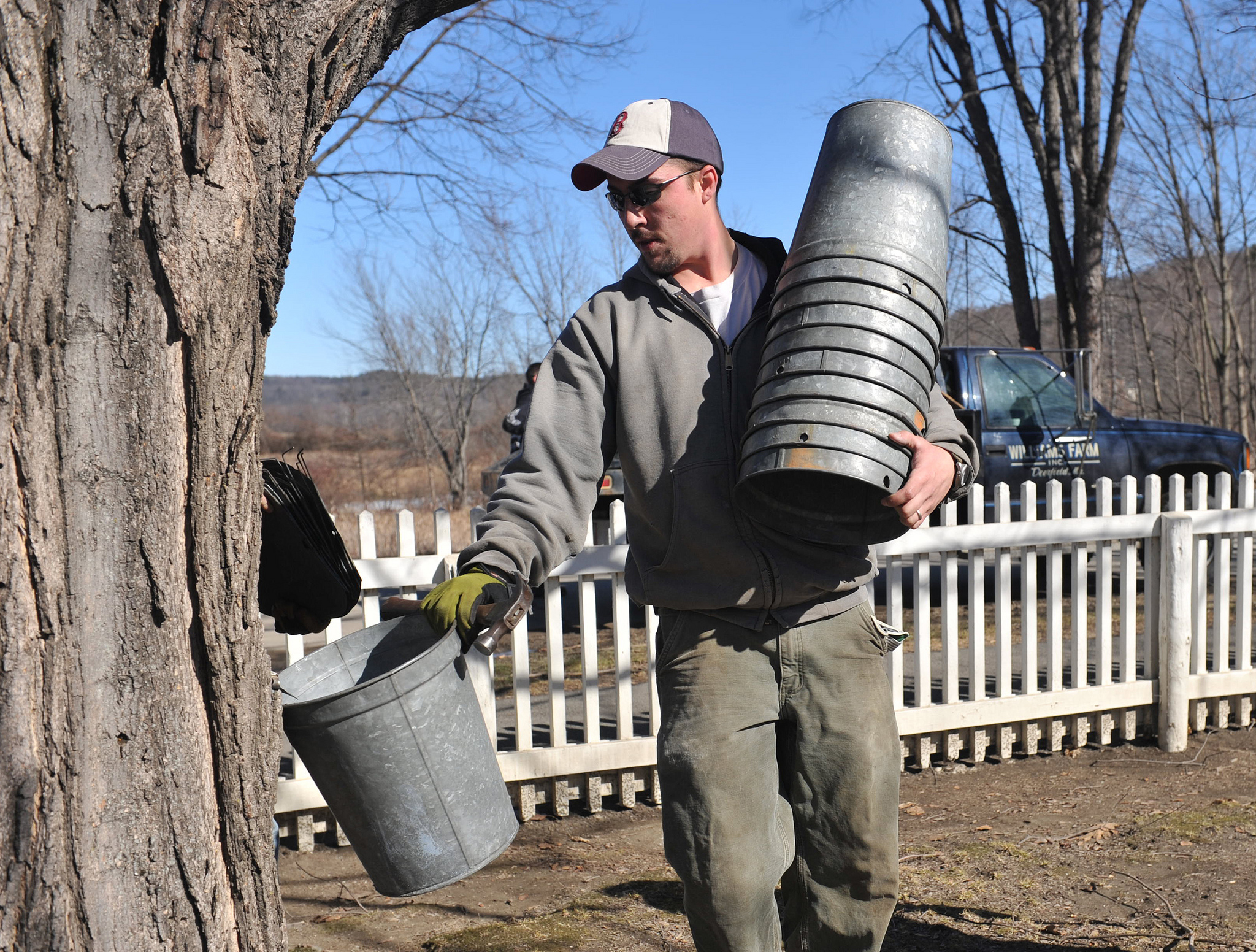
Declining Sugar Maples

December 23, 2015 By WAMC WEB

https://earthwiseradio.org/wp-content/uploads/2015/12/EW-12-23-15-Sugar-Maples.mp3

The sugar maple, one of the most economically and ecologically important trees in the eastern United States and Canada, is showing signs of being in decline, according to scientists at SUNY’s College of Environmental Science and Forestry and Harvard Forest.

[Read more…] about Declining Sugar Maples

Primary Sidebar

Recent Episodes

  • An uninsurable future
  • Clean energy and jobs
  • Insect declines in remote regions
  • Fossil fuel producing nations ignoring climate goals
  • Trouble for clownfishes

WAMC Northeast Public Radio

WAMC/Northeast Public Radio is a regional public radio network serving parts of seven northeastern states (more...)

Copyright © 2026 ·