• Skip to primary navigation
  • Skip to main content
  • Skip to primary sidebar

Earth Wise

A look at our changing environment.

  • Home
  • About Earth Wise
  • Where to Listen
  • All Articles
  • Show Search
Hide Search
You are here: Home / Archives for harmless

harmless

An eco-friendly detergent

May 8, 2025 By EarthWise Leave a Comment

Researchers developing an eco-friendly detergent

Household products such as laundry detergents and dishwasher tablets are an indispensable part of everyday life, but such products contain all sorts of chemicals that have undesirable properties.  Many are difficult to break down when they enter the environment, and some add nutrients that trigger environmentally harmful algal blooms.   The ingredient lists for even what are described as environmentally friendly cleansing products can be filled with lots of polysyllabic chemicals with unknown potential impacts.  Detergents made from harmless stuff are often difficult to make, hard to rinse off, and sometimes potentially damaging to fabrics.

Researchers at Tianjin University in China have developed an environmentally friendly detergent made of tiny wood fibers and corn protein that removes stains from clothes and dishes as well as commercial products.

The researchers combined cellulose nanofibers from wood with zein protein, which is taken from corn, to produce an emulsion.  The cellulose can attract and repel water and can form emulsions and attract various kinds of stains.  The zein protein helps to stabilize the emulsion and trap oils.

They tested the new detergent by cleaning cotton cloth and dishes stained with ink, chili oil, and tomato paste.  They compared the results against commercial laundry detergent and dish soap.  Their new detergent was somewhat less effective than the commercial products when used at 1% concentration but was more effective when used at a 5% concentration. 

The results suggest that this natural detergent could be an efficient, cost-effective, and sustainable alternative to the synthetic cleaning agents that currently dominate the market.

**********

Web Links

Researchers create eco-friendly detergent from wood fiber and corn protein

Photo, posted July 31, 2009, courtesy of Mei Anne Mendoza via Flickr.

Earth Wise is a production of WAMC Northeast Public Radio

Removing microplastics from water

April 23, 2025 By EarthWise Leave a Comment

A new way to remove microplastics from water

Microplastics come from the breakdown of larger plastics in the environment as well as from direct use in various products such as certain cosmetics.  They are found everywhere, from oceans and mountain peaks to the air and water, and alarmingly, in our bodies.  They are ingested by all sorts of organisms, from tiny plankton to fish and marine mammals.  Microplastics just don’t go away.  They don’t biodegrade so they simply accumulate in the environment.

Researchers at North Carolina State University have recently demonstrated proof of concept for a system that actively removes microplastics from water.  Such a system has the potential for helping to cleanse oceans and other bodies of water from the tiny plastic particles.

The system makes use of soft dendritic colloids, which are tiny particles that have the ability to stick to just about any surface.  These sticky particles can attract microplastics and grab them, even in wet and salty conditions.  The colloids are made from chitosan, a harmless and biodegradable polymer made from processed shellfish waste.

The researchers produced small pellets of the colloids that also contain small amounts of magnesium, which makes them bubble up and rise to the surface of water.  The pellets are coated with a gelatin layer, which blocks the magnesium.  As the gelatin gradually dissolves away, the pellets collect microplastics.  Eventually, the result is a microplastic-laden scum that rises to the surface where it can be skimmed away.

The scum itself can be bioprocessed into more chitosan that can create more of these microcleaner pellets to then capture more microplastics.  The researchers are investigating how the process can be scaled up to become a valuable tool in dealing with the microplastics problem.

**********

Web Links

New Water Microcleaners Self-Disperse, Capture Microplastics and Float Up for Removal

Photo, posted January 17, 2018, courtesy of Bo Eide via Flickr.

Earth Wise is a production of WAMC Northeast Public Radio
Growing safer potatoes

January 15, 2025 By EarthWise Leave a Comment

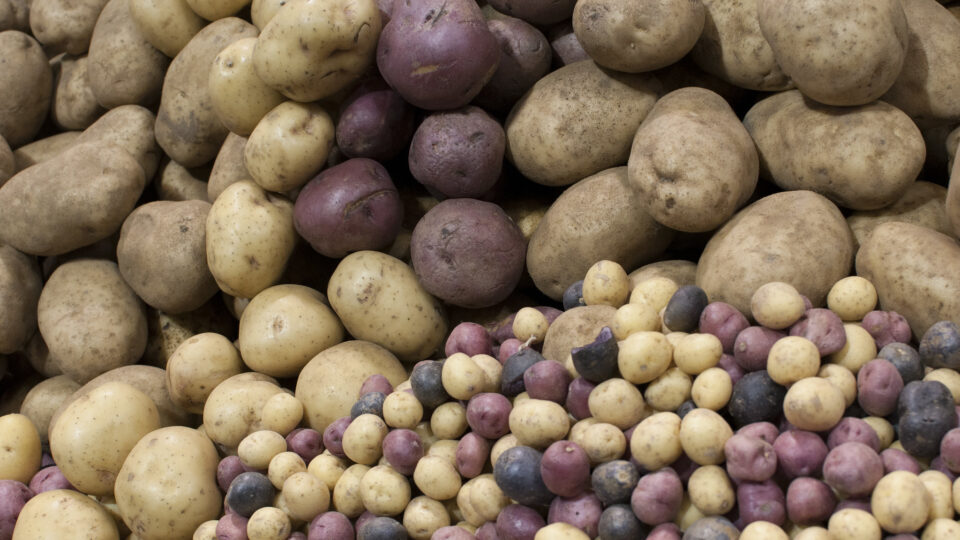
We are often advised to avoid eating green areas on potatoes.  The green comes from chlorophyll that occurs naturally when potatoes are exposed to light.  It is harmless but when it is there, it can be accompanied by a natural toxin – a substance called solanine, which is a steroidal glycoalkaloid or SGA.  Sunlight can produce solanine as well as chlorophyll.  Solanine is produced by plants to protect them from insects. 

Solanine is bitter tasting so one is unlikely to consume much of it.  But consuming enough of it can lead to gastrointestinal complications like diarrhea, abdominal pain, vomiting, and sweating. 

Researchers at the University of California Riverside have discovered a way to eliminate toxic compounds from potatoes, making them safer to eat and easier to store.  They have identified a key genetic mechanism in the production of SGAs.  They found a specific protein that controls the production and believe it will be possible to control where and when SGAs are produced.  Thus, it may be possible to have SGAs present in the leaves of potato plants, thereby protecting them from insects, while having none in the potatoes themselves.  By limiting SGAs to non-edible parts of plants, they can be safer and more versatile plants.  For example, modified potatoes could be stored in sunny places without worry and would always be safe to eat.

Plants have evolved ingenious ways to balance growth, reproduction, and defense.  Our growing understanding of these mechanisms can allow people to redesign crops to meet modern needs, increase food safety, and reduce food waste.

**********

Web Links

Growing safer spuds: Removing toxins from potatoes

Photo, posted October 14, 2013, courtesy of Elton Morris via Flickr.

Earth Wise is a production of WAMC Northeast Public Radio
Attack of the giant goldfish

January 15, 2024 By EarthWise Leave a Comment

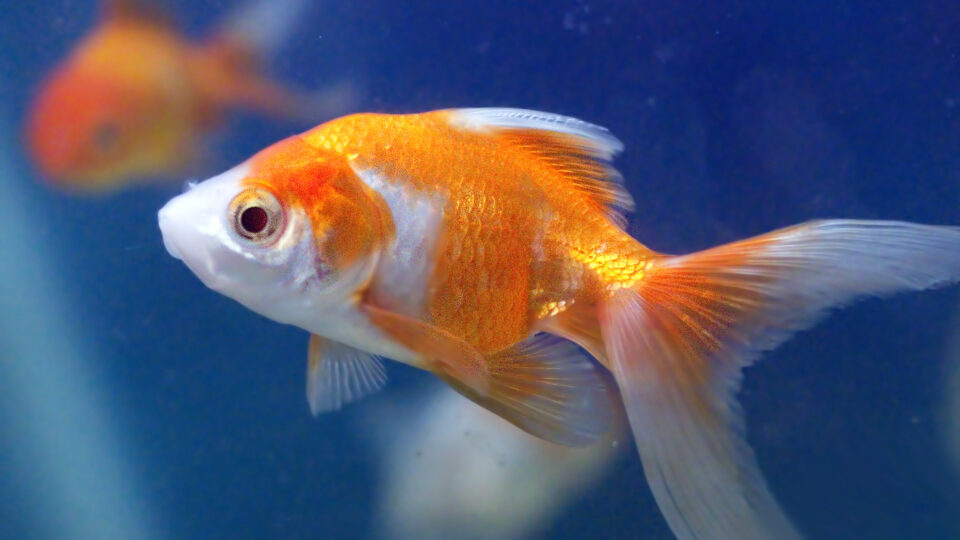
Giant goldfish are an invasive species

Goldfish are just about the easiest pets to keep.  A species of carp native to East Asia, they have been bred to look pretty and are generally little more than home décor.  We keep them in little glass bowls and feed them mysterious flakes out of a container.  With these confined quarters and meager meals, they remain small, harmless creatures.  But released into the wild, it is a very different story.

People dump pet goldfish into lakes and ponds with some frequency.  Once they are in the wild, these humble creatures can grow to monstrous proportions.  They can eat nearly anything, including algae, aquatic plants, eggs, and invertebrates.  They can kill off native marine wildlife and damage or even destroy fragile and economically valuable ecosystems.

For a few years, Canadian researchers have been tracking invasive goldfish in Hamilton Harbour, at the western tip of Lake Ontario, about 35 miles southwest of Toronto.  That part of the lake has been decimated by industrial and urban development as well as by invasive species.

Goldfish were first spotted in the harbor in the 1960s, mostly died off in the 70s because of industrial contamination, but then recovered in the 2000s.  Goldfish can tolerate a wide range of water temperatures, reach sexual maturity quickly, and can reproduce several times in one season.  In resource-rich places, they can grow up to 16 inches long, making them too large a meal for many predators.

There are literally millions of goldfish in the Great Lakes and not only there.  Feral goldfish are a problem in Australia and in the United Kingdom.  Invasive species are a big problem, even if they start out small and cute.

**********

Web Links

Once They Were Pets. Now Giant Goldfish Are Menacing the Great Lakes.

Photo, posted September 20, 2015, courtesy of Watts via Flickr.

Earth Wise is a production of WAMC Northeast Public Radio

Protecting berries with sunflower extract

November 30, 2023 By EarthWise Leave a Comment

Using sunflower extract to protect berries from molding

Many of us buy blueberries, raspberries, blackberries, and more in those little clear plastic clamshell boxes.  We try to check them out at the store to make sure they are ok and even if are, many soon end up coated with gray mold and other fungi.  It is a problem that is both disappointing and expensive.

Researchers from several Chinese Universities recently reported that compounds extracted from sunflower crop waste are quite effective at preventing rotting in blueberries.  They suggest that the food industry could use these natural compounds to protect berries from postharvest diseases.

Sunflowers are grown globally for their seeds and oil.  The flower stems themselves are generally considered to be a waste product.  Sunflowers are known to be particularly resistant to many plant diseases so the researchers decided to investigate whether there might be chemical constituents within the plants that are responsible for the protective property.

Their research led to the isolation of 17 different compounds known as diterpenoids, including four that have never been identified before.  They found that 4 of the compounds, including 2 of the newly discovered ones, were effective at preventing the growth of fungus on the blueberries. 

Berries were wetted with the compounds and then dried off and injected with mold spores.  Half of the treated berries were protected from the mold.

There is no reason that the method couldn’t be applied to a variety of crops.  There is great appeal in the concept of using a harmless extract from a plant to render a food crop safe from fungal infestation.  The technique holds great promise in preventing postharvest disease in fruit.

**********

Web Links

Sunflower extract fights fungi to keep blueberries fresh

Photo, posted August 26, 2006, courtesy of Liz West via Flickr.

Earth Wise is a production of WAMC Northeast Public Radio

Lampshades And Indoor Air Pollution | Earth Wise

September 26, 2023 By EarthWise Leave a Comment

Converting indoor air pollution into harmless compounds

We mostly think of air pollution as an outdoor problem.  Common sources of air pollution include emissions from vehicles, byproducts of manufacturing and power generation, and smoke from wildfires.  What we don’t often spend a lot of time thinking about is indoor air quality. 

Indoor air pollution refers to harmful pollutants within buildings and structures, which can lead to a myriad of health issues.  Sources of indoor air pollution include smoke from tobacco products, as well as volatile organic compounds (VOCs), including acetaldehyde and formaldehyde, emitted from things such as paints, cleaning products, plastics, and cooking. 

A team of scientists from South Korea’s Yonsei University has developed a special coating that when applied to lampshades can convert pollutants into harmless compounds.  Composed of titanium dioxide and a small amount of platinum, this thermocatalyst can be applied to the inside surface of a lampshade and is triggered to break down VOCs when warmed by the lamp’s existing incandescent or halogen bulb.

In lab tests, the coating was applied to the inside of an aluminum lampshade, warmed by a halogen bulb, and then placed into a sealed chamber containing air and acetaldehyde gas.  The researchers found that the material quickly converted the gas into acetic acid, then into formic acid, and finally into carbon dioxide and water. The scientists are now looking for ways to extend the pollutant-destroying-lampshade concept to LED lightbulbs. 

The findings offer a promising and eco-friendly solution to improve indoor air quality and reduce the health risks associated with prolonged exposure to VOCs. 

**********

Web Links

Clever coating turns lampshades into indoor air purifiers

Photo, posted March 21, 2009, courtesy of Levent Ali via Flickr.

Earth Wise is a production of WAMC Northeast Public Radio
Biosurfactants And Oil Spills | Earth Wise

August 22, 2023 By EarthWise Leave a Comment

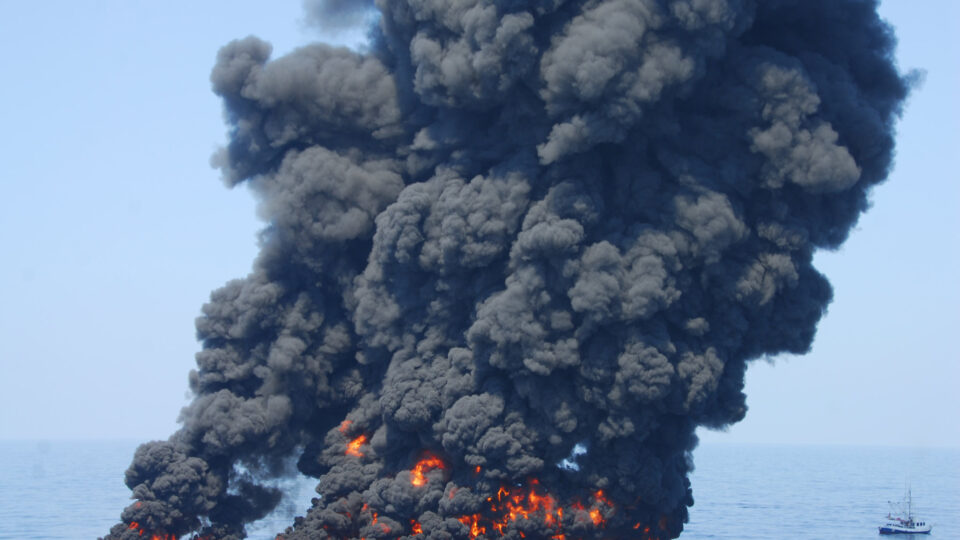
About 400 million gallons of oil leaks into the ocean every year.  This is a major source of environmental pollution.  Oil contains many hazardous compounds that are toxic or mutagenic for marine organisms. 

When oil spill incidents occur, large quantities of chemical dispersants, sometimes as much as millions of gallons, are applied to dissolve oil slicks, prevent oil from reaching coastlines, and enhance the dispersion of the oil in the water.  The hope for doing this is that microbial oil degradation will be enhanced as a result.  Certain microorganisms present in the water can feed on crude oil components and break them down into harmless substances.

A study at the University of Stuttgart in Germany in 2015 showed that chemical dispersants in fact can slow down microbial oil degradation and therefore inhibit water purification.  The oil components need to be broken down sufficiently for them to be bioavailable to microorganisms.  The study found that dispersants were not accomplishing this.

A new study by the same group along with researchers from the University of Tubingen in Germany and the University of Georgia has found that using biosurfactants rather than chemical dispersants stimulates different microbial oil degraders with respect to their growth and activity and can enhance our ability to deal with oil spills.   Treating the water with the biosurfactant rhamnolipid rather than any of the generally-used dispersants provided much higher rates of microbial breakdown of oil components.

The hope is that this work can lead to the development of effective and environmentally friendly approaches to combatting oil spills.

**********

Web Links

Biosurfactants might offer an environmentally friendly solution for tackling oil spills

Photo, posted June 11, 2010, courtesy of Deepwater Horizon Response via Flickr.

Earth Wise is a production of WAMC Northeast Public Radio
Decontaminating Drinking Water | Earth Wise

July 24, 2023 By EarthWise Leave a Comment

Researchers are developing a new method for decontaminating drinking water

At least two billion people around the world often drink water that is contaminated with disease-causing microbes.  Waterborne diseases are responsible for two million deaths each year, mostly among children under the age of five.

There are various ways to decontaminate water, including chemicals that can themselves produce toxic byproducts as well as using ultraviolet light, which takes fairly long to disinfect the water and requires a source of electricity. 

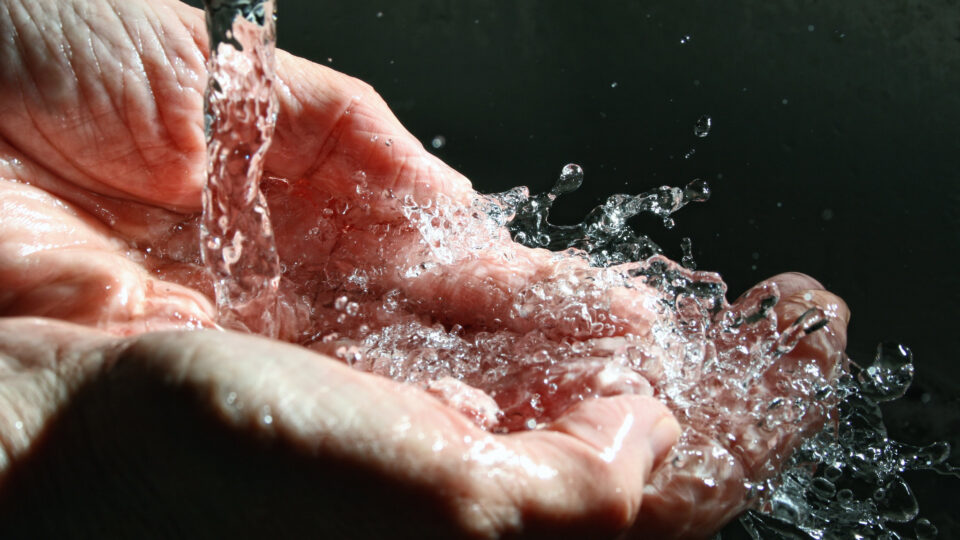
Scientists at Stanford University and the SLAC National Accelerator Laboratory have recently invented a low-cost, recyclable powder that kills thousands of waterborne bacteria every second when the water containing it is exposed to ordinary sunlight.  The discovery of this ultrafast disinfectant could be a tremendous benefit to the nearly 30% of the world’s population with no reliable access to safe drinking water.

The new disinfectant is a harmless metallic powder that works by absorbing both ultraviolet and high-energy visible light from the sun.  It consists of nano-sized flakes of aluminum oxide, molybdenum sulfide, copper, and iron oxide.  The key innovation is that when these four metallic ingredients are immersed in water, they all function together by reacting with the surrounding water and generating chemicals that quickly kill bacteria. The chemicals themselves don’t last long.  They quickly break down in the water leaving completely safe drinking water.

The nontoxic powder is recyclable.  It can be removed from water with a magnet.  It can also be reused at least 30 times.  Apart from its uses in less developed parts of the world, it could be valuable for hikers and backpackers who want to drink water from natural sources of unknown quality.

**********

Web Links

New nontoxic powder uses sunlight to quickly disinfect contaminated drinking water

Photo, posted February 27, 2013, courtesy of Petras Gagilas via Flickr.

Earth Wise is a production of WAMC Northeast Public Radio

Shipping And The Endangered Whale Shark | Earth Wise

June 9, 2022 By EarthWise Leave a Comment

Whale shark population continues to decline

Whale sharks are the largest fish in the world.  While they measure up to 60 feet long and weigh up to 15 tons – larger and heavier than a school bus – whale sharks are actually harmless.  They are a graceful, slow-moving, filter-feeding carpet shark.  They are found in marine environments around the world and play an important role in the marine food web and healthy ocean ecosystems.

Whale sharks are an endangered species.  According to the International Union for Conservation of Nature, growing human pressures are putting whale sharks at an increased risk of extinction.  The numbers of these gentle giants have declined by more than 50% over the last 75 years despite many international protections.  Fishing bycatch, poaching, and collisions with ships are the main drivers of the population decline. 

According to new research from marine biologists from the Marine Biological Association and the University of Southampton in the U.K., lethal collisions between whale sharks and large ships are vastly underestimated, and could be the reason why populations are continuing to fall.  Whale sharks spend a large amount of time in surface waters in coastal regions, and the research team theorized that collisions with ships could be causing significant whale shark deaths. 

In the study, researchers tracked the global movements of both ships and whale sharks, and then mapped so-called hotspots where their movements overlapped.  The research team found that more than 90% of whale shark movements fell under the footprint of shipping activity.

While many conservation measures have been taken to protect whale sharks, no international regulations currently exist to protect them from ship collisions.  The researchers say it’s time for that to change. 

********** 

Web Links

Shipping poses significant threat to the endangered whale shark

Whale sharks (Rhincodon typus)

Global collision-risk hotspots of marine traffic and the world’s largest fish

Photo, posted July 8, 2010, courtesy of Marcel Ekker via Flickr.

Earth Wise is a production of WAMC Northeast Public Radio.

Cleaning Up Abandoned Wells | Earth Wise      

March 3, 2022 By EarthWise Leave a Comment

Addressing the abandoned oil and gas wells

There are 130,000 documented abandoned oil and gas wells in the US, according to the Department of the Interior.  The key word is documented.  According to an EPA study in 2018, the actual number of abandoned wells could be as high as two or three million.  According to an analysis by the Environmental Defense Fund and McGill University, about nine million people in the United States live within a mile of one of these wells.

Some of these wells might be fairly harmless, and others might be quite dangerous.  Wells can emit a variety of gasses, including methane, which is a far stronger greenhouse gas than carbon dioxide.  Leaking wells are a major source of air and groundwater pollution.  Apart from methane, substances such as arsenic can continue to leak from wells even after they are no longer operational.

At the end of January, the Biden Administration announced a series of new actions to tackle methane pollution.  Among these measures is $1.15 billion in funds from the Department of the Interior that states can use to seal up abandoned oil and gas wells.  That funding comes from the Bipartisan Infrastructure Law passed in November, which sets aside $4.7 billion for a federal program dedicated to orphaned wells.

Addressing the largely ignored problem of abandoned wells is important from the standpoint of climate pollution as well as human health.  Efforts to plug the wells will also provide high-paying jobs

Other methane-reduction measures include increased enforcement from the Department of Transportation on reducing pipelines leaks, research funding for limiting methane emissions from beef and dairy farming, and technical assistance from the Department of Energy on well-plugging efforts.

**********

Web Links

Photo, posted March 23, 2011, courtesy of David Stone via Flickr.

Earth Wise is a production of WAMC Northeast Public Radio.

Primary Sidebar

Recent Episodes

  • An uninsurable future
  • Clean energy and jobs
  • Insect declines in remote regions
  • Fossil fuel producing nations ignoring climate goals
  • Trouble for clownfishes

WAMC Northeast Public Radio

WAMC/Northeast Public Radio is a regional public radio network serving parts of seven northeastern states (more...)

Copyright © 2025 ·