• Skip to primary navigation
  • Skip to main content
  • Skip to primary sidebar

Earth Wise

A look at our changing environment.

  • Home
  • About Earth Wise
  • Where to Listen
  • All Articles
  • Show Search
Hide Search
You are here: Home / Archives for grocers

grocers

Plastic food packaging

May 9, 2024 By EarthWise Leave a Comment

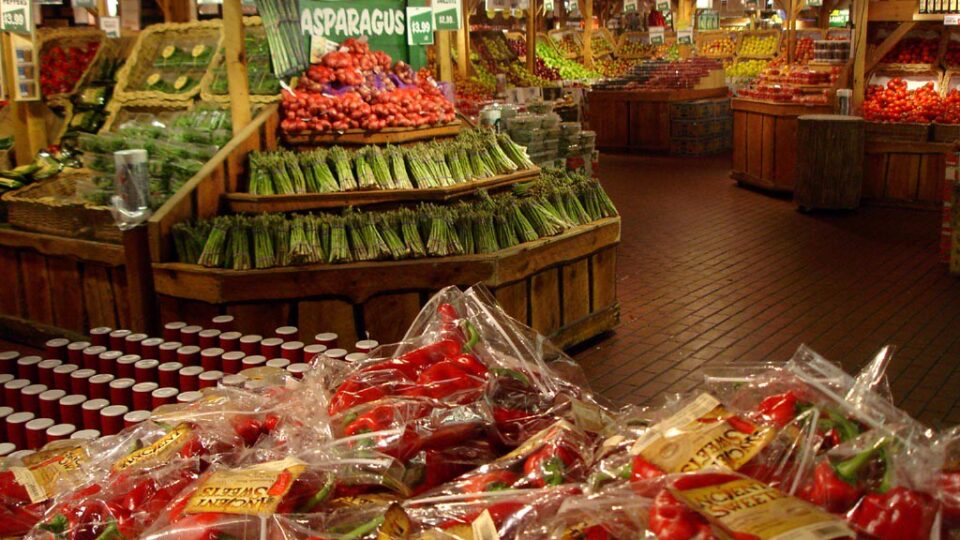
Reducing the use of plastic is an important environmental goal.  Plastic is made from fossil fuels and plastic pollutes the land and the oceans.  It is estimated that 40% of plastic waste comes from packaging.  Plastic packaging is extremely common in the supermarket and there is a growing desire to reduce its use.  But it isn’t that easy.

Plastic packaging works well to slow the decay of vegetables and fruit.  Its use results in less produce being tossed into the garbage, where it creates almost 60% of landfill methane emissions.  In fact, food is the most common material in landfills.  The average American family of four spends $1,500 a year on food that ends up uneaten and nearly half of all household food waste is fruits and vegetables.

Products like bagged salads, berries in plastic clamshells, and plastic sealed potatoes and cucumbers are popular with shoppers because they stay fresh longer.  They are popular with grocers because the items don’t have to be weighed.  But all these things result in plastic waste.  It is a tradeoff that is difficult to make between food quality and safety vs. the environmental harm caused by plastic.

There are a variety of alternatives to plastic packaging of food that are being explored.  They range from biodegradable, organic coatings that can take the place of plastic films, to cardboard and paper produce packaging. 

But practically, there is yet no affordable and biodegradable plastic alternative that keeps fruits and vegetables safe and fresh.  Solving the food packaging problem is not easy.

**********

Web Links

So Much Produce Comes in Plastic. Is There a Better Way?

Photo, posted July 1, 2007, courtesy of Brian via Flickr.

Earth Wise is a production of WAMC Northeast Public Radio
Food Waste And Access To Groceries | Earth Wise

March 19, 2020 By EarthWise 1 Comment

access to groceries can reduce food waste and emissions

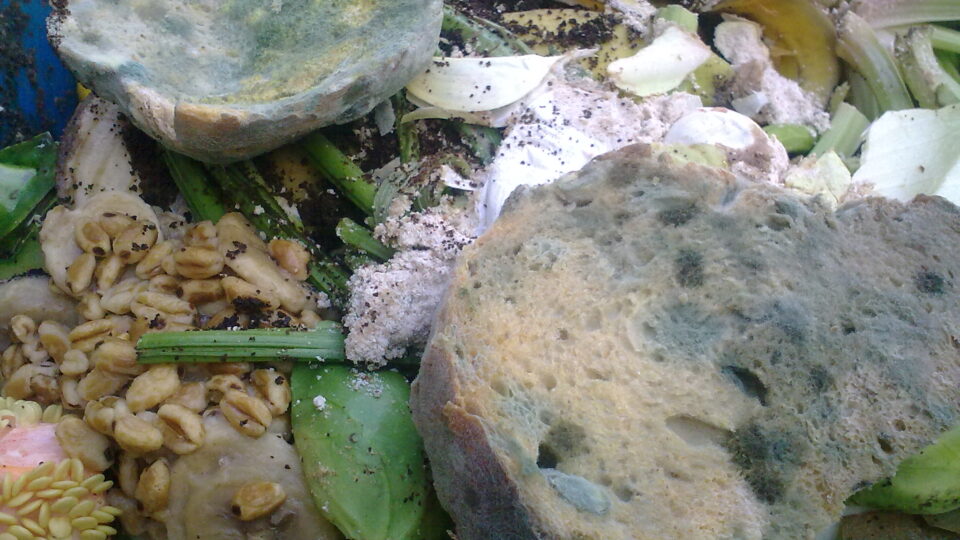
One-third of all food produced is wasted, which turns out to be a major contributor to carbon emissions.  Most of the carbon emissions associated with food waste are related to the production of the food.  Reducing waste would trickle through the supply chain over time and ultimately less food would be produced.

A study at Cornell’s SC Johnson College of Business looked at a particular strategy for reducing food waste’s environmental impact:  opening more grocery stores.

It turns out that the more stores there are, the lower food waste will be.  Cornell Professor Elena Belavina created a model that incorporates data from the grocery industry, the U.S. Census Bureau, and other academic studies.

When applied to Chicago, which is typical of many American cities, the model predicts that by adding just three or four markets within four-square-mile area, food waste would be reduced by 6 to 9 percent.  This would achieve an emissions reduction comparable to converting more than 20,000 cars from fossil fuels to electric power.  According to the model, not only would food waste be reduced, but so would grocery bills.  By trimming food waste and travel costs, consumers would spend up to 4% less.

Most big cities are well below their ideal density of grocery stores that would minimize food waste. When consumers can purchase perishable goods nearby, they shop more often but buy less each time.  There is less food sitting at home, so there is a much lower likelihood that food will spoil.

New York City, which has an abundance of produce stands and neighborhood markets, comes close to having the ideal density of markets.  Basically, the way to reduce food waste is to bring less groceries home.

**********

Web Links

Better access to groceries could reduce food waste, emissions

Photo, posted March 22, 2009, courtesy of Nick Saltmarsh via Flickr.

Earth Wise is a production of WAMC Northeast Public Radio.

Australian Plastic Bag Ban

December 31, 2018 By EarthWise Leave a Comment

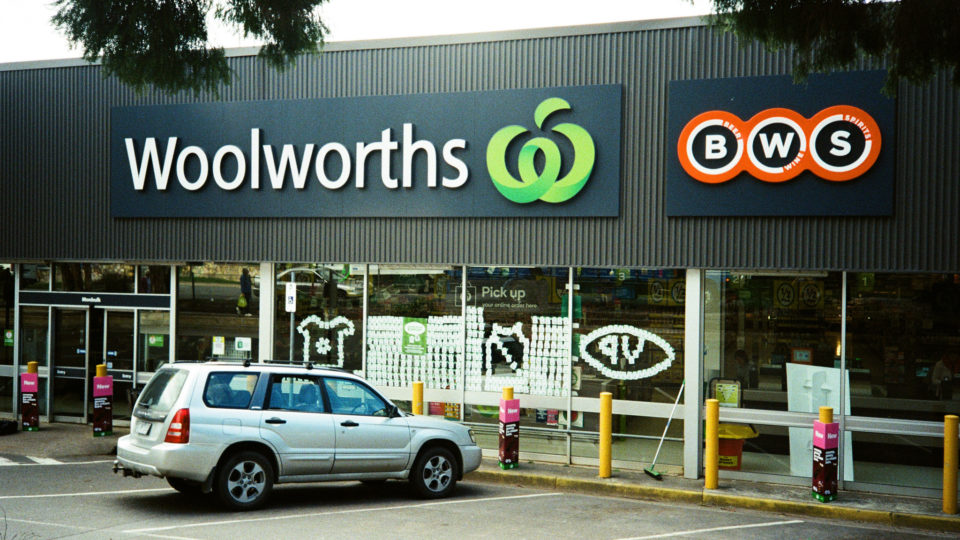
Last summer, the two largest supermarket chains in Australia – Coles and Woolworth’s – decided to stop offering single-use disposable plastic bags to customers.  The initial public reaction was decidedly negative.   However, within just three months after the radical change, the country’s National Retail Association reported an 80% drop in the consumption of plastic bags nationwide.

In that three-month period, it is estimated that 1.5 billion bags have been prevented from use.   Some retailers are reporting reduction rates as high as 90% in the use of the bags.  The move by the big supermarkets has paved the way for smaller businesses to follow suit. The smaller businesses typically can’t afford to risk the wrath of their customers with a major change like this. Customers have to learn to bring their own bags or buy reusable bags at the store.

In much of Australia, the phase-out of plastic bags has been legislated, but the state of New South Wales, home to Sydney, the country’s largest city, has not enacted such legislation. So, supermarkets themselves are doing the work of getting rid of the bags.

The change has not been without hiccups.  For the first couple of months after the plastic bag ban was put in place, Woolworth’s saw poor sales in its stores.  However, customers eventually got used to the new way of doing things and sales levels returned.

Disposable plastic bags often find their way into the oceans where they break down into microparticles. Studies have shown that these plastic bits are ingested by a wide variety of marine life.  For example, a UK study found that 100% of sea turtles in the Pacific and Atlantic oceans as well as the Mediterranean Sea had plastic in their digestive systems.

**********

Web Links

Australia-wide ban leads to ’80 per cent drop’ in plastic bag consumption

Photo, posted September 18, 2018, courtesy of Matthew Paul Argall via Flickr.  

Earth Wise is a production of WAMC Northeast Public Radio.

Ugly Produce

April 4, 2016 By WAMC WEB

https://earthwiseradio.org/wp-content/uploads/2016/03/EW-04-04-16-Ugly-Produce.mp3

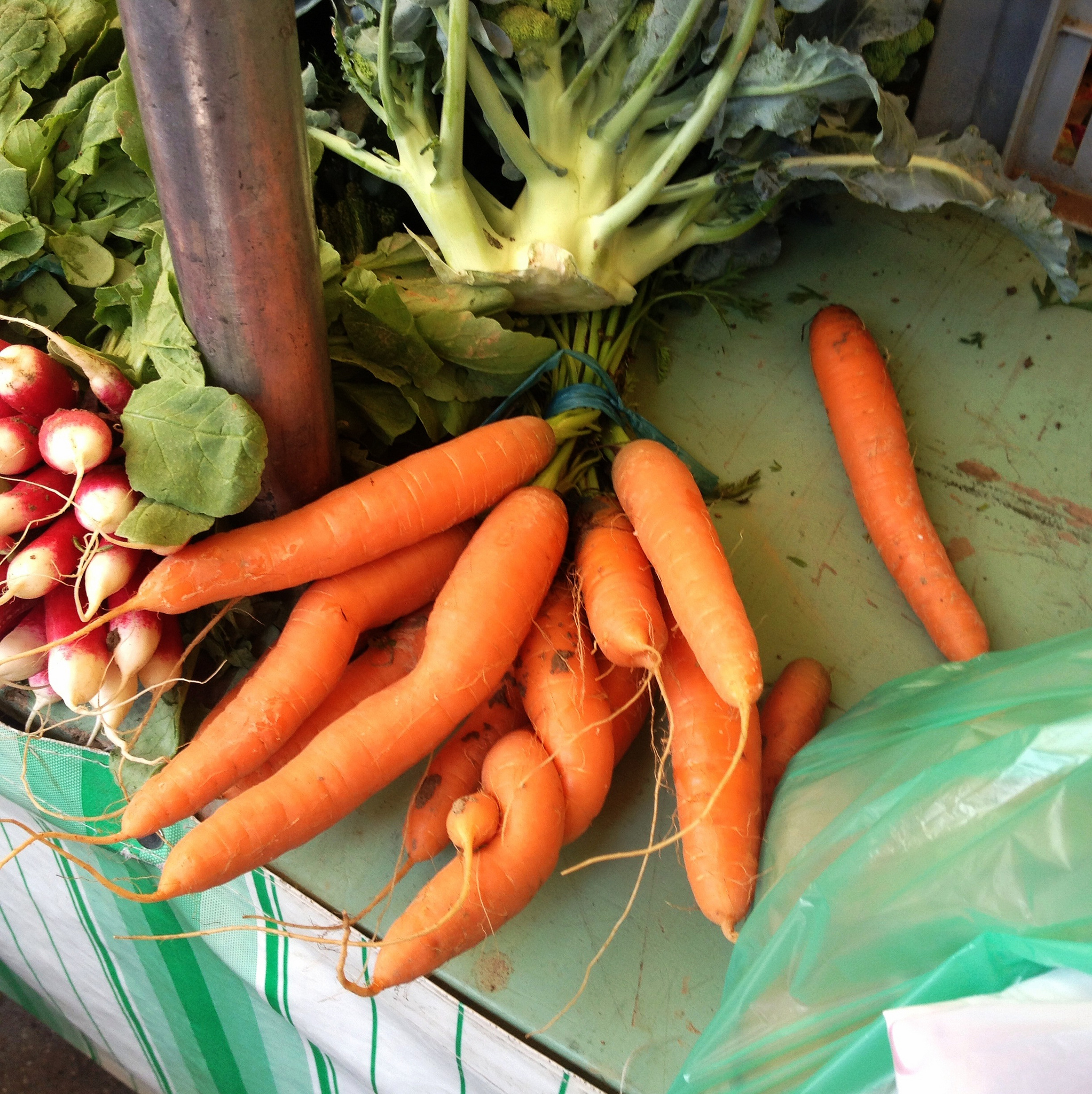
Estimates are that as much as 40% of produce in America is wasted.  We throw out fruits and vegetables for a variety of reasons, but one of the most unfortunate is when produce is tossed simply because it doesn’t look good enough.   Misshapen tomatoes, lumpy carrots, double-lobed potatoes, and crooked cucumbers end up in the waste bin instead of on our plates.

[Read more…] about Ugly Produce

Primary Sidebar

Recent Episodes

  • An uninsurable future
  • Clean energy and jobs
  • Insect declines in remote regions
  • Fossil fuel producing nations ignoring climate goals
  • Trouble for clownfishes

WAMC Northeast Public Radio

WAMC/Northeast Public Radio is a regional public radio network serving parts of seven northeastern states (more...)

Copyright © 2026 ·