• Skip to primary navigation
  • Skip to main content
  • Skip to primary sidebar

Earth Wise

A look at our changing environment.

  • Home
  • About Earth Wise
  • Where to Listen
  • All Articles
  • Show Search
Hide Search
You are here: Home / Archives for greening

greening

Electric vehicles and health

November 29, 2024 By EarthWise Leave a Comment

Studying the impact of electric vehicles on human health

Much of the discussion about the benefits of electric vehicles centers about the climate impact of not burning fossil fuels as well as about reduced operating costs.  A new study by the University of Toronto looked at the health benefits of large-scale adoption of electric vehicles.

The Toronto researchers used computer simulations to show that widespread electrification of the U.S. vehicle fleet when coupled with significant use of renewable energy to power the fleet could result in health benefits worth between $84 and $188 billion dollars by 2050.  Expressing these benefits in dollar terms is a way to quantify those benefits, but clearly what is most important is people’s health.

Carbon dioxide coming out of tailpipes is what is most harmful to the climate, but there is much more than CO2 vehicle exhaust.  There are many air pollutants that have a significant, quantifiable impact on human health.  These include nitrogen oxides, sulfur oxides, and small particles known as PM2.5. 

The study simulated levels of air pollution across the United States under various scenarios of adoption of EVs and the use of renewable energy.  The simulations clearly showed that the combination of widespread use of electric vehicles and the greening of the power grid would result in huge cumulative public health benefits.  But these benefits will take time to accrue.  The internal combustion vehicles being sold today will still be on the roads for many years and will continue to spread pollution everywhere there are roads.

**********

Web Links

New research reveals how large-scale adoption of electric vehicles can improve air quality and human health

Photo, posted May 7, 2020, courtesy of Mark Vletter via Flickr.

Earth Wise is a production of WAMC Northeast Public Radio
Antarctic greening

November 6, 2024 By EarthWise Leave a Comment

Antarctica is warming faster than the rest of the world

The Antarctic Peninsula, like other polar regions, is warming faster than the rest of the world.  Ocean heatwaves and ice loss are becoming more common and more severe.

New research by the universities of Exeter and Hertfordshire in the UK along with the British Antarctic Survey used satellite data to assess how much the Antarctic Peninsula has been greening in response to climate change.  The Antarctic Peninsula is an 800-mile extension of Antarctica toward the southern tip of South America.

The study found that the area of vegetation cover across the Peninsula increased from less than one square kilometer in 1986 to almost 12 square kilometers in 2021.  This greening trend accelerated by more than 30% in the period 2016-2021 relative to the entire 1986-2021 period.

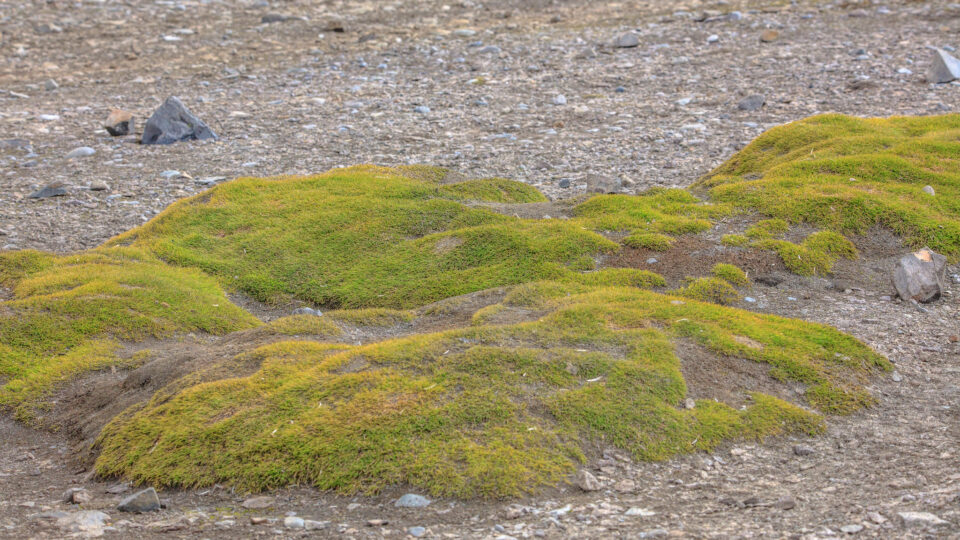
An earlier study also showed that the rates of plant growth on the Antarctic Peninsula has increased dramatically in recent decades.  The landscape is almost entirely dominated by snow, ice, and rock, with only a tiny fraction supporting plant life.  The plants found on the Peninsula – mostly mosses – grow in some of the harshest conditions on earth.  But that tiny fraction has greatly increased, showing that this isolated wilderness is being altered by climate change. 

The sensitivity of the Antarctic Peninsula’s vegetation to the changing climate is evident and as warming continues, there could be fundamental changes to the biology and landscape of this unique and vulnerable region.

**********

Web Links

Antarctic ‘greening’ at dramatic rate

Photo, posted June 2, 2018, courtesy of Murray Foubister via Flickr.

Earth Wise is a production of WAMC Northeast Public Radio
How to make cities cooler

March 26, 2024 By EarthWise Leave a Comment

Green spaces and waterways help keep cities cool

In cities, the air, surface, and soil temperatures are almost always warmer than in rural areas. This is known as the urban heat island effect.  Urban heat islands occur when cities replace natural land cover with dense concentrations of pavement, buildings, and other surfaces that absorb and retain heat.

Urban planners around the world have been researching ways to reduce the effects of heat in cities.  For example, trees, green roofs, and vegetation can help reduce urban heat island effects by shading building surfaces, deflecting radiation from the sun, and releasing moisture into the atmosphere.

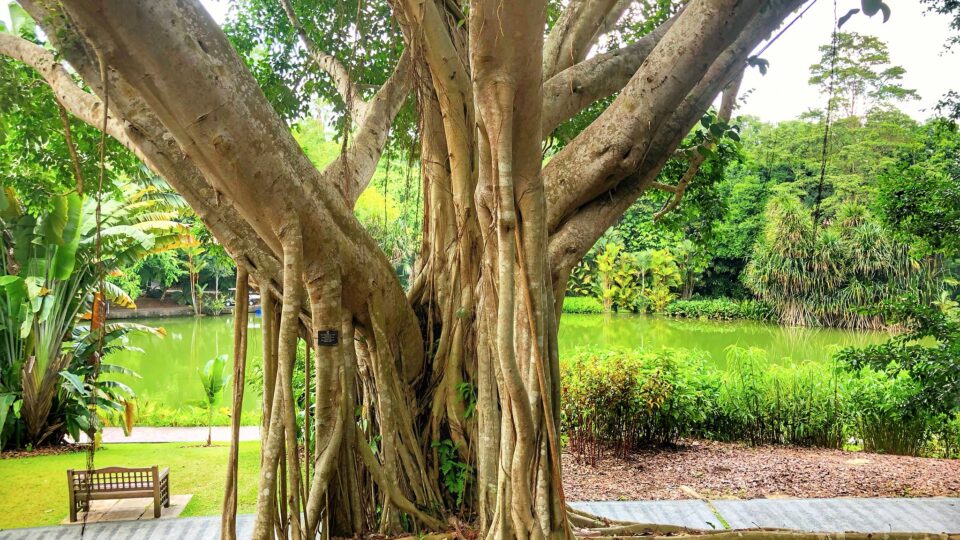
A new study led by researchers from the University of Surrey in the U.K. has analyzed how well various green spaces and waterways are able to cool down cities.  The study, which was recently published in the journal The Innovation, found that wetlands, parks, and even botanical gardens are among the best ways to keep cities cool.   

In fact, the researchers found that botanical gardens can cool city air by a whopping 9°F during heatwaves on average.  Wetlands can cool city air by 8.5°F on average, followed by rain gardens at 8.1°F, green walls at 7.4°F, street trees at 6.8°F, city farms at 6.3°F, city parks at 5.8°F, and reservoirs and playgrounds at 5.2°F. 

The researchers also found that cities can unlock even greater benefits by connecting green spaces into green corridors.  Greening projects can also help remove carbon emissions and prevent flooding.

The research team hopes its findings will help urban planners design more resilient cities. 

**********

Web Links

Wetlands, parks and even botanical gardens among the best ways to cool cities during heatwaves

Photo, posted April 25, 2022, courtesy of Catherine Poh Huay Tan via Flickr.

Earth Wise is a production of WAMC Northeast Public Radio
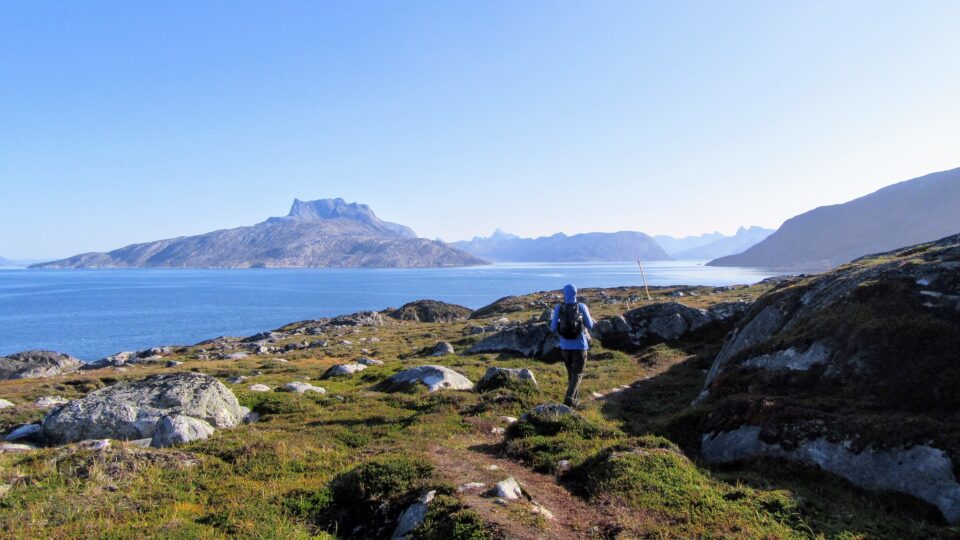
Greenland is greening

March 21, 2024 By EarthWise Leave a Comment

Greenland is greening

Despite their names, Iceland is very green, and Greenland is very icy.  But in Greenland, that is changing.  Temperatures in the world’s largest island are rising twice as fast as they are in the rest of the world and, as a result, the icy rocky landscape is turning increasingly green.

Satellite records reveal that over the last three decades Greenland has lost 11,000 square miles of ice, which is an area about the size of Massachusetts.  As the ice melts off, tundra and shrublands takes its place.  The ice melt moves sediment and silt and eventually wetlands and fenlands are formed.

Between the late 1980s and the late 2010s, the areas of Greenland covered by vegetation have more than doubled.  The new green areas cover roughly 33,000 square miles, which is an area the size of Maine.

Greenland’s dramatic changes are the result of the warming climate, but in turn, those changes are accelerating climate change.  Land covered with dark green vegetation absorbs more energy from the sun thereby warming the air whereas ice-covered landscapes reflect much of the sun’s energy back into space.  In addition, the rapidly expanding wetlands are a significant source of methane, which traps even more heat in the atmosphere.

Greenland is a poster child for the effects of climate change.  Its glaciers and icecaps are shrinking, glacier-fed lakes are expanding, permafrost lakes are draining, and rivers are transporting vast amounts of sediment and widening.  All of this is going on as its vegetation cover and species diversity is expanding.

**********

Web Links

In Icy Greenland, Area Covered by Vegetation Has More Than Doubled in Size

Photo, posted September 20, 2019, courtesy of Amanda via Flickr.

Earth Wise is a production of WAMC Northeast Public Radio
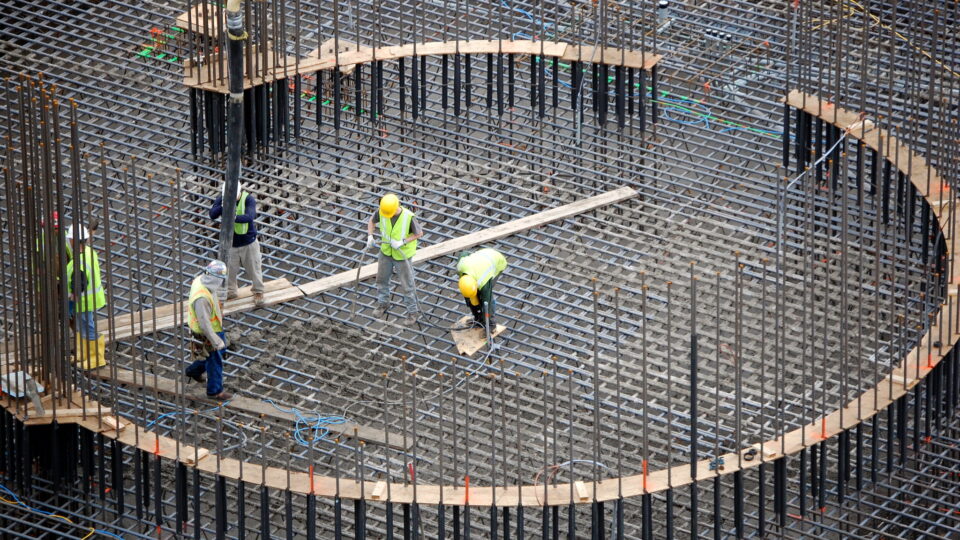
Concrete And Carbon | Earth Wise

May 8, 2023 By EarthWise Leave a Comment

How to reduce the carbon emissions associated with concrete

After water, concrete is the world’s second most consumed material.  It is the cornerstone of modern infrastructure.  Its production accounts for 8% of global carbon dioxide emissions.  The carbon dioxide is a result of chemical reactions in its manufacture and from the energy required to fuel the reactions.

About half of the emissions associated with concrete come from burning fossil fuels to heat up the mixture of limestone and clay that ultimately becomes ordinary Portland cement.  These emissions could eventually be eliminated by using renewable-generated electricity to provide the necessary heat.  However, the other half of the emissions is inherent in the chemical process.

When the minerals are heated to temperatures above 2500 degrees Fahrenheit, a chemical reaction occurs producing a substance called clinker (which is mostly calcium silicates) and carbon dioxide.  The carbon dioxide escapes into the air.

Portland cement is then mixed with water, sand, and gravel to produce concrete.  The concrete is somewhat alkaline and naturally absorbs carbon dioxide albeit slowly.  Over time, these reactions weaken the concrete and corrode reinforcing rebar.

Researchers at MIT have discovered that the simple addition of sodium bicarbonate (aka baking soda) to the concrete mixture accelerates the early-stage mineralization of carbon dioxide, enough to make a real dent in concrete’s carbon footprint.  In addition, the resulting concrete sets much more quickly.  It forms a new composite phase that doubles the mechanical performance of early-stage concrete.

The goal is to provide much greener, and possibly even carbon-negative construction materials, turning concrete from being a problem to part of a solution.

**********

Web Links

New additives could turn concrete into an effective carbon sink

Photo, posted April 4, 2009, courtesy of PSNH via Flickr.

Earth Wise is a production of WAMC Northeast Public Radio
Throwing Off Nature’s Seasonal Clock

October 29, 2018 By EarthWise Leave a Comment

https://earthwiseradio.org/wp-content/uploads/2018/10/EW-10-29-18-Throwing-Off-Natures-Clock.mp3

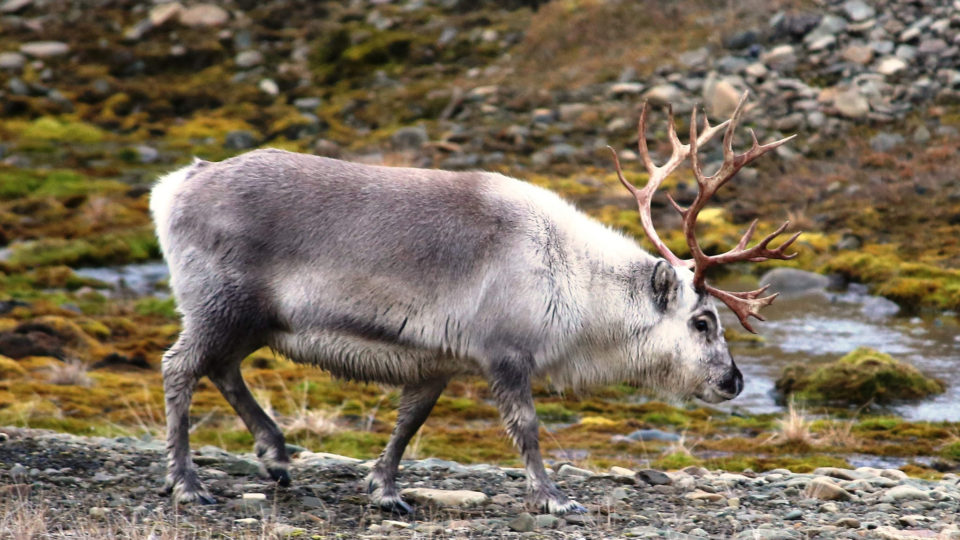
Ecosystems throughout the Arctic are regulated by seasonal changes leading to a finely tuned balance between the greening of vegetation and the reproduction of animals.  The rapidly warming climate and the disappearing sea ice are upending that balance.

[Read more…] about Throwing Off Nature’s Seasonal Clock

Natural Climate Solutions

February 13, 2018 By EarthWise Leave a Comment

https://earthwiseradio.org/wp-content/uploads/2018/01/EW-02-13-18-Natural-Climate-Solutions.mp3

The Paris Climate Agreement embodies a commitment to hold the increase in the global average temperature to less than 2 Celsius degrees above preindustrial levels.  Most strategies to achieve this goal involve reductions in greenhouse gas emissions from human activities such as burning fossil fuels as well as various land use activities.  But there are also so-called Natural Climate Solutions, which relate to the storage of carbon and reduction in carbon emissions across global forests, wetlands, grasslands, and agricultural lands.

[Read more…] about Natural Climate Solutions

Sahara Greening And Tropical Cyclones

July 25, 2017 By EarthWise

https://earthwiseradio.org/wp-content/uploads/2017/07/EW-07-25-17-Sahara-Greening-.mp3

Global weather patterns are influenced by environmental conditions in places around the world.  One of the world’s major weather creators is the Sahara Desert.  The Sahara is the largest hot desert in the world.  The only larger deserts of any sort are in the polar extremes of the planet and are thus not hot deserts at all.

[Read more…] about Sahara Greening And Tropical Cyclones

Primary Sidebar

Recent Episodes

  • An uninsurable future
  • Clean energy and jobs
  • Insect declines in remote regions
  • Fossil fuel producing nations ignoring climate goals
  • Trouble for clownfishes

WAMC Northeast Public Radio

WAMC/Northeast Public Radio is a regional public radio network serving parts of seven northeastern states (more...)

Copyright © 2026 ·